REVIEW · YOGYAKARTA
Indonesian Cooking Class in Yogyakarta
Book on GetYourGuide →Operated by Jogsider · Bookable on GetYourGuide
Herbs taste better when you pick them yourself. This 5-hour Indonesian cooking class in Yogyakarta has you harvest native plants from the garden, then cook your way through classic Javanese flavors with an English instructor.
I especially love the garden-to-pan feel—touching, smelling, and processing fresh ingredients like rhizomes and spices—then turning them into real food. I also love the warm, funny hospitality from Endah Pawon and her family, plus the calm vibe of the home setting with cats wandering around.
One thing to consider: the class is not suitable for children under 5 years or people over 70 years. Also, expect to work with ingredients like chili sauces and curry leaves, so if you’re sensitive to spice, tell your instructor early.
In This Review
- Key highlights to know before you go
- A 5-hour Javanese cooking class in Yogyakarta’s home garden
- Starting with a welcome drink that sets the tone
- Garden harvest: where you learn what you’re cooking
- Touch, smell, process: the mini skills that make Indonesian food click
- Cooking with Endah Pawon: hands-on, warm, and very practical
- The dish lineup: what you’ll cook and why it matters
- Vegetable rujak with peanut sauce
- Fruit rujak
- Fried chicken with curry leaves
- Tofu and tempeh: plant-based anchors
- Balinese lemongrass chili sauce
- Cultural chat while you cook (and why that matters)
- Lunch: eating what you made, at the pace of real life
- Private group comfort: who this class suits best
- Price and value: what $38 really covers
- Practical tips before you go (so the day feels smooth)
- Should you book this Indonesian Cooking Class in Yogyakarta?
- FAQ
- How long is the cooking class?
- What dishes will I cook and eat?
- What drinks are included?
- Is the cooking class taught in English?
- Is it suitable for children or older adults?
- Is there free cancellation?
Key highlights to know before you go
- Garden harvest first: pick native herbs and ingredients right where they grow.
- English instruction: taught in English, with time for questions as you cook.
- Hands-on learning: you’ll touch, smell, and process fresh rhizomes, spices, and raw ingredients.
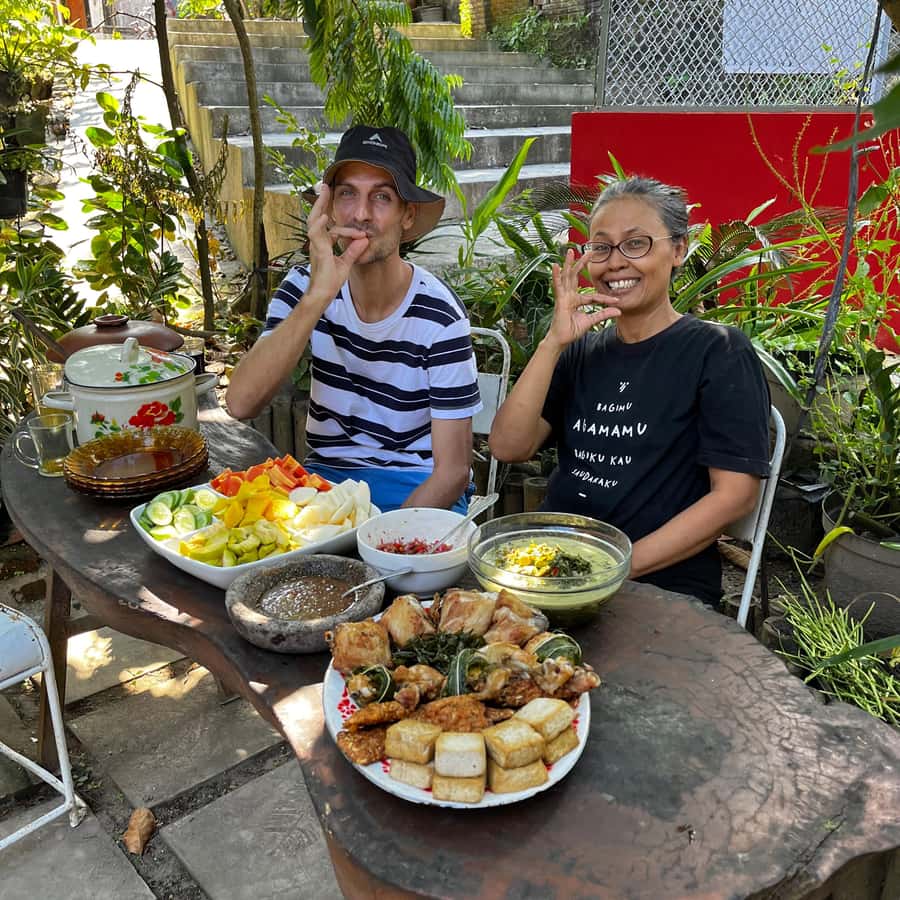
- You cook 6 dishes: rujak variations, tempeh, tofu, fried chicken with curry leaves, and a lemongrass chili sauce.
- Lunch included: you eat what you make, plus drinks and a welcome beverage.
- Private group setting: smaller, calmer experience in a home garden environment with cats.
A 5-hour Javanese cooking class in Yogyakarta’s home garden
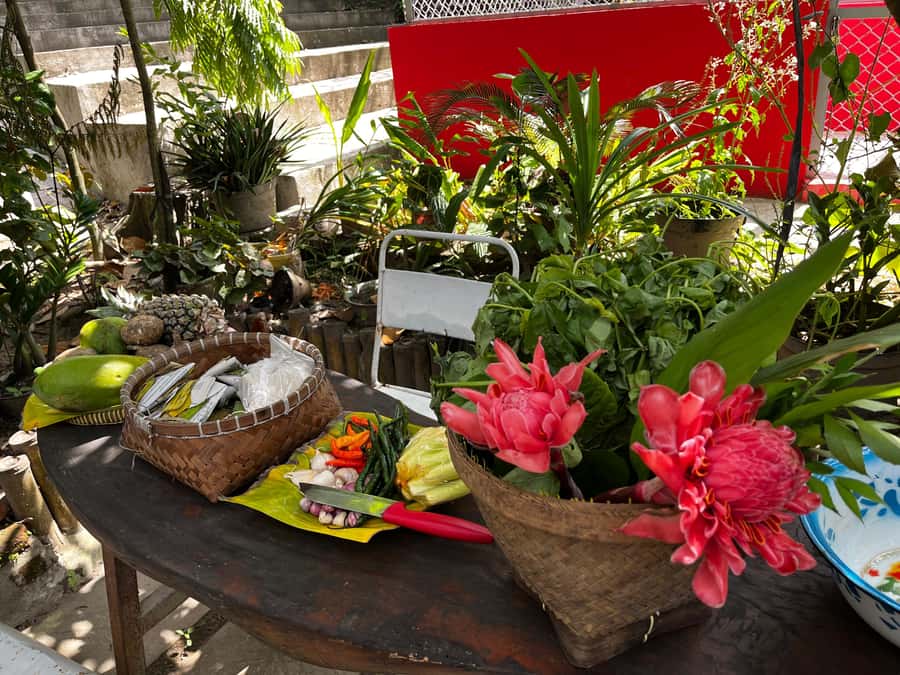
If you’re looking for a cooking class that feels less like a demo and more like learning a real routine, this one lands well. You spend about 5 hours in Yogyakarta working from fresh ingredients, not pre-packaged spices. The setting is a private home with a garden, plus the company of cute cats and a quiet, everyday atmosphere.
The price—$38 per person—is a fair deal for what you get. You’re not just watching someone cook. You’re guided through a multi-dish menu, you get lunch, and all ingredients and equipment are provided. In other words, you pay for the experience and the meal, not for extra add-ons.
This is also a thoughtful cultural setup. While you cook, the instructor talks about Indonesian culture and how these ingredients and dishes fit into daily life. And since the class brings people from different backgrounds together, the focus tends to be on respect and tolerance while you’re learning.
You can also read our reviews of more cooking classes in Yogyakarta

Starting with a welcome drink that sets the tone
Before any chopping happens, you’ll get a welcome drink to choose from. Options include tamarind turmeric, tamarind sugar, or lemongrass tea. It’s a small moment, but it helps you shift from travel mode into food mode.
This kind of start matters more than it sounds. In a class like this, you’ll be smelling and tasting ingredients soon. A warm drink like lemongrass tea—or a tangy tamarind version—can make the rest of the experience feel smoother, especially if you arrived hungry from the city.
Garden harvest: where you learn what you’re cooking
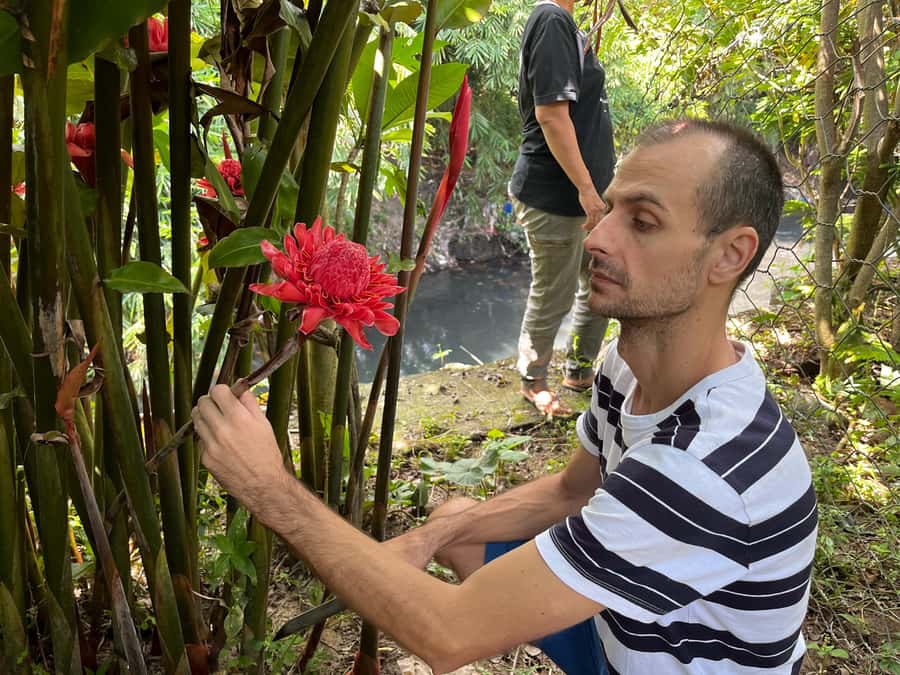
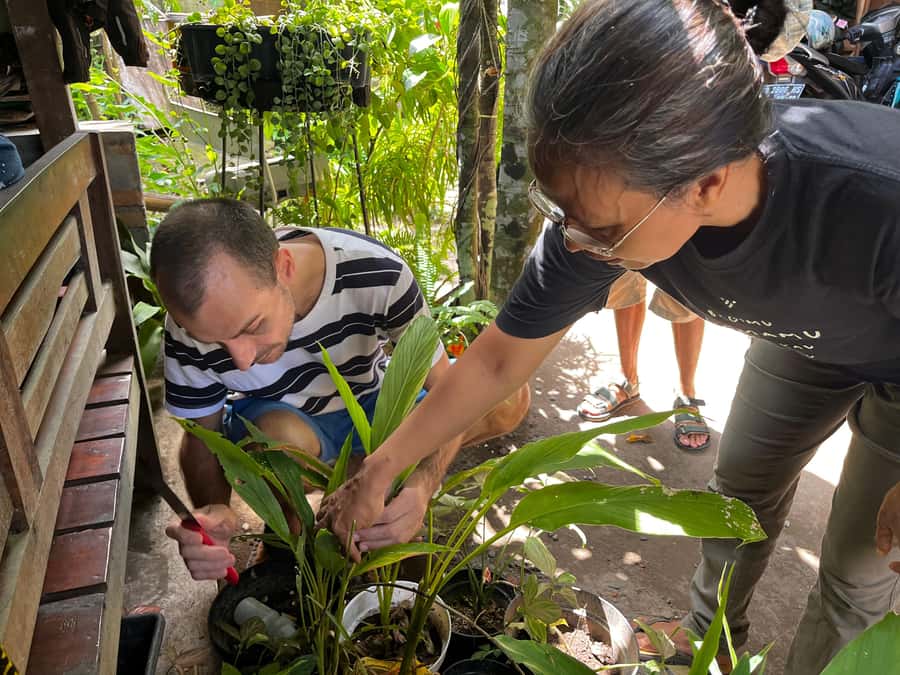
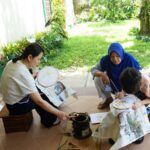
The heart of the day is the garden harvest. You start by harvesting native herbs from the host’s garden, then you learn what they are and how they’re used. According to the experience details, you’ll also process a mix of fresh ingredients, including rhizomes and spices.
I like this part because it gives you context. When you pick the plant yourself, you start connecting the smell in your hand to the flavor in your finished sauce. It also makes the learning feel practical. You’re not memorizing names only; you’re attaching names to real textures—stems, leaves, and roots.
And yes, it’s a home garden with lots of plants. The calm surroundings help you slow down. You’ll likely notice the cats wandering around, and that makes the whole scene feel less staged and more real.
Touch, smell, process: the mini skills that make Indonesian food click
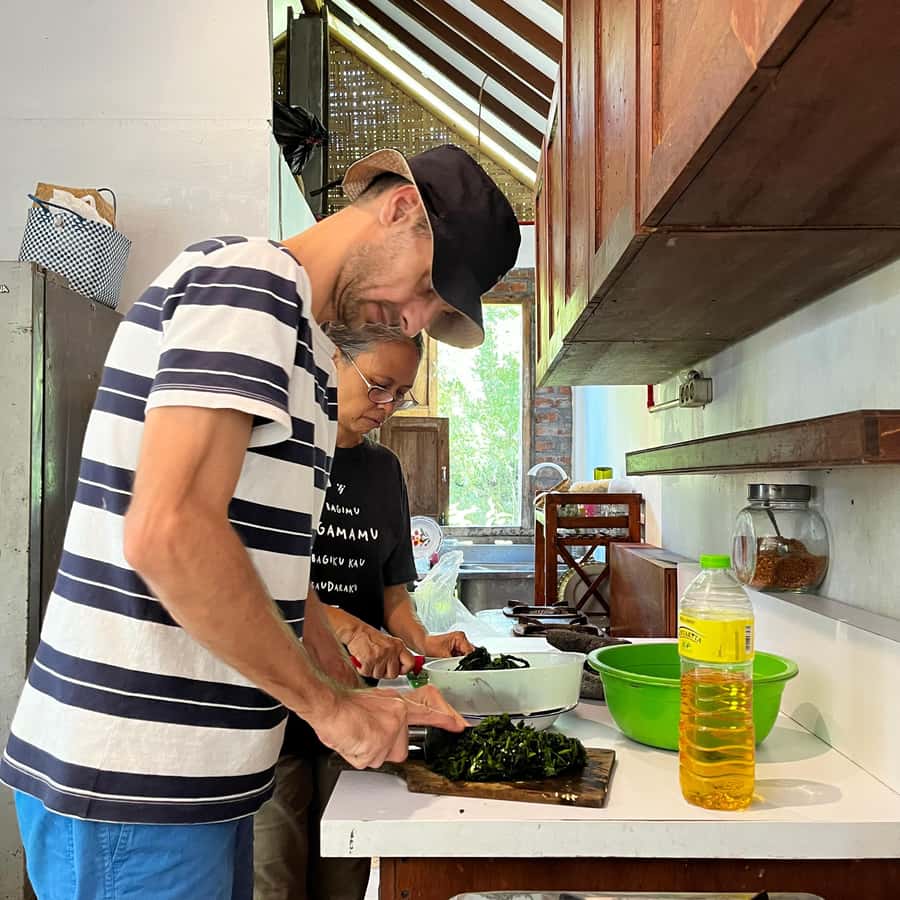
A cooking class can teach recipes, but this one also teaches technique through the senses. You’ll be encouraged to touch and smell fresh raw ingredients and then process them. That might include working with different forms of spices or rhizomes before they go into your dishes.
This is where you’ll build a better palate than you can get from a restaurant meal. You’ll learn the difference between a spice you’ve only tasted in powder form and a fresh ingredient with its own aroma and intensity. Even if you don’t remember every detail later, you’ll remember the way fresh spices behave—how they smell before heat, and how that changes once you cook.
If you like “why does this taste like this?” moments, you’ll find plenty here. The instructor uses the ingredients themselves as teaching tools.
Cooking with Endah Pawon: hands-on, warm, and very practical
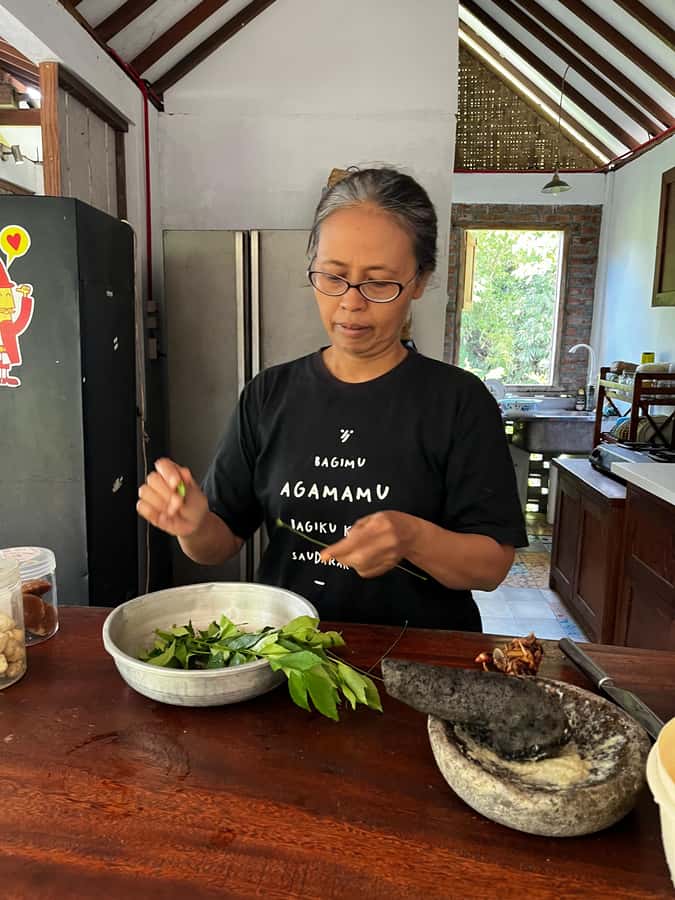
The class is taught by Endah Pawon (in English), and the tone you’ll feel is friendly and relaxed. In the experience reviews, Endah and her family are described as welcoming, with enthusiasm and a sense of humor that keeps things light while you learn.
That matters, especially if you’re not a confident cook. A private class setting means you can ask questions without feeling rushed or embarrassed. You’re also less likely to get stuck in the “watching” role. You’ll cook alongside the instructor as you go.
You should know one more practical point: the menu includes several dishes with strong flavors, like curry leaves, lemongrass chili sauce, and rujak sauces with peanut. The class is designed to show you how these flavors work together. If you prefer mild food, speak up early so you can adjust how much you use during cooking.
You can also read our reviews of more tours and experiences in Yogyakarta


The dish lineup: what you’ll cook and why it matters
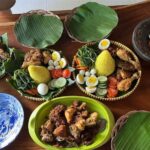
You’ll prepare 6 local dishes and then eat the results for lunch. The menu listed for the included experience is:
- Vegetable rujak with peanut sauce
- Fried chicken with curry leaves
- Fried/boiled tofu
- Tempeh
- Balinese lemongrass chili sauce
- Local fruit rujak
This mix is smart because it gives you a snapshot of everyday Indonesian meal logic. You’re not only cooking one category of food. You’re balancing sweet-sour elements (rujak), savory umami sources (tempeh and tofu), and aroma-forward seasoning (curry leaves, lemongrass).
Vegetable rujak with peanut sauce
Rujak is one of those dishes that teaches you about Indonesian flavor structure. Expect tangy-salty-sweet notes, plus texture from mixed vegetables and the creamy bite of peanut sauce. This is a dish where your sensory learning from the garden harvest pays off—because the flavors you learn about don’t stay theoretical.
Fruit rujak
Then you get the fruit version, which is where rujak becomes a lesson in contrast. The same overall idea—mixing fruit with bold flavor components—turns into something lighter and more refreshing. You’ll see how ingredients change the role of seasoning.
Fried chicken with curry leaves
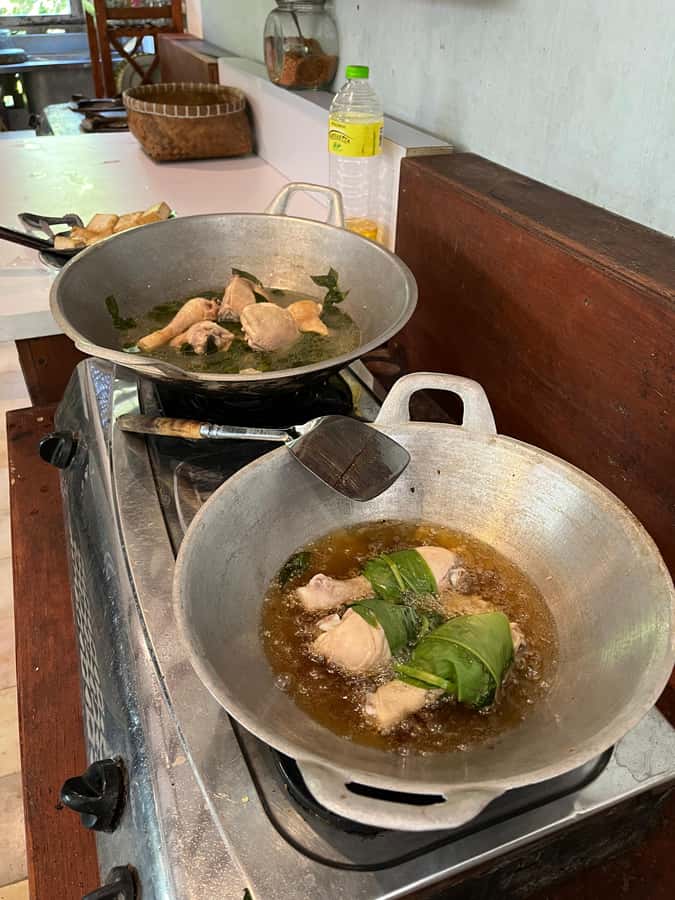
This is your aromatic, heat-and-juice dish. Curry leaves bring a distinct fragrance that feels very Indonesian. You’ll likely notice how the aroma changes once the leaves hit hot oil. That’s a key “aha” moment for people who normally only taste curry leaves in cooked dishes.
Tofu and tempeh: plant-based anchors
Tofu and tempeh are both included, with tofu prepared as fried/boiled and tempeh included as well. These dishes help you understand why Indonesian cuisine relies so much on soy-based proteins. They absorb flavor, and they give your meal body even when the focus is on sauces.
If you’re trying to cook Indonesian food at home later, these are some of the easiest to repeat. You can recreate the sauces and keep the proteins simple.
Balinese lemongrass chili sauce
Even though the class is rooted in Javanese cooking, you’ll also work with a Balinese lemongrass chili sauce. That’s a good reminder that Indonesian cuisine isn’t one-note. Regional styles share ingredients but treat them differently. Lemongrass brings a citrusy-herbal aroma, while chili adds a sharp edge.
This is also the dish to pay attention to if you’re watching spice. You’re making it, so you’ll control how it feels in your bowl.
Cultural chat while you cook (and why that matters)
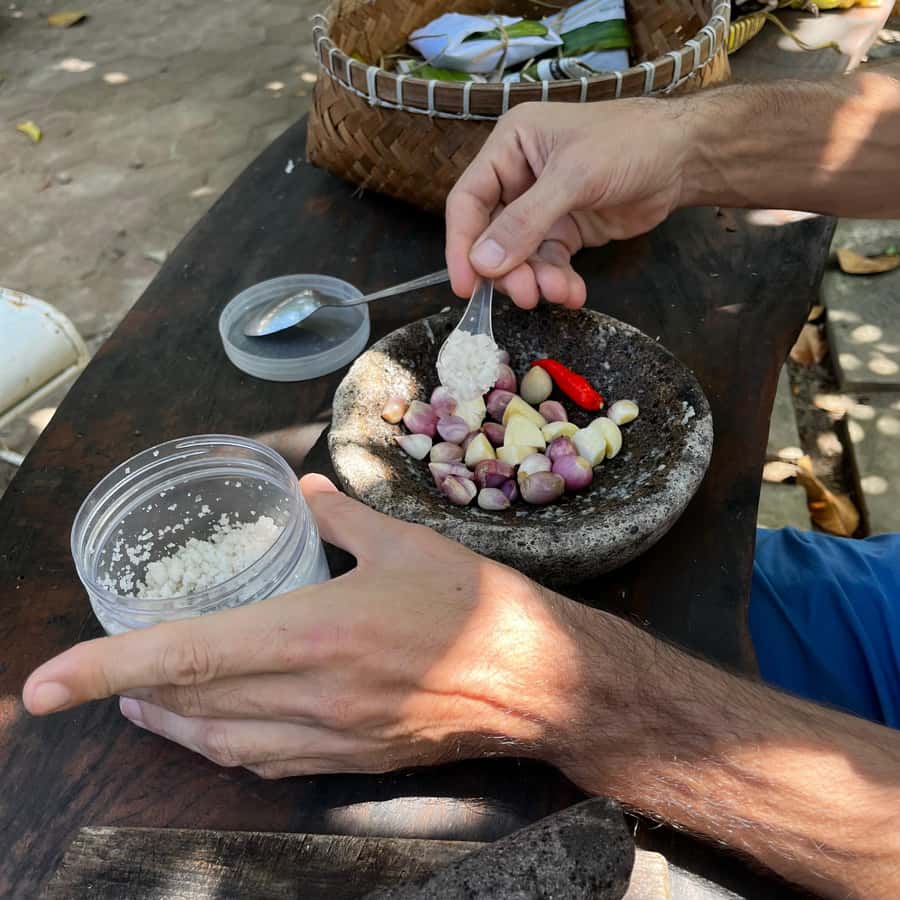
Food classes can be just about technique. Here, you also get cultural insight as you prepare your meal. The instructor discusses Indonesian culture while the cooking is underway, not in a separate lecture.
I like this format because it prevents the culture from feeling like a checklist. When you’re holding ingredients and asking questions, the conversation stays grounded. You’re learning why certain flavors are valued, and how the ingredients you harvested fit into everyday tastes.
It also makes the meal feel less like a “one-off show” and more like a story you can carry home. You’ll likely remember the food more vividly because the why stuck with it.
Lunch: eating what you made, at the pace of real life
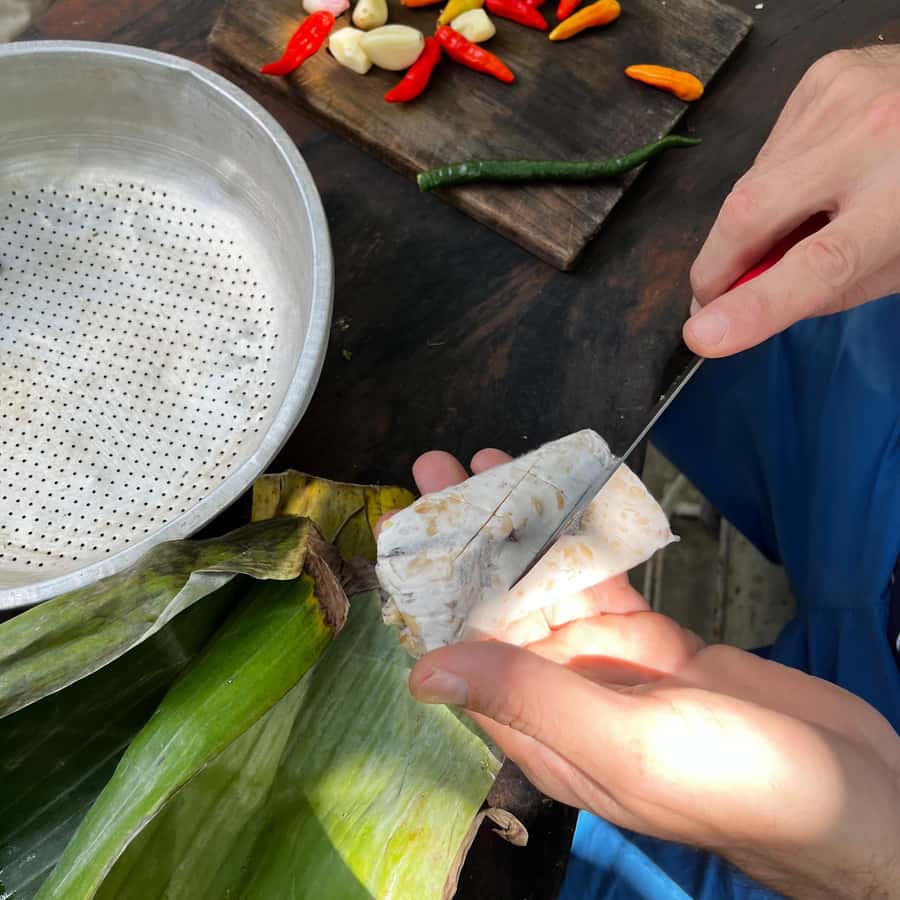
Lunch is included, and it’s built around the dishes you prepare. You also get drinks during the experience. That means you won’t be forced to hunt down food afterward or worry about paying extra just to eat.
The lunch itself is a practical test: do you understand what you were making? If you finished a rujak sauce, then tasted it, you’ll know whether your balance worked. If the peanut sauce came out too thick or too light, you’ll learn how to adjust next time.
This is also where a private group helps. You’re not sharing the experience with a packed room of strangers, so the meal feels calmer and more conversational.
Private group comfort: who this class suits best
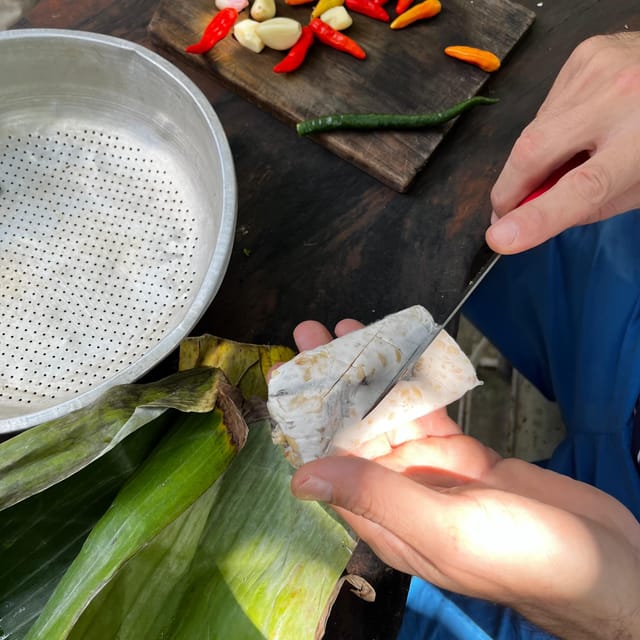
This is a private group class, which changes the feel. You get a quieter pace, more instructor attention, and more room to ask about ingredient names and cooking choices. If you’re traveling with a friend or small circle, that can be the difference between learning and just getting fed.
It’s also wheelchair accessible, so the setting is set up to accommodate mobility needs. At the same time, it’s still a garden-and-cooking experience, so you’ll want to factor in standing time and how comfortable you are with kitchen tasks.
Based on the age limits, it’s not suitable for children under 5 and not suitable for people over 70. For everyone else, it fits especially well if you want:
- real hands-on learning
- a meal you can actually replicate later
- a smaller, home-style environment rather than a commercial kitchen
Price and value: what $38 really covers
Let’s talk value without hand-waving. For $38 per person, you get a full 5-hour cooking class with an English-speaking instructor, plus lunch featuring the dishes you cook. You also get drinks, a welcome beverage choice, and all ingredients and cooking materials.
That’s the key: you’re paying for the whole package. There’s no extra “buy your spices separately” vibe. You bring curiosity, and the class provides the rest.
If you enjoy cooking or want a dependable souvenir that isn’t just a magnet, this is one of those purchases that tends to feel worth it. You leave with food skills, ingredient names, and a menu you can repeat.
Practical tips before you go (so the day feels smooth)
This class is in Java, Indonesia and runs about 5 hours, with starting times depending on availability. Come with an open mind. You’ll be handling fresh ingredients from a garden, and you’ll learn as you work, not after.
A couple tips that make sense for the setting:
- Wear comfortable clothes and closed-toe shoes you don’t mind getting a little kitchen-dust on.
- If you’re sensitive to chili or strong aromatics, tell Endah early so you can adjust while cooking.
- Plan your day so you’re not rushing right after lunch. This is a full-food activity, and you’ll probably feel it.
Should you book this Indonesian Cooking Class in Yogyakarta?
I think you should book if you want a hands-on, garden-based cooking experience with a friendly instructor and a real meal at the end. The standout parts for me are the fresh-ingredient harvest, the way you learn through smell and touch, and the warm home atmosphere with Endah Pawon and her family.
Skip it if you’re traveling with very young children or if your group includes someone over 70, since it’s not suitable for those age ranges. Also consider choosing a different activity if you’re not comfortable working around chili, curry leaves, and bold sauces.
If you want one high-value meal experience in Yogyakarta that teaches you more than it entertains, this fits the bill.
FAQ
How long is the cooking class?
The class lasts about 5 hours. Starting times can vary, so check availability when you book.
What dishes will I cook and eat?
The included menu has you prepare 6 dishes: vegetable rujak with peanut sauce, fried chicken with curry leaves, fried/boiled tofu, tempeh, Balinese lemongrass chili sauce, and local fruit rujak.
What drinks are included?
You’ll get drinks during the class plus a welcome drink. Your welcome drink options are tamarind turmeric, tamarind sugar, or lemongrass tea.
Is the cooking class taught in English?
Yes. The instructor speaks English.
Is it suitable for children or older adults?
It is not suitable for children under 5 years, and it is not suitable for people over 70 years.
Is there free cancellation?
Yes. You can cancel up to 24 hours in advance for a full refund.