REVIEW · YOGYAKARTA
Yogyakarta Cooking Class and Market Tour
Book on Viator →Operated by Asmaradhana Borobudur Tours · Bookable on Viator
Spices, markets, and a real Javanese lunch. This tour works because it starts with real ingredients from a traditional market, then you move to a local kitchen with an English-speaking chef who explains what you’re making and why. I liked how hands-on it feels, not like watching from the sidelines.
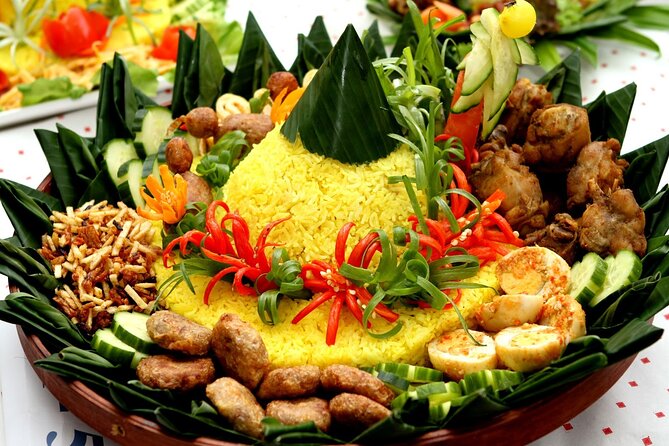
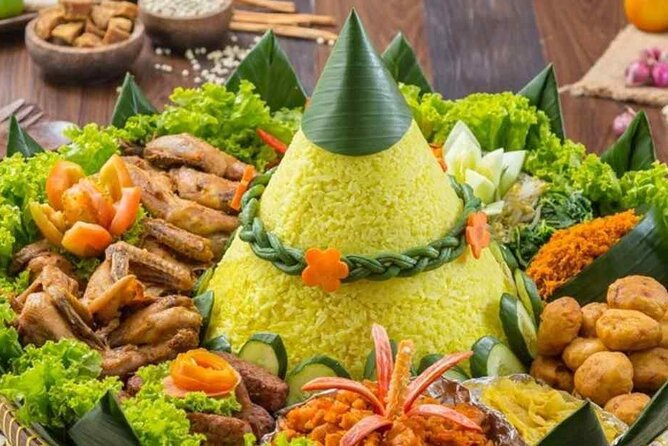
I also liked the way the cooking centers on cultural food, especially Tumpeng yellow rice, a ceremonial rice that has deep roots in Javanese tradition. You’ll finish with your own meal, plus a homemade drink like hibiscus tea or wedang uwuh (eucalyptus tea).
One thing to consider: one participant felt the class was more structured than creative, with not enough room to freestyle or get extra explanation at every step. If you learn best by experimenting, go in ready to ask lots of questions.
In This Review
- Key highlights worth your time
- Why This Yogyakarta Cooking Class Starts at the Market
- Rice Plantation Stops and the Bantul Village Welcome
- The Cooking Lesson: Tumpeng Yellow Rice and More
- What the Chef Teaches You While You Cook
- Lunch (or Dinner) You Actually Made
- Group Size, Pickup, and How Personal It Feels
- Price and Value: Is $35 a Good Deal Here?
- Practical Tips That Help You Get More Out of the Class
- Who This Cooking Class Suits Best
- Should You Book This Yogyakarta Cooking Class?
- FAQ
- How long is the Yogyakarta cooking class and market tour?
- Does the tour include hotel pickup and drop-off?
- What is included in the price?
- What will I cook during the class?
- Are drinks included with the meal?
- Can I get a refund if I cancel?
Key highlights worth your time
- Market shopping for your exact ingredients before you cook
- Tumpeng yellow rice plus multiple main dishes and a dessert
- Rice plantation + Bantul village visit for context beyond the kitchen
- Small groups (max 15) with pickup and drop-off in Yogyakarta
- Homemade drinks like hibiscus tea or wedang uwuh
- Lots of chef storytelling about Yogyakarta and Indonesian food
Why This Yogyakarta Cooking Class Starts at the Market
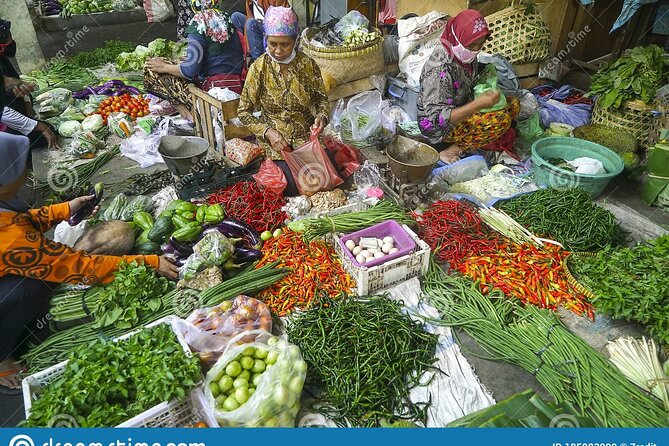
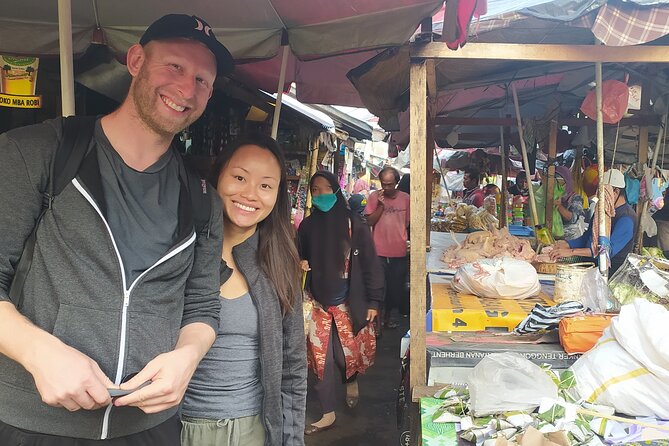
This is the kind of cooking class where you don’t just show up and hope you recognize the ingredients. You start with hotel pickup, then head to a local fresh food market to choose what goes into your dishes. You’ll look at vegetables, herbs, meat, and spices displayed out in the open, like everyday life in Yogyakarta.
That market time matters because it teaches you what you’re actually tasting later. Once you’ve picked ingredients with your teacher guiding you, the cooking steps feel like a continuation—not a brand-new process you have to memorize.
And if you care about planning, this setup is also practical. You get an early taste of local rhythm, then you’re already halfway to understanding Javanese cooking when you put on the apron.
You can also read our reviews of more shopping tours in Yogyakarta
Rice Plantation Stops and the Bantul Village Welcome
After the market, the program shifts to the bigger food picture. You’ll visit a rice plantation where you learn how the staple crop is cultivated and prepared. You also get scenic views along the way, which is a nice break from the sensory overload of a busy market.
Next comes the traditional village of Bantul. You arrive and get a warm welcome from locals, which helps the day feel grounded in place rather than a tourism-only performance. It’s also a helpful mental reset: you stop thinking about recipes and start thinking about how food connects to land, people, and routine.
The benefit here is pacing. You’re not in one long session of cooking and standing around. Instead, you build context first, then the kitchen makes more sense.
The Cooking Lesson: Tumpeng Yellow Rice and More
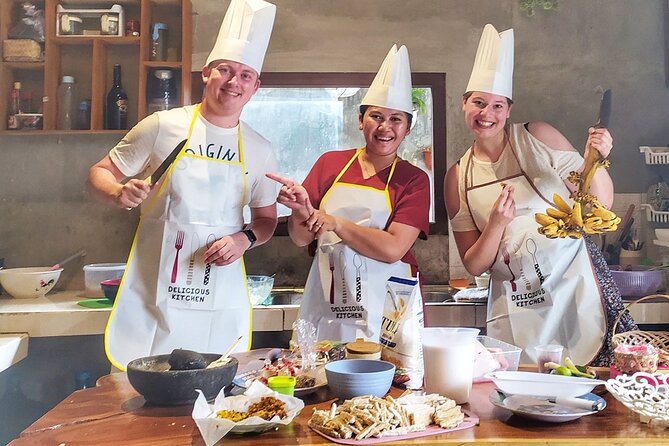
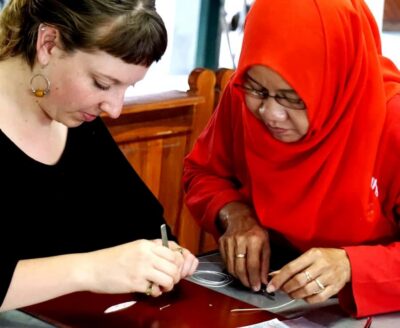
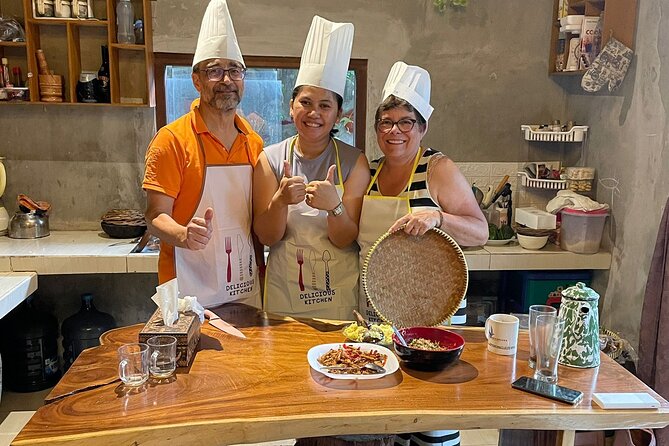
Once you’re ready for the main event, the cooking class runs about 3 hours and happens during either a morning or afternoon slot. You’ll cook with an expert chef who guides you through the techniques and explains the logic behind the flavors.
Your class preparation includes:
- 1 starter
- 4 main courses
- 1 authentic dessert
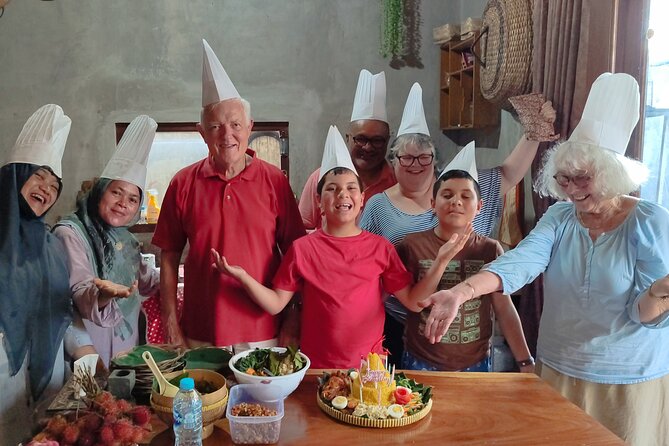
A centerpiece you’ll make is Tumpeng yellow rice. The tour framing connects it to offerings made during ceremonies long ago, which gives the dish meaning beyond taste. It’s a great reminder that in Javanese cooking, food often has a role in community and tradition, not just hunger.
You’ll also get a guided introduction to spices and herbs. That’s one of the most praised parts of the experience, with chefs sharing stories tied to Yogyakarta and Indonesian cuisine while they teach you how to work with ingredients.
One subtle tip: if you want to learn fast, keep your focus on technique, not just the final plate. With structured classes like this, the best skill you can take home is knowing what to do when you see an ingredient you don’t usually use.
What the Chef Teaches You While You Cook
This isn’t just a recipe handout. The chef/teacher is part of the learning curve, and many participants mention the storytelling side too. For example, Arma is called out in a featured review for mixing cooking with history and cultural context.
Desy also gets named in multiple comments as patient, knowledgeable, and good at clear instruction in the kitchen. That matters because cooking classes can fail in two ways: vague directions, or too much lecturing and not enough doing. Here, the format is clearly designed for you to actively participate.
Still, keep expectations realistic. One participant felt there was too little explanation at times and not enough room for creativity. So if you’re the type who wants to tinker, try to ask specific questions early, like how ingredients affect flavor, texture, or timing.
Lunch (or Dinner) You Actually Made

At the end, you sit down and eat what you cooked. That meal is served as a full experience, not a token tasting. The day’s payoff is that the flavors on your plate come with context from the market and the village stops.
Drink is included, which is a small detail that makes the meal feel complete. You can enjoy homemade hibiscus tea or a traditional wedang uwuh (eucalyptus drink). These aren’t random add-ons; they fit the “food as culture” theme of the day.
The best way to enjoy this part is to come hungry and ready to taste. With multiple main courses plus a dessert, you’ll be surprised how quickly lunch turns into a full table spread.





Group Size, Pickup, and How Personal It Feels
This experience keeps the group capped at 15 travelers and includes pickup and drop-off at hotels in Yogyakarta. There’s also mention of group discounts, plus a mobile ticket for convenience. In practice, that combination usually means less waiting around and a tighter feeling session than bigger group activities.
More importantly, many of the strongest comments focus on a personalized vibe. People describe being welcomed into a local home setting and working with the teacher step-by-step, which is exactly how you want a class like this to run.
You’ll also notice the day is flexible in timing. The class can be either a morning or afternoon session, depending on what you book. That’s useful if you want to pair it with other Yogyakarta sights.
One thing to watch for is the “structured vs. free-form” balance. If you’re hoping for lots of improvisation time, plan to participate while also asking for options. If you want clear guidance, this format should feel supportive.
Price and Value: Is $35 a Good Deal Here?
At $35.00 per person for a roughly 3-hour experience, this can be a strong value in Yogyakarta, mainly because a lot is included. You’re not paying just for cooking time. The price covers:
- pickup and drop-off in Yogyakarta
- the market tour
- all ingredients
- recipe materials
- lunch
- an English-speaking chef/teacher
That’s the key difference. Many classes charge a similar amount but leave you paying separately for shopping, ingredients, or meals. Here, you get the market selection and the meal at the end as part of the package, which means you’re paying for a full arc.
Also, because the group stays small, the teacher time per person tends to feel more useful. If you want to learn flavors beyond one dish, that matters.
If you’re traveling with someone, it can be even better value because you’ll share the same table and ingredients, and you get to compare techniques while you cook.
Practical Tips That Help You Get More Out of the Class

I’d treat this day like a hands-on workshop, not a quick “see and eat” stop. Keep your attention on the steps your chef shows you, and ask for reasoning behind flavor choices when you’re unsure.
One practical suggestion from the experience details: have WhatsApp loaded for communication purposes. That can help if the provider needs to confirm or coordinate during the day.
Here are a few more habits that fit this style of class:
- Try tasting along the way, not only at the table.
- If you’re the creative type, request alternatives during mixing or seasoning so you can still put your own stamp on it.
- If you’re hungry, plan to treat the included lunch as the main meal, since the cooking produces a lot of food.
Who This Cooking Class Suits Best
This experience is a great match if you want real Javanese cooking skills with cultural context. It’s also ideal if you like learning through doing—market first, then cooking, then eating—because the flow builds understanding.
You’ll probably enjoy it most if you:
- want a break from temple-heavy days and prefer food-based learning
- like hands-on sessions with an English-speaking teacher
- enjoy spices and want a clearer sense of how ingredients work together
If you strongly prefer open-ended cooking with lots of experimentation, there’s a small chance the structure could feel limiting. In that case, go prepared to communicate what you want to learn during the class.
Should You Book This Yogyakarta Cooking Class?
Yes, you should book it if you want more than a meal—you want a pathway into Javanese food. The combination of market shopping, rice-plantation context, and cooking multiple dishes (including Tumpeng yellow rice) is a smart way to spend a half-day in Yogyakarta.
Book it especially if you care about learning from a chef who explains the “why” behind the food, not just the “how.” And if you book during the morning slot, you’ll get that early market energy that makes the day feel like a real local morning.
Skip it only if you know you’ll be disappointed by a structured format with limited freestyle room. Otherwise, this is a solid, value-heavy way to leave Yogyakarta with both recipes and real understanding.
FAQ
How long is the Yogyakarta cooking class and market tour?
It runs about 3 hours (approx.).
Does the tour include hotel pickup and drop-off?
Yes. Pickup and drop-off at hotels in Yogyakarta are included.
What is included in the price?
The package includes an English-speaking teacher (chef), all ingredients, recipe, lunch, market tour, and pickup/drop-off.
What will I cook during the class?
You will prepare 1 starter, 4 main courses, and 1 authentic dessert, including Tumpeng yellow rice.
Are drinks included with the meal?
Yes. You can enjoy homemade hibiscus tea or traditional wedang uwuh.
Can I get a refund if I cancel?
Yes, free cancellation is available. You must cancel up to 24 hours in advance for a full refund.