REVIEW · YOGYAKARTA
Yogyakarta: Prambanan Temple Afternoon Guided Tour
Book on GetYourGuide →Operated by Jogja Borobudur Tour & Travel · Bookable on GetYourGuide
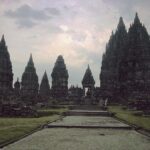
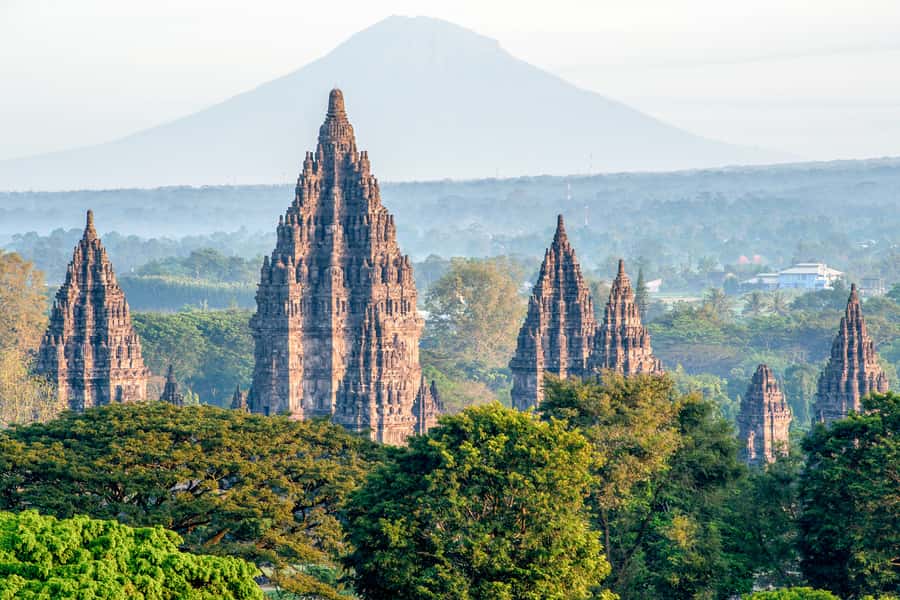
Prambanan looks different when the day is winding down. This afternoon guided tour takes you to Yogyakarta’s UNESCO Prambanan Temple (Loro Jonggrang) so you can see the stonework glowing, then get the real story behind the carvings and the temple legends, with English guidance from people like Haidar and Adit. The site is tied to the Trimurti idea, and the guide helps you connect those symbols to what you’re actually standing in front of.
I love the door-to-door setup: hotel pickup and drop-off in air-conditioned transportation, plus a small group limited to 5 so you’re not just herded through. In practice, it means your guide can actually answer questions, and you’ll have an easier time finding good viewing angles without fighting a crowd.
The main consideration is the cost at the gate. The tour price covers the guide and transport, but the Prambanan entry fee is not included and you pay it on the day of the tour (cash or cards). Also, you’ll be on temple steps and uneven stone, so plan for walking time.
In This Review
- Key highlights to know before you go
- Why the Prambanan afternoon view hits better than you expect
- Door-to-door pickup, AC comfort, and why small groups matter in Jogja
- Loro Jonggrang and the Prambanan Temple Complex: what to watch for
- Trimurti symbolism: Brahma, Vishnu, Shiva in stone (and in stories)
- How guides shape the experience: jokes, explanations, and photo angles that actually work
- Price and logistics: what $35 really covers at Prambanan
- Pairing Prambanan with Borobudur: build a two-temple day smart
- Who should book this Prambanan afternoon tour
- Should you book the Yogyakarta Prambanan afternoon guided tour?
- FAQ
- What is included in the Prambanan Temple afternoon guided tour?
- What is not included in the tour price?
- How much is the entry fee for Prambanan Temple?
- Where does the tour start and end?
- How long is the tour?
- Is the tour guide available in English?
- What group size is this tour?
- Can I cancel and get a full refund?
- Can I book now and pay later?
Key highlights to know before you go
- UNESCO Prambanan: the 9th-century Hindu temple complex dedicated to the Trimurti
- Afternoon light: a softer, dramatic view over the main temple spires
- English live guide: you’ll get meaning behind the carvings, gods, and temple layout
- Small group (max 5): easier pace, more questions, fewer bottlenecks
- Optional on-site local guides: you can hire extra help at the temple for an added fee
Why the Prambanan afternoon view hits better than you expect
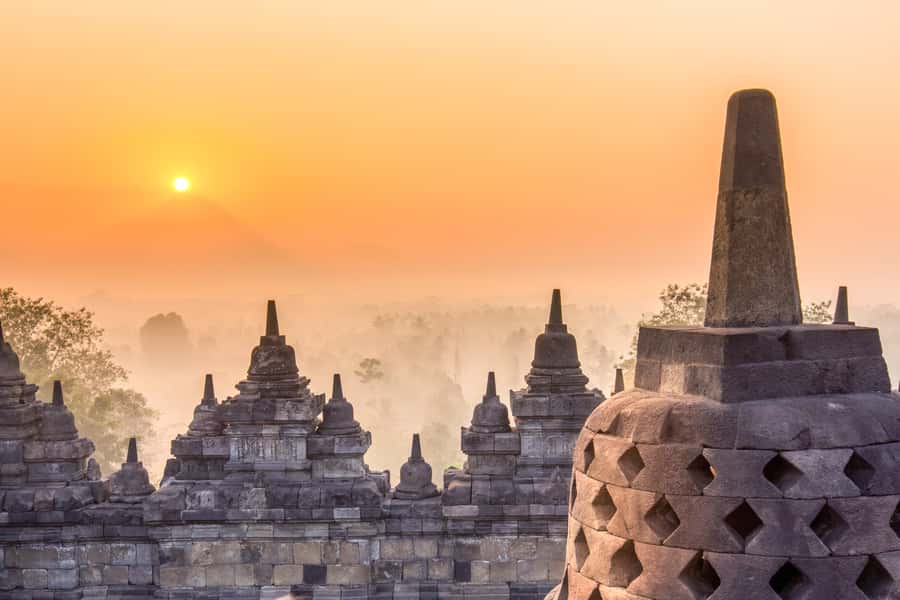
Prambanan isn’t just impressive in photos. In person, the scale hits you slowly, then suddenly. The reason the afternoon tour works is simple: light. In late day hours, the temple details look sharper and the shadows in the carved panels become easier to read. You’re not racing right into harsh midday glare, and that makes the walking and looking more enjoyable.
This is also a very “storytelling” temple. The Prambanan complex is linked to the Trimurti concept—Brahma (creator), Vishnu (preserver), and Shiva (destroyer)—and a good guide helps you see the symbolism instead of treating the place like a stone museum. When you understand what you’re looking for, you’ll notice patterns you’d otherwise miss: how certain forms repeat, how the layout reinforces the religious idea, and why Loro Jonggrang is talked about as more than just a famous name.
You’ll get the chance to explore the largest Hindu temple complex in Indonesia, and one of the largest in Southeast Asia. That kind of superlative can sound like marketing, but the temple compounds feel big in every direction: you’re surrounded by layers of stone structures and courtyards, not just a single wow point.
If you’re the kind of person who likes to understand what a place represents, the afternoon timing helps. Your brain is calmer. You can take breaks, ask questions, and connect the carvings to the broader legends without feeling like you’re sprinting.
You can also read our reviews of more guided tours in Yogyakarta



Door-to-door pickup, AC comfort, and why small groups matter in Jogja
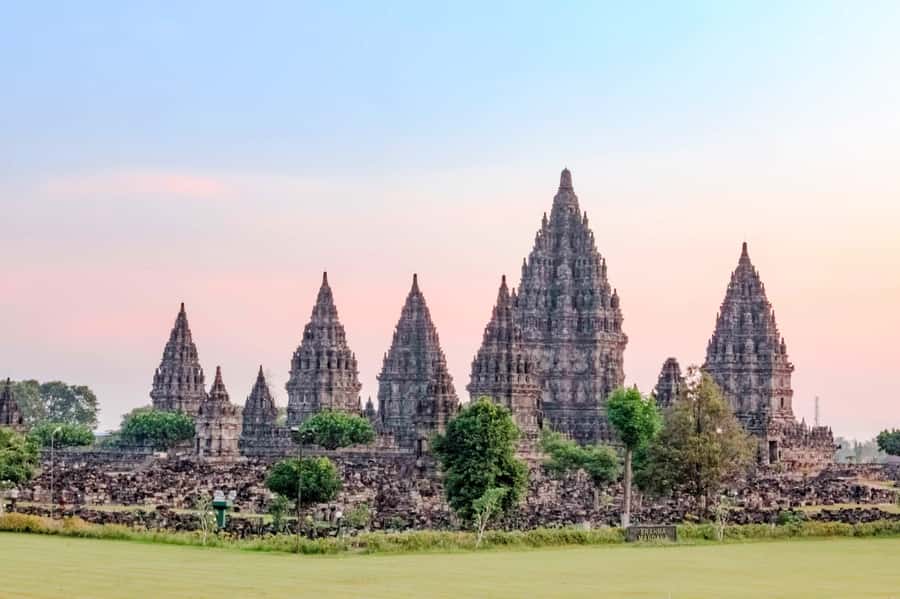
Yogyakarta traffic can be its own attraction, so I’m glad this tour is designed around convenience. You get picked up from your accommodation and taken directly to Prambanan Temple, then brought back afterward. No complicated transfers. No last-minute scramble for a ride.
The ride itself is air-conditioned, which is a real deal in Central Java heat. Even if you’re excited, you’ll appreciate having somewhere cool to reset before you start climbing and walking. A number of guides and drivers on these tours are praised for being safe and reliable, including drivers like Brian and Imam Febrian, who were described as careful and thoughtful with passengers.
The small group size (limited to 5 participants) isn’t just a comfort perk. It changes how your visit feels. With fewer people, it’s easier for your guide to steer you toward the best viewpoints for the time of day. It’s also easier to slow down if someone wants an extra explanation about a god, a carving, or a temple function.
One more practical benefit: with a smaller group, the guide can keep the flow moving while still giving you time to actually look. At big temples, timing often turns into a guessing game. Here, the structure of the tour means you’re guided through the most important areas without losing your bearings.
Loro Jonggrang and the Prambanan Temple Complex: what to watch for
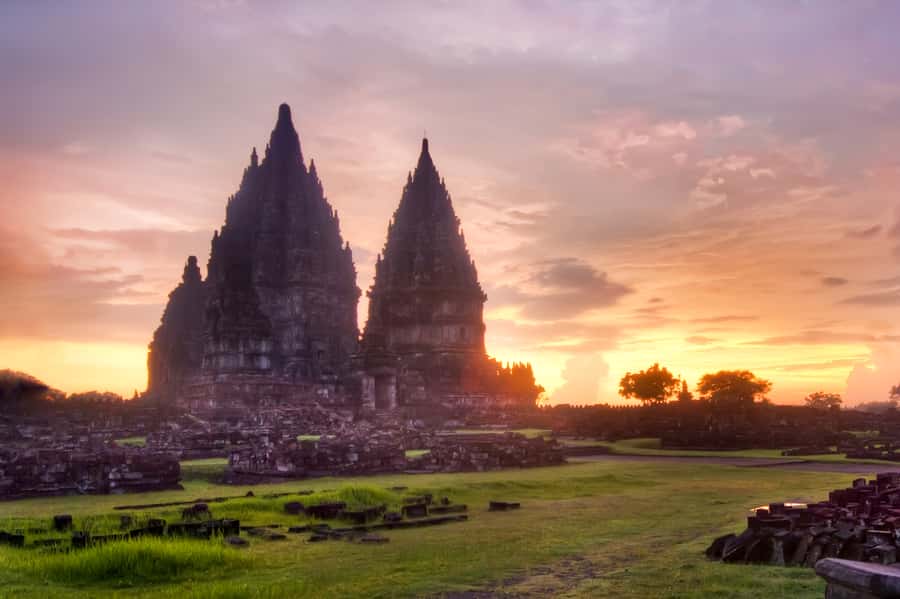
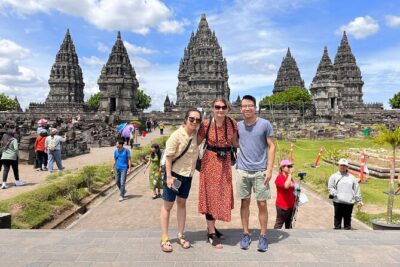
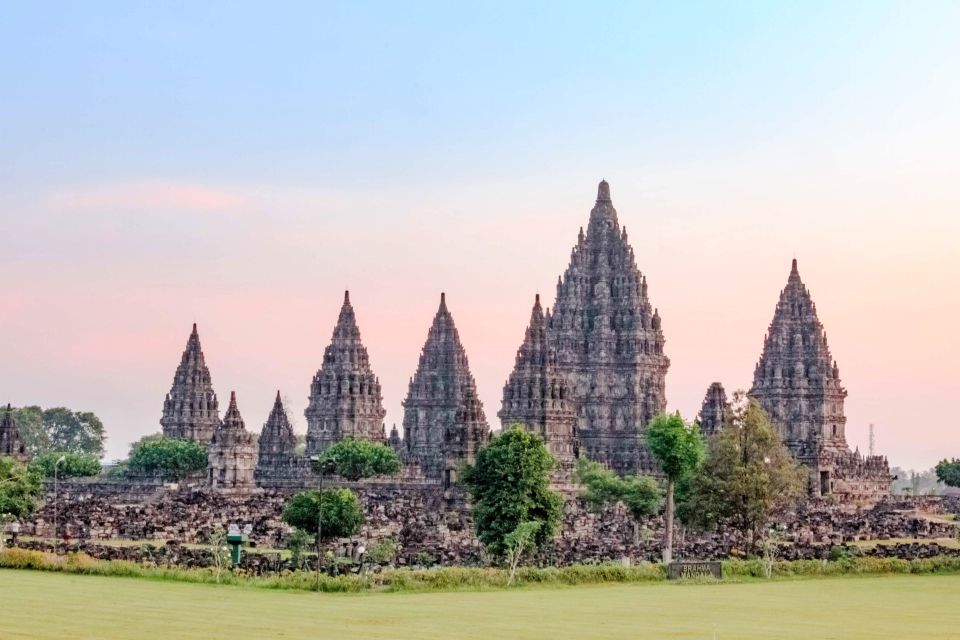
Most people arrive at Prambanan expecting a single temple. You’ll quickly realize it’s a complex—an entire compound. Your visit starts with the main Prambanan Temple (Loro Jonggrang), which is part of the larger Prambanan complex. From there, you’re exploring the temple grounds with a guide who explains both the religious meaning and the story elements people associate with the site.
Built in the 9th century, Prambanan is dedicated to the Trimurti. In plain terms: the temple complex is designed around the idea of divine roles in the cosmic cycle. You don’t need to be an expert on Hindu philosophy, but you’ll enjoy the experience more if you can connect the symbols to what you’re seeing. That’s where the guide helps. You’ll learn about the history, plus the folklore and cultural references that show why this site became so important.
Here’s what to pay attention to while you explore:
- The way the main temples dominate the compound visually, even from a distance
- Carved panels and ornamentation that repeat across different structures
- The layout that makes you feel like you’re moving through a designed space, not just walking around stone
You’ll also run into the reality of temple visiting in Indonesia: steps. Some areas involve climbing, and Prambanan is known for steep stairs. If you want the full vertical views, be prepared. If you don’t, a good guide will help you focus on what’s most important at ground level and from viewpoints that are still worth the trip. In at least one case, a guide helped someone manage the big stairs and still enjoy the visit.
If your timing stretches into darker minutes, you might even see guides adjust—one guide used a flash light approach so the carvings could still be appreciated when light changed. You won’t need to worry about it ahead of time, but it’s nice to know the guides handle the lighting realities.
Trimurti symbolism: Brahma, Vishnu, Shiva in stone (and in stories)
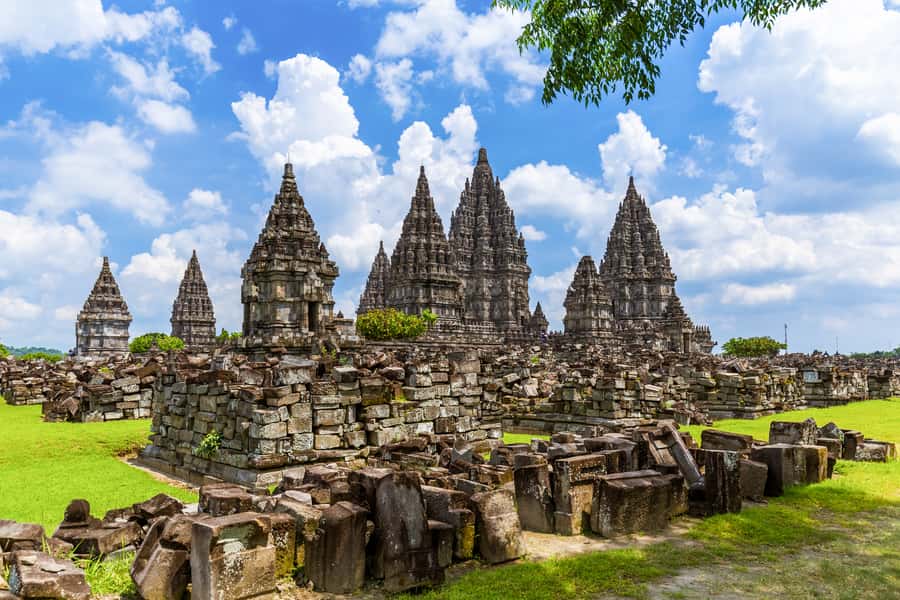
Prambanan’s dedication to the Trimurti is the key that unlocks the temple. Brahma, Vishnu, and Shiva aren’t just names on a label; they’re the logic behind the religious identity of the complex. When your guide explains how worship and storytelling show up in the architecture, you start to see connections that are easy to miss.
A strong guide will do three things well:
- Explain the gods in a way you can remember
- Point out how those ideas show up in what you’re seeing
- Tie the legends to the carved details you can physically locate
That last part matters. Temple carvings aren’t random decoration. They’re meant to communicate beliefs and stories. With a guide like Adit or Eddy (both praised for explaining religious and cultural aspects), you’ll be able to match what you hear to what you see instead of just collecting facts.
You’ll also get more context about the wider religious world in Indonesia—how Hindu traditions are discussed alongside Buddhism in the region. Some guides specifically explain the connections and contrasts between Hindu and Buddhist religious concepts, which helps you understand why Java has such a dense concentration of major temple sites.
And since Prambanan is UNESCO-listed, you’re not only looking at a place of worship. You’re looking at heritage designed and preserved across centuries. Knowing the Trimurti story helps you see why the compound’s scale and structure were important to the people who built it in the 9th century.
How guides shape the experience: jokes, explanations, and photo angles that actually work
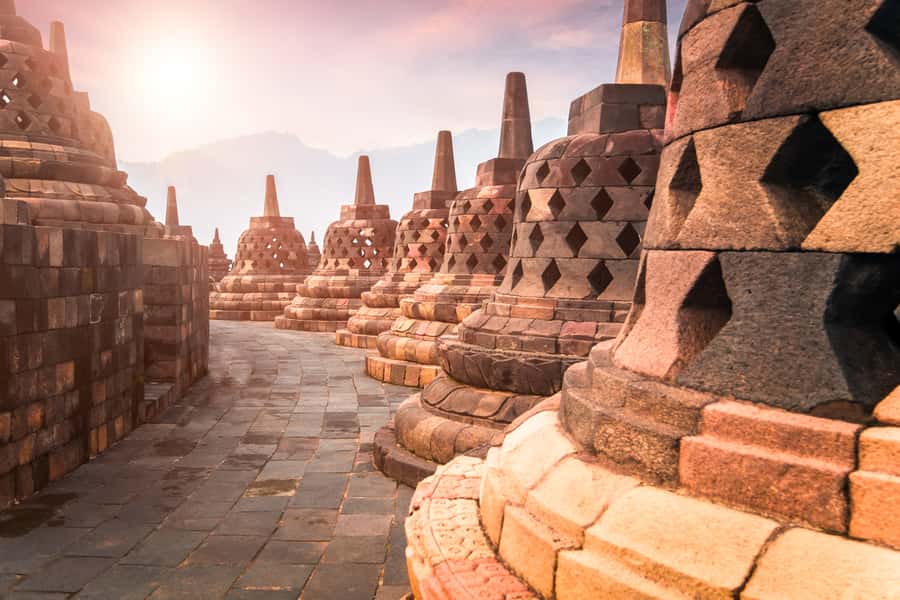
This tour stands or falls on the guide quality because you’re not just walking. You’re learning how to read the temple.
Many of the guides on these tours earn high marks for being able to explain the temple’s history and folklore clearly in English. Some guides were described as funny and engaging (not just lecture-style), while others focused heavily on the religious meaning behind the gods and temple design. You’ll see names come up often—Haidar and Adit are two examples. It’s also common to hear praise for how guides stay patient while you look slowly or ask questions.
Photos are another area where a good guide adds value. A few passengers mentioned guides and even drivers helping with picture composition, including finding good angles at the temple. That’s especially useful at Prambanan because the best shots depend on where you stand relative to the main spires and the layered structures in the background.
If you’re traveling with family, the small group setup helps here too. It’s easier to coordinate where everyone stands and when you move to the next viewpoint. And if you’re the one who likes to step back and take in the whole scene, your guide can adjust without feeling like you’re slowing everyone down.
One extra note: besides your guide, there are also local licensed guides you can hire at the temple for an added fee. One passenger mentioned an optional local guide service for about 150 IDR (the figure was stated, though you should expect a local fee structure). If you want a deeper explanation while you’re standing in front of specific stones, this can be a useful add-on. If you’re happy with your main guide’s explanations, you can skip it.






Price and logistics: what $35 really covers at Prambanan
Let’s talk about value without the math drama. The tour is listed at $35 per person and lasts about 4 hours. What you’re paying for includes hotel pickup and drop-off, an English live guide, and air-conditioned transportation.
What’s not included is the big variable: the Prambanan entry fee, listed at 25 USD or 375,000 IDR per person. That means your real budget depends on the currency you pay with and the day you visit. You pay the entry fee on the day of the tour, with cash or cards accepted.
So is it worth it? For most people, yes—especially if you value a guide for interpretation and you don’t want to plan transport and ticket timing yourself. The entry fee is a separate line item because it goes directly to the site, and the tour fee is focused on making your visit smooth.
Also, the tour can pair well with other big-ticket temples in the region. If you’re planning a longer Central Java route, Prambanan afternoon is often done the same day as a Borobudur sunrise or another half-day Borobudur option. If you’re trying to see both major temples efficiently, this kind of guided half-day helps you avoid losing time to logistics.
A final practical tip: pack water and plan for snacks if food isn’t included for you. The tour listing says food and drinks aren’t included. You’ll be happier if you treat this like a temple outing, not a casual stroll.
Pairing Prambanan with Borobudur: build a two-temple day smart
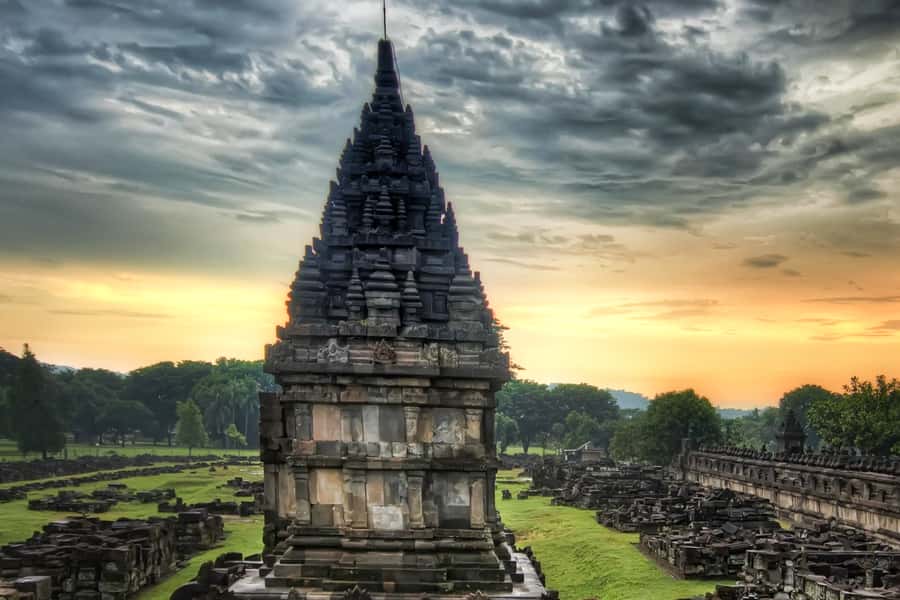
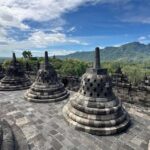
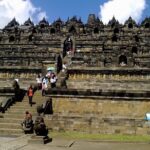
Prambanan and Borobudur are the classic pairing in Yogyakarta. The timing matters. This afternoon tour format works nicely because Borobudur sunrise (or a half-day Borobudur option) can happen earlier, leaving Prambanan for later.
If you’re trying to do both in the same trip, think about ticket efficiency. One driver recommended buying a combination ticket for Prambanan and Borobudur to save time for the next day. That’s useful advice if you want to keep your schedule tight and reduce time spent dealing with ticket logistics on-site.
There’s also a comfort angle. Doing Borobudur first and Prambanan second means you can spread out the temple walking. You still get plenty of time in temple compounds, but you’re less likely to hit burnout compared with doing both at the same time of day under peak heat.
If you’re the type who likes to end your day on a high note, Prambanan’s afternoon lighting gives you that. After the sun shifts, the main structures take on a different look, and your guide’s explanations can feel even more impactful once the setting changes.
Who should book this Prambanan afternoon tour
This tour fits best if you want:
- A guided visit that explains the temple’s religious symbols and folklore
- A manageable time window (about 4 hours)
- Door-to-door convenience from Yogyakarta
- A small-group pace instead of a fast shuffle through big sights
It’s a strong pick for first-timers to Prambanan, especially if it’s your main temple stop. It’s also a good choice if you’re combining with Borobudur the same day and you’d rather let someone else handle transport and routing.
Who might not love it? If you prefer total freedom—wandering without structure, staying longer in one spot, or skipping guides entirely—you might feel constrained by the planned length. Also, because the entry fee and your own food/drink aren’t included, you’ll want to budget for those extras so there are no surprises.
If you have mobility concerns, plan around stairs. The tour experience may still work, but you should be ready for steep steps and uneven walking. A guide who pays attention to your needs can make a big difference, and passengers have praised guides for assisting with getting up and down stairs.
Should you book the Yogyakarta Prambanan afternoon guided tour?
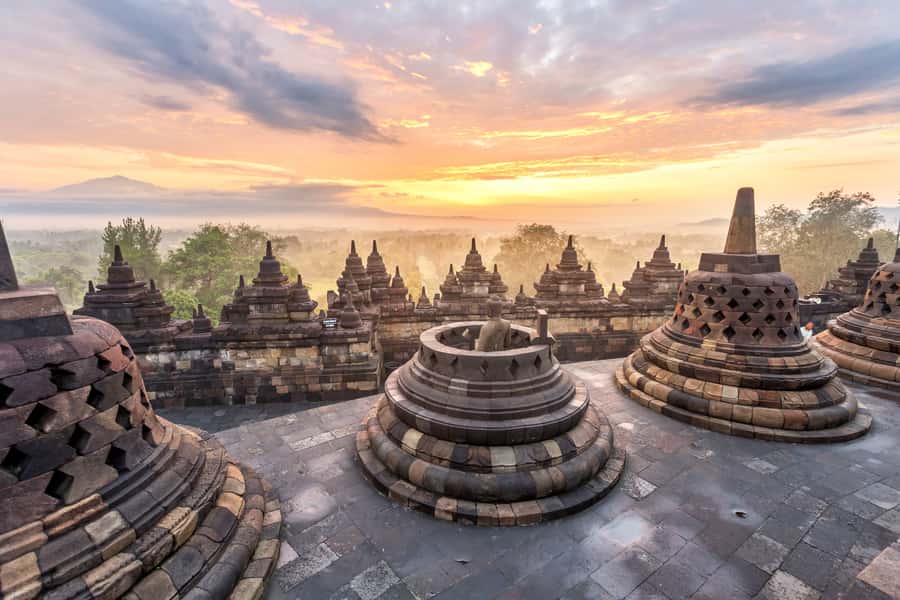
If you want a smooth afternoon at one of Indonesia’s most important Hindu temple complexes, this tour is a solid buy. The value is in the combination: guided interpretation, hotel pickup, and a small group size that keeps the visit from feeling like a conveyor belt.
Book it if you’ll appreciate explanations about the Trimurti, gods, and temple legends, and if you’re okay with paying the entry fee separately on the day. Skip it if you’re traveling ultra-budget with no interest in a guide, or if stairs and limited food options would stress you out too much.
Either way, do this with the right mindset: come ready to look closely. Prambanan rewards patience.
FAQ
What is included in the Prambanan Temple afternoon guided tour?
The tour includes hotel pickup and drop-off, an English live guide, and air-conditioned transportation.
What is not included in the tour price?
Entry fees and food and drinks are not included.
How much is the entry fee for Prambanan Temple?
The entry fee is listed as 25 USD or 375,000 IDR per person, and it’s payable on the day of the tour.
Where does the tour start and end?
You’ll be picked up from your hotel or accommodation in Yogyakarta and returned there after the visit.
How long is the tour?
The duration is 4 hours.
Is the tour guide available in English?
Yes, the live tour guide is listed as English.
What group size is this tour?
It’s a small group limited to 5 participants.
Can I cancel and get a full refund?
Yes. Free cancellation is available up to 24 hours in advance for a full refund.
Can I book now and pay later?
Yes. The activity is listed with reserve now & pay later, so you can book your spot and pay nothing today.