REVIEW · YOGYAKARTA
Yogyakarta; Sunrise from Borobudur Temple & Prambanan Guided
Book on GetYourGuide →Operated by Andi Tours Jogja, Bromo, Ijen, Bali · Bookable on GetYourGuide
Waking up for temples is always intense, but this day is extra special. You get limited 100/day sunrise access at Borobudur (reopened July 2025), then a guided pass through Borobudur and Prambanan with real cultural stories. The big drawback is simple: early hours and sunrise views depend on clouds, plus the sunrise option costs more.
After two UNESCO giants in one packed day, you’ll feel like you saw Java’s spiritual center from both Buddhist and Hindu angles. You also get the practical stuff covered—hotel pickup and drop-off, bottled water at stops, and upanat sandals at Borobudur—so you can spend your brain on photos and meaning, not logistics.
In This Review
- Key things that make this tour worth your time
- Borobudur Sunrise Reopened July 2025: Why the 100-Person Limit Changes Everything
- Hotel Pickup and the 10-Hour Rhythm: Built for Stress-Free Sightseeing
- What You Wear and Bring for Borobudur: Sandals, Sun, and the Rain Reality
- Borobudur From the Upper Levels: Photos, Reliefs, and a Guide Who Ties It Together
- Setumbu Hill as a Backup Plan for Sunrise Light
- Lunch at Borobudur Silver Resto: A Real Break Before Prambanan’s Big Stage
- Prambanan Temple: Trimurti, Ramayana Carvings, and Big Spires That Feel Real
- Price and Tickets: How to Choose the Option That Matches Your Budget
- The Staff Experience: Drivers Keep the Day Moving, Guides Make It Click
- Quick Decision Guide: Who This Tour Suits Best
- Should You Book This Borobudur Sunrise + Prambanan Guided Day?
- FAQ
- Is sunrise access at Borobudur limited?
- How long is the tour?
- Are entrance tickets included?
- What food is included?
- Is there any access restriction on Mondays?
- Are drones allowed?
Key things that make this tour worth your time
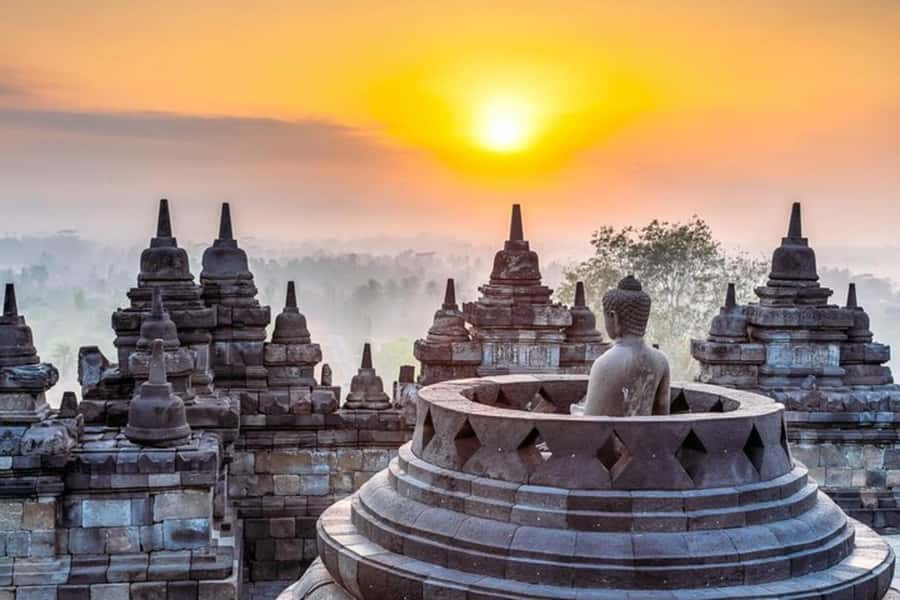
- Top-of-Borobudur sunrise access (100 visitors/day) after the reopening in July 2025
- Setumbu Hill photo stop to chase the light even if clouds roll in
- Upanat sandals + bottled water + tote bag, small comforts that remove friction
- Prambanan guide storytelling around Trimurti and Ramayana carvings
- Two-temple flow in one day with a smooth, comfy ride and clear timing
Borobudur Sunrise Reopened July 2025: Why the 100-Person Limit Changes Everything
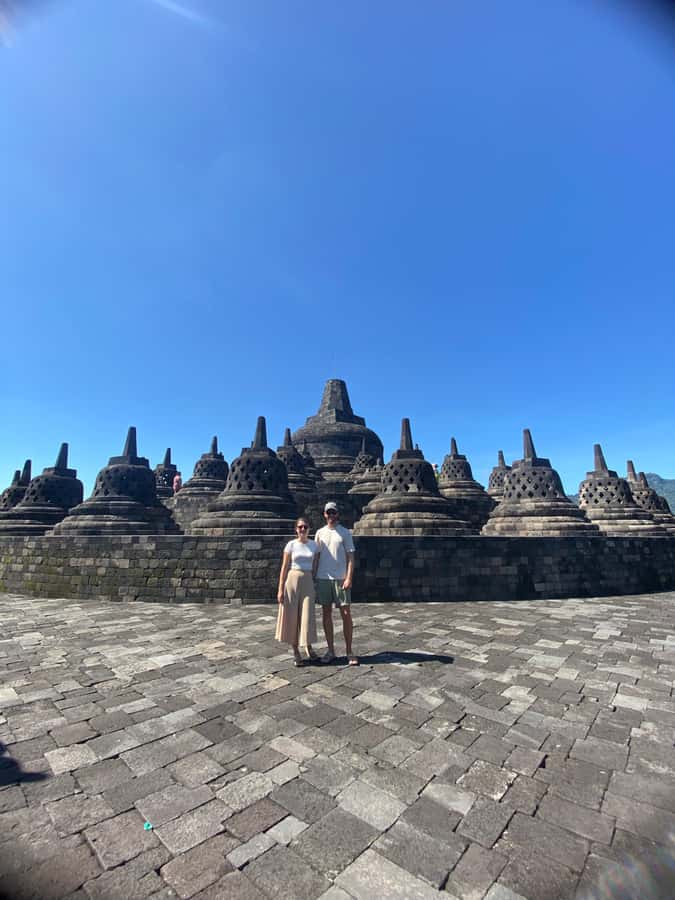
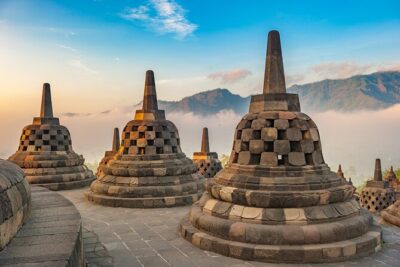
This is not just another early-morning temple visit. The Borobudur sunrise experience is back after being paused, and it reopened in July 2025 with limited access to just 100 people per day. That restriction matters because it shifts the mood from crowded spectacle to something quieter and more personal—more like you’re stepping into the temple’s intended rhythm than trying to squeeze past other cameras.
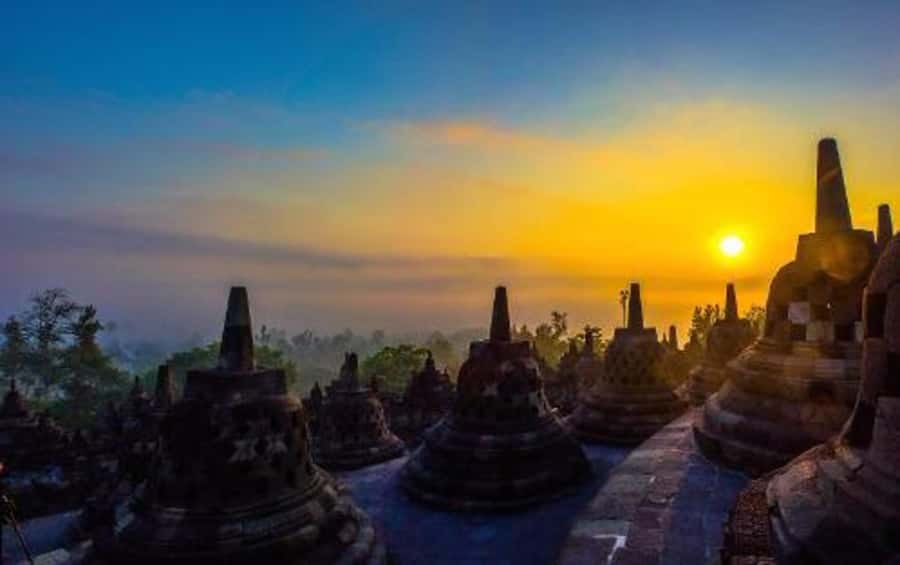
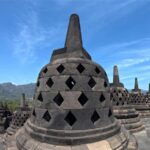
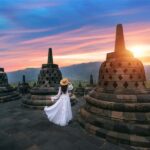
From the upper terraces, the aim is the same: sunrise light rising over the Kedu Valley. Expect mist, jungles, rice fields, and the silhouette of Mount Merapi when conditions cooperate. Even in bad weather, that early atmosphere can still feel moving; one guide day can turn rainy, and the morning becomes more about mood than orange skies.
If you hate waking up before your alarm has truly started, factor that in. You’re signing up for very early, plus the sunrise option is pricier than the standard temple ticket. But if you want Borobudur in the one time slot that’s designed for meaning, this is the version to choose.
You can also read our reviews of more guided tours in Yogyakarta



Hotel Pickup and the 10-Hour Rhythm: Built for Stress-Free Sightseeing
The day runs about 10 hours, and it’s designed around one big goal: getting you to both temples without transportation chaos. You get hotel pickup and drop-off from a long list of Yogyakarta locations (so you’re not stuck at some far meeting point), and you’ll ride with an English-speaking driver.
This kind of schedule is ideal if:
- you don’t want to negotiate transport at 3–4 a.m.
- you’d rather show up on time than gamble on traffic, timing, or app taxis
- you want guides to do the explaining so you can actually look at the carvings
Your practical win: bottled water is included at temple stops, and parking fees are covered. That sounds small, but it’s the difference between a smooth day and an endless series of little side payments and delays.
One caution: keep your phone accessible for WhatsApp updates and follow the driver’s instructions on where to wait at your lobby or main entrance. Early starts are when confusion is most expensive—in time and patience.
What You Wear and Bring for Borobudur: Sandals, Sun, and the Rain Reality
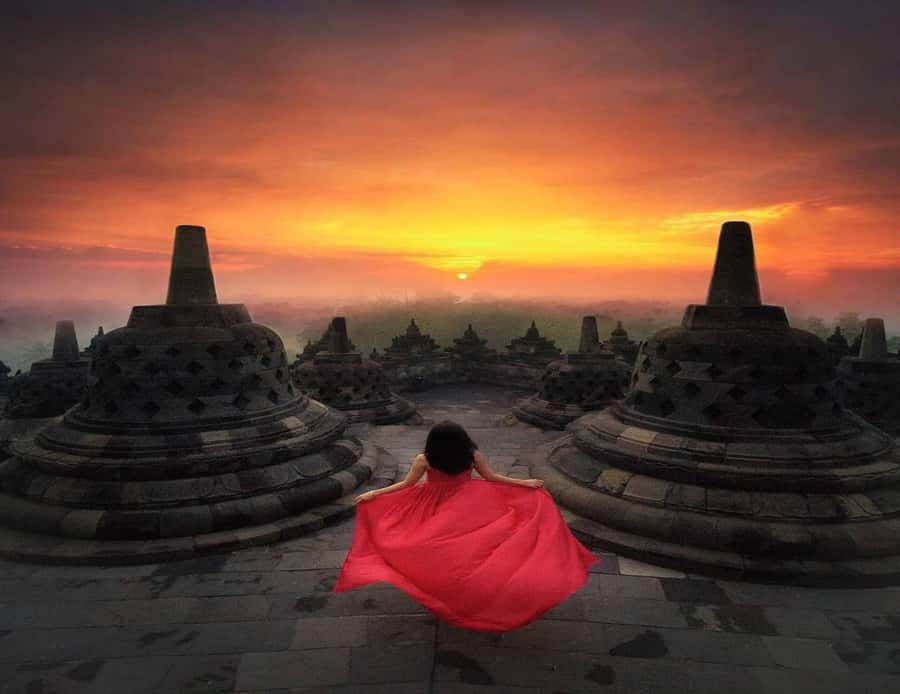
Borobudur is a stone complex with stairs, uneven footing, and early-morning chill that can turn into strong sun fast. This tour helps you get through it with traditional upanat sandals provided at Borobudur. That’s a real benefit because it means you can focus on comfortable shoes and grip, instead of worrying about temple footwear rules.
Bring the stuff they explicitly suggest:
- sun hat and sunglasses
- sunscreen (they even call out biodegradable sunscreen)
- camera and outdoor clothing
- cash (useful for any ticket option differences and small purchases)
Also: drones aren’t allowed. So if your drone dreams are alive, park them for another day.
Weather matters here. In the rainy season, sunrise may hide behind clouds. That doesn’t ruin the day—it just changes the payoff. Think misty terraces, dramatic light breaks, and photos that look more moody than golden. If you’re okay with that, you’ll enjoy it.
Borobudur From the Upper Levels: Photos, Reliefs, and a Guide Who Ties It Together
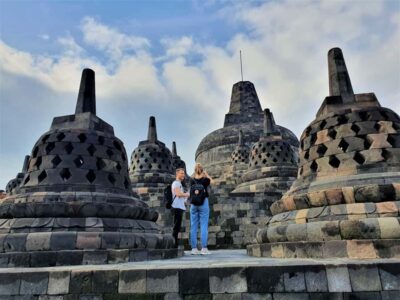
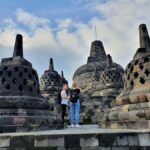
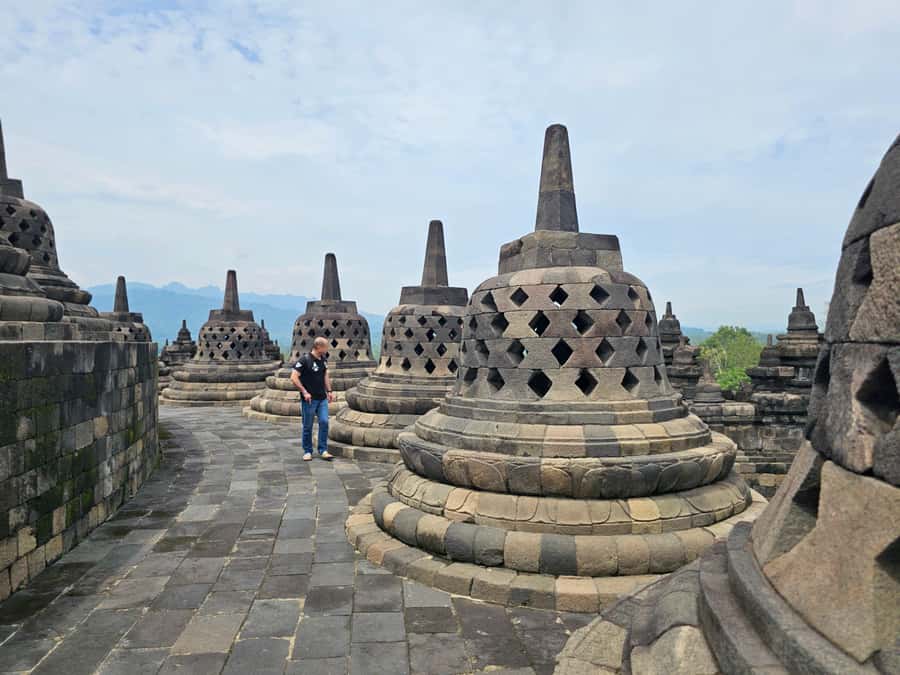
Your first temple time is built around sunrise and guided exploration. You’ll start at Borobudur before dawn, and the route aims to put you in position to watch light move across the structure. The big deal is the access rules: the sunrise experience is limited, and it’s timed so the crowd energy stays low.
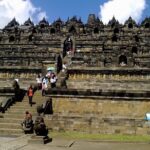
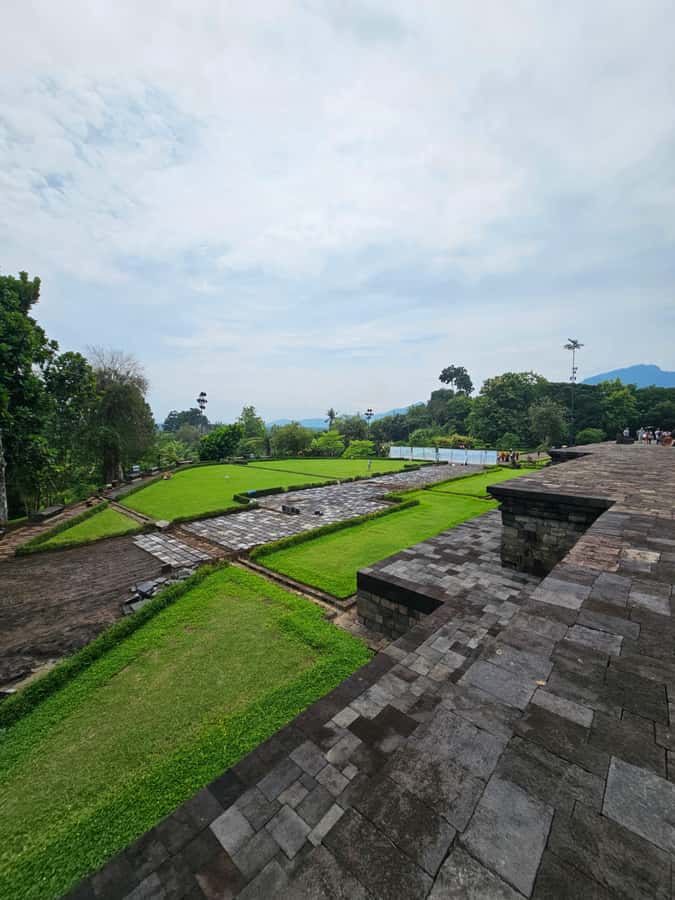
Once the morning settles, you’ll transition from “watch the sky” to “read the stone.” Borobudur isn’t just a pile of stupas—it’s a walk through Buddhist symbolism, built with geometry and reliefs that reward attention. A good guide helps you see patterns, not just pictures.
The most common praise you’ll see tied to this kind of tour: guides who make carvings make sense. The tour is set up so you get that context, not just a free roam.
Practical bonus: after sunrise, you’ll enjoy a local Javanese breakfast with a view of Borobudur. That matters more than it sounds. Food + temple sightlines turns a cold wait into a comfortable reset, and it keeps you from rushing straight into the next leg.
Setumbu Hill as a Backup Plan for Sunrise Light
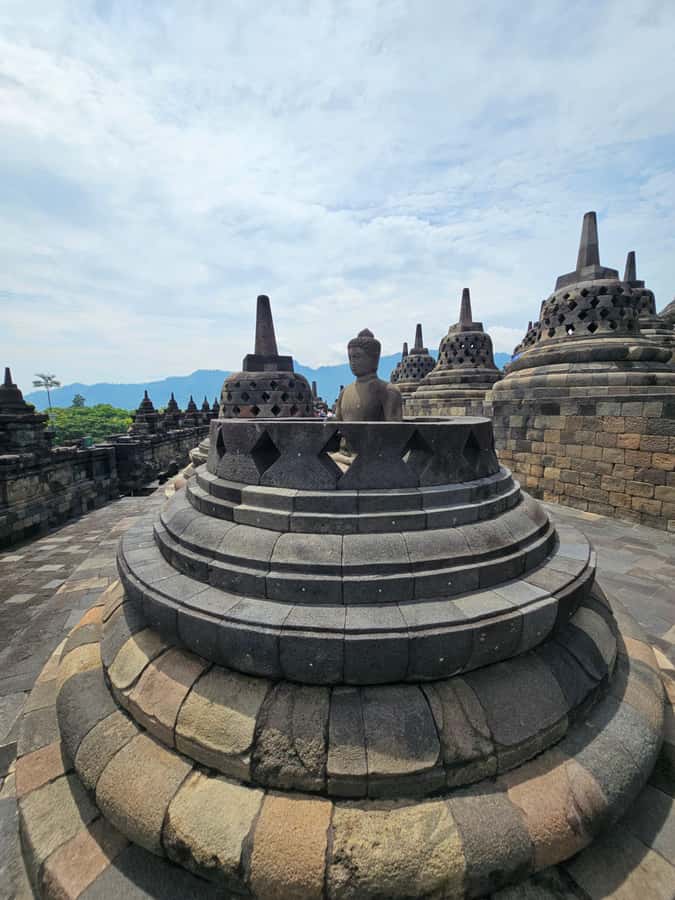
After Borobudur, you’ll head to Setumbu Hill for photos and another quick guided window (with time for a walk). Setumbu is popular because it gives you another viewpoint when light conditions vary—especially useful when clouds soften or block the exact sunrise you hoped for at Borobudur.
Here’s the thinking: sunrise photos are a weather lottery. Setumbu is how the tour reduces the chance you feel totally robbed by the sky. If the sunrise is underwhelming, Setumbu can still give you misty depth and dramatic temple-area scenery.
Also, it’s a good stretch moment after climbing and early waiting. You’ll get a bit of movement (and some breathing room) before the day switches from Buddhist morning into Hindu afternoon.
You can also read our reviews of more tours and experiences in Yogyakarta


Lunch at Borobudur Silver Resto: A Real Break Before Prambanan’s Big Stage
Between temples, the schedule includes lunch at Borobudur Silver Resto (about 1.5 hours). The tour doesn’t list lunch as an included meal in the same way breakfast is, so treat this as a proper stop that you’ll pay for as needed, with time to sit down and refuel.
Why this stop matters: Prambanan takes energy. By the time you arrive, the sun is often stronger, and you’ll want your legs ready for courtyards and walking paths. A real lunch break keeps you from becoming that person who powers through Prambanan with a headache and a grumble.
If you’re the kind of traveler who needs food to stay cheerful, plan to eat earlier rather than later. You’re on a guided day, so you’ll have less flexibility than a DIY route.
Prambanan Temple: Trimurti, Ramayana Carvings, and Big Spires That Feel Real
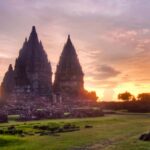
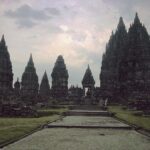
Then comes Prambanan, the biggest Hindu temple complex in Indonesia and another UNESCO heavyweight. Your visit includes a guided tour (about 2 hours), focused on the main temples dedicated to the Hindu Trimurti: Shiva, Vishnu, and Brahma.
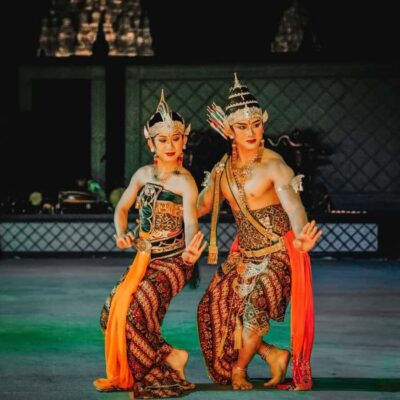
Prambanan works best when you understand what you’re looking at. Otherwise it’s easy to turn it into a photo checklist. With a guide, the carvings and architecture connect to the stories they were built to express—especially Ramayana legends, which are carved into the temple walls.
This part is where the tour really earns its value if you enjoy story-based history. One common pattern from the guide style you’ll likely encounter here: explanations with humor and clear structure, so you leave with more than angles and silhouettes.
One practical note: climbing and access can be affected by maintenance on certain days. The tour info says climbing access is closed on Mondays for temple maintenance. So if you’re visiting Monday and your priority is climbing or upper-level time, check the exact access you’re getting when you book.
Price and Tickets: How to Choose the Option That Matches Your Budget
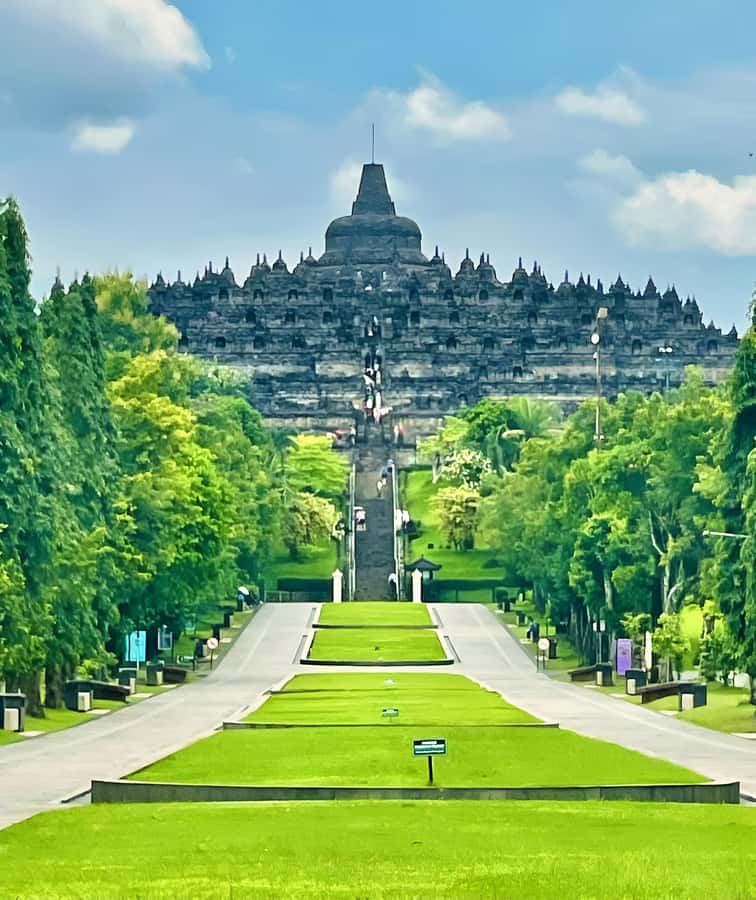
The headline price listed is $22 per person, but this tour has ticket options that can change what you actually pay for on top of the base booking.
Here’s the clean way to think about it:
- If you select Tickets Included, the entrance tickets for Borobudur sunrise and Prambanan are included.
- If you select Tickets Excluded, entrance tickets are not included and you pay separately (directly to the driver) on the day of the tour.
For non-sunrise temple access, the info states tickets can be paid as IDR 950,000 per person to the driver. For the Borobudur sunrise option, the sunrise access is listed at IDR 1,500,000 per person, with the same limited 100-visitor/day concept.
So is it good value? Yes—if you care about the sunrise access. That top-of-temple opening is the rare part. The rest of the day (guided Borobudur + Prambanan + transport) is solid, but the sunrise restriction is the reason this trip costs more than a standard temple day.
If your goal is just to see both UNESCO sites without the early climb, the non-sunrise version can feel more budget-friendly. If your goal is to experience Borobudur at its quietest and most cinematic time, the sunrise option is the money-maker.
One more thing: one guide-led tip echoed by the tour vibe is that sunrise worthiness isn’t only about a perfect sunball. It’s also about the mist + silence + limited access—and those can still happen even when the sky refuses to cooperate.
The Staff Experience: Drivers Keep the Day Moving, Guides Make It Click
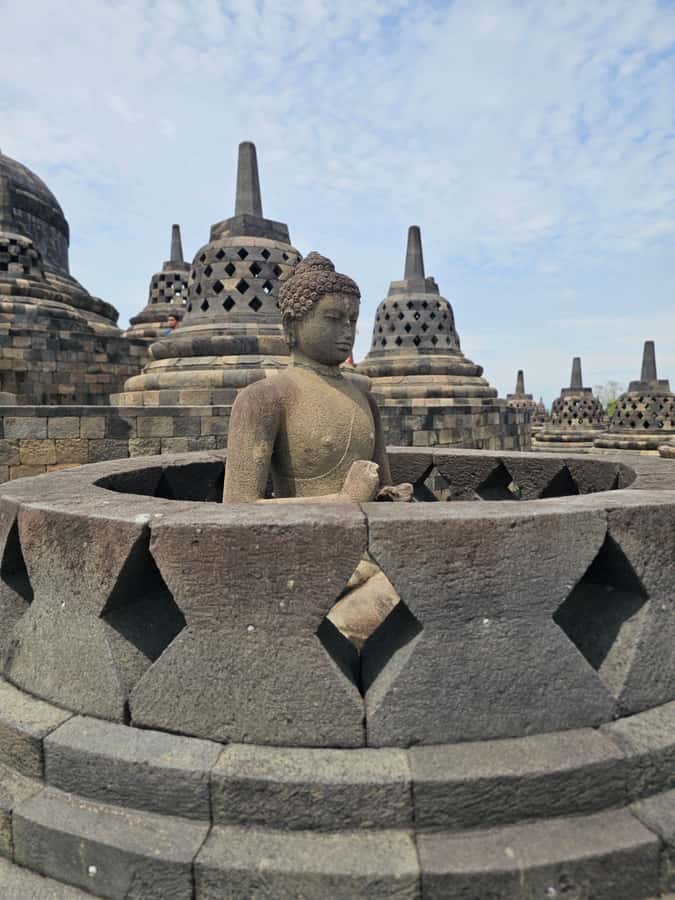
A strong theme in how this tour feels in practice: the driver handles the flow and the temple guides handle the meaning.
The driver is the person who keeps timing tight across sunrise logistics, Setumbu, lunch, and Prambanan. Many recent experiences highlight drivers like Sulis and Adit for being on-time and easy to communicate with in good English. You also get bottled water and the “where do we stand and when” guidance that prevents wandering at the wrong moment.
At Prambanan, a guide name that comes up often is Ricco/Rico, praised for mixing humor with real explanations—so the stories don’t feel like a lecture.
You can’t always predict which exact guide you’ll get, but the tour is built to pair you with an English-speaking driver plus licensed temple guiding at both sites. That combo is what turns “two monuments” into “a day that makes sense.”
Quick Decision Guide: Who This Tour Suits Best
This is a great match for you if:
- you want sunrise at Borobudur with limited access
- you prefer guided explanation over reading placards in the heat
- you want transport taken care of (hotel pickup/drop-off)
- you’re a photography fan and like chasing better viewpoints (Borobudur + Setumbu)
It may be less ideal if:
- you hate very early starts and waiting in cold or rain
- you only want a quick look and don’t care about symbolism or carvings
- you’re visiting on Monday and climbing/access is essential to your plan
Should You Book This Borobudur Sunrise + Prambanan Guided Day?
Book it if Borobudur sunrise is on your Java must-do list and you want the restricted top access experience that re-opened in July 2025. The value is strongest when you care about timing, fewer people, and guided storytelling—plus you get comfort touches like upanat sandals, bottled water, and pickup/drop-off that keep the morning from feeling like a mission.
Skip (or choose a non-sunrise option) if sunrise is a nice-to-have and you’d rather spend that money on flexible downtime. With any luck, you’ll see sunrise light. With less luck, you’ll still see Borobudur in a calm, misty early mood—and Prambanan is impressive enough to carry the day either way.
If you want maximum flexibility, the tour offers free cancellation up to 24 hours in advance and includes a reserve now, pay later option.
FAQ
Is sunrise access at Borobudur limited?
Yes. The sunrise experience at the top of Borobudur is limited to 100 visitors per day, and it reopened in July 2025.
How long is the tour?
The duration is 10 hours.
Are entrance tickets included?
It depends on your booking option. With Tickets Included, entrance tickets are covered. With Tickets Excluded, you pay entrance fees separately to the driver on the day of the tour.
What food is included?
The tour includes local Javanese breakfast if you selected the Borobudur sunrise option. Lunch is scheduled as a stop, but meals and personal expenses are listed as not included.
Is there any access restriction on Mondays?
Yes. The information says climbing access is closed on Mondays for temple maintenance.
Are drones allowed?
No. Drones are not allowed on this tour.