REVIEW · YOGYAKARTA
Yogyakarta: Silver Jewelry-Making Course
Book on GetYourGuide →Operated by Jogja Borobudur Tour & Travel · Bookable on GetYourGuide
Silver turning to art in two calm hours. I love how the workshop gives patient hands-on help even if you feel a bit clumsy with tools, and I also love that you leave with silver jewelry you actually made. One heads-up: the class is scheduled for 2 hours, so if you’re hoping to personally control every micro-step, you may feel a little rushed during the early stage.
This is a small, indoor session in Yogyakarta with an English-speaking instructor and a local silversmith guiding you throughout. The vibe is relaxed and creative, but it’s also genuinely skilled work—one person even noted the chemistry side of the process. And if you’re lucky, you’ll get a guide like Thia or Nanang, both mentioned by name in standout experiences.
In This Review
- Key takeaways before you go
- Arriving at HS Silver Gallery: what you’ll see and why it matters
- Small group + English guidance: getting real help, not a lecture
- What you create: rings, earrings, and pendants you can wear
- The silver-making process: what you do vs. what the pros handle
- Watching master silversmiths: the “how” behind the shine
- Time and pacing: plan for 2 hours, but stay relaxed
- Snacks, drinks, and the tone of the room
- Value check: is $25 for silver jewelry making in Yogyakarta a good deal?
- Tips to get the best result (without stressing yourself out)
- Who should book this class—and who might skip it
- Should you book the Yogyakarta silver jewelry course at HS Silver Gallery?
- FAQ
- Where is the meeting point for the course?
- How long does the Yogyakarta silver jewelry making course take?
- Is the workshop held indoors?
- Is an English instructor provided?
- Do I need any prior experience to participate?
- What group size is this experience?
- What’s included in the price?
- Can I cancel, and do I get a refund?
- Is there a reserve-now, pay-later option?
Key takeaways before you go
- Small group (max 5 people) keeps the attention on you, not the clock
- English instruction makes the multi-step process easier to follow
- You choose what to make (patterns + jewelry type), and the options can vary by day
- You do the key hands-on work, and the team helps finish so you take home a complete piece
- Indoor, relaxing session with snack and drink included
- HS Silver Gallery is more than a storefront; you can admire fine silver collections after you create yours
Arriving at HS Silver Gallery: what you’ll see and why it matters
Your session meets at HS Silver Gallery, and that location is part of the point. You’re not just hopping into a random craft room—you’re walking into a space built around silver work, with examples and displays that help you understand the end goal.
Because the workshop is indoors, it’s a good Yogyakarta option when weather gets unpredictable or when you don’t want another outdoor stop. Indoors also means the tools, lighting, and process are set for close work, so you’ll spend your time learning and shaping rather than constantly adjusting to the environment.
One practical tip: arrive a few minutes early so you can settle in, look around briefly, and get oriented before tools come out. That little buffer helps if you’re the type who overthinks first steps.
You can also read our reviews of more tours and experiences in Yogyakarta.



Small group + English guidance: getting real help, not a lecture
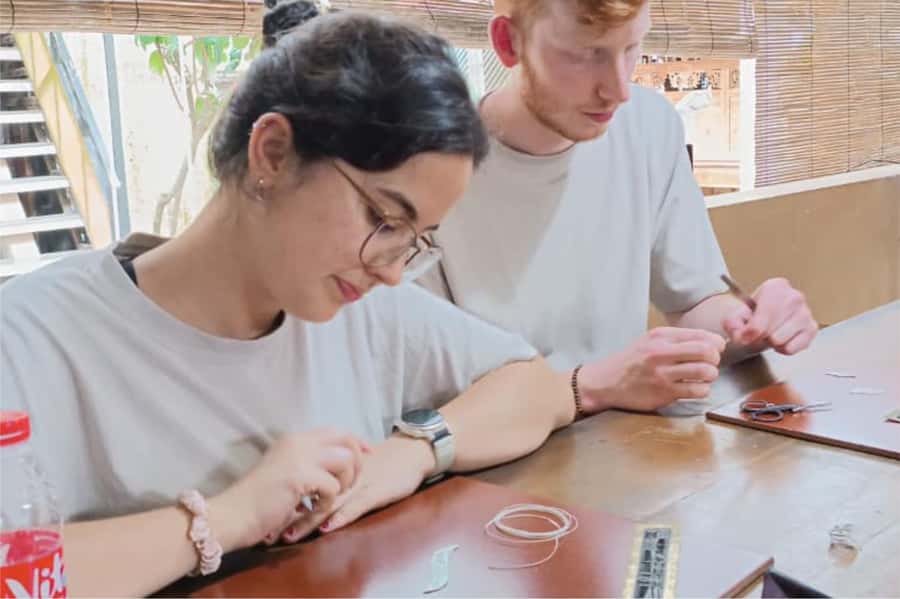
This class is limited to 5 participants, and that size shows in how the guidance feels. You’re not stuck watching someone else do the steps while you only do one tiny action. Multiple experiences describe individual assistance, especially at the beginning when you’re setting up your design or getting your first technique to feel natural.
The workshops are run in English, which matters more than it sounds. Jewelry-making has a lot of practical terms and small cause-and-effect moments. When you can ask questions and hear explanations clearly, the whole process clicks faster—and you waste less time guessing.
I also like that the instruction isn’t cold or robotic. In the best accounts, the atmosphere comes across as friendly and attentive, with instructors like Thia and silversmith Nanang specifically praised for clarity, patience, and flexibility. If you come in worried you’ll be bad at crafts, this is the kind of class that tends to disarm that anxiety.
What you create: rings, earrings, and pendants you can wear
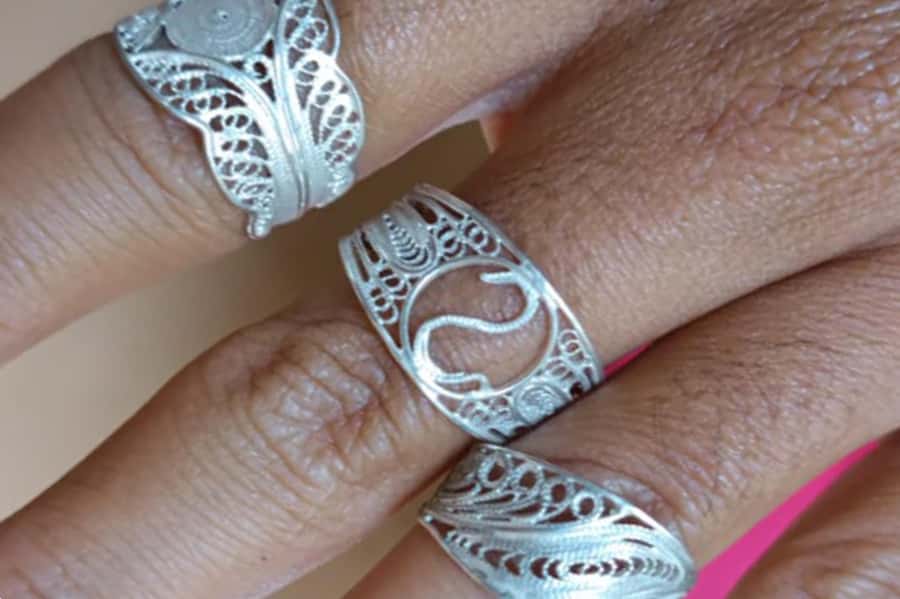
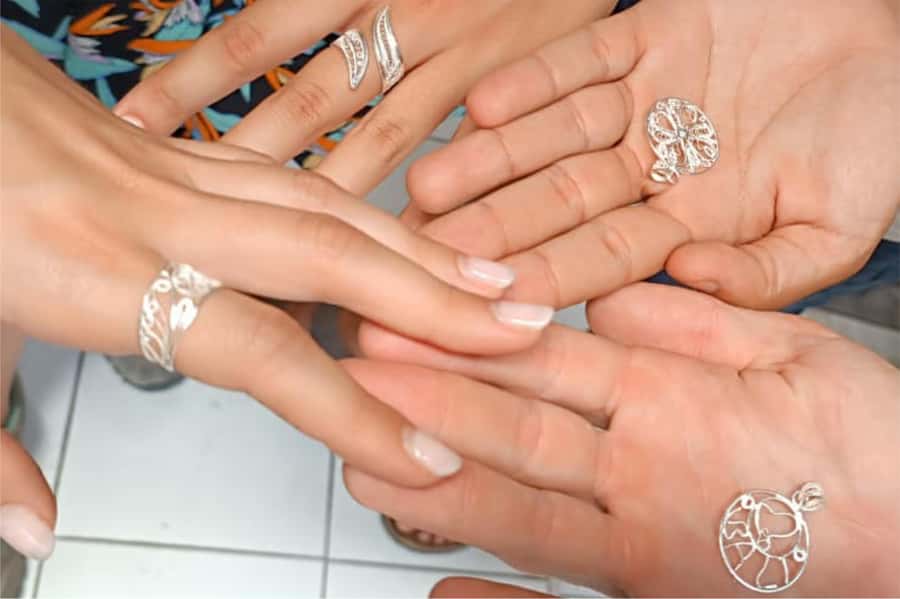
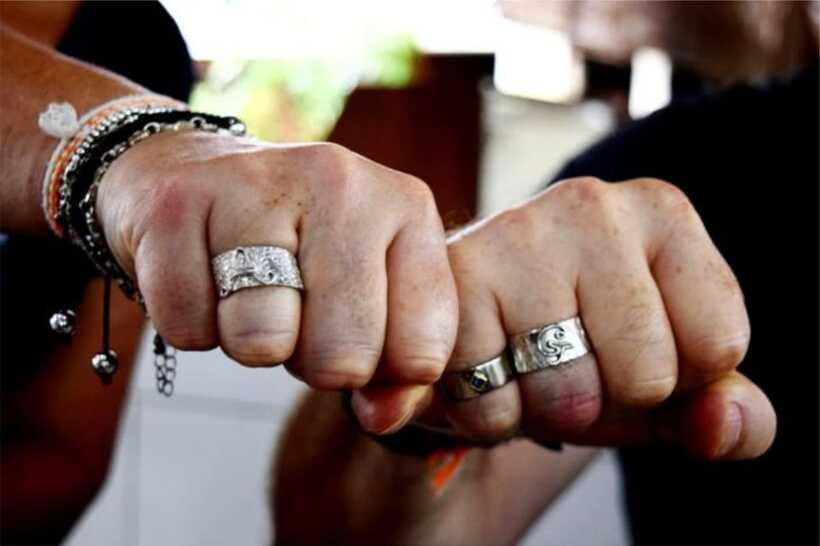
You’ll create your own silver jewelry piece and bring it home. In practice, you may be working toward a ring, earrings, or a pendant, depending on what’s available during your session.
What’s especially valuable here is the freedom to choose. Several experiences highlight picking patterns and deciding what jewelry style they wanted. One person even mentioned daily variation between making something like a pendant or a ring, which suggests the workshop adapts to what they’re teaching that day.
You should also know that silver work at this quality is fine and detailed. That’s not a bad thing—it’s part of why the workshop feels rewarding. But if you’re expecting chunky, fast, beginner-friendly jewelry, temper that expectation. The designs can be delicate, and even when you’re guided step by step, the time still needs respect.
The silver-making process: what you do vs. what the pros handle
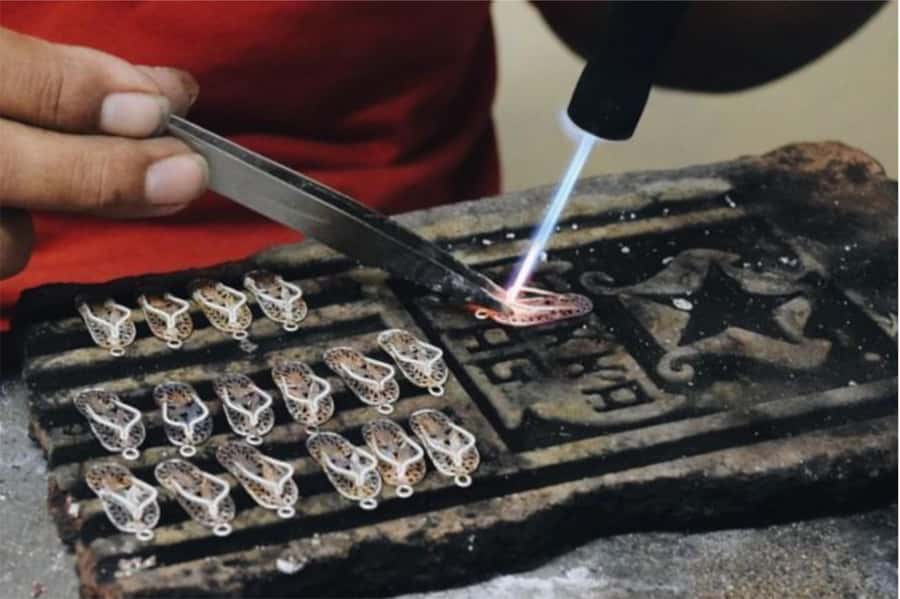
The class is built around a traditional multi-step process, taught by professional artists. You get materials and guidance, and you work on your own piece from the initial setup onward.
A few practical things the experience seems to do well:
- You get help with the first steps so your design setup doesn’t stall you.
- Even if a step is tricky, the workshop aims to keep you moving toward a finished result.
- You’ll still get to learn the overall process, not just repeat a single motion.
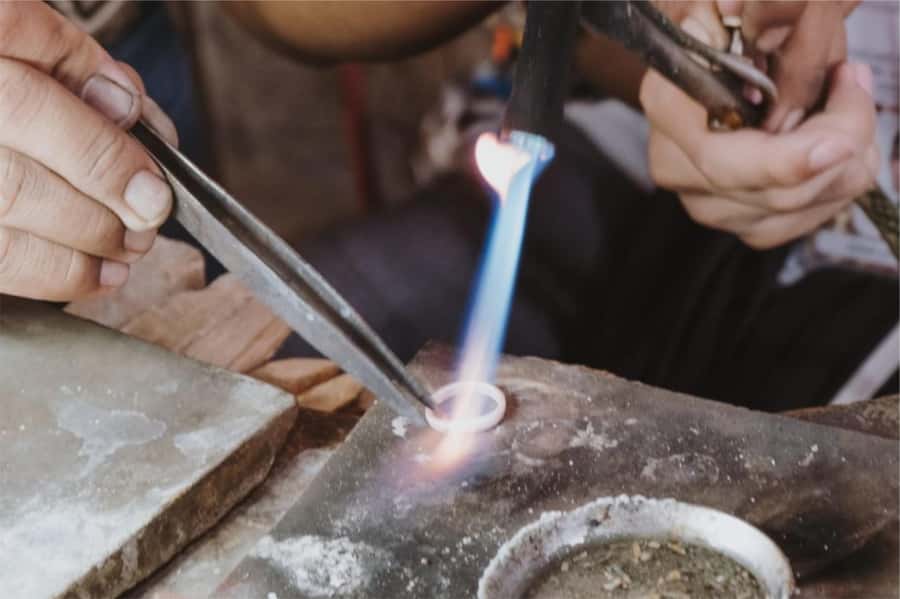
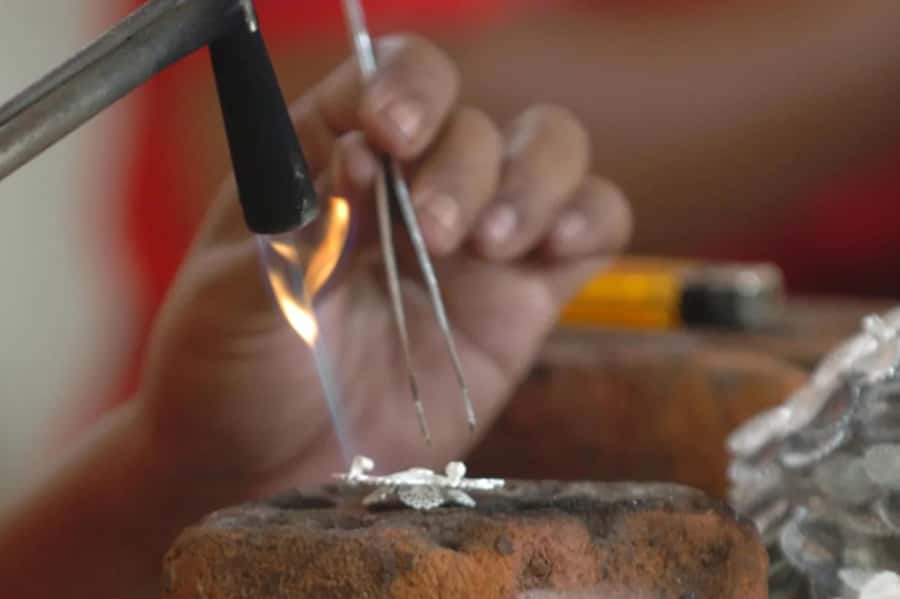
Some experiences describe that you handle an important hands-on component—like shaping thin silver wire into your chosen pattern—while the team demonstrates or completes other steps. That setup isn’t a cop-out. For many people, it’s the difference between leaving with something impressive and leaving with something you started but never quite finished.
One review also pointed out the chemistry involved, which tells me the workshop doesn’t treat the process as random art tricks. There’s real cause-and-effect in what happens to the metal as it’s processed, and you’ll get a sense of why steps matter.
Watching master silversmiths: the “how” behind the shine
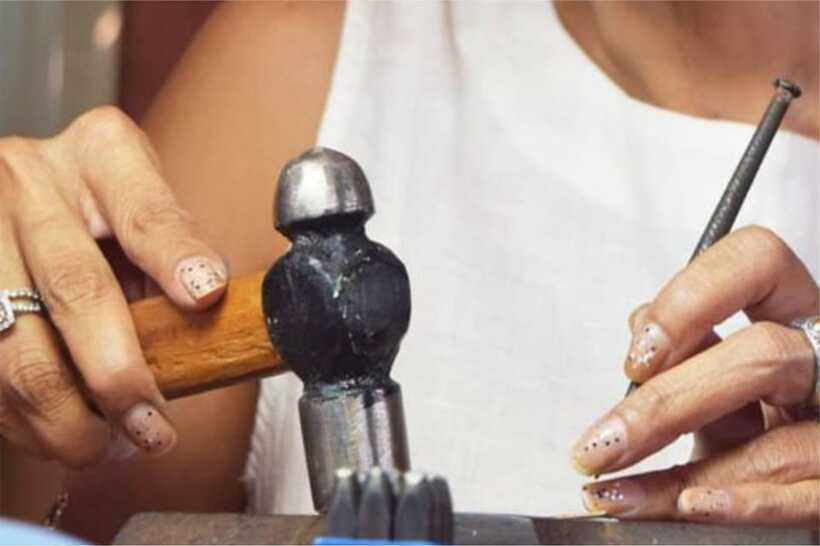
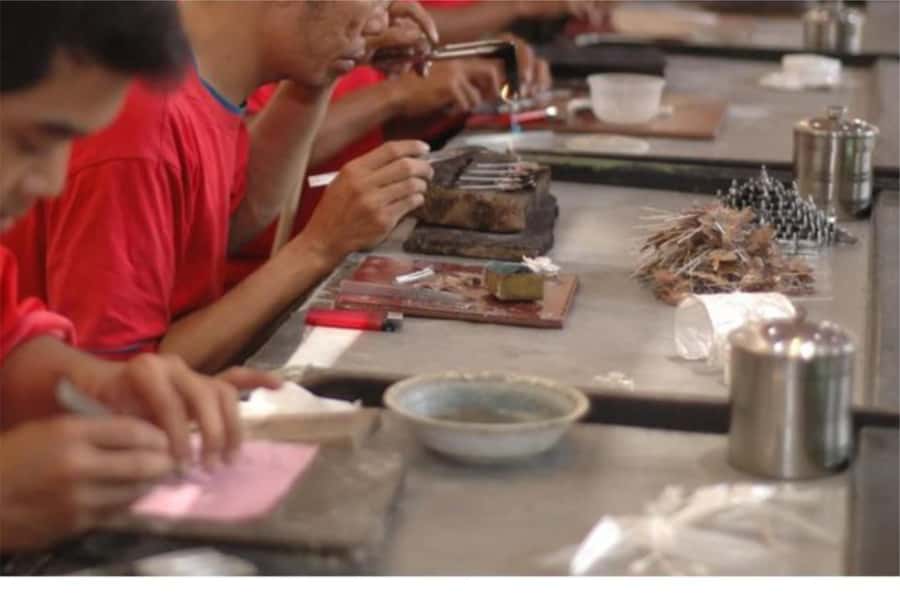
A standout part of this experience is what happens alongside your own work: you can watch experienced artists create detailed pieces. One review specifically mentioned artists with 30–40 years of experience, and that long background shows in their pace and precision.
This is where the workshop becomes more than a hands-on craft. You see how technique turns into consistent results. Even if you’re only doing one part of your piece, watching the pros handle the rest helps you understand what “good” looks like—and why fine jewelry takes time.
After you create your piece, you’ll also be able to admire unique silver collections from the gallery. That’s a smart pairing: you learn while you work, then you get context by seeing finished pieces up close. It also makes the take-home jewelry feel like part of a broader tradition rather than a souvenir-by-the-clock.






Time and pacing: plan for 2 hours, but stay relaxed
Duration is listed as 2 hours, and that’s what you should expect on the schedule. Still, a couple of experiences suggest the activity can run closer to three hours depending on the day and how things go during the process.
So here’s how I’d handle it: treat this as a relaxed studio session, not a “slot perfectly between trains” event. If you’re trying to stack it tightly with other tours, leave some breathing room before and after. It’s an indoor craft class, but it’s still detailed work, and fine steps take the time they take.
Also, one review described feeling rushed during the first step of design setup. That’s normal. The good news is that the team’s assistance is built in—so if you feel behind, ask early. Don’t wait until you’re stuck.
Snacks, drinks, and the tone of the room
You get snack and drink, which sounds small, but it helps keep the session comfortable. Craft workshops can run hands-on longer than people expect, and having a little food and water on board keeps your focus steady.
The tone also matters. Reviews repeatedly mention a friendly, therapeutic feel—less “classroom pressure,” more “do your best with support.” If you like creative activities where you can slow down, this fits that mood well.
Value check: is $25 for silver jewelry making in Yogyakarta a good deal?
At $25 per person for a small-group, guided class that includes materials and a take-home piece, this is strong value—especially compared to simply buying a souvenir jewelry item at market prices.
Here’s why it feels worth it:
- You get instruction from a local expert, not a generic demo.
- You’re provided materials, so you’re not covering tool costs.
- You leave with something wearable you designed, which is hard to match for the same price category.
- The workshop also gives you time in a silver-focused environment, so the experience has depth even if you’re not a jewelry person.
Two factors to keep in mind for your own value math:
- The class is beginner-friendly, so you won’t necessarily be doing every complex step at a professional level yourself.
- The final result is supported by the team so you can finish within the session timing.
For most people, that trade-off is exactly what you want. You’re paying for a guided outcome, not for a difficult trial-by-fire.
Tips to get the best result (without stressing yourself out)
You don’t need experience to join, but you’ll make the most of it if you show up ready to choose quickly and ask questions early.
Here are a few practical moves I’d recommend:
- Pick your jewelry style early (ring, earrings, pendant) so your time stays calm.
- If you’re unsure about a pattern, ask your instructor to walk through what it will look like on the finished piece.
- When you hit a tricky step, speak up right away. The workshop is designed to help you move forward.
- Expect fine detail. If you’re hoping for “big and simple,” choose a design that feels manageable.
Who should book this class—and who might skip it
This experience is a great fit if you want a hands-on Yogyakarta activity that feels creative, cultural, and rewarding. It also works well for:
- Couples or friends who want something different from sightseeing
- Solo travelers who like learning with guidance
- People who enjoy crafts but want the reassurance of help
- Rainy-day planning since it’s indoors
You might consider skipping or adjusting expectations if:
- You’re looking for a long, studio-style course where you personally control every technical step with no assistance
- You’re very tight on timing and can’t handle a possible run a bit long on the clock
- You only want to watch, not participate (this is designed for you to make your own piece)
Should you book the Yogyakarta silver jewelry course at HS Silver Gallery?
If you want a small-group, guided craft experience where you actually go home with a piece you made, I think this is an easy yes. The combination of patient help, English guidance, and the shop-gallery atmosphere makes it more than a quick demo.
Book it especially if you’re the type who enjoys learning how things are made, not just taking photos. And if you’re worried about being a beginner, that worry is exactly what the workshop support is built to handle.
FAQ
Where is the meeting point for the course?
You meet at the HS Silver Gallery.
How long does the Yogyakarta silver jewelry making course take?
The duration is listed as 2 hours.
Is the workshop held indoors?
Yes, the activity is indoors.
Is an English instructor provided?
Yes, the instructor speaks English.
Do I need any prior experience to participate?
No experience is needed.
What group size is this experience?
It’s a small group limited to 5 participants.
What’s included in the price?
The price includes all materials, guidance from a local silversmith, a take-home silver jewelry piece, a snack and drink, and hotel pickup/drop-off if that option is selected.
Can I cancel, and do I get a refund?
Yes. You can cancel up to 24 hours in advance for a full refund.
Is there a reserve-now, pay-later option?
Yes. You can reserve now and pay later, which means you can book your spot and pay nothing today.