REVIEW · YOGYAKARTA
Yogakarta: Jamu Workshop with a Royal Healer’s Descendant
Book on GetYourGuide →Operated by Jogsider · Bookable on GetYourGuide
Jamu smells like Java itself. In this Yogyakarta workshop, you get to choose ingredients at a local market and then turn them into traditional jamu the old way. It’s hands-on, family-led, and very practical if you want real Indonesian herbal knowledge, not just a drink with a label.
I particularly love two things: the chance to pick fresh herbs right where locals shop, and the way the process stays rooted in traditional tools. One watch-out: this is an active workshop, and you’ll handle strong-smelling herbs and taste bitter-leaning herbal drinks—if you dislike that style, plan your expectations.
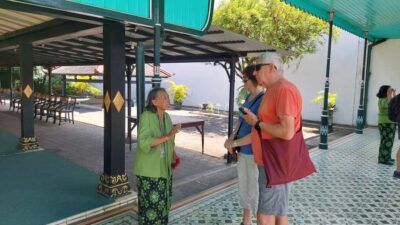
You’ll also be working in an ancestral home, so there’s one clear rule to remember: don’t touch plants. And since the workshop is in a historical compound with real procedures, you’ll get the best experience if you follow the guidance closely rather than wandering around.
In This Review
- Key Points You’ll Care About
- A Royal Jamu Recipe in a Yogyakarta Family Home
- Choosing Fresh Herbs at a Local Market
- Grinding Jamu With a Lesung and Volcanic Stone
- Making Your Own Jamu, Then Tasting Five Different Types
- Indonesian Sweet Snacks: The Break That Helps the Herbal Taste Land
- English-Led, Private Group, 3 Hours of Real Focus
- Price and Value: Is $36 Worth It?
- Who This Workshop Suits Best
- Practical Tips Before You Go
- Should You Book This Yogyakarta Jamu Workshop?
- FAQ
- How long is the jamu workshop?
- What is included in the experience?
- Can I take the jamu home?
- Is the workshop taught in English?
- Where is the meeting point?
- What should I bring?
- Is there any rule about the plants during the workshop?
- FAQ
- Can I get a refund if I cancel?
- Is this a private group experience?
- How much does the workshop cost?
- What should I do if I need help with the location on arrival?
- What if I want to book but not finalize my plans yet?
- Does the workshop include tasting multiple jamu types?
- Are there any other snack inclusions besides jamu?
Key Points You’ll Care About
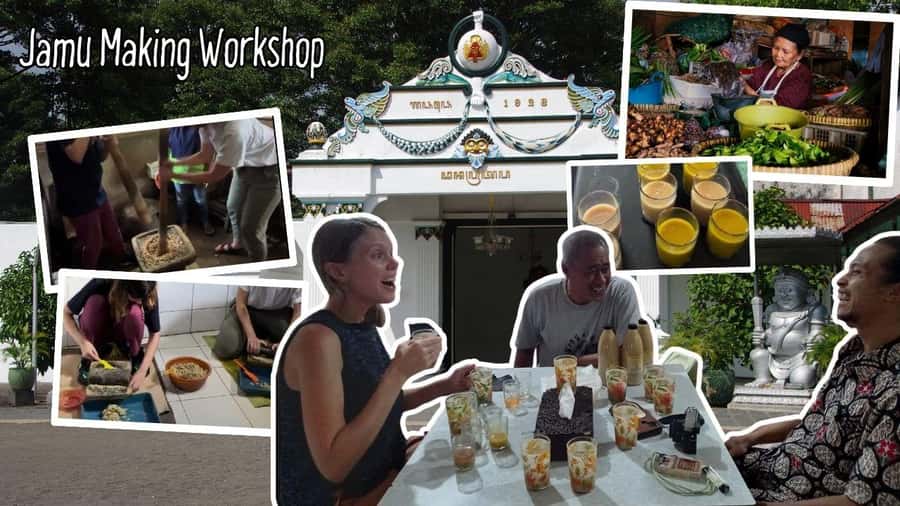
- Shop for ingredients at a local market, guided through fresh herb choices for jamu
- Make jamu by hand using a lesung and age-old volcanic stone tools
- Taste five jamu types with different functions, not just one sample
- Meet Pak Rudi’s family legacy through an heir to royal herbal methods
- Bring your jamu home plus enjoy Indonesian sweet snacks during the class
A Royal Jamu Recipe in a Yogyakarta Family Home
This workshop takes place in an ancestral home tied to Yogyakarta’s royal herbal traditions. You’ll meet Pak Rudi, a direct descendant of the royal healer who once served the Kraton (palace). That lineage matters here—not as a marketing label, but because the methods are family-held and passed down generation to generation.
What I like about this setup is the rhythm of the day. You’re not just learning facts; you’re witnessing how knowledge travels through repetition: choosing herbs, grinding them, preparing the drink, then tasting how it affects you. For decades, this family recipe has been shared with the public, with the practice opening up since the 1950s.
You’ll also notice the tone is respectful and calm. The workshop isn’t trying to shock you with theatrics. It feels more like stepping into someone’s work routine—just with you included.
You can also read our reviews of more tours and experiences in Yogyakarta


Choosing Fresh Herbs at a Local Market
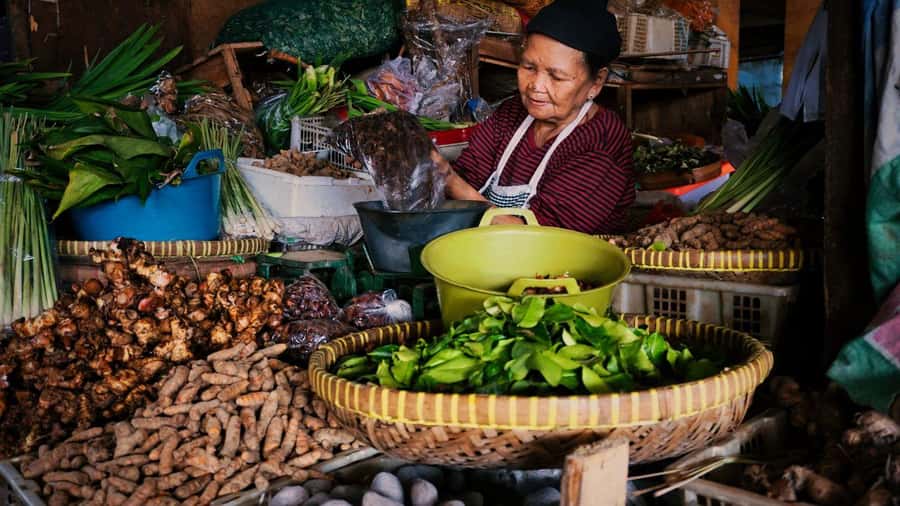
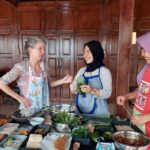
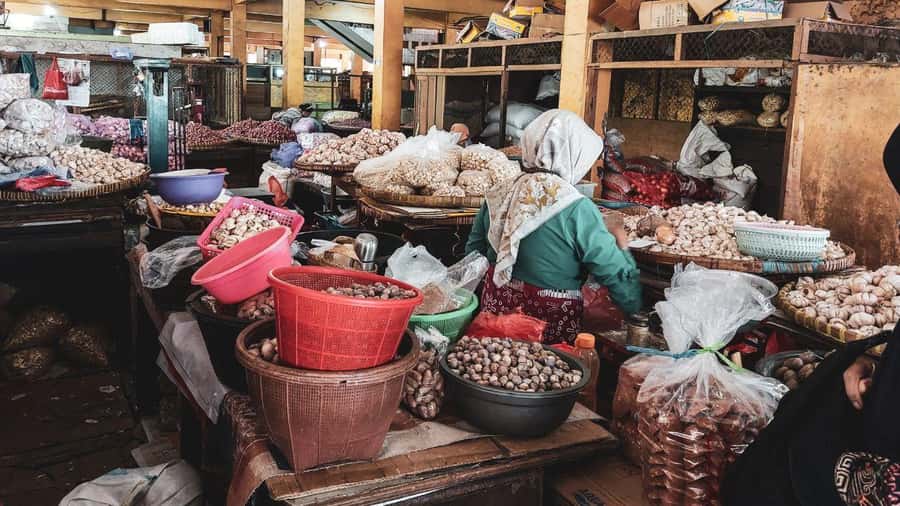
Before any grinding happens, you start at a local market to choose herbs and roots. This is one of the most valuable parts of the experience because jamu begins with ingredients, and ingredients start fresh.
In a market setting, you learn to pay attention in a different way. You’re not shopping for packaged health supplements. You’re looking at whole botanicals—fresh, aromatic, and specific—so you understand how the base taste and function can change.
You’ll also get the story behind ingredients as your guide points out what’s used and why. In real-world cooking, that’s gold. It’s the difference between copying a recipe and understanding what to look for when you’re buying jamu ingredients later on your own.
If you have a photo habit, bring your camera. This part is naturally scenic in an everyday way: baskets of herbs, roots, and the hands-on energy of a functioning market.
Grinding Jamu With a Lesung and Volcanic Stone
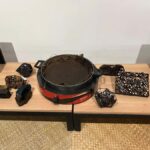
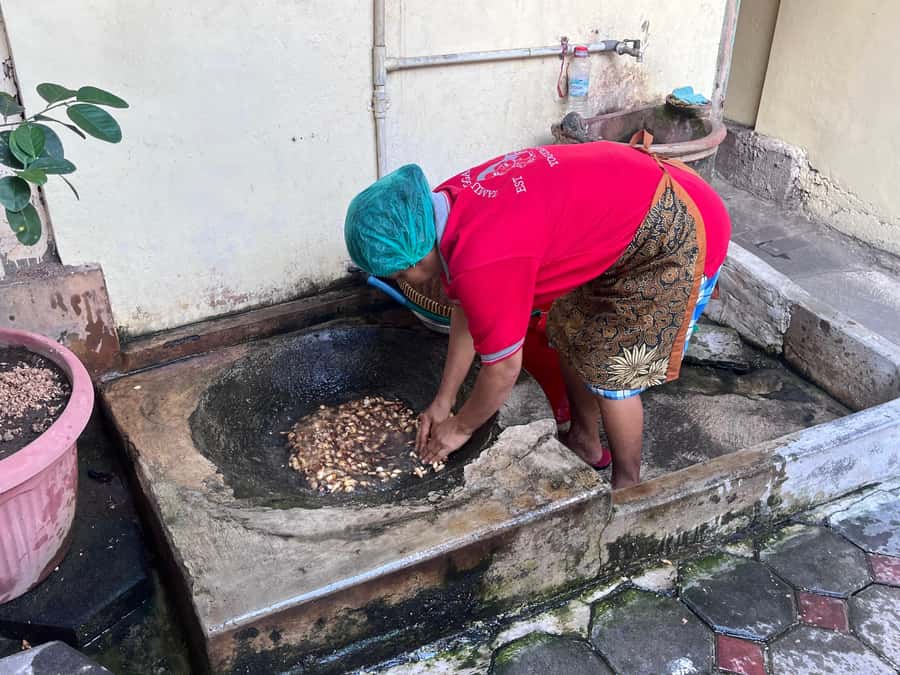
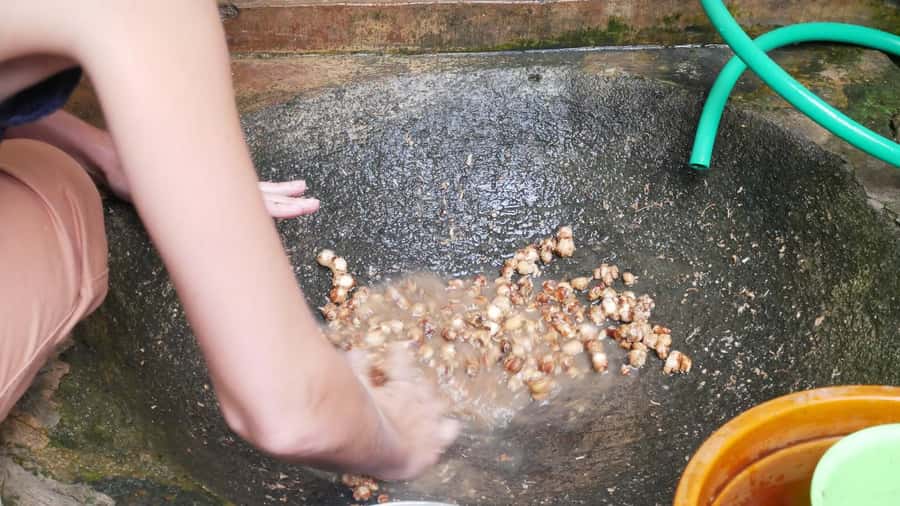
Then comes the work: making jamu using traditional tools. You’ll use a lesung (a mortar and pestle) and also grind with a volcanic stone tool that’s been used for years—decades, even centuries, in the family’s hands.
This step is more than “cultural.” It changes the experience in your body. Hand grinding forces you to slow down. You’ll smell the herbs more intensely as they break down, and you’ll see how texture develops through repeated pounding and grinding.
It’s also where you get that feeling of doing something real. Mass-produced jamu is designed for convenience. This version is designed for process—so you can taste the difference and connect the flavor to the preparation.
One practical note: you’ll be in a family compound setting, so follow instructions closely. Don’t improvise around plants or equipment. The workshop includes a clear rule that you’re not allowed to touch plants, so it’s best to keep your curiosity directed through questions and observation.
Making Your Own Jamu, Then Tasting Five Different Types
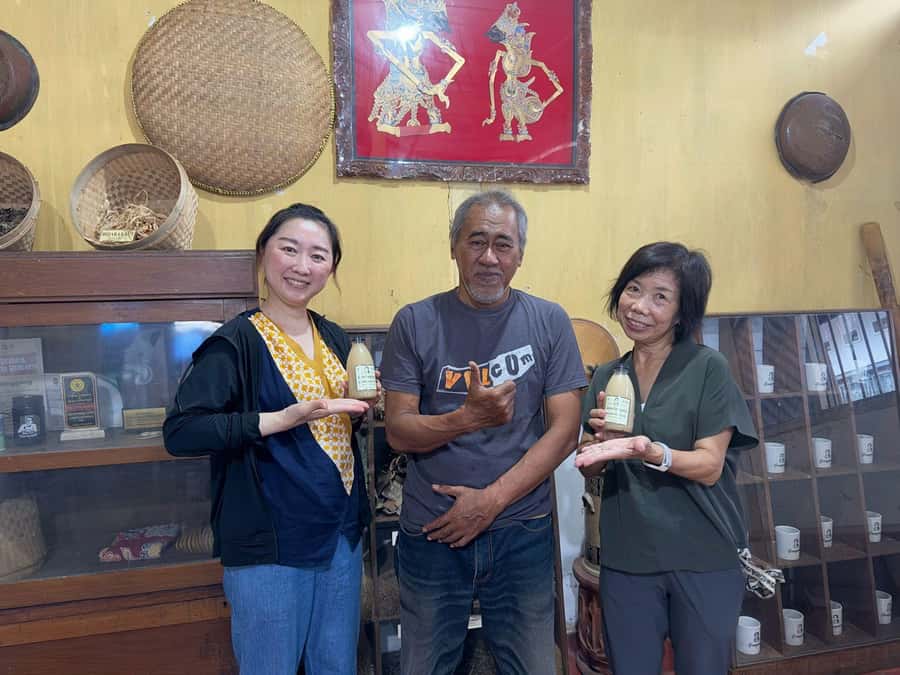
Your jamu-making isn’t just a demonstration. You’ll create your own jamu and then taste five different types during the workshop. This matters because jamu isn’t one drink—it’s a set of herbal blends used for different goals.
From the functions you’ll learn about, you’ll get examples like:
- energy boosting
- digestion support
- inner beauty
The exact mix of each type can vary, but the workshop approach makes the differences feel concrete. You’ll taste several versions and connect what you’re drinking with what each blend is intended to do.
I also like that the class goes beyond the “taste and move on” mode. The tastings are part of learning how herbal traditions assign purpose to ingredients. That’s the core value if you’re interested in traditional wellness thinking rather than just tasting something new.
After you’ve made your drink, you also get to take it home. That’s a smart perk: you can share with friends later, and you can repeat the experience in a way that a one-time sample never allows.
Indonesian Sweet Snacks: The Break That Helps the Herbal Taste Land
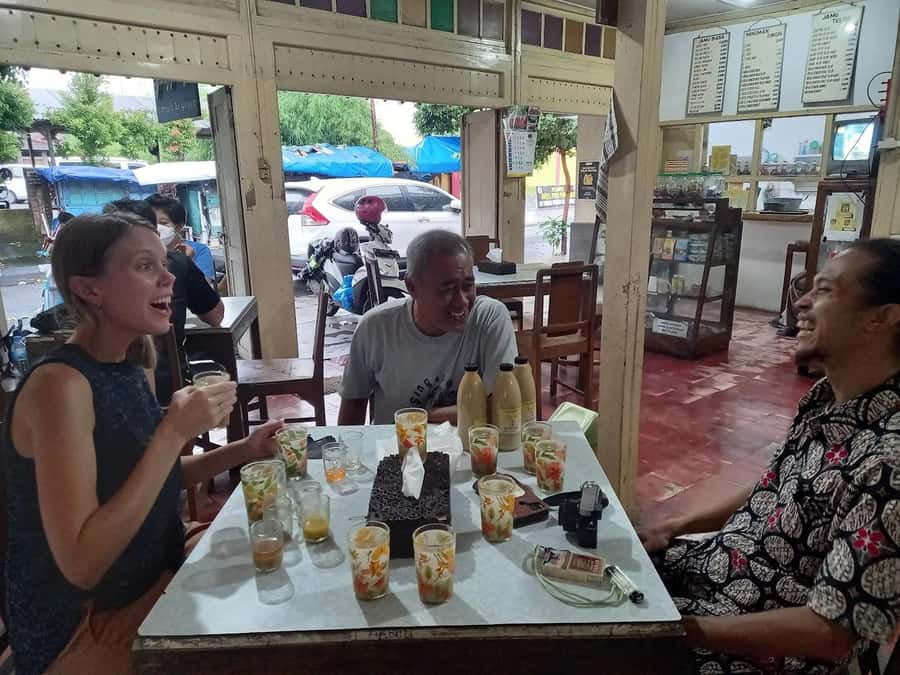
Along with the jamu tastings, you’ll enjoy an Indonesian traditional snack. In a workshop like this, the snack isn’t a random add-on. It helps balance the herbal flavors, and it keeps your energy steady during a 3-hour session.
Jamu can lean bitter or spicy depending on the herbs used, and sweet snacks give you a contrast that makes the herbal flavors easier to evaluate. It’s also part of how jamu is actually experienced day to day—paired with food and social time, not treated like a solo “health shot.”
If you’re sensitive to strong flavors, the snack timing can help you pace yourself. Eat when offered, and don’t try to rush through tasting just to be done.





English-Led, Private Group, 3 Hours of Real Focus
The workshop runs about 3 hours. That’s a good length: long enough to cover the market ingredient selection, the full making process with traditional tools, and tasting multiple jamu types. It’s also short enough that it doesn’t turn into a half-day endurance test.
It’s taught by an English instructor, which removes one of the biggest barriers for cultural food classes. Even if you know basic Indonesian, this kind of guided explanation is what helps you understand why certain herbs are used and what each blend is intended to support.
It’s also a private group. That tends to make questions easier and helps you move at a comfortable pace. In a family-led setting, that matters because you’re working with tools and following a few house rules.
The guide typically connects with you on WhatsApp and sends the exact location, so you don’t have to guess your way through Yogyakarta neighborhoods.
Price and Value: Is $36 Worth It?
At $36 per person, this workshop can feel like a “cultural class price.” But when you look at what’s actually included, the value becomes clearer.
For that fee, you get:
- a market visit to choose fresh jamu ingredients
- hands-on jamu making with traditional tools
- tastings of five different jamu types
- an Indonesian traditional sweet snack
- a take-home herbal drink made by you
A lot of paid experiences only give you one of these pieces—maybe a demo, maybe a tasting, maybe a market stop. Here, the ingredients-to-drink loop is the main event. You’re not just learning; you’re producing and tasting.
Also, the family lineage component—Pak Rudi’s royal healer descendant background—adds meaning to the process. It’s not a generic cooking class where the method could be swapped for any other workshop. The story and tools are tied to the same tradition you’re experiencing in real time.
In short: if you’re the type who likes learning through your hands and your taste buds, $36 is reasonable. If you want a purely passive tour with no strong herbal flavors, it may feel like too much.
Who This Workshop Suits Best
This experience fits best if you:
- want an authentic jamu workshop in Yogyakarta, not a quick souvenir activity
- enjoy hands-on food learning (grinding, mixing, tasting)
- like learning how traditional wellness traditions assign purpose to ingredients
- prefer guided experiences where explanations are in English
- want a take-home result, not just photos
It’s a less perfect match if you strongly dislike bitter flavors or you’re uncomfortable with smells that come from crushed roots and herbs. Also, because the workshop is hands-on and in a family home, keep in mind the no-touch rule for plants and follow the guidance.
If you’re traveling with food-curious friends, this private format can also make the experience feel more personal without waiting for a large group.
Practical Tips Before You Go
Wear comfortable clothes. You’ll be doing active work, standing, and moving around a family compound setting.
Bring your camera, especially for the market ingredient selection and the tool setup. The lesung and volcanic stone grinding area is photogenic in an everyday, real way.
A small mindset tip: ask questions as you go. When you learn why a particular herb is chosen, the rest of the workshop makes more sense—and your later tastings become more than just flavor comparisons.
Finally, be ready to follow house rules. Don’t touch plants, and don’t treat the compound like a museum. The workshop runs on trust and respect, and that’s part of what makes it work.
Should You Book This Yogyakarta Jamu Workshop?
If you want one of the most direct ways to understand jamu in Yogyakarta, I’d book it. The mix of market learning, traditional tools, five jamu tastings, and a drink you take home makes it feel complete for a 3-hour experience.
It’s also a smart pick for travelers who value authenticity over performance. The workshop is family-led through Pak Rudi’s royal-healer lineage, and the guided tastings connect heritage to actual taste and purpose.
Only think twice if you’re sensitive to strong herbal aromas or you’re looking for something low-key and hands-off. Otherwise, this is a worthwhile cultural-food experience that gives you both knowledge and something you can keep.
FAQ
How long is the jamu workshop?
The workshop lasts about 3 hours.
What is included in the experience?
You’ll do a jamu-making workshop using traditional tools, visit a local market to choose fresh herbs, taste five different types of jamu, and taste Indonesian traditional sweet snacks.
Can I take the jamu home?
Yes. You’ll bring home the herbal drink made by you.
Is the workshop taught in English?
Yes. The instructor provides instruction in English.
Where is the meeting point?
The guide will message you on WhatsApp and send the exact location.
What should I bring?
Bring a camera and wear comfortable clothes.
Is there any rule about the plants during the workshop?
Yes. Participants are not allowed to touch plants.
FAQ
Can I get a refund if I cancel?
Yes. Free cancellation is available up to 24 hours in advance for a full refund.
Is this a private group experience?
Yes. The workshop is listed as a private group.
How much does the workshop cost?
It costs $36 per person.
What should I do if I need help with the location on arrival?
Message your guide on WhatsApp. They send the exact location details.
What if I want to book but not finalize my plans yet?
You can reserve now and pay later.
Does the workshop include tasting multiple jamu types?
Yes. You’ll taste five different types of jamu during the workshop.
Are there any other snack inclusions besides jamu?
Yes. The workshop includes tasting an Indonesian traditional sweet snack.