REVIEW · YOGYAKARTA
Yogyakarta: Batik Painting Workshop
Book on GetYourGuide →Operated by YKExplore · Bookable on GetYourGuide
Wax, dye, and wearable art in Yogyakarta. This batik workshop is a hands-on craft lesson that turns a simple pencil sketch into bold fabric patterns using wax resist and careful dyeing. I love how small-group instruction keeps things calm, clear, and personal.
I also like that you’re not just watching. You’ll draw, apply wax with a canting, paint with dye, then remove the wax so your design fully shows—so the finished cloth feels like a real souvenir, not a factory product. One thing to plan for: hotel pickup and drop-off aren’t included, and the workshop venue is shared the day before, so you’ll want to confirm your location and be there by 10 AM.
In This Review
- Key things I’d plan around
- Batik in Yogya: why this workshop is worth your time
- Meeting the studio and getting settled by 10 AM
- Your first design: from pencil sketch to batik plan
- Canting time: learning how wax becomes your pattern
- Painting with dye: choosing colors and watching them change
- The wax-removal step: boiling water and a satisfying finish
- Small-group coaching with an English-speaking instructor
- What you take home (and how it becomes a real souvenir)
- How much you’re really paying: $26 for materials, tools, and time
- Practical tips so you enjoy the wax and dye (not fight them)
- Who should book this batik workshop in Yogyakarta?
- Should you book this batik workshop or skip it?
- FAQ
- How long is the batik painting workshop?
- What does the workshop include?
- Is hotel pickup and drop-off included?
- Do I need to bring anything for the class?
- What language are the instructors?
- How big is the group?
- Where do I meet, and when should I arrive?
- Can I cancel for a refund?
- Is payment flexible?
Key things I’d plan around
- A limited group (10 max) means you get frequent help without the class feeling rushed
- Wax-resist design practice teaches the real batik trick: lines first, color second
- Your cloth is the souvenir because you finish with a hand-made batik piece to take home
- English-speaking instructor support makes the steps easy to follow even if you’ve never tried
- Timing can vary since the full process is usually 3–5 hours and can depend on design detail
- Bring clothes you won’t mind since wax and dye are part of the day’s fun (apron included, but accidents happen)
Batik in Yogya: why this workshop is worth your time
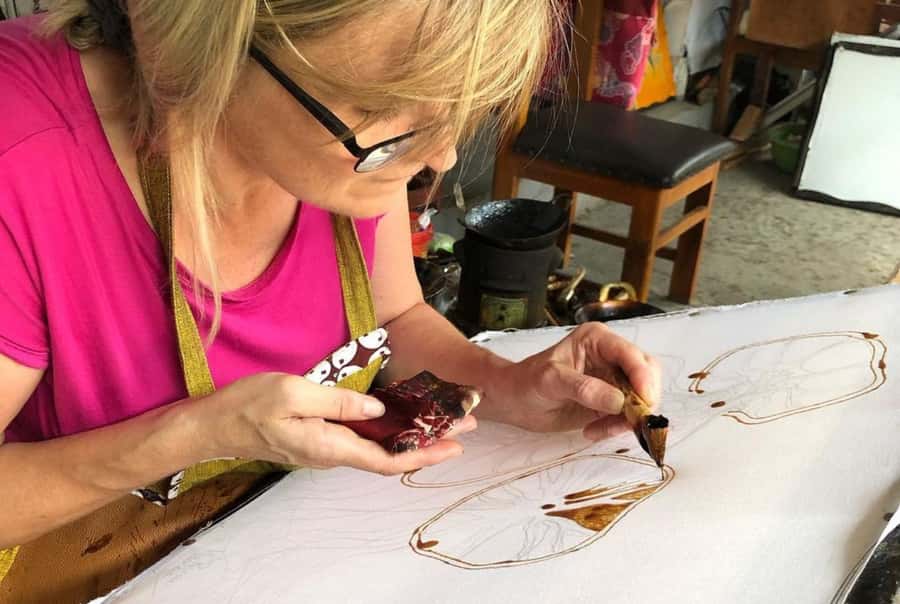
Yogyakarta is one of Java’s best places to slow down and learn crafts that are still made by hand. This workshop is built around batik, a technique where wax blocks dye so your pattern stays sharp and graphic.
At $26 per person for a 5-hour experience, the value comes from what’s included: cotton cloth, all tools and materials, and an instructor guiding each step. You’re paying for technique, patience, and hands-on time—rather than paying extra for supplies.
You can also read our reviews of more tours and experiences in Yogyakarta



Meeting the studio and getting settled by 10 AM
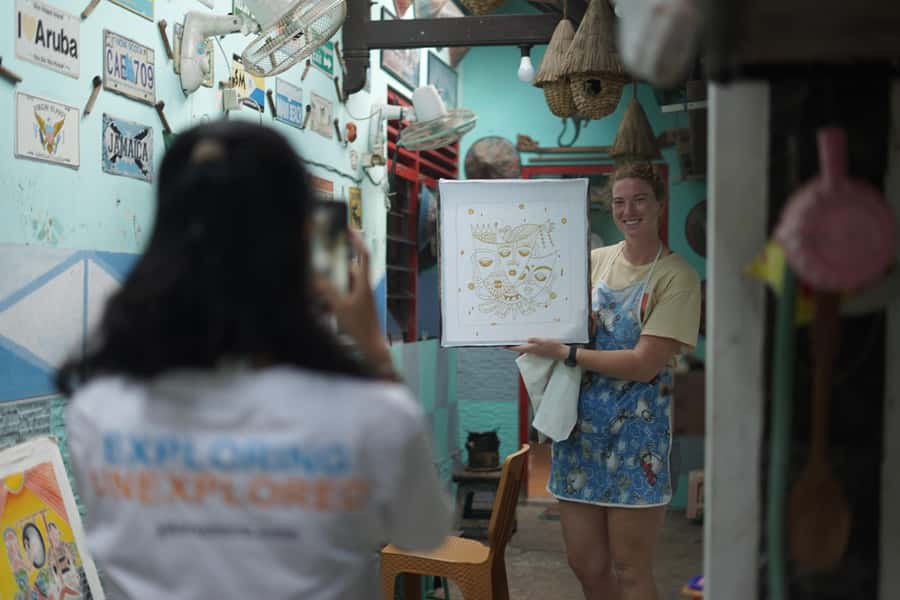
This activity runs with a set arrival window: the maximum arrival time is 10 AM. Also, there’s no generic meeting point you can rely on. The workshop venue is shared one day before your event date, so check your voucher and email when it arrives.
That matters because batik studios aren’t all in one obvious block; you’ll want to avoid last-minute scrambling. If you’re staying outside the city center, build in extra buffer time so you can walk in ready—not flustered.
Your first design: from pencil sketch to batik plan
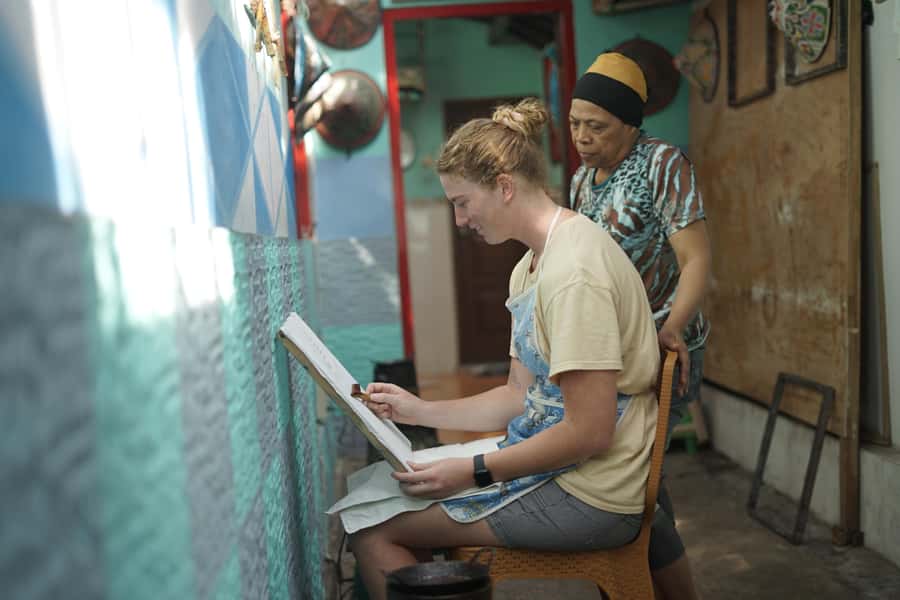
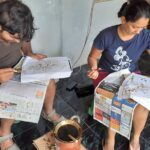
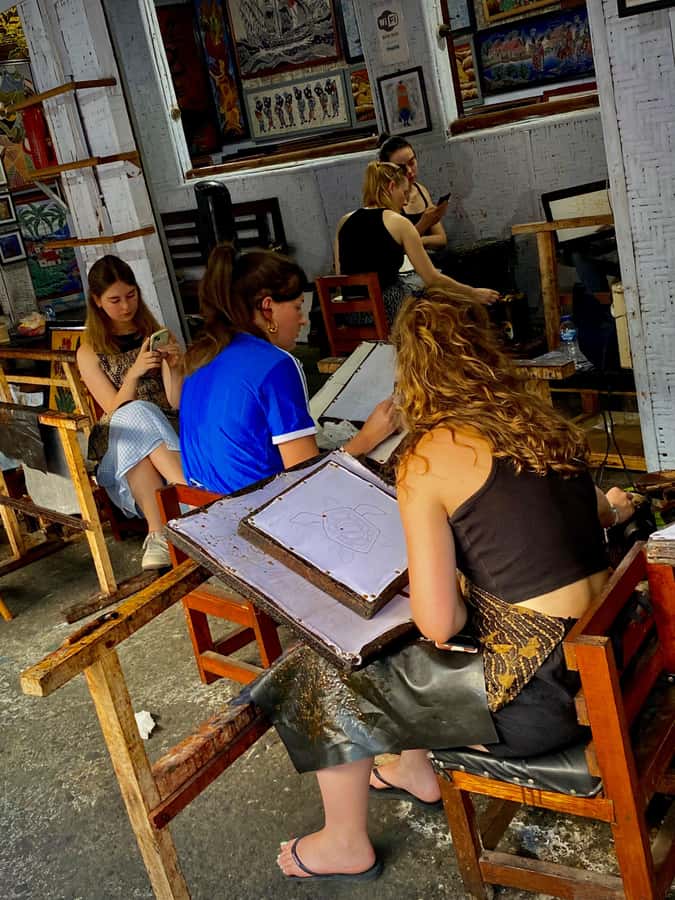
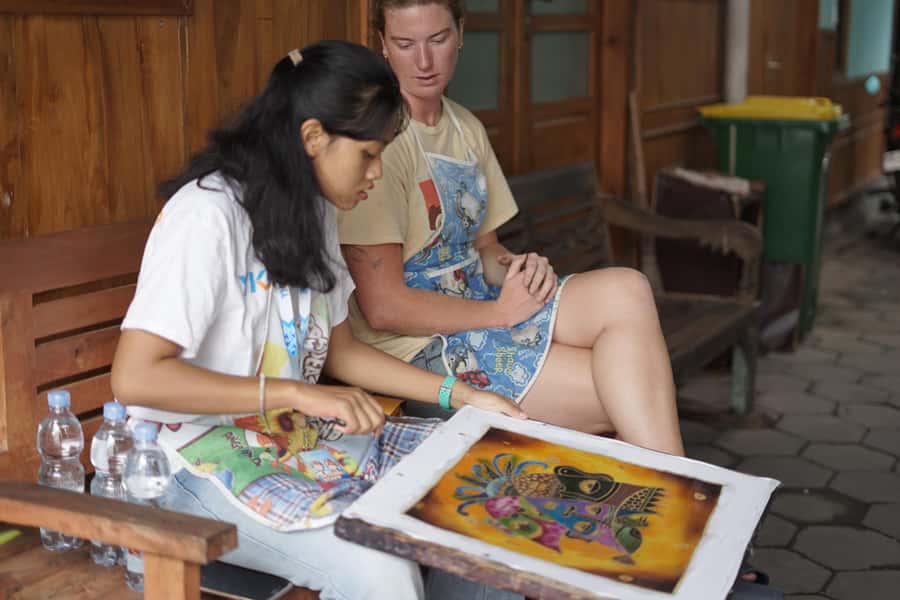
The day starts with design. You’ll make your drawing on the cloth using a pencil first. The studio lets you choose your route: work from designs they provide, or create your own design.
If your drawing skills are rusty, don’t panic. Several participants noted that pre-drawn stencils are available, and instructors guide you through marking up your fabric so you can focus on the batik part: wax lines and color control.
I like that this stage gives you creative freedom without turning the class into an art exam. You can be bold, simple, symmetrical, or patterned—whatever fits your taste and the time you have.
Canting time: learning how wax becomes your pattern
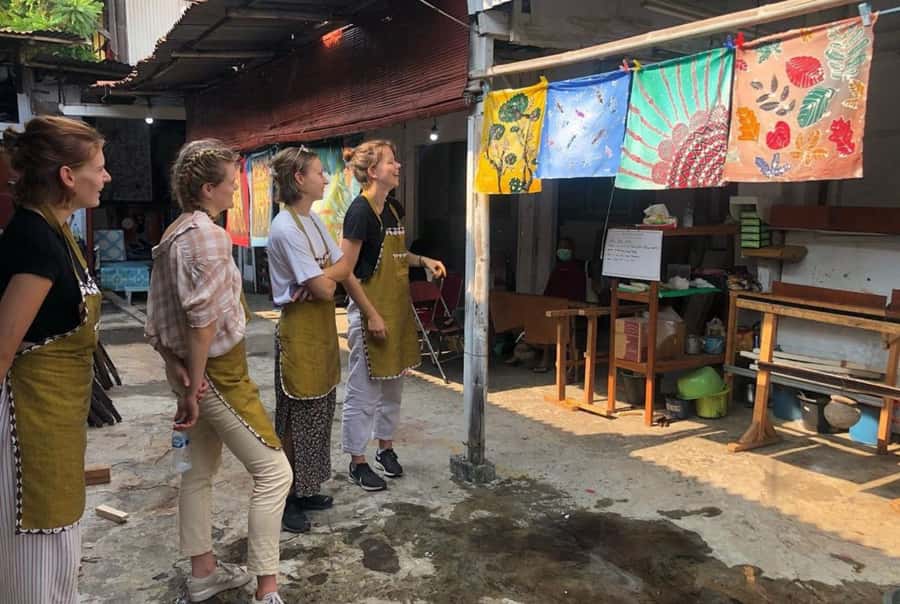
Here’s where batik stops being a concept and becomes a craft.
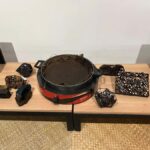
You’ll heat the wax on a stove, fill the canting (the small wax pen tool) with the liquid wax, then trace the pattern on your cloth. Those wax lines act like a resist—later, they keep dye from staining the fabric where you drew.
The instructors are there in real time, and the pace is forgiving. In the experience feedback, people were encouraged not to worry when mistakes happen, including cases like spilled wax. If something goes off, instructors can help fix the situation and get you back on track.
One practical tip: wax work rewards slow hands. If you rush, your line quality usually suffers. If you take a breath and follow the sketch, your final pattern looks cleaner.
Painting with dye: choosing colors and watching them change
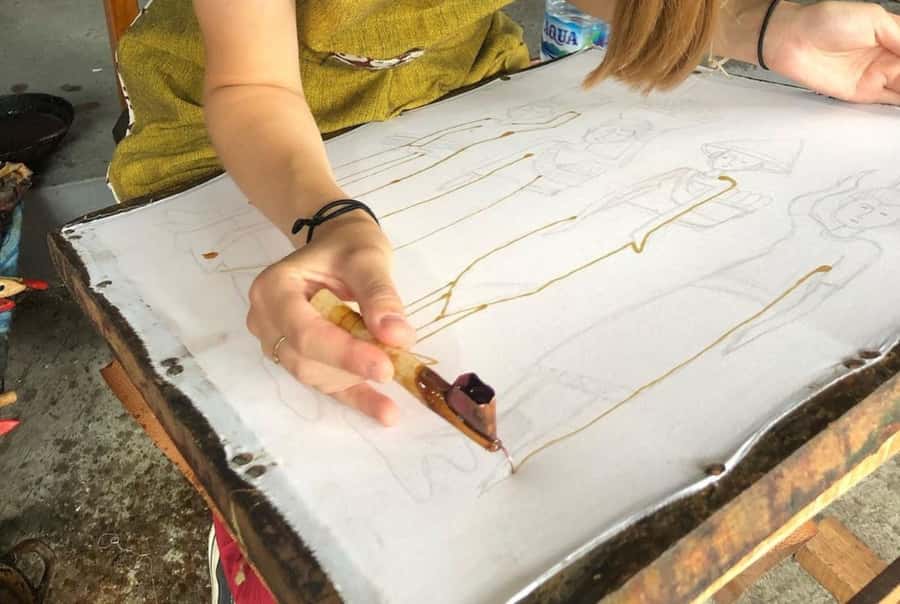
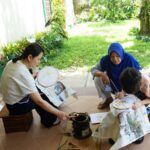
Once the wax outline is set, you move into color. You select your dye color(s), dip the brush, and paint directly onto the waxed cloth. You paint until the fabric is fully filled with color in the areas you want dyed.
This stage is where batik becomes visibly yours. It’s also where you can learn something useful about color behavior: one participant noted that some colors don’t show their full look until they’re exposed to sunlight and later after soaking in baths. In other words, a dye preview on the brush isn’t always the final result.
If you’re picky about your palette, you’ll likely appreciate the instructor help. At least one class report mentioned support mixing colors to match a specific idea. So if you want a certain mood—warm, cool, or balanced—ask early rather than waiting until your fabric is already filled.
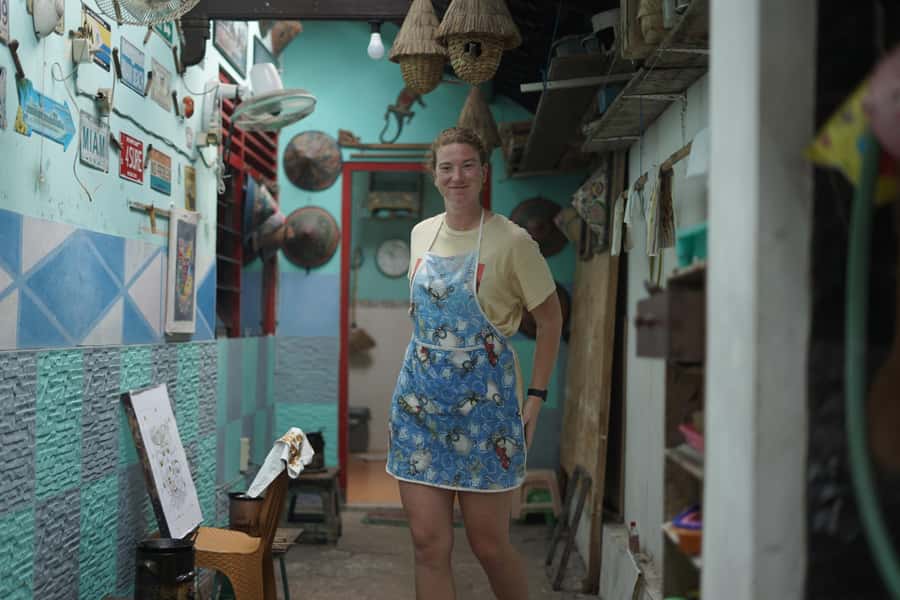
Wear something you don’t mind getting stained. An apron is provided, but dye mishaps can still happen. This is a hands-on art day, not a museum visit.





The wax-removal step: boiling water and a satisfying finish
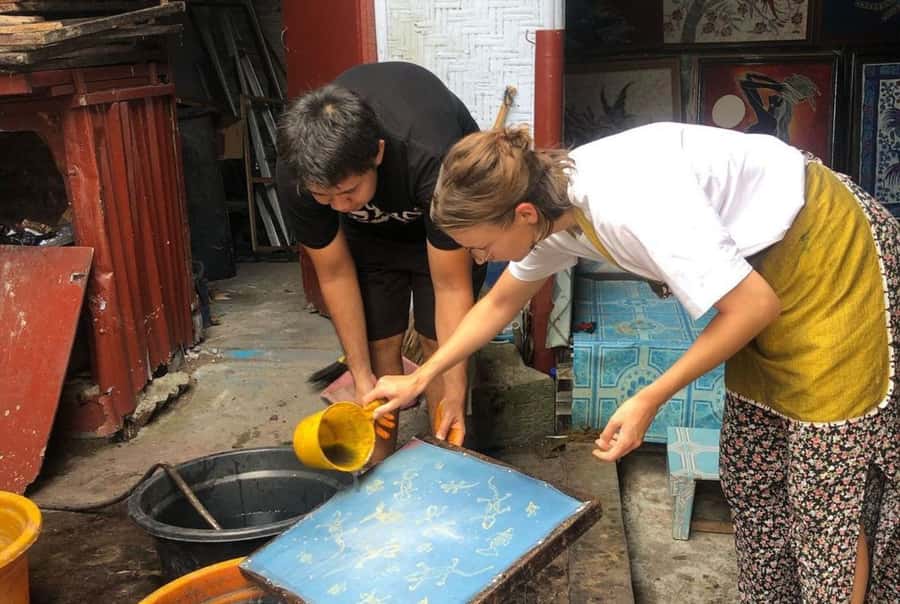
After dyeing, you wait for your cloth to dry. Then comes the part that turns wax lines into the final batik pattern: removing the wax.
The process uses heated water. The water is brought to a boil, and you put the cloth into the water while stirring and occasionally lifting it. The wax melts and starts coming off, and then you move through rubbing and rinsing steps to remove the remaining wax residue before drying.
This is the moment many people remember most, because your pattern suddenly appears as a contrast between dyed areas and the wax-protected lines. It’s also the stage where a little patience pays off—if you rush the wax removal, residue can affect how clean the final look is.
Plan for the whole process to take 3–5 hours depending on your design complexity. Even though the booking duration is listed as 5 hours, one participant mentioned a longer day can happen with more complex choices and personal pace. So if you have another plan right after, give yourself slack.
Small-group coaching with an English-speaking instructor
A big reason this workshop earns high praise is how instruction is delivered. The group is limited to 10 participants, and the instructor is listed as English-speaking, which helps a lot when you’re learning tools and dye steps that don’t translate well through pictures.
In feedback, instructors were described as helpful, patient, and supportive even when learners are slow. Some people highlighted specific staff members, including Suzy and Susi, and also Harry as part of the supportive team.
The teaching style seems practical: they walk you through each stage, help as needed, and can take over if you’re stuck. That support is a quiet value because wax and dye punish panic. When you feel stable, your hands naturally improve.
What you take home (and how it becomes a real souvenir)
The payoff is simple: you bring home your batik creation.
That “made by you” feeling is the whole point. It’s not just a small item you bought; it’s cloth art shaped by your own design decisions—your lines, your colors, and your wax-resist pattern.
Some participants also reported leaving with extra crafting items like a batik wax pen, not just the finished cloth. The exact extras can vary, but the consistent takeaway is that you walk out with a souvenir you understand because you made it.
How much you’re really paying: $26 for materials, tools, and time
At $26 per person, this isn’t an expensive craft lesson—especially because it’s structured around included supplies.
You get cotton cloth, all tools and materials, and the instructor’s time. That means you’re not paying extra for brushes, wax, dyes, or the setup that makes the workshop possible.
The main tradeoff isn’t price—it’s your schedule and your transport. Since pickup and drop-off aren’t included, factor in the effort of getting to the studio on time. The workshop also requires a window with a 10 AM latest arrival, so you can’t treat it like a flexible drop-in.
Practical tips so you enjoy the wax and dye (not fight them)
Here’s what will make your day smoother, based on how the workshop is described and how participants handle the craft.
- Sketch with your time in mind. Complex designs take longer during wax tracing and fill-in coloring. If you want to finish without stress, choose a pattern you can outline clearly.
- Take breaks if you feel rushed. Wax work rewards calm. If you get frustrated, ask for help right away rather than pushing through.
- Plan outfits accordingly. Apron is provided, but still wear clothes you’re okay with staining.
- Expect waiting time. Drying and wax-removal steps are part of batik. It’s not all “hands-on” every minute.
- Bring a ready mindset. Even when steps look straightforward, they take practice. The studio support helps you succeed anyway.
Who should book this batik workshop in Yogyakarta?
This is a great fit if you want something more hands-on than a typical sightseeing morning. It’s also a strong pick for couples, families, and friends because everyone can make choices about the design and color.
If you enjoy crafts, drawing, or learning by doing, you’ll likely love the process. If you’re worried you’re not artistic, remember: instructors provide guidance, and pre-traced stencils can help you get started.
It’s also a good choice for people who like quiet focus. One participant mentioned calm surroundings that made it easier to concentrate on the art instead of the crowd noise you sometimes get at larger attractions.
Should you book this batik workshop or skip it?
Book it if you want a creative Yogyakarta souvenir and a guided craft day where you control the design. The included materials and small-group setup make the learning feel doable, even for beginners.
Skip it if you can’t commit to arriving by 10 AM, or if you don’t want to deal with dye/wax mess and the possibility that the process runs a bit longer with complex designs. Also, because hotel pickup isn’t included and the venue address is sent the day before, it works best when you’re comfortable handling your own local logistics.
If you’re the type who likes learning one practical skill and taking something real home, this batik workshop is one of the better value creative stops in Yogya.
FAQ
How long is the batik painting workshop?
The experience is listed as 5 hours. The full batik process typically takes 3–5 hours, depending on how complex your design is.
What does the workshop include?
You get a cotton cloth, all tools and materials, and an instructor. The workshop itself covers the batik process end to end.
Is hotel pickup and drop-off included?
No. Hotel pickup and drop-off are not included, so you’ll need to arrange your own way to the meeting point.
Do I need to bring anything for the class?
No supplies are required from you. The studio provides the cloth, tools, and materials. It’s still smart to wear clothes you don’t mind getting stained.
What language are the instructors?
The instructor is listed as English-speaking.
How big is the group?
The group is small, limited to 10 participants.
Where do I meet, and when should I arrive?
The workshop venue is provided one day before your event date. Your latest arrival time is 10 AM.
Can I cancel for a refund?
Yes. Free cancellation is available up to 24 hours in advance for a full refund.
Is payment flexible?
Yes. Reserve now and pay later is offered, so you can book a spot first and pay later.