REVIEW · YOGYAKARTA
Yogyakarta: Contemporary Batik Workshop with Natural Dyeing
Book on GetYourGuide →Operated by Abhati Studio · Bookable on GetYourGuide
Batik is craft therapy in Java. At Abhati Studio in Yogyakarta, you learn wax-resist batik the hands-on way, while working in a calm, greenery-filled home studio setting. You’ll start with a small cotton piece and end with something you can actually wear or display.
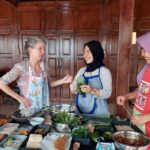
I especially like how personal the teaching feels. The class runs in a small group (max 10), with patient help that often comes from Belinda and her family, plus clear explanations of what you’re doing and why.
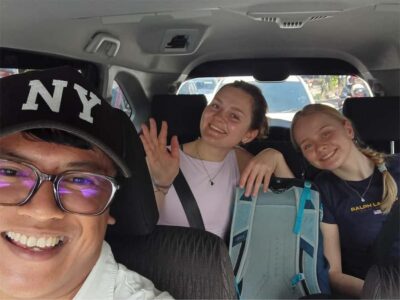
One practical thing to consider: the studio is tucked down a small alley. If you arrive by car or taxi, you’ll park in a designated spot and walk about 140 m.
In This Review
- Key moments you’ll remember
- Yogyakarta Batik in a Home Studio Near Malioboro and Kotagede
- How Wax-Resist Batik Works (And What Your Hands Learn)
- Choosing Your Design: Classic Motifs or a Personal Layout
- Natural Dyeing: Where the Eco Mission Shows Up
- What You Get: Fabric Size, Tools, and Photo Documentation
- Time on the Table: What the 2–3 Hours Feels Like
- What to Wear and Bring (So You Don’t Stress the Wax)
- Who Should Book This Batik Workshop in Yogyakarta?
- Price and Value: Why $13 Makes Sense Here
- Should You Book Abhati Studio’s Batik Workshop?
- FAQ
- How long is the batik workshop?
- How much does it cost?
- What’s included in the price?
- Can I choose a design or do I create my own?
- Where do I meet the studio, and how hard is parking?
- What should I wear?
- What languages are used during the workshop?
- Is the workshop wheelchair accessible?
- Is it suitable for young children?
- What’s the policy for cancellation or paying later?
Key moments you’ll remember
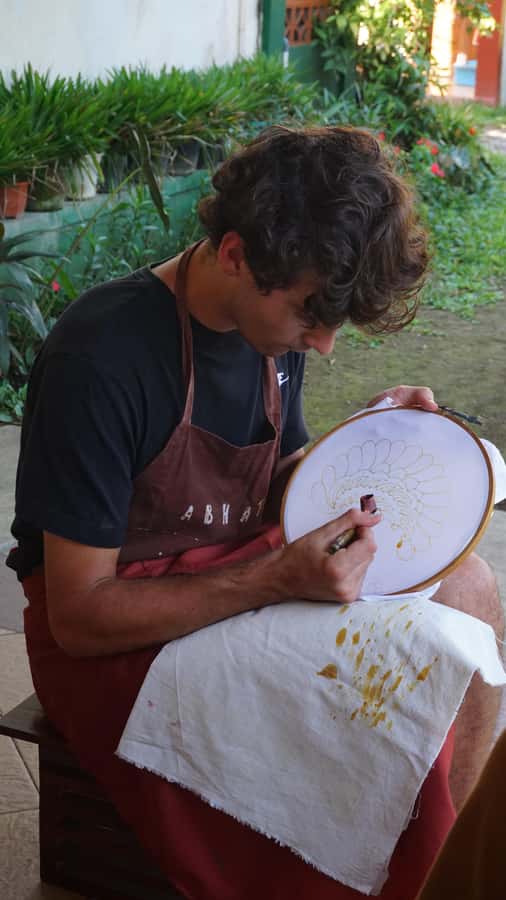
- A real wax-resist practice on a 25 x 25 cm cotton square, not just watching
- Natural dyeing that connects your patterns to a more eco-minded approach
- Choose classic or contemporary patterns, or create your own layout
- Home-studio calm with lush greenery, making the whole process feel unhurried
- Take-home batik plus photo documentation, so you leave with proof and a keepsake
Yogyakarta Batik in a Home Studio Near Malioboro and Kotagede
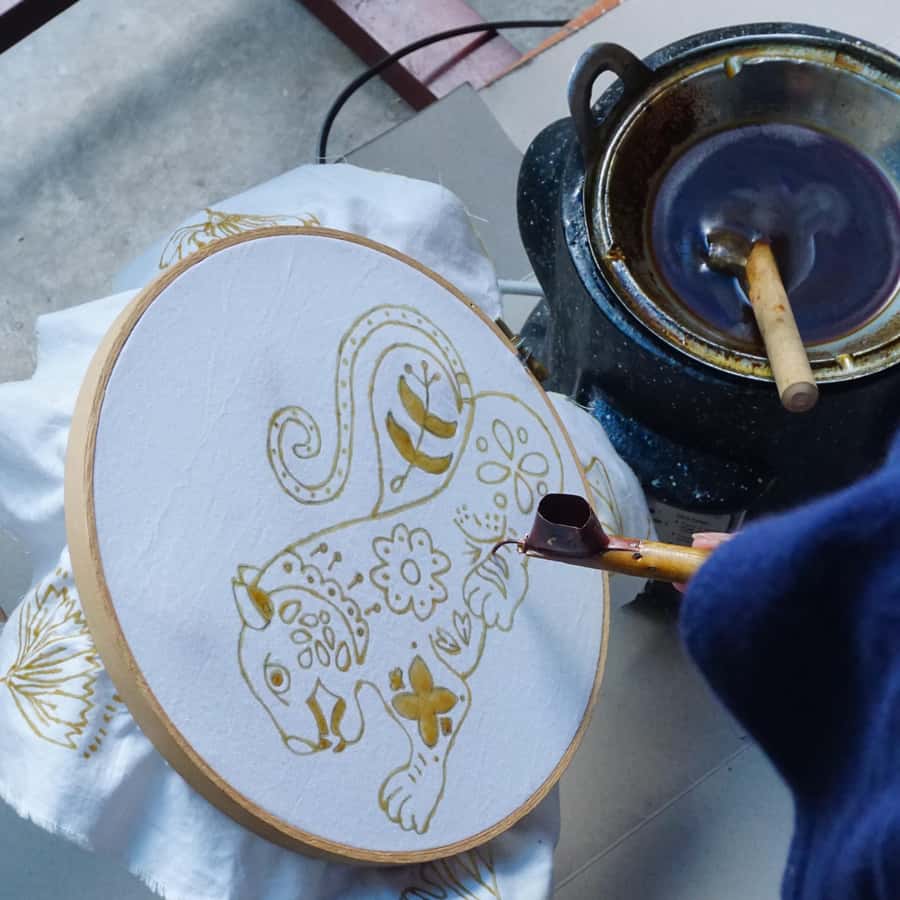
This workshop is set up for people who want culture they can touch. Instead of racing through landmarks, you’ll work in a studio area designed around making—tools laid out, fabrics ready, and a relaxed pace that helps you focus on one thing at a time.
Abhati Studio is in the heart of Yogyakarta, about a 15-minute drive (around 4.5 km) from Malioboro Street. It’s also roughly 10 minutes from heritage areas in Kotagede, so it fits nicely between sightseeing days. That matters because batik takes concentration; you don’t want to do it at the end of a hectic schedule.
If you’re driving, plan for the last few minutes on foot. The location is down a small alley. Motorbike riders can park right in front of the studio, while car/taxi guests should park in the designated area and expect about a 140 m walk.
You can also read our reviews of more tours and experiences in Yogyakarta


How Wax-Resist Batik Works (And What Your Hands Learn)
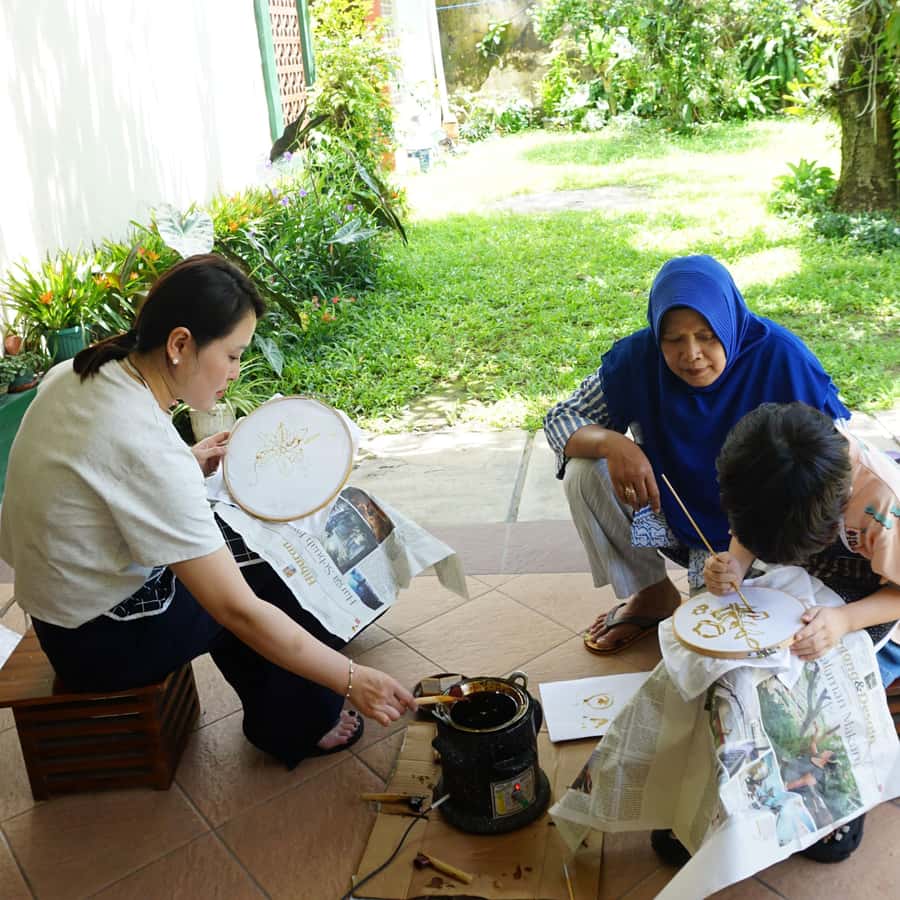
At the core, batik is a pattern-making method using a resist. You’ll learn the basics of wax-resist batik—how the wax protects parts of the fabric from taking dye, so your design shows up when you remove it later.
What I like for beginners: the process is teachable step by step. You’ll practice creating patterns on fabric, not just scribbling around. The instructor guidance (in English and Indonesian) helps you understand the logic of the technique, which makes your finished piece feel earned rather than accidental.
You also get a choice that keeps it fun. You can select from classic and contemporary batik designs, or you can create something more personal. Either way, you’re making decisions that matter—placement of lines, how patterns repeat, and what you want to stand out once dye hits.
Choosing Your Design: Classic Motifs or a Personal Layout
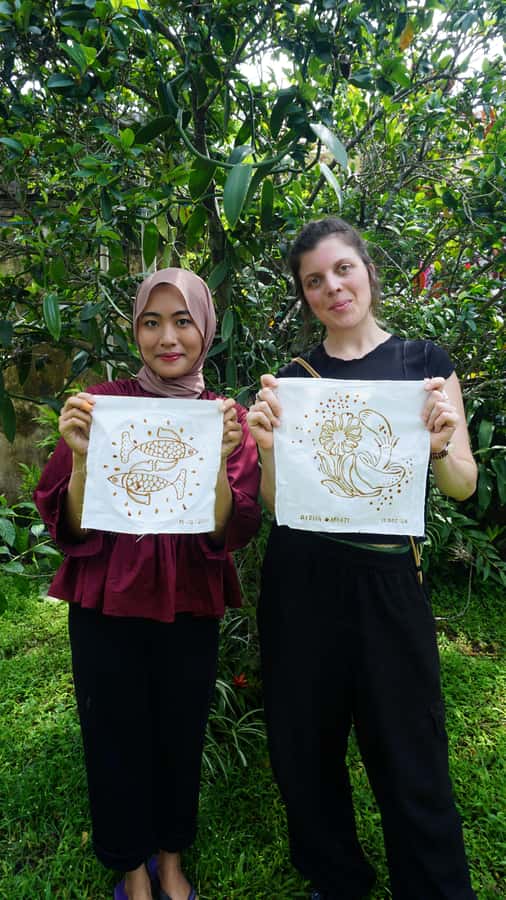
Your workshop design usually starts with inspiration, then becomes your own. There’s a selection of classic and contemporary batik designs available, which is great if you want structure and want to avoid the blank-page problem.
If you’d rather do your own pattern, you can. That’s one of the biggest value points here: you’re not just copying a sample like a craft class that ends at the worksheet. You’ll build a composition on your cotton square, and that’s what turns the final fabric into a souvenir you’ll actually remember.
A tip for your planning: bring at least one design idea in your head before you arrive. Even a quick mental theme—waves, leaves, geometric repeats—helps you move faster once tools are in your hands.
Natural Dyeing: Where the Eco Mission Shows Up
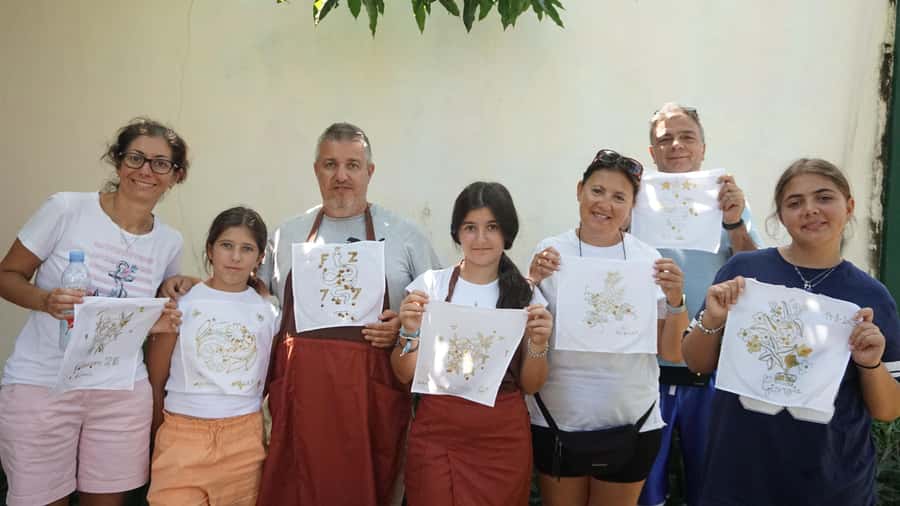
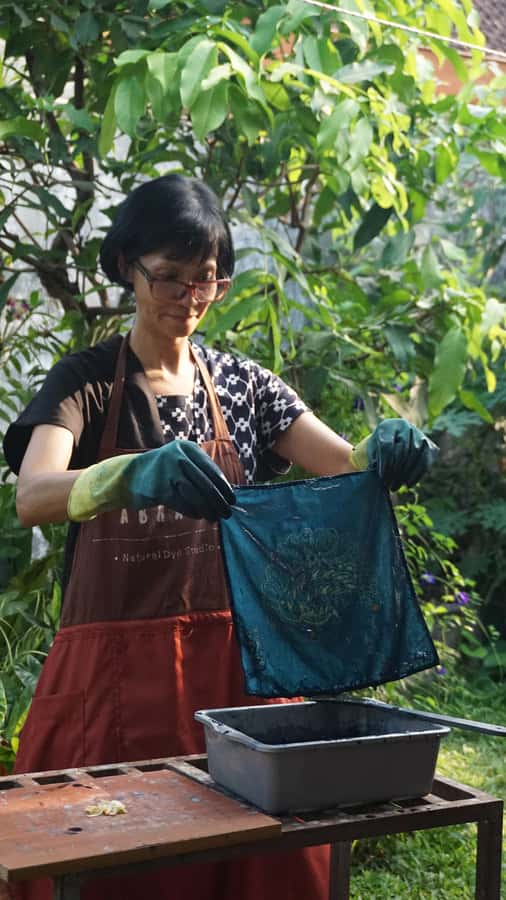
You’re not only learning wax resist. The experience also includes a natural dyeing element, which adds a second layer of learning: you see how color develops on fabric.
This matters for two reasons. First, natural dyeing can give a different feel than synthetic dyes—often softer and more organic in the way tones appear. Second, the studio frames this as part of a mission to conserve culture while preserving the environment, so you get the sense that batik isn’t just “decor.” It’s a living craft connected to how people think about materials.
In practice, you’ll connect your pattern decisions to the dye process. Where you applied wax (the resist) affects where color lands. That cause-and-effect makes the workshop satisfying. You’ll likely end with that rare feeling of craft progress you can see immediately, not two days later after a forgotten project dries.
What You Get: Fabric Size, Tools, and Photo Documentation
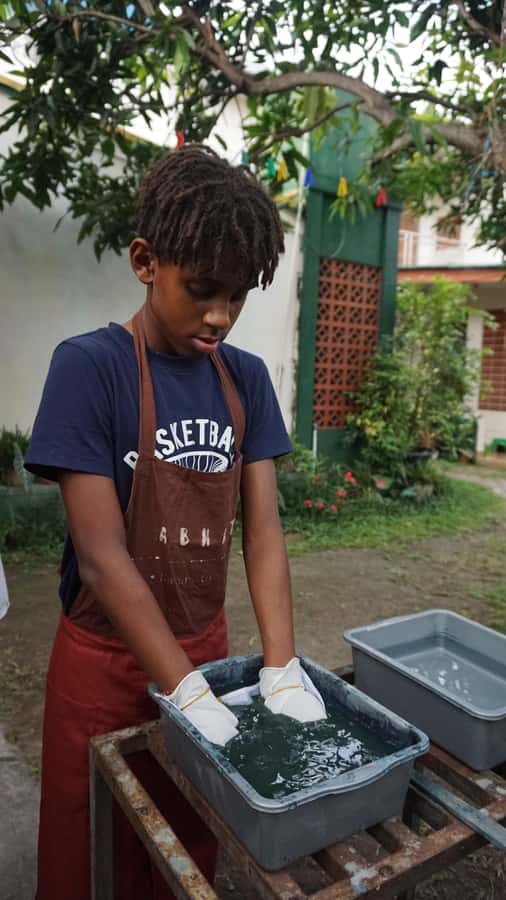
The workshop is set up so you don’t have to bring equipment or worry about missing supplies. Your package includes:
- a cotton fabric piece sized 25 x 25 cm
- tools and materials needed for the batik process
- a selection of classic and contemporary designs
- a welcome drink
- photo documentation
- your finished batik to take home
That 25 x 25 cm size is important. It’s small enough to complete in the 2–3 hour window, but big enough to show your pattern clearly. You can frame it later, use it as a wall piece, or keep it as a meaningful textile souvenir from Yogyakarta.
The photo documentation also adds real-world value. Batik patterns can look subtle up close, and wax-resist steps aren’t always easy to remember. Having a visual record helps you connect the dots between what you did and what your fabric looks like afterward.





Time on the Table: What the 2–3 Hours Feels Like
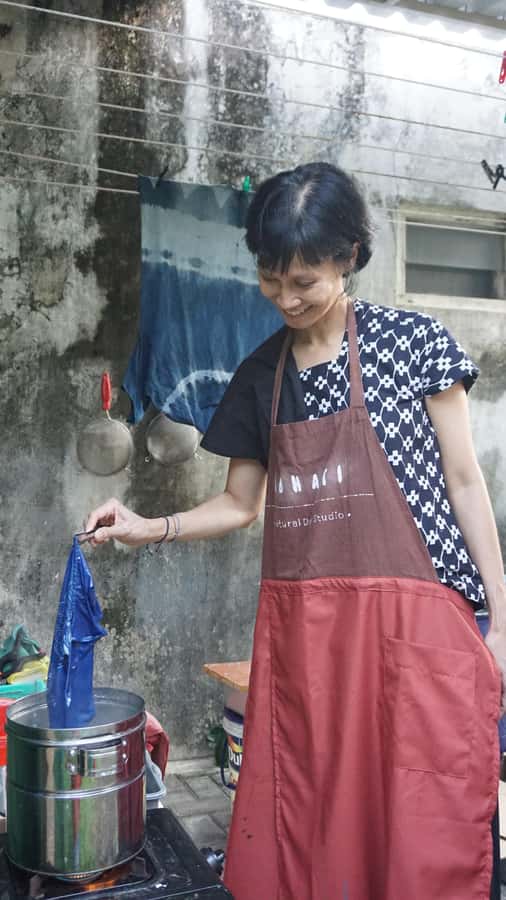
This is scheduled for 2–3 hours, with starting times depending on availability. That time window is about right: enough for real instruction and practice, not so long that you feel cooked before the dye phase finishes.
The flow usually feels like this:
1) meet and get settled with a welcome drink
2) receive your cotton fabric and tools
3) choose a design path (classic/contemporary or your own)
4) work through the wax-resist steps to build your pattern
5) move into natural dyeing so your design shows up
Because the group is limited to 10, you’re not stuck waiting your turn for help at key moments. That keeps the workshop from turning into a passive experience where you only watch and hope. You’ll do the hands-on work.
You might also be offered small local snacks and fruit during the session. It’s not listed as a formal meal, so treat it as a nice bonus, not a meal replacement.
What to Wear and Bring (So You Don’t Stress the Wax)
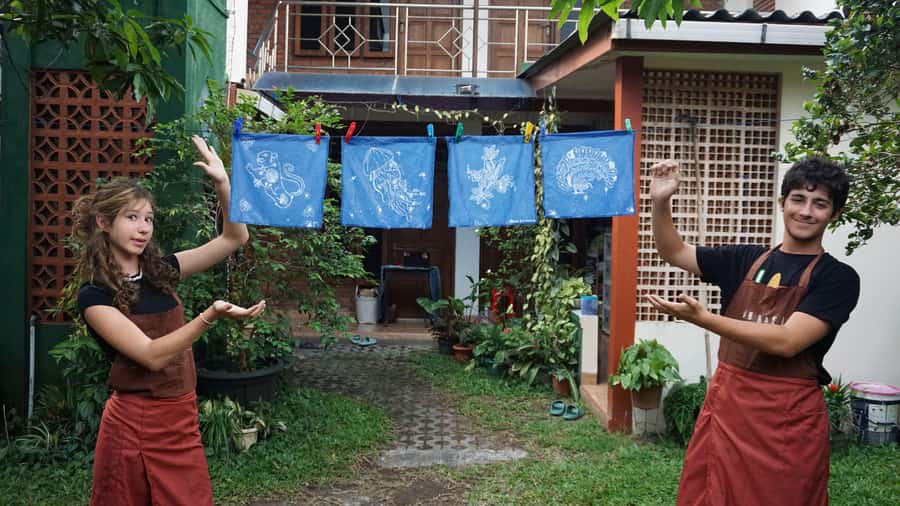
Wear clothes you don’t mind getting stained or spotted. Batik and dye work can be messy in a very normal, “this is part of the craft” way.
Good choice: comfortable clothes that let you move. Avoid anything delicate or expensive that you’d hate to see with tiny marks. If you’re unsure, plan to wear something you can re-wear later but wouldn’t mind if it got dye-kissed.
Also, come ready to stay focused. This isn’t a show-and-tell where you stroll through the steps. You’ll be working carefully, and your best experience comes from treating it like a slow craft moment, not a rushed activity.
Who Should Book This Batik Workshop in Yogyakarta?
This is a strong fit if you want an authentic creative activity with cultural depth, without needing prior art skills. You’ll get value whether you pick a guided pattern or design your own.
I’d point it toward:
- first-timers to batik who want clear instruction
- travelers who like crafts you can take home, not just photos
- people who enjoy nature-adjacent experiences (the studio setting is a big part of the mood)
- anyone who appreciates small group teaching, where questions actually get time
It’s not listed as suitable for children under 5, so if you’re traveling with very young kids, you’ll need another option.
Price and Value: Why $13 Makes Sense Here
At $13 per person, this price is relatively easy to justify because the workshop includes more than instruction. You’re taking home a finished batik piece made on provided cotton (25 x 25 cm), plus you get tools/materials and photo documentation.
In other words, you’re paying for:
- guided practice of a traditional technique (wax resist)
- natural dyeing experience
- a complete souvenir (not just a sample or worksheet)
- a small-group setting with time and attention
Transportation and meals are not included, but you’ll likely spend far less on food during the session since it’s not positioned as a full meal stop. Net-net, for a take-home textile crafted with your own hands in Yogyakarta, the price feels fair.
Should You Book Abhati Studio’s Batik Workshop?
If you want a Yogyakarta activity that’s hands-on, calm, and genuinely memorable, I think you should. This workshop balances creativity with real technique, and the studio vibe makes the learning feel less like a class and more like time with a friendly craft family.
Book it if:
- you like small-group workshops
- you want a practical souvenir you can display
- you enjoy natural dyeing and eco-minded culture
Skip it if:
- you’re short on time and can’t spare 2–3 hours
- you hate any chance of getting your clothes dirty
- you need a high-energy, big-attraction experience (this one is intentionally slower)
If your goal is craft with meaning—wax, color, pattern, and a finished piece you helped create—this is a very solid choice.
FAQ
How long is the batik workshop?
The workshop runs for about 2–3 hours. Exact starting times depend on availability.
How much does it cost?
It costs $13 per person.
What’s included in the price?
You get a welcome drink, a cotton fabric piece (25 x 25 cm), all necessary tools and materials, classic and contemporary design options, photo documentation, and your own batik masterpiece to take home.
Can I choose a design or do I create my own?
You can choose from classic and contemporary batik designs, or you can make your own design.
Where do I meet the studio, and how hard is parking?
The studio is in a small alley. If you arrive by motorbike, you can drop off or park in front. If you arrive by car or taxi, you’ll park in a designated parking area and walk about 140 meters.
What should I wear?
Wear comfortable clothes and also bring something you don’t mind getting dirty, since the process involves batik and dyeing.
What languages are used during the workshop?
The instructor speaks Indonesian and English.
Is the workshop wheelchair accessible?
Yes, the workshop is wheelchair accessible.
Is it suitable for young children?
It’s not suitable for children under 5 years old.
What’s the policy for cancellation or paying later?
You can cancel up to 24 hours in advance for a full refund. You can also reserve now and pay later to keep your plans flexible.