REVIEW · YOGYAKARTA
Yogyakarta’s Essentials in Half a Day
Book on Viator →Operated by Asian Trails LTD · Bookable on Viator
Kraton secrets in one tight morning. This private half-day outing is built for people who want the big cultural hits fast: the Kraton (sultan’s palace), the Tamansari Water Castle gardens, and a stop in the crafts district of Kota Gede. You go with your own guide, with hotel pickup by air-conditioned vehicle and a schedule that respects opening hours.
I like two things a lot here: the personal guide who can explain what you’re seeing in plain language, and the fact that key entrance tickets are included where they matter. Even with only a few hours on the clock, you’re not rushed through blindly.
One thing to consider: this runs in the morning for a reason, so you’ll want to be ready early. It’s also sun-heavy workwalking, so bring sunscreen and a hat.
In This Review
- Key highlights to know before you go
- Private Half-Day in Yogyakarta: What You’re Really Buying
- Entering the Kraton: Sultan’s Palace and Daily Life Culture
- Tamansari Water Castle: 1758 Pleasure Gardens, Not Just Pretty Views
- Kota Gede Craft Quarter: Silver Workshops and Batik Makers
- The Guide Factor: Private Time, Real Explanations, and Flexibility
- Getting the Timing Right: Why 8:30 am Matters
- Transport and Transfers in Central Yogyakarta: Easy in Town, Complicated Out of It
- Practical Tips That Make This 5-Hour Day Feel Comfortable
- Who This Tour Fits Best (and Who Might Want Another Option)
- Should You Book Yogyakarta’s Essentials in Half a Day?
- FAQ
- What time does the tour start?
- How long is the Yogyakarta essentials half-day tour?
- Is this tour private or shared?
- What languages are available?
- Are entrance fees included?
- Does the price include hotel pickup and drop-off?
- What should I bring for the tour?
- Is cancellation free?
Key highlights to know before you go
- Kraton (founded 1755): the sultan’s palace is still tied to living traditions, not just museum display.
- Tamansari is close by: it’s about a 250-meter hop from the Kraton, so you spend more time walking and less time riding.
- Tamansari’s 1758 “pleasure” purpose: a pleasure park built for court leisure, not random sightseeing.
- Kota Gede for silver and batik: you’ll see the workshop side of Yogyakarta’s famous crafts.
- Private, English-speaking guide: you get to ask questions and steer the pace.
- Hotel transfers for downtown stays: easier logistics if you’re based in central Yogyakarta.
Private Half-Day in Yogyakarta: What You’re Really Buying
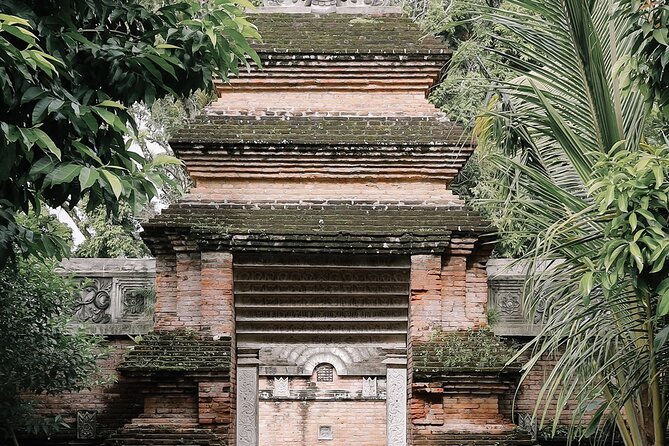
This is a practical tour for a practical goal: see three signature sights without spending your whole day jumping between temples and ticket lines. The big value piece is that it’s private and guided, so your time goes to understanding places rather than figuring out where to stand or what to look for.
The price (listed at $73.08 per person) is positioned for a busy visitor schedule. What helps the value: you get a professional English-speaking guide, air-conditioned transport with a driver, and entrance fees for the main listed stops. Your Kota Gede stop is explicitly set as free admission, which keeps the total cost more predictable.
Also, you’ll want to check how your pickup area affects the price you actually pay. Transfers are included only for stays in downtown Yogyakarta. If you’re farther out or starting from places like Borobudur, Prambanan, or the international airport, the tour data says supplements apply.
If you’re the type who enjoys cultural sites with context, this half-day format works well. If you’re chasing a long list of attractions, you’ll feel the time limit. Five hours is tight—so it’s best for focus, not for “everything in one day.”
You can also read our reviews of more tours and experiences in Yogyakarta.
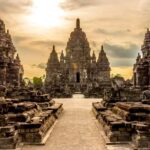

Entering the Kraton: Sultan’s Palace and Daily Life Culture
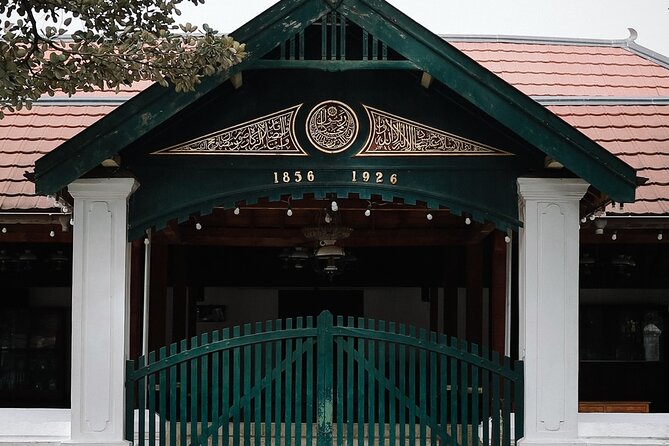
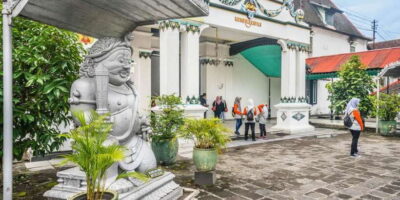
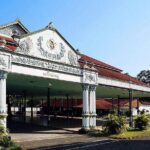
Your morning starts at the Kraton, Yogyakarta’s sultan’s palace. It sits right in central Yogyakarta and was founded in 1755. This matters because you’re not just looking at an old building; you’re stepping into a place shaped by ongoing court tradition.
The tour sets aside about two hours here and includes admission. That’s a sensible amount of time, because the Kraton’s layout can feel big, and the meaning behind different areas is easier with an actual guide. You’ll learn what the palace represents and how it fits into the city’s identity.
One detail I appreciate about this specific schedule: the tour is designed around the palace’s opening hours. The Kraton is open daily from 8:00 am to 2:00 pm, but on Fridays it closes at 1:00 pm. It’s also closed on national/public holidays and on Keraton-recognized holidays. This is why this experience operates in the morning—so you don’t arrive to locked gates.
Practical note: plan for heat. Even though mornings can feel manageable, Yogyakarta can still be bright and intense. Bring sunglasses and sun protection, because you’ll be outside.
Tamansari Water Castle: 1758 Pleasure Gardens, Not Just Pretty Views
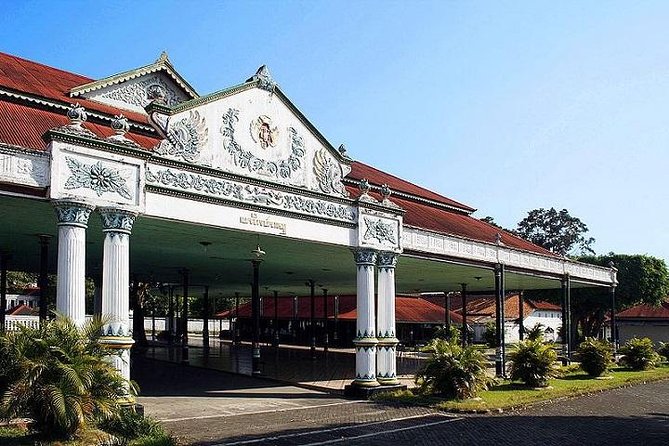
From the Kraton, the tour moves to the Water Castle (Tamansari), and the distance is short—about 250 meters away. That’s a gift. When stops are that close, you lose less time on transit and gain time walking and looking.
Tamansari is scheduled for about two hours, and admission is included. The context here is key: Tamansari was built in 1758 by a prince, meant as a place of pleasure for the court—used by the prince and his harem. That framing changes how you experience the space. You’re not only noticing architectural fragments; you’re picturing how the place functioned for leisure.
You’ll walk around the pleasure park. Depending on conditions, you’ll likely notice the way water features relate to the layout, and why the area’s design served comfort and privacy. Even if you’re not a history nerd, the guide’s explanations help you see the logic behind what’s left today.
One realistic drawback: because Tamansari is an outdoors walking site, you’ll still want to manage sun and stamina. Also, electronic devices can suffer in outdoor humidity and exposure. The tour instructions specifically warn to wrap/protect your phone or camera from natural elements.
Kota Gede Craft Quarter: Silver Workshops and Batik Makers
After the palace-and-gardens focus, the tour shifts to Kota Gede, a historic neighborhood known for crafts—especially silver industry and batik production. This stop is shorter—about one hour—but it’s the kind of short stop that can still be meaningful.
Admission here is free, so you’re paying for the guide and the experience, not another ticket. Kota Gede is a good match for people who want to see how Yogyakarta’s famous crafts are made, not only how they’re sold.
Expect to find silver workshops and batik factories in the area. Even if you don’t plan to buy, it’s worth going because it shows the difference between watching a product being made versus looking at finished goods in a store.
Keep your pace practical. One hour can turn into “just shopping” if you don’t have a plan. A guide can help you target the kind of workshop experience you actually want—street-level viewing, demonstrations if available, or simple explanations of process.
If you do want to buy, do it with patience. Crafted items vary hugely in quality and price, so treat it like you’re visiting a workshop district, not a random market stop.
The Guide Factor: Private Time, Real Explanations, and Flexibility
This tour runs on a full private basis with a professional English-speaking guide. Languages other than English are available on request, depending on availability, and the tour notes that supplementary charges may apply. That matters if you’re traveling with someone who prefers not to use English the whole day.
The most valuable part of a private guided tour isn’t the vehicle or the tickets—it’s the explanations tied to what you’re actually standing in front of. In the feedback for this tour, one guide named Ditto comes up for exactly this: being happy to accommodate a group’s interests. In one instance, he added a luwak coffee stop to show the process and let people taste, plus a batik place to witness production. That tells you something important: if your group wants a quick craft-related detour (and time allows), the guide may try to make it happen rather than treating the schedule like a rigid checklist.
Another name you may see attached to smooth operations is Azhar, praised for professional handling from pickup through drop-off, plus clear explanations.
What I’d take from that: you’ll get a guide who doesn’t just recite facts. If you ask good questions—how court life worked, what you’re seeing in the palace layout, why certain crafts concentrate in Kota Gede—you’re likely to get more than surface-level answers.



Getting the Timing Right: Why 8:30 am Matters
The tour starts at 8:30 am. That isn’t just a random wake-up call. The Kraton’s opening hours and holiday closures force the schedule to lean morning-focused.
As noted, the Kraton opens at 8:00 am and closes at 2:00 pm, but on Fridays it closes early at 1:00 pm. It also closes on national/public holidays and Keraton-recognized holidays. Starting early gives you a safer buffer and helps the day fit smoothly: Kraton first, then the close hop to Tamansari, then Kota Gede before the heat ramps up.
If you’re the type who hates rushing, the morning start can feel better because the day doesn’t collapse into a late-afternoon scramble. You also get the advantage of shorter lines and calmer streets earlier in the day.
If you’re hoping to sleep in and start later, this tour doesn’t match that style. This one is for morning people—or at least morning-tolerant people.
Transport and Transfers in Central Yogyakarta: Easy in Town, Complicated Out of It
This tour includes round-trip hotel transfers by air-conditioned vehicle, but only for people staying in downtown Yogyakarta. If you’re staying in areas outside that downtown zone—including the Borobudur and Prambanan regions or the Yogyakarta International Airport—the tour states that transfers aren’t included and supplements apply.
So, if you want the simplest version of this experience, base yourself centrally. The tour instructions also say they’ll confirm the exact pickup time when you reserve, and if they can’t confirm in advance due to operations, you’ll be informed the day before.
There’s also an upgrade option for more premium transport. If comfort matters to you—especially for family groups or anyone who wants extra space—this can be worth considering. Still, the core value is that the vehicle reduces friction between stops that are spread across central Yogyakarta.
Practical Tips That Make This 5-Hour Day Feel Comfortable
This tour is labeled moderate physical fitness. That usually means: comfortable walking, some standing, and outdoor exposure—but not a major hike. You’ll likely be on your feet for most of the palace and garden blocks.
Here’s what you should bring based on the tour guidance:
- Sunglasses, hat/cap, and high-SPF sunscreen (even if the sky looks cloudy)
- Your phone/camera protected from outdoor elements
- A water habit for the day (the tour doesn’t list drinks, so plan for your own)
Also remember: the tour emphasizes environmental protection. You shouldn’t expect animal encounters or anything that violates wildlife and environment safeguards. If your travel priorities include that kind of activity, this tour may not fit.
Finally, consider pacing yourself at Kota Gede. One hour is short. Go with a rough idea: do you want to watch how silver is handled, or do you want batik focus, or do you want both with a lighter shopping plan?
Who This Tour Fits Best (and Who Might Want Another Option)
This is a strong fit if you:
- Want a tight half-day with clear, iconic stops
- Like having a guide explain context at each site
- Are staying in central Yogyakarta and want easy pickup/drop-off
- Want craft culture as part of the day, not only palaces and temples
You might skip it if you:
- Want a full-day temple circuit (this isn’t designed for that scale)
- Prefer to start late or don’t do well with morning schedules
- Are traveling from outside the included pickup zones and don’t want to deal with transfer supplements
If you’re doing multiple big sights in Java, this can be the “culture reset” day between heavier itinerary items. If it’s your first time in Yogyakarta, it also gives you orientation fast.
Should You Book Yogyakarta’s Essentials in Half a Day?
Yes, I’d book it if your goal is smart, focused Yogyakarta sightseeing with fewer logistics headaches. The pairing of Kraton + Tamansari + Kota Gede covers three sides of the city: court tradition, planned leisure architecture, and working craft neighborhoods.
The value case is strongest when:
- You can use the included downtown hotel transfers
- You’re going on a day when the Kraton isn’t affected by holiday closures
- You’ll take advantage of your guide time instead of treating it like a drop-off-and-wander tour
The main reason to hesitate is the morning-only structure. If you can handle an early start, you’ll likely find this is a high-efficiency way to see a lot without feeling like you’re constantly on the move.
FAQ
What time does the tour start?
The tour starts at 8:30 am.
How long is the Yogyakarta essentials half-day tour?
It runs for about 5 hours.
Is this tour private or shared?
This is a private tour. Only your group participates.
What languages are available?
English is available with the guide. Other languages are on request and are subject to availability and possible supplementary charges.
Are entrance fees included?
Yes. Admission tickets are included for the Kraton and Tamansari. Kota Gede is listed as free admission.
Does the price include hotel pickup and drop-off?
Round-trip hotel transfers are included only for customers staying in downtown Yogyakarta. Other areas like Borobudur, Prambanan regions, and the Yogyakarta International Airport are excluded and may require supplements.
What should I bring for the tour?
Bring sunglasses, a hat or cap, and high SPF sunscreen. The tour notes that sunrays can be strong even on cloudy days.
Is cancellation free?
Yes, there is free cancellation. You can cancel up to 24 hours in advance for a full refund. Canceling less than 24 hours before the start time is not refunded.