REVIEW · YOGYAKARTA
From Yogyakarta: Tumpak Sewu, Bromo, and Ijen 4-Day Tour
Book on GetYourGuide →Operated by YKExplore · Bookable on GetYourGuide
Volcano mornings start before your alarm. This 4-day Java route strings together Tumpak Sewu waterfall hiking, Mount Bromo sunrise by jeep, and an early-morning Ijen crater experience that feels both raw and human-scale.
I like how much is handled for you: pickup, air-conditioned driving, guides who speak English, and the key timed moments. The other thing I really appreciate is the mix of effort and reward, so you earn the views without feeling like you’re just riding buses all day.
One caution: the Ijen blue flame isn’t guaranteed, and the sulfur conditions can be intense. Plan for the hike and crater views even if blue fire doesn’t show up, and come ready for cold mornings and steep steps.
In This Review
- Key things that make this 4-day tour work
- The Yogyakarta to East Java route, in plain terms
- Day 1: Pickup and the Malang night that sets you up
- Day 2: Tumpak Sewu Waterfall, the “Grand Canyon” hike feel
- Day 3: Mount Bromo sunrise with jeep and the Sea of Sand
- Day 4: Ijen crater hike, blue flame reality check, and sulfur-miner life
- A practical approach if blue flame conditions are rough
- Guides and comfort: why this type of tour feels safer
- Small-group or private options
- Price and value: what $479 covers and what you must budget
- Why the value can be good for you
- Your personal budget tip
- What to pack for three very different days
- Pace yourself
- Should you book this Yogyakarta to East Java volcano combo?
- FAQ
- Is the Ijen blue flame guaranteed on this tour?
- What’s included in the price?
- Are lunch and dinner included?
- What should I bring for Tumpak Sewu, Bromo, and Ijen?
- Who should not join this tour?
- Do I get a free cancellation window?
Key things that make this 4-day tour work
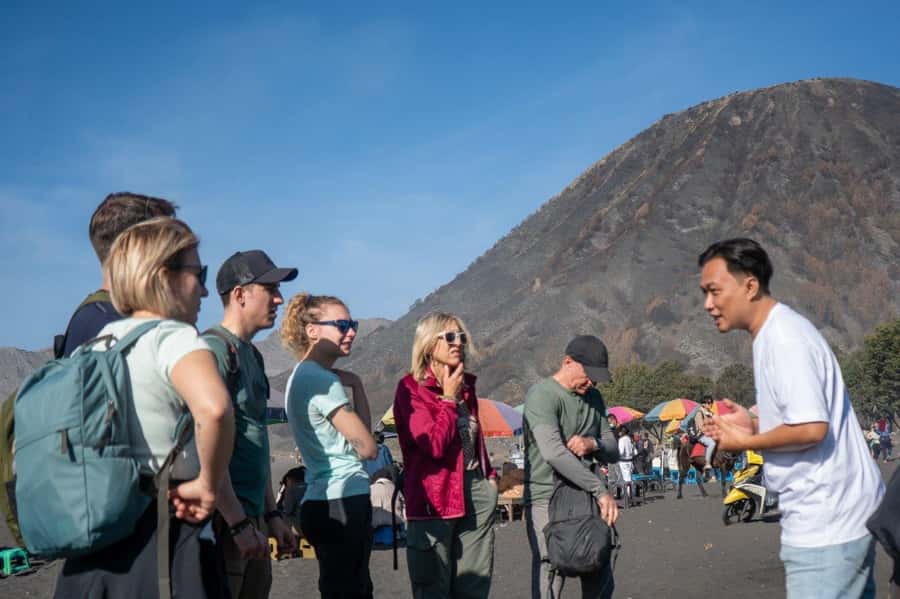
- English-speaking guide + permits handled: you don’t get stuck at ticket lines or with language stress.
- Bromo sunrise with jeep: you get to the viewing area early, with the right vehicle for the terrain.
- Tumpak Sewu hike gear matters: water-ready shoes and clothes are the difference between fun and misery.
- Ijen crater hike with flashlight: you’re not doing this in the dark with guesswork.
- You’ll see sulfur miners up close: the caldera is active and lived-in, not just a photo stop.
- Shared rooms keep the price down: expect budget-standard lodging if you don’t choose private.
The Yogyakarta to East Java route, in plain terms
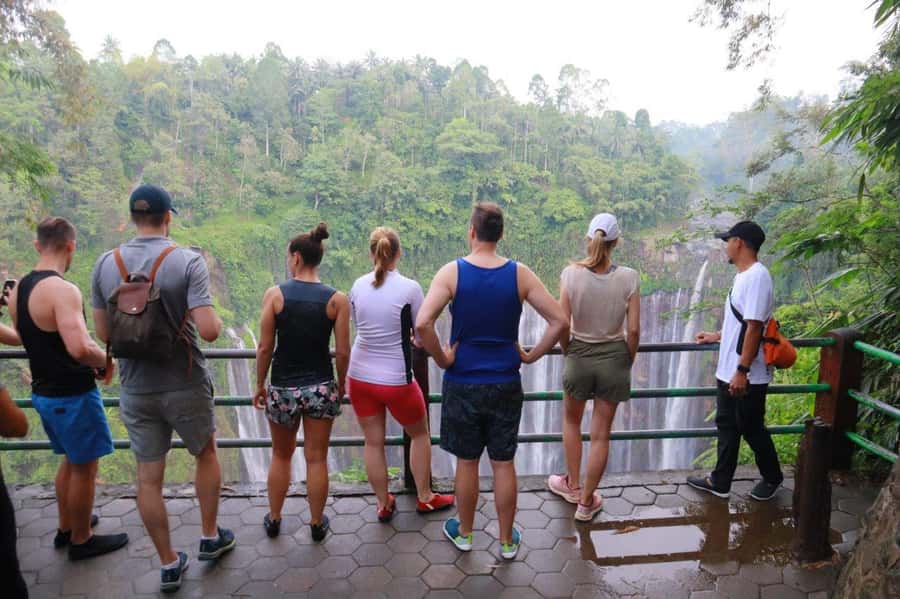
This is a full-on movement tour. You start in Yogyakarta, then the driving legs do most of the heavy lifting, with three different volcano/daybreak experiences that require early starts and steady walking.
Day 1 focuses on getting you into the right base area (Malang) so you’re not scrambling the same day you chase sunrise. Then it swings to Tumpak Sewu for a daytime waterfall hike, and on Day 3 you’re up before dawn for Bromo. Day 4 goes to Ijen and then onward to Ketapang Harbor for your departure.
For me, the biggest value in the route is pacing. Instead of trying to do everything from one hotel, you sleep in the areas that cut driving time and reduce the chance you miss the big timed moments.
You can also read our reviews of more tours and experiences in Yogyakarta
Day 1: Pickup and the Malang night that sets you up
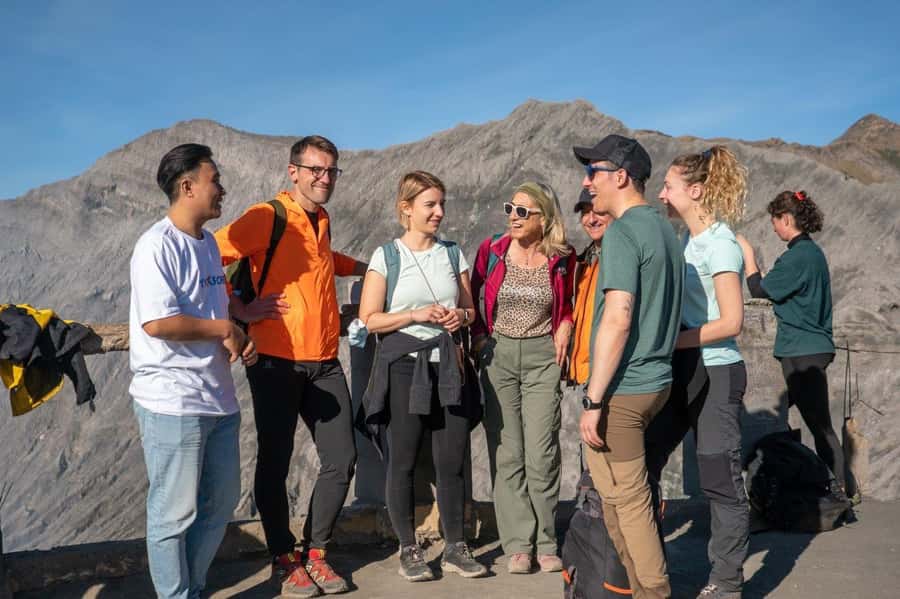
Your day starts with pickup from the Special Region of Yogyakarta, and you’re expected to be ready about 15 minutes before the scheduled pickup. That small detail matters, because the whole plan runs on early timing.
From there, you head toward Malang, passing countryside views on the way. When you arrive, you get transferred to your accommodation and can reset after travel. There’s no pressure to cram sightseeing into the same day; it’s a practical buffer night so Day 2 and Day 3 start with less stress.
Why this works for you: Malang puts you in a better position for East Java volcano logistics. It also helps you sleep more than if the trip tried to start and finish from the same city every time.
Day 2: Tumpak Sewu Waterfall, the “Grand Canyon” hike feel
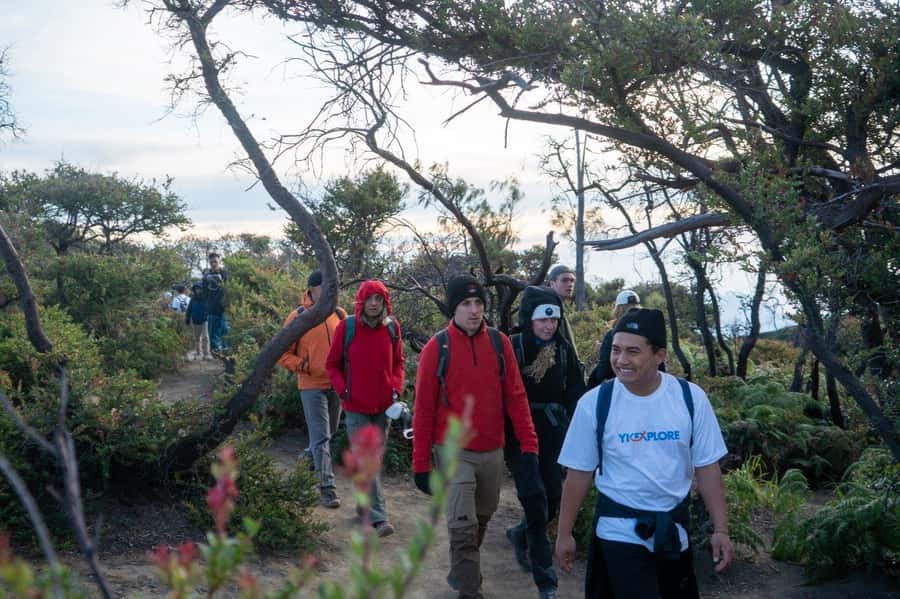
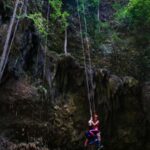
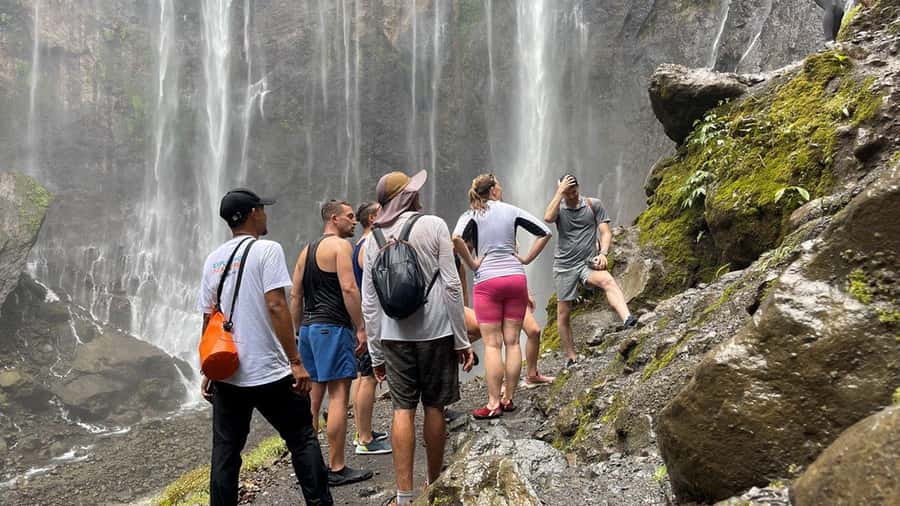
Tumpak Sewu is the kind of place where you’ll quickly understand why they call it the canyon-style waterfall region. The day begins with breakfast, then you drive out and soak in the lush plantation-and-rice-field scenery along the way.
Once you reach the waterfall area, you hike to see the falls framed by dense greenery. This isn’t a flat stroll. You’re moving over uneven ground with the likelihood of getting wet, because the waterfall zone is essentially a splash zone.
I’d treat this day as your “get it right early” moment:
- Wear hiking shoes you don’t mind soaking.
- Bring rain gear or clothing that can handle sudden misty conditions.
- Plan on water-wet clothes, because the payoff is worth it.
You also get a picnic-style lunch set in the natural setting before continuing on toward your hotel near Mount Bromo. That lunch pause helps break up the day and stops the tour from turning into nonstop driving.
Potential drawback to consider: if you show up without water-ready footwear, Tumpak Sewu can feel like a chore. If you’re prepared for wet conditions, it turns into one of the more memorable hikes on Java.
Day 3: Mount Bromo sunrise with jeep and the Sea of Sand
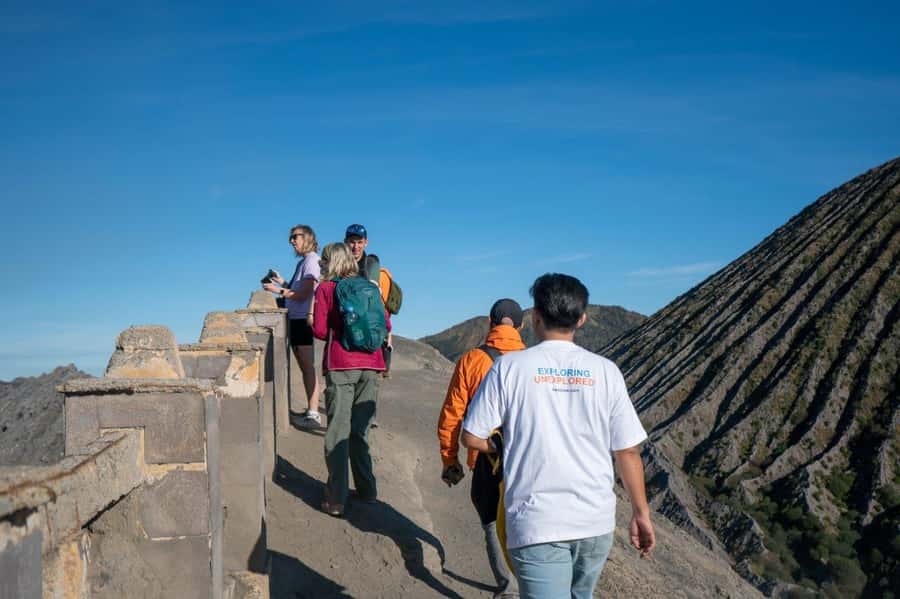
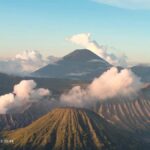
Day 3 is a classic “wake up, then go” day. You leave for Mount Bromo before dawn, aiming for a viewpoint where the first light hits the volcanic terrain.
The drive to the viewpoint is part of the show. Once there, you watch the sun rise over Bromo crater and the wide Sea of Sand below. It’s the kind of scene that’s hard to describe without sounding dramatic, but here’s the practical truth: the timing and viewpoint access make the difference, and this tour focuses on getting you there on schedule.
Bromo is also where you’ll feel the altitude. It can be cold. Warm clothing is not a suggestion.
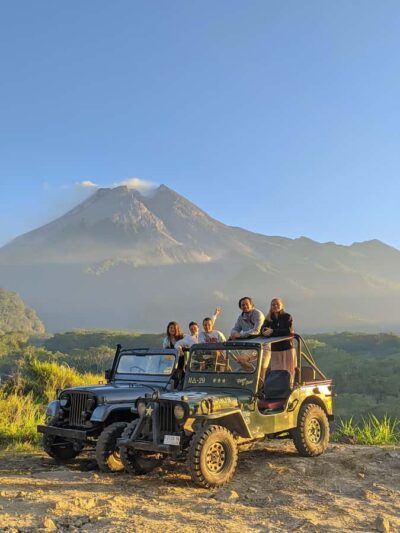
A nice detail: the tour includes a jeep for Bromo, which matters because this area isn’t designed for a lazy approach. You’ll need the right vehicle for the terrain, and you’ll also save yourself time and hassle.
What to bring for Bromo
- Warm clothing (it can feel colder than you expect at sunrise).
- Hiking shoes that grip well.
- Extra layers you can peel off later.
Food note: at Bromo, finding vegetarian-friendly options can be tricky. If you follow a strict diet, it’s smart to pack something you know you can eat, just in case.
Day 4: Ijen crater hike, blue flame reality check, and sulfur-miner life
Day 4 is the most intense physical day for most people, and it’s also the most unpredictable in terms of what you’ll actually see.
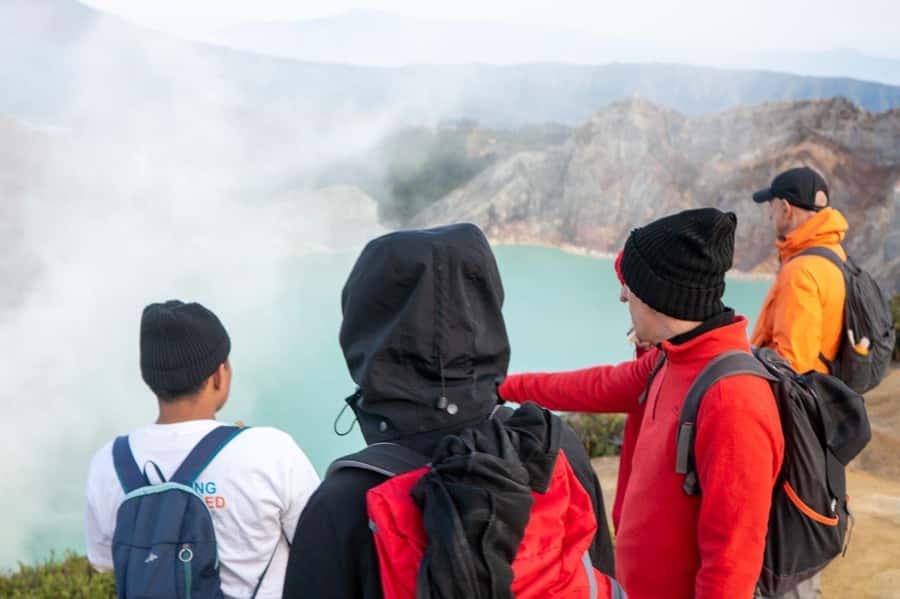
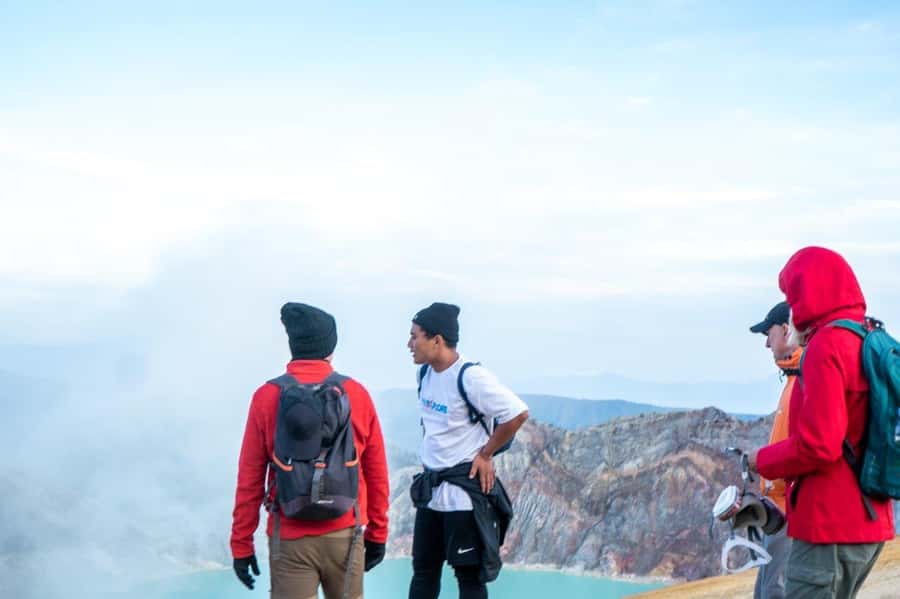
You’ll head to the Ijen caldera, where you get views of the striking turquoise acid lake. The big headline is the blue flame (often called blue fire), but the tour data is honest: the appearance can’t be guaranteed. It depends on weather and the sulfur gas intensity at the time you visit.
You’ll hike up to the viewpoint area, and along the route you may encounter local sulfur miners working as they do every day. That’s one of the reasons the Ijen experience feels real. This isn’t a theme-park volcano. It’s an active working landscape where people live alongside the fumes and heat.
The tour provides a flashlight (for Ijen) and also mentions a health certificate, which hints at how regulated and safety-conscious this hike is meant to be.
A practical approach if blue flame conditions are rough
In conditions where sulfur gas is strong, the hike and viewpoint experience can be uncomfortable. I’d plan your mindset like this: the turquoise lake and the crater view are already the “main event.” If blue flames appear, great. If they don’t—or if conditions are irritating—your best move is to focus on the crater scene and keep yourself steady and safe on the return.
Some hikers advise not trying to go further for blue flame descent if the gas is hurting your eyes, because the descent is described as grueling and the environment can be harsh.
Who should skip or reconsider Ijen: the tour isn’t recommended for people with respiratory problems due to sulfur fumes, and it’s not suitable for pregnant women or children under 5. If you know you have breathing sensitivity, take that seriously and choose a calmer plan.
After your Ijen time, you’ll transfer to Ketapang Harbor to finish the trip.
Guides and comfort: why this type of tour feels safer
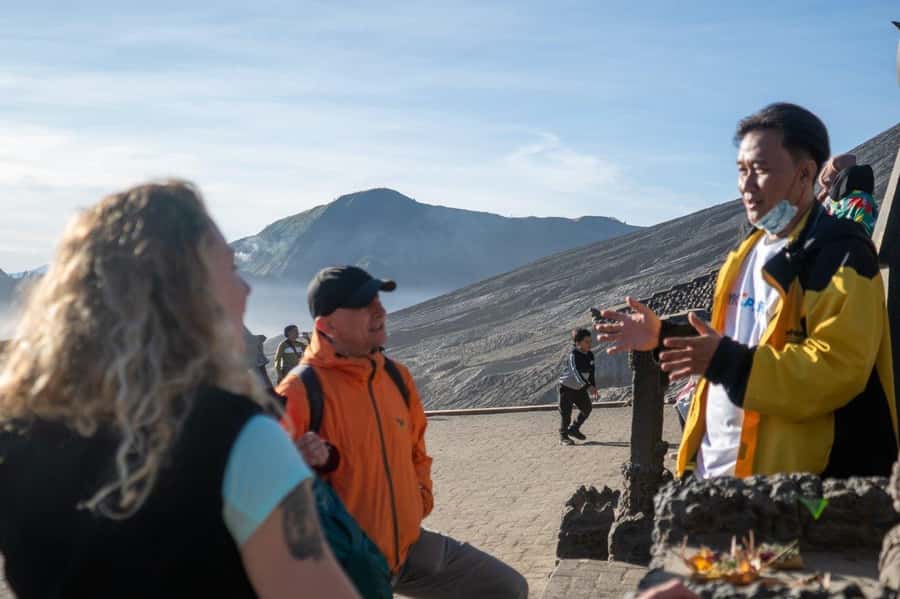
A big part of why people rate this so highly is organization and calm driving. In examples from past travelers, guides like Yuangga, Bima, and Baggus (Mr. BG) are praised for being professional, patient, and genuinely knowledgeable. Drivers such as Arif are also mentioned for getting everyone to each stop safely.
That matters on Java volcano days, because timings are strict and roads can be long. An air-conditioned vehicle helps on the transfer days, and it’s a real quality-of-life improvement during the drive from Yogyakarta toward East Java.
You’ll also have an English-speaking guide on the trip. The tour lists languages as English, Malay, and Indonesian, which is a nice fallback if your English isn’t your strongest.
Small-group or private options
There are private or small-group options. Some travelers ended up with a smaller group than expected, which can make the experience feel more personal and flexible. If you’re traveling with a group, private can also reduce waiting time for hotel pickups—though the tour still keeps standard safety timing.
One caution from the real world: vehicle size can vary. If the tour description shows you a budget-friendly plan, double-check what type of vehicle you’ll get for your private booking, especially if you’re sensitive to motion or long drives.
Price and value: what $479 covers and what you must budget
At $479 per person, this is not a cheap “see three places” package. It does, however, bundle the most expensive parts of the logistics: multi-day transport, guide time, key entry permits, and several meals and night(s) of lodging.
Here’s what’s included:
- 3 nights accommodation
- Breakfast on days 2–4
- Air-conditioned transportation
- English-speaking driver and guide
- All entrance fees and permits
- Jeep for Bromo
- Flashlight for Ijen
- Health certificate related to Ijen
- A Bali transfer from Gilimanuk Ferry Port if an add-on is selected
What’s not included:
- Lunch and dinner
- Travel insurance
- Tipping for driver and guide
- Personal expenses
Why the value can be good for you
If you tried to DIY this route, you’d spend a lot of time coordinating transport, paying for separate tickets/permits, and risking missed sunrise timing. The tour pays for that coordination so you can focus on the sights.
Your personal budget tip
Because lunch and dinner are on you, plan simple backup meals—especially if you’re vegetarian. If food options are limited during transit or near volcano areas, snacks and backup items are your friend.
What to pack for three very different days
This tour gives you the basics (flashlight for Ijen, warm gear not included), so you should pack for weather changes and messy terrain.
From the tour guidance, bring:
- Warm clothing (cold mornings, especially Bromo sunrise)
- Hiking shoes (with grip)
- Rain gear (mist and rain can show up fast)
- Water shoes (for Tumpak Sewu wet conditions)
Also think about small comfort upgrades:
- A dry bag or zip-lock for electronics in case your day gets rainy
- Blister prevention if you hike often
- Sunglasses or eye protection if sulfur fumes at Ijen irritate your eyes
Pace yourself
This route includes moderate hiking. The waterfalls and crater viewpoints demand steady legs more than athletic jumps. If you’re fit, you’ll enjoy it more. If you’re not, go slower and accept that the views require effort.
Should you book this Yogyakarta to East Java volcano combo?
If you want an organized route that hits Tumpak Sewu + Bromo sunrise + Ijen crater in four days, this is a strong fit. The biggest win for most people is convenience: pickup, AC transport, guide support, permits, and getting you to viewpoint timing without guessing.
I’d especially recommend it if:
- You don’t want to handle permits, entry lines, and timed sunrise logistics alone.
- You’re comfortable with early mornings and moderate hiking.
- You like the mix of dramatic nature and real working life (Ijen miners).
Skip or choose carefully if:
- You have respiratory issues (sulfur fumes are a deal-breaker for this tour).
- You’re pregnant or traveling with a very young child (not suitable).
- You’re expecting the blue flame as a guaranteed show. It isn’t. You need to enjoy the crater views even without it.
- You’re vegetarian and hate the idea of packing backup food. It can be harder around some volcano stops.
If you show up with the right shoes, warm layers, and realistic expectations about the Ijen blue flame, you’ll likely feel like your $479 bought you more than sightseeing. It buys you the ability to actually experience the hard parts on time, with less hassle.
FAQ
Is the Ijen blue flame guaranteed on this tour?
No. The tour states the appearance of the Ijen blue flame cannot be guaranteed because it depends on weather conditions and the intensity of the sulfur gas at the time of your visit.
What’s included in the price?
You get 3 nights accommodation, breakfast on days 2–4, air-conditioned transportation, an English-speaking driver and guide, entrance fees and permits, jeep (Bromo), flashlight (Ijen), and a health certificate (Ijen). An optional Bali transfer from Gilimanuk Ferry Port is available if you select the add-on.
Are lunch and dinner included?
No. Lunch and dinner are not included, so you’ll need to plan your own meals during the day.
What should I bring for Tumpak Sewu, Bromo, and Ijen?
Bring warm clothing, hiking shoes, rain gear, and water shoes. The tour specifically warns that Ijen involves sulfur fumes and Tumpak Sewu can be wet.
Who should not join this tour?
It’s not recommended for pregnant women, children under 5, and people with respiratory problems due to sulfur fumes at Ijen Crater.
Do I get a free cancellation window?
Yes. You can cancel up to 24 hours in advance for a full refund. The tour also offers reserve now & pay later.