REVIEW · BOROBUDUR
Borobudur: Village Tour with Pottery and Tofu Making
Book on Viator →Operated by Jaker Tour Borobudur · Bookable on Viator
Clay, batik, and tofu in the Borobudur area. This is the kind of tour that shifts your focus from temple views to the everyday crafts happening just outside the gates. You follow a local guide around small village stops, learn how makers work, and get time to try at least part of the process yourself.
I especially like the hands-on format at Gerabah Klipoh, where you get 40 minutes to work with clay and create a personal souvenir. I also like the added cultural stop at Tingal Wanurejo Borobudur Magelang Jawa Tengah, where batik is part of the experience and you may be able to practice what you’re seeing.
One consideration: entrance fees are not fully covered across all stops, so you’ll want to expect extra costs beyond the ticket price, depending on what’s required at the batik visit.
In This Review
- Key highlights at a glance
- Why this Borobudur craft tour feels different from a temple-only day
- The $79 value: what’s included, what isn’t, and how to budget
- Stop 1: Gerabah Klipoh pottery village and your clay craft lesson
- Stop 2: Tingal Wanurejo Borobudur Magelang Jawa Tengah for batik practice
- Toffee side trips? No. Tofu, rice snacks, and coffee fit the village-craft rhythm
- The guide factor: local context near the temple
- Group style, private tour setup, and how to plan your day
- Transportation and tickets: mobile ticket and easy meeting point access
- Who this tour suits best (and who might want to choose differently)
- FAQ
- FAQ
- How long is the Borobudur village tour with pottery and tofu making?
- How much does the tour cost?
- What’s included in the price?
- Are meals included?
- Are entrance fees included for all stops?
- What stops are included in the itinerary?
- Is there a Borobudur Temple viewing or visit?
- Where do you meet, and where does the tour end?
- Is the tour private?
- How does confirmation work after booking?
- What are the cancellation rules?
- Should you book this Borobudur village tour?
Key highlights at a glance
- Gerabah Klipoh pottery village with a hands-on clay craft session (admission included)
- Batik learning and practice at Tingal Wanurejo (admission not included)
- Tofu and local food tasting moments tied to village life and small-producer culture
- Local guidance from people living near Borobudur for better context than a quick drive-by
- Short 2 to 3 hour plan that’s easier to fit between bigger temple or sightseeing days
Why this Borobudur craft tour feels different from a temple-only day
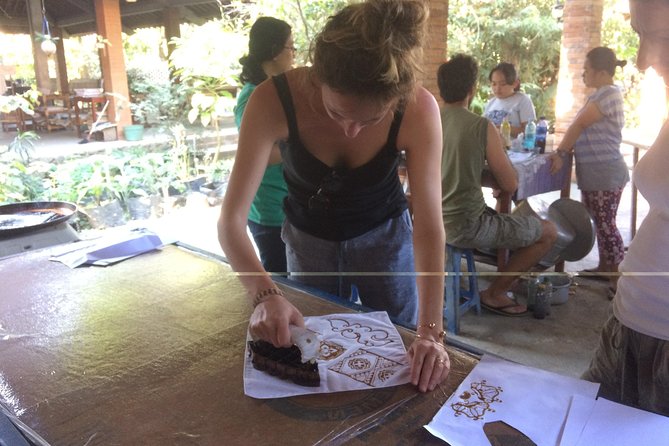
Borobudur is easy to experience like a checklist: arrive, look, take photos, move on. This tour keeps you in motion, but with a different payoff. Instead of focusing on stone, you’re watching skills get made, explained, and passed on in places that feel lived-in.
What makes it work well for you is the time structure. In about 2 to 3 hours, you hit multiple micro-stops around the Borobudur outskirts—pottery village first, then a batik stop, with opportunities tied to local food like tofu and snack culture. It’s a fast way to understand why this region has so many small workshops.
You can also read our reviews of more tours and experiences in Borobudur.

The $79 value: what’s included, what isn’t, and how to budget
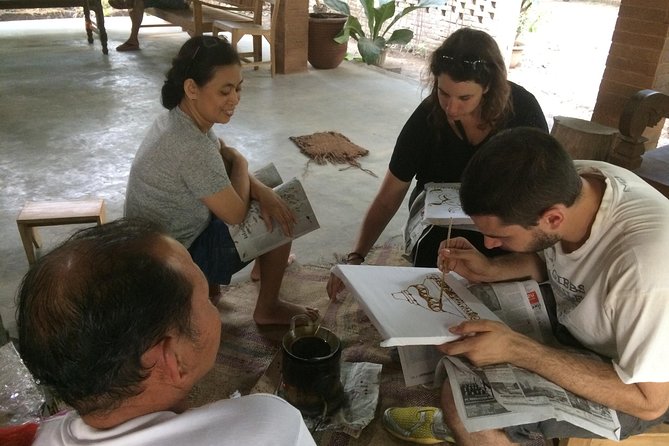
At $79 for a 2 to 3 hour village tour, the value is mainly in the experiences you’re buying: guided visits to craft areas plus a hands-on pottery session. Bottled water is included, and admission is included for the first pottery stop.
The part to plan for is that not every stop is covered in the same way. The batik stop notes that admission ticket is not included, and meals aren’t listed as included at all. So if you’re the type who likes to avoid surprises, set aside a little extra for any entry fees that come up at the second workshop, plus snacks if you get hungry.
Stop 1: Gerabah Klipoh pottery village and your clay craft lesson
Your first stop is Gerabah Klipoh, a pottery village where you’ll spend about 40 minutes working with clay. This is the best-defined portion of the itinerary because it includes the admission ticket and explicitly includes practicing how to create a handicraft using clay.
Here’s what you’ll likely find satisfying: you’re not just watching from the sidelines. The format is designed so you get hands-on time to learn the basics and make your own item. Even if you’re not an artsy person, this is one of those activities where effort converts into a tangible souvenir.
A practical note for you: clay crafts can be messy. The tour does not mention any special gear or towel, so wear or bring something you don’t mind getting a bit used-in, and keep your expectations realistic for a short workshop. The goal is learning and making something small, not producing a studio-level masterpiece.
Stop 2: Tingal Wanurejo Borobudur Magelang Jawa Tengah for batik practice
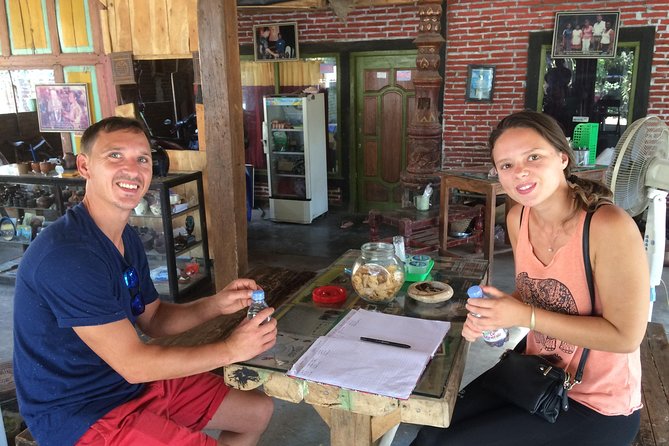
Next comes Tingal Wanurejo Borobudur Magelang Jawa Tengah, with about 30 minutes focused on batik. The plan is built for you to check out handmade work and learn through practice, but the key detail is that admission ticket is not included here.
That admission detail matters because it changes how you budget on the day. If you want to stay on schedule without stress, plan to pay any entry-related costs directly when you arrive at the batik area. Also, since the time is shorter than the pottery stop, treat this part as a quick introduction and hands-on trial rather than a long, detailed course.
Toffee side trips? No. Tofu, rice snacks, and coffee fit the village-craft rhythm
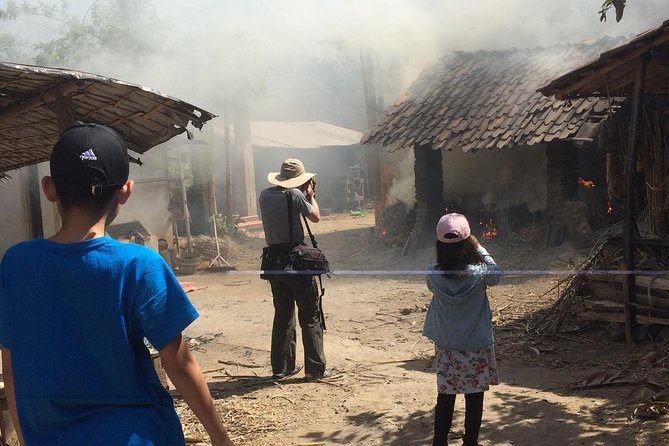
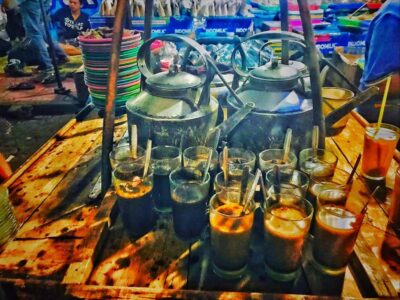
Even though the schedule is short, the experience is clearly shaped around village production. The overall concept includes more than pottery and batik. The village route is described as a way to uncover surrounding industries, including artisanal tofu and local rice snack culture, along with tastes like tofu and coffee during the visit.
Why this matters to you: crafts feel more meaningful when you understand the day-to-day economy behind them. A pottery studio or batik workshop doesn’t exist in a vacuum. It’s part of a wider network of small makers—food included—so sampling and snack breaks help you connect the dots faster than a lecture ever could.
If you have dietary constraints, keep it simple: ask what’s being offered and how it’s prepared. The tour data doesn’t list meal specifics, so it’s safest to think in terms of tasting rather than a full sit-down meal.

The guide factor: local context near the temple
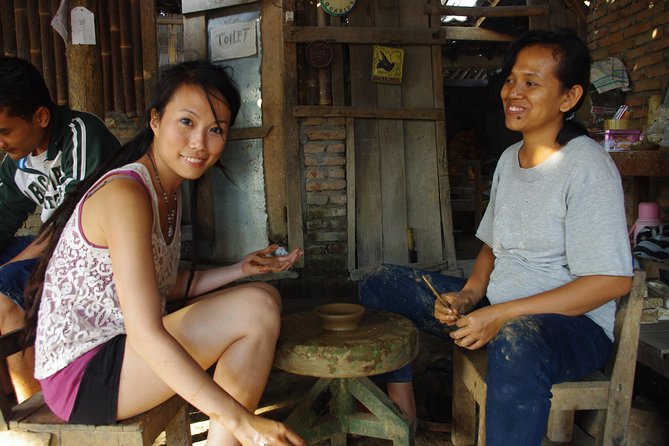
A big part of the tour’s appeal is that your guide is local—someone who lives near the Borobudur area. You’re not just getting directions. You’re getting explanations that help you place what you’re seeing into how the village works day-to-day.
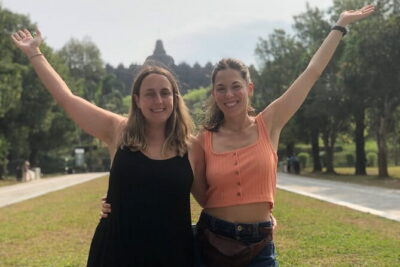
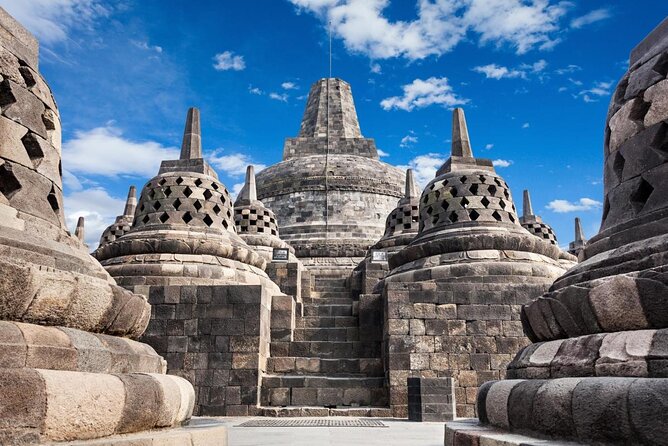
You’ll also get chances to appreciate landmarks and even see the Borobudur Temple as part of the broader village walk. The tour isn’t framed as a temple ticket experience, but the view and orientation can still sharpen your next temple visit. You’ll likely come away with a better sense of what sits where and why locals treat the temple as part of their world, not just a tourist site.
Group style, private tour setup, and how to plan your day

This is listed as a private tour/activity, with only your group participating. That’s a real plus if you want a calmer pace than a crowded group bus tour, and it also makes it easier to ask practical questions during the workshops.
The itinerary is built for efficiency, not long hanging out. With stop times like 40 minutes and 30 minutes, you should plan for a steady rhythm: short travel between places, brief introductions, then hands-on learning or viewing.
You’ll also start and end at the same meeting point at Jl. Balaputradewa No.55, Dusun XVI, Borobudur, Kec. Borobudur, Kabupaten Magelang, Jawa Tengah 56553, Indonesia. That round-trip setup is helpful because you’re not trying to re-orient yourself with a return plan after the last stop.
Transportation and tickets: mobile ticket and easy meeting point access
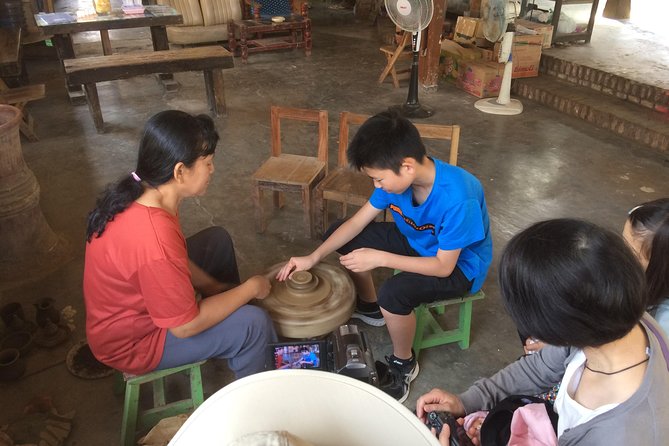
The tour notes it’s near public transportation, which helps if you’re mixing this with other Borobudur-area plans. It also lists a mobile ticket approach, which is useful if you’re keeping everything on your phone instead of printing.
Because admission is included only for the pottery stop, it’s smart to hold off on assuming everything is covered. Keep some budget flexibility for the batik visit. If you’re using this as one of several paid stops during the day, you’ll feel better knowing which parts are already included.
Who this tour suits best (and who might want to choose differently)
This tour is a strong fit if you want an authentic, hands-on slice of Borobudur-area village life. It’s especially good for you if you like small workshops and short, practical learning sessions where you can actually make something, even for a limited time.
It’s also a good choice for you if you’re staying in the Borobudur area and want something that’s not another temple climb. The craft focus gives your day variety, and the guide context makes the area feel more connected.
If you’re the kind of traveler who wants long workshop time, a full meal included, or a temple entry included, you may find the format a bit short and the inclusions a bit limited. The duration is tight and the schedule is workshop-light compared to a multi-hour class.
FAQ
FAQ
How long is the Borobudur village tour with pottery and tofu making?
It runs about 2 to 3 hours.
How much does the tour cost?
The price is listed as $79.
What’s included in the price?
Bottled water is included. Admission ticket is included for the first pottery stop (Gerabah Klipoh).
Are meals included?
No meal is listed as included.
Are entrance fees included for all stops?
No. Admission ticket for the pottery stop is included, but the batik stop notes that admission ticket is not included.
What stops are included in the itinerary?
The tour stops at Gerabah Klipoh for pottery and at Tingal Wanurejo Borobudur Magelang Jawa Tengah for batik.
Is there a Borobudur Temple viewing or visit?
The tour mentions that you can see Borobudur Temple during the experience as part of the guided route.
Where do you meet, and where does the tour end?
You start at Jl. Balaputradewa No.55, Dusun XVI, Borobudur, Kec. Borobudur, Kabupaten Magelang, Jawa Tengah 56553, Indonesia, and it ends back at the meeting point.
Is the tour private?
Yes. It’s described as a private tour/activity, with only your group participating.
How does confirmation work after booking?
Confirmation is received at the time of booking.
What are the cancellation rules?
You can cancel for free up to 24 hours in advance for a full refund.
Should you book this Borobudur village tour?
If you want your Borobudur day to include more than temple viewing, I’d book it. The combination of hands-on clay pottery plus another craft stop at a batik village gives you value in skills you can see and a souvenir you can take home.
It’s also a smart choice if you like shorter activities that fit cleanly into a tight itinerary. You’ll get local context from a guide, time with village makers, and at least some tasting moments connected to tofu and local snack culture.
Just go in with a simple mindset: this is a craft-route experience, not a full-day meal-and-museum plan. If you budget for possible extra entrance fees at the batik stop and remember that meals aren’t included, you’ll be set up for a smooth, rewarding outing.