REVIEW · YOGYAKARTA
1 day tour borobudur temple,prambanan temple,plaosan temple
Book on Viator →Operated by Borobudur temple Tour · Bookable on Viator
Three temples, one long day in Java. What makes this Yogyakarta tour worth your time is the way it stacks Borobudur, Plaosan, and Prambanan into a single route, so you can compare Buddhist and Hindu art without hopping hotel-to-hotel.
I like that you get real time to wander at each site, instead of just collecting photos and moving on. I also like the human touch: the guide support is often a big part of the value, and both Rio and Edho were praised for being attentive, English-friendly, and willing to tailor the day to what you want to focus on.
One consideration: the entrance tickets are not included, and that extra cost can be noticeable once you add it up for three temple sites. Also, 8 to 10 hours is a full day, so plan for heat, walking, and a late finish.
In This Review
- Key highlights worth planning around
- Why this Borobudur–Plaosan–Prambanan route makes sense
- Borobudur Temple: nine stacked platforms and what to do with your 2 hours
- Plaosan Temple: the Hindu-Buddha Siwabudha story at Bugisan
- Prambanan Temples: Trimurti focus and 47-meter tower drama
- Private ride + English-speaking driver: where the real value lives
- Price and logistics: is $105 a good deal here?
- The practical tips that make this long temple day feel easier
- Who this Borobudur–Plaosan–Prambanan tour fits best
- Should you book this tour?
- FAQ
- How long is the Borobudur, Plaosan, and Prambanan tour?
- What temples are included in this day tour?
- Is pickup included?
- Does the price include entrance tickets?
- What does the tour include besides transportation?
- Is this a private tour?
- How much time do I get at each temple?
- Are entrance tickets handled by the tour?
- Is the driver able to speak English?
- What is the cancellation policy?
Key highlights worth planning around
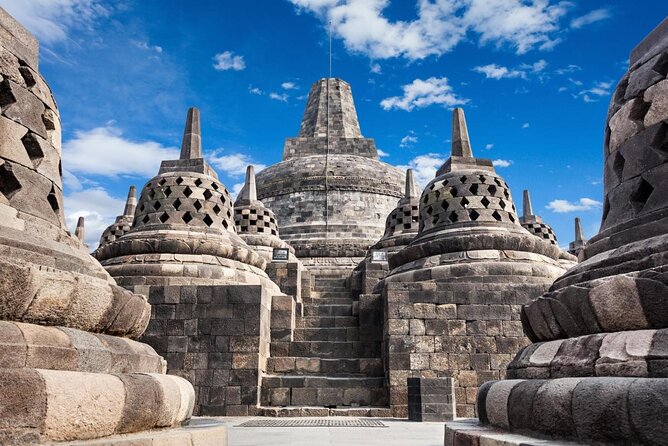
- A three-temple comparison day: Borobudur (Buddhist), Plaosan (Hindu-Buddha mix), Prambanan (Hindu)
- Time to actually wander: about 2 hours at Borobudur, 1 hour at Plaosan, and 2 hours at Prambanan
- Private air-conditioned transport: bottled water, fuel and parking handled, plus an English-speaking driver
- Plaosan’s Siwabudha angle: a rare chance to see a temple linked to both Hindu and Buddhist traditions
- Prambanan’s tall scale: Prambanan is known for its 47-meter towers and Trimurti dedication
- Guides who explain as you go: Rio and Edho were specifically noted for care and clear communication
Why this Borobudur–Plaosan–Prambanan route makes sense
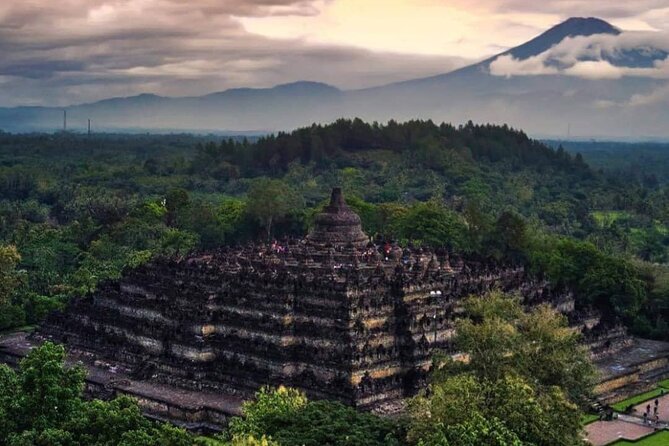
If you’re basing yourself in Yogyakarta, this tour is basically built around the big-name reason most people come to central Java: the chance to see Borobudur and Prambanan in the same trip. The smartest twist is the middle stop, Plaosan, which most first-timers skip because it’s less famous. That means your day doesn’t feel like a repeat of the same style. You get variety: stacked Buddhist stone, then a Hindu-Buddha blend at Plaosan, then Hindu grandeur at Prambanan.
The other reason this route works is practical. You’re not coordinating separate tickets, separate drivers, or separate timing for each site. You’re in one organized flow with a private ride, so you spend your energy on seeing things—not figuring out logistics.
Finally, this format is flexible in a way that matters. When the guide listens to what you care about, your temple time can be spent more intentionally. In past experiences with guides like Rio and Edho, the emphasis was on making sure you’re comfortable and can linger where you’re interested.
You can also read our reviews of more tours and experiences in Yogyakarta

Borobudur Temple: nine stacked platforms and what to do with your 2 hours
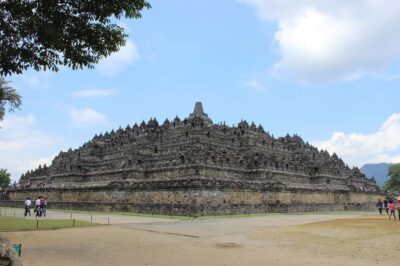
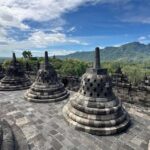
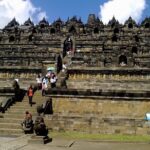
Borobudur is the largest Buddhist temple in the world and traces back to the 8th century. It’s famous not only because it’s big, but because the design is built like a sequence. The monument is made of nine stacked platforms—six square levels and three circular ones—so your visit naturally becomes a slow climb through layers of structure and symbolism.
Your allotted time here is about 2 hours, and I think that’s the right length for a first serious look. Two hours lets you:
- enter, orient yourself, and take in the overall layout
- spend time at key viewpoints rather than rushing every section
- slow down when you spot details in carvings or stonework
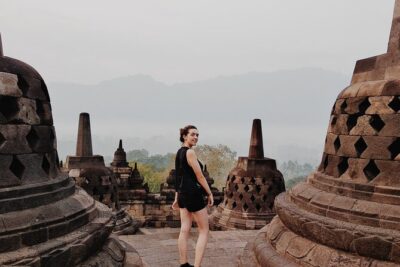
One timing note: at least one guided visit on this type of outing was framed around Borobudur at sunrise. If your tour timing supports an early start, it can change the feel of the site—cooler air, softer light for photographs, and fewer midday crowds. Even without sunrise, early morning tends to be easier for people who don’t love hot weather.
A possible drawback: Borobudur is visually detailed, and it’s easy to burn through your time chasing small elements. If you have limited energy, I’d choose a simple strategy: take in the full shape first, then zoom in on the carvings that catch your eye most.
Plaosan Temple: the Hindu-Buddha Siwabudha story at Bugisan
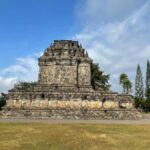
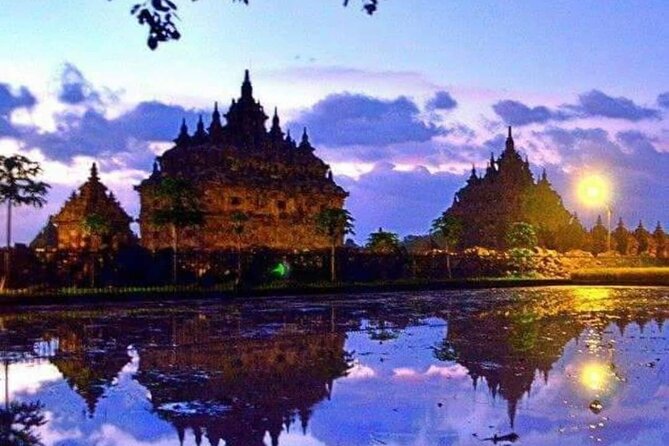
Plaosan Temple is the stop that gives this tour its personality. Located in Bugisan village, about 5 kilometers from Prambanan Temple, Plaosan doesn’t get the same rush of attention as the headline sites. That can be a good thing, because it gives you a calmer chance to notice how the architecture mixes traditions.
Plaosan was built by Rakai Pikatan in the 11th century as a gift to his wife, Pramudyawardani. The big idea people associate with this site is called Siwabudha—often explained as a Hindu-Buddha connection reflected in the temple design. In other words, you’re not only seeing religious iconography; you’re seeing a blend of influences tied to a couple and a political era.
Because Plaosan is scheduled for about 1 hour, you won’t have time for deep study of every carving. But that hour is enough to catch the main pattern: the way Hindu and Buddhist elements appear together. I like this because it keeps your day feeling balanced. After the massive scale at Borobudur, Plaosan feels more human in pace.
One thing to consider: admission tickets are not included for any of the stops, and Plaosan is the kind of site where a small miscalculation about timing can feel annoying. If you’re sensitive to feeling rushed, mentally plan to be ready to enter quickly so your hour stays productive.
Prambanan Temples: Trimurti focus and 47-meter tower drama
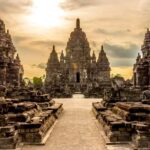
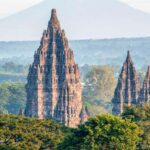
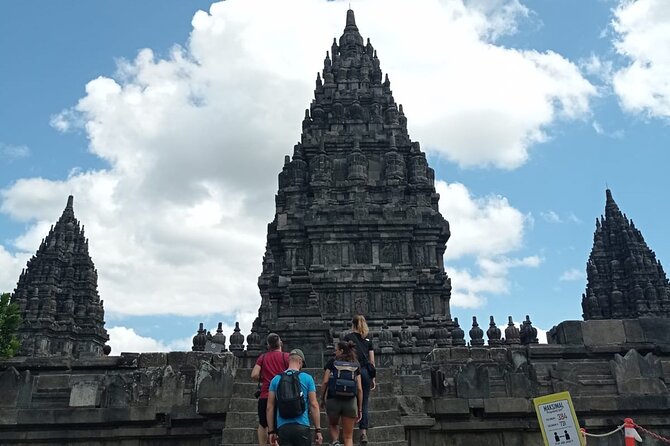
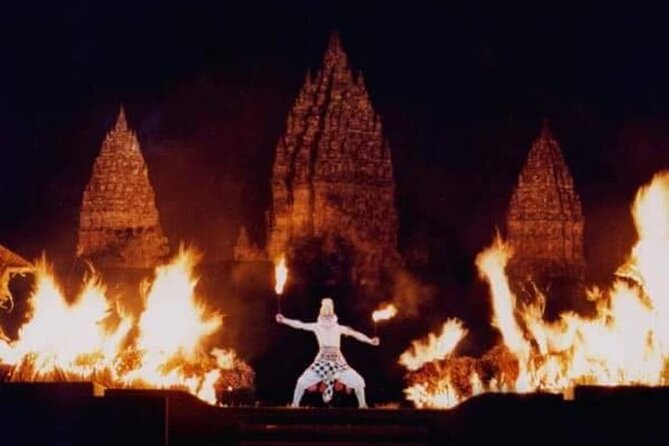
Prambanan Temple is the largest Hindu (Shiva) temple complex in Indonesia, built in the 9th century. If Borobudur is about layered platforms, Prambanan is about vertical impact. The towering structures rise to about 47 meters, and the ornamentation is the main reason people stop and stare—even if they’ve seen photos before.
Prambanan is dedicated to Trimurti, the three main Hindu gods:
- Brahma (creator)
- Vishnu (guardian)
- Shiva (often the focus for Prambanan as a Shiva temple complex)
Your time here is about 2 hours, which is enough to walk around, orient yourself in the compound, and still have time to linger at the best viewing angles. I also like that this time matches Borobudur. It creates a natural rhythm: 2 hours to get grounded at the Buddhist site, 1 hour to understand the blend at Plaosan, then 2 hours to experience the Hindu scale at Prambanan.
A practical drawback: Prambanan can feel more intense in the later hours of the day due to heat and the way crowds form around the main temple lines. If you want the best experience, prioritize getting to your first key viewpoint early in your Prambanan block, then let the rest of the time become wandering rather than scrambling.
Private ride + English-speaking driver: where the real value lives
The included transport is what makes this tour workable without stress. You get a private air-conditioned vehicle, plus parking fees, a fuel surcharge, and bottled water. Those add up fast when you try to build the trip yourself, especially across three temple compounds.
Just as important: you’re not stuck with a driver who can only point. The tour includes an English-speaking driver, and the guides named in feedback—Rio and Edho—were both praised for making the day feel more like guidance than transportation. The common theme was clear: they took time to talk, explain what mattered, and help you move smoothly between sites.
That matters because temple visits aren’t just about seeing. They’re about understanding what you’re looking at. Even when you’re not doing formal study, a good explanation can turn carvings and layouts into something you can actually recognize.


Price and logistics: is $105 a good deal here?
At $105, this tour sits in the mid-range for a private day with three major temple stops. The real question is value: what you’re paying for versus what you’d pay on your own.
Here’s what’s included:
- Private transportation (air-conditioned)
- Bottled water
- Fuel surcharge and parking fees
- An English-speaking driver
- A mobile ticket
Here’s what’s not included:
- Entrance tickets
For many people, the included costs are the big savings. If you tried to hire a driver for a full day and also cover vehicle costs, parking, and basic needs like water, the total often doesn’t stay cheap. Plus, private transport is what keeps your day flowing—especially when sites are spread around central Java.
The entrance tickets being separate is the one part you should plan for. Before you decide, I’d estimate your total trip cost by adding the temple tickets on top. If you do that, the $105 becomes easier to judge—and you’ll be happier when you see what’s actually handled for you.
The practical tips that make this long temple day feel easier
This itinerary is about 8 to 10 hours, and that time adds up. So you’ll enjoy the day more if you pack smart and move with intention.
- Wear shoes you can walk in for multiple temple paths. You’re on your feet through all three sites.
- Bring sun protection. Even if temperatures vary, temple compounds are open and exposed.
- Keep snacks optional. Water is included, but if you get hungry, you might want a small bite between stops (just don’t count on everyone wanting to stop frequently).
- Use the time blocks as guidance, not targets. If you like photos, start earlier in each site block so you don’t rush later.
- If you’re a detail person, pick one theme per temple. For example: Borobudur layout and platforms; Plaosan Siwabudha blend; Prambanan Trimurti and tower area.
One more thing: you’re visiting three places with different religious traditions and design languages. I find it helps to mentally reset between stops. Treat each one like its own chapter, and the day becomes clearer instead of feeling like one long blur of stone.
Who this Borobudur–Plaosan–Prambanan tour fits best
This tour is a strong fit if you:
- want the major sights near Yogyakarta without building separate logistics
- like guided explanations that help you make sense of what you’re seeing
- prefer a private format so you can move at a comfortable pace
- want variety, especially because Plaosan adds a rare Hindu-Buddha angle
It’s also a good match if you have limited time in Java and want to hit the big two—Borobudur and Prambanan—while still getting something more unusual at Plaosan.
If you’re the kind of visitor who wants a slow, study-heavy day with lots of breaks and long gallery-style exploration, you might find the schedule feels tight. But if you’re okay with focused visiting and smart pacing, it works well.
Should you book this tour?
I’d book this if you want three temple experiences in one organized day and you value an English-speaking driver, air-conditioned comfort, and the convenience of having transportation and key site timing handled. It’s especially worth it because Plaosan turns a standard Borobudur–Prambanan plan into something more interesting, with the Siwabudha story connected to Hindu-Buddhist blending.
I’d hesitate only if you already know you hate long days. With 8 to 10 hours and separate entrance tickets for each stop, you’ll be happiest if you’re ready to commit to a full temple day and budget for ticket costs on top of the $105.
If that sounds like your style, this is a solid way to see central Java’s spiritual architecture in a single sweep—without turning your trip into a logistics project.
FAQ
How long is the Borobudur, Plaosan, and Prambanan tour?
The tour runs about 8 to 10 hours.
What temples are included in this day tour?
It includes Borobudur Temple, Plaosan Temple, and Prambanan Temple.
Is pickup included?
Yes, pickup is offered.
Does the price include entrance tickets?
No. Entrance tickets are not included.
What does the tour include besides transportation?
It includes bottled water, fuel surcharge, parking fees, and an air-conditioned private vehicle with an English-speaking driver.
Is this a private tour?
Yes. Only your group will participate.
How much time do I get at each temple?
Borobudur gets about 2 hours, Plaosan about 1 hour, and Prambanan about 2 hours.
Are entrance tickets handled by the tour?
The tour provides a mobile ticket, but entrance tickets are listed as not included.
Is the driver able to speak English?
Yes, the driver is listed as English speaking.
What is the cancellation policy?
Free cancellation is available up to 24 hours in advance for a full refund. If you cancel less than 24 hours before the start time, the amount paid is not refunded.