REVIEW · YOGYAKARTA
Yogyakarta: Cooking Class with Traditional Market Tour
Book on GetYourGuide →Operated by Naila Tour · Bookable on GetYourGuide
Fresh food lesson, market first, cooking next. This Yogyakarta class pairs a traditional market walk with a hands-on lesson, so you see ingredients being picked before you cook them. I especially like that the food focus is real Javanese local flavors, not a generic “cooking demo.”
One thing to keep in mind: the vegetable shopping time is listed as about 30 minutes, so if you want a long, slow browse, plan for a tighter pace.
In This Review
- Key things I’d circle before booking
- Why Yogyakarta Cooking Starts at the Market
- Pickup Options and the Welcome Drink at Home
- The Market Shopping Window: Fresh Vegetables, Tight Timing
- Back at the Kitchen: How the Cooking Class Feels in Real Life
- What You’ll Actually Learn (Beyond Just Eating)
- Price and Value: Is $38 a Fair Deal for 3–4 Hours?
- Small Groups, Private Lessons, and Who This Is For
- Should You Book This Yogyakarta Market-to-Kitchen Class?
- FAQ
- How long is the Yogyakarta cooking class with traditional market tour?
- Is hotel pickup available?
- Do I need to bring vegetables for the cooking part?
- What is included in the price?
- What languages is the instructor available in?
- Are there private or small-group options?
- What are the cancellation and payment options?
Key things I’d circle before booking
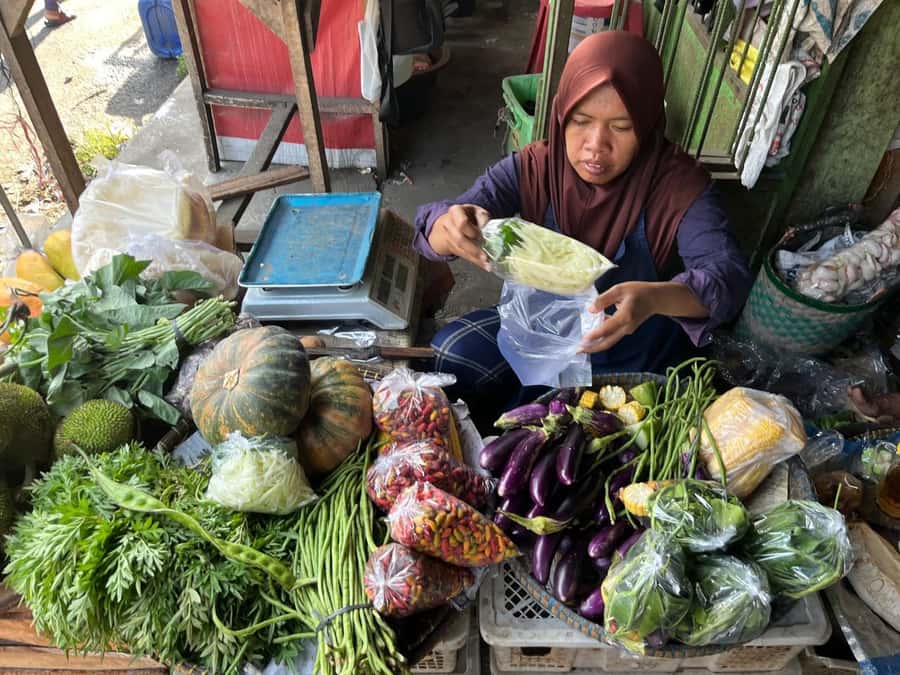
- Market shopping that sets up the meal: you choose vegetables together, then cook without bringing anything yourself.
- Javanese food focus: you learn local dishes tied to Yogyakarta cooking culture.
- A welcome drink before you start: black tea (and often coffee) starts you off comfortably at the host’s home.
- English and Malay instruction: clear guidance for everyday cooking steps.
- Private or small-group options: easier Q&A when the group stays small.
- Recipes after the class: at least one past participant received recipes to try again at home.
Why Yogyakarta Cooking Starts at the Market
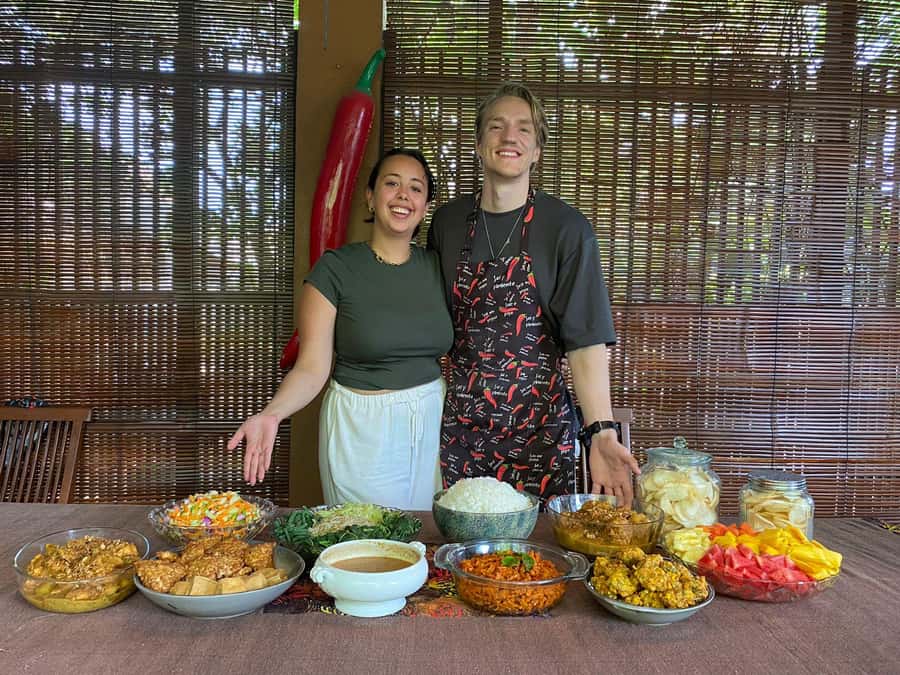
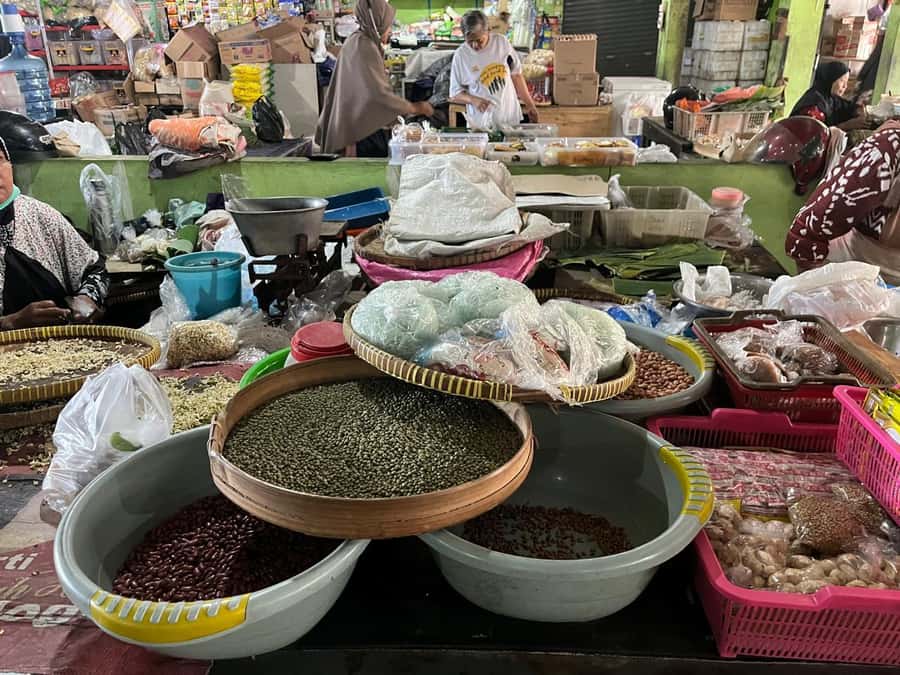
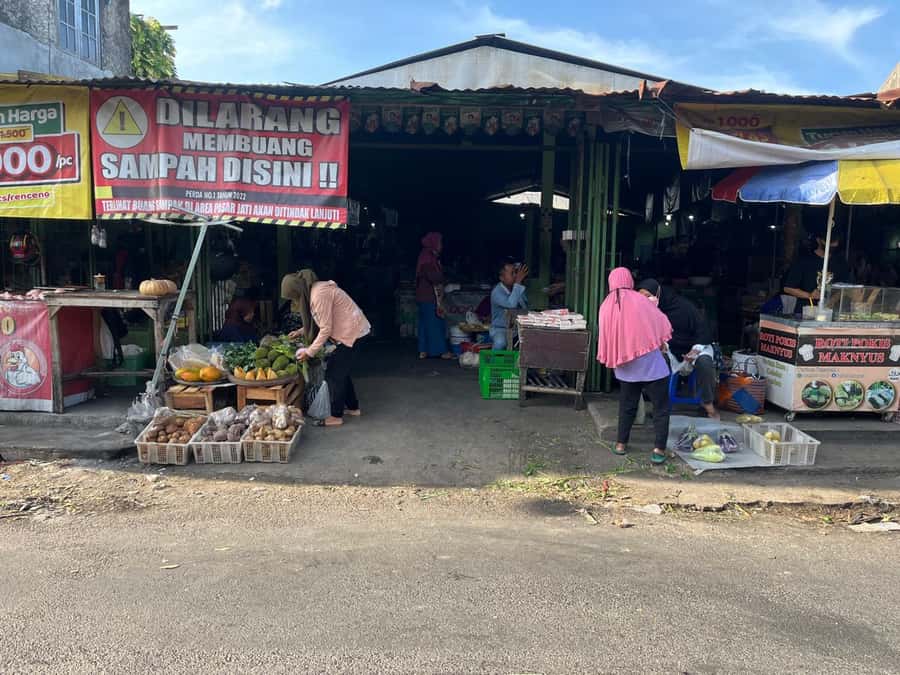
In Yogyakarta, food isn’t just something you eat—it’s something you choose. This experience is built around that idea: before you touch a stove, you spend time selecting vegetables at a traditional market. That one change does a lot. It helps you understand what each ingredient is like when it’s fresh, and it also makes the cooking steps feel more logical once you’re in the kitchen.
I like that the class is designed around local market ingredients, not a pre-portioned grocery-style setup. You’re learning Javanese local food in a way that matches how many people actually shop and cook in the region.
You’ll also get a strong sense of variety. The market section is specifically there so you can see what’s available and choose among many options before cooking begins.
A small caution: because shopping is short (30 minutes), you’ll move from browsing to picking pretty quickly. It’s efficient, but it’s not a slow stroll.
You can also read our reviews of more shopping tours in Yogyakarta

Pickup Options and the Welcome Drink at Home
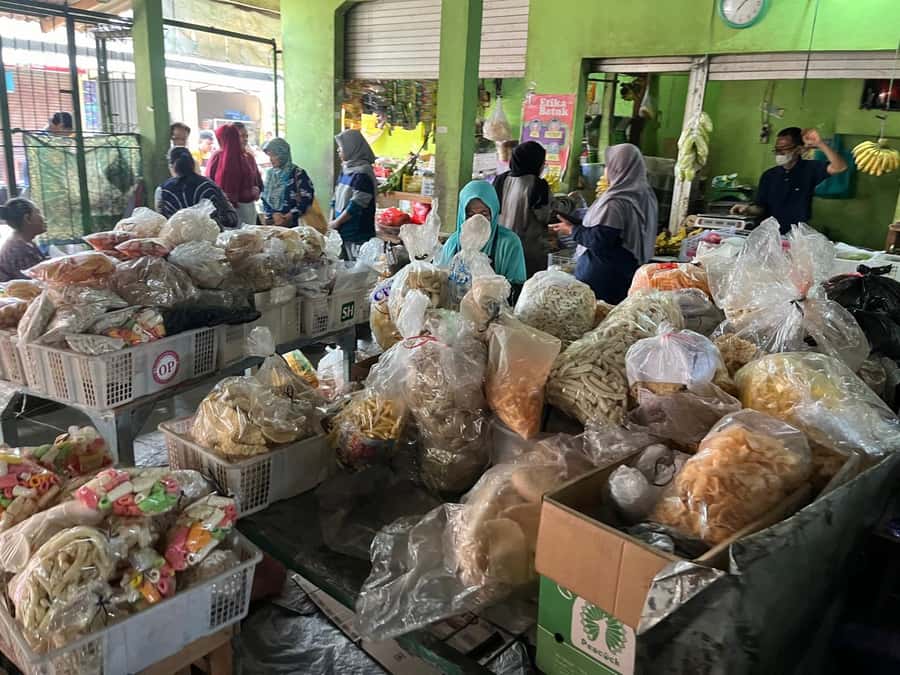
You’ve got two practical pickup setups to choose from. You can meet at the designated location for the class, or you can arrange hotel pickup and drop-off. Either way, the goal is to keep the first step easy—getting you to the kitchen without you having to figure out local directions on arrival day.
Before cooking starts, there’s a welcome drink at the home where the class begins. The drink is black tea, and tea or coffee is described as famous in Yogyakarta. It’s a simple touch, but it matters. Starting with a drink gives you a moment to settle in, meet your instructor, and get oriented before the market and cooking rush.
This is also where you’ll likely feel the tone of the lesson. With private or small-group options, the vibe tends to be more relaxed than a big group class.
The Market Shopping Window: Fresh Vegetables, Tight Timing
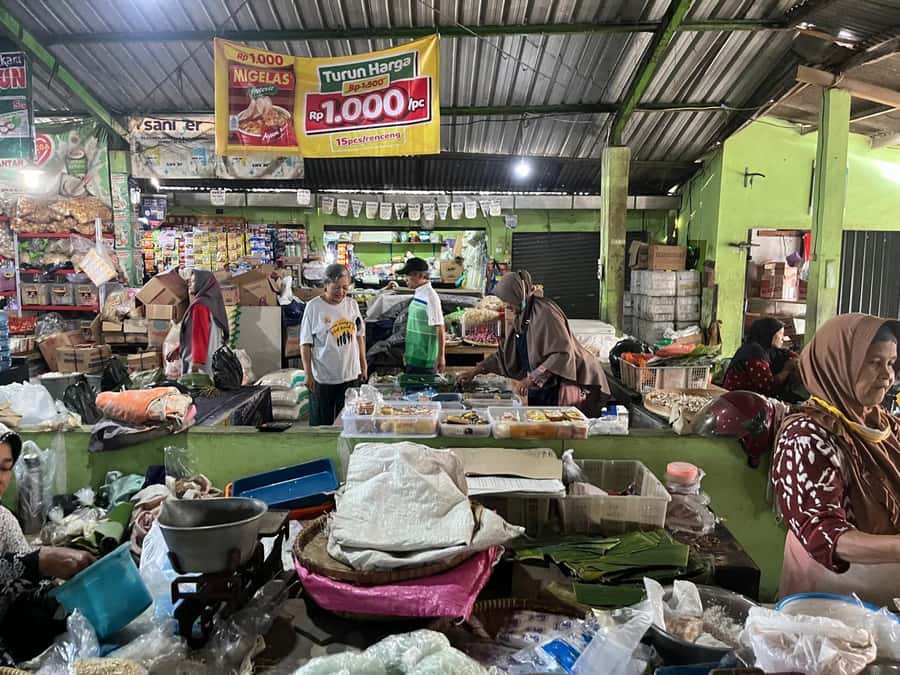
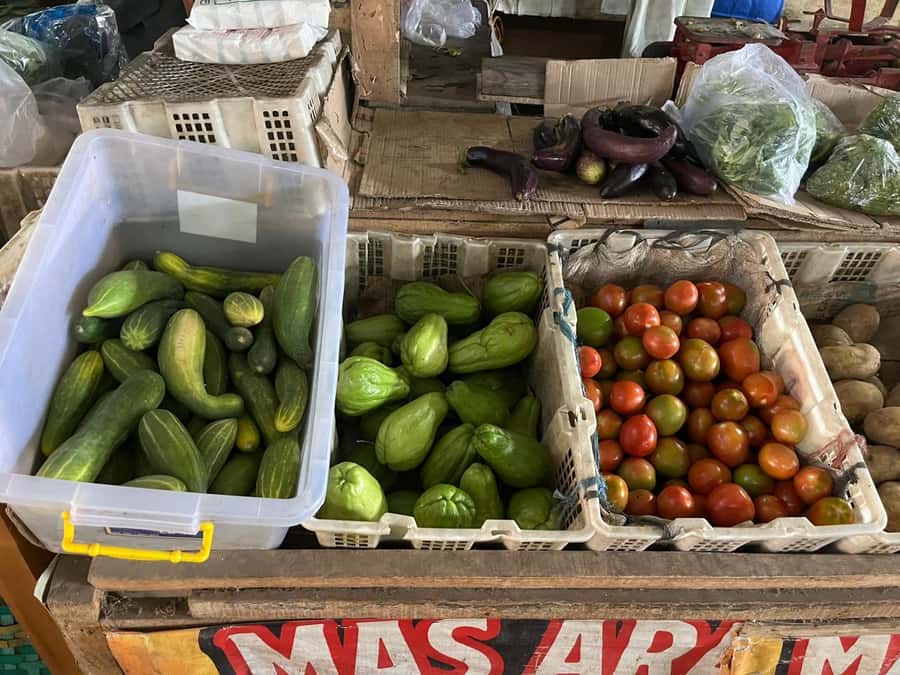
Shopping is listed as 30 minutes, and that time shape is important. You’ll arrive, browse, and choose vegetables together with the instructor as part of the plan for your meal. The big value here is freshness. The class explicitly notes that ingredients are fresh because the vegetables are selected before cooking.
Also, don’t expect to bring anything home in your bag during this part. For the cooking step, you do not bring vegetables. The instructor and group handle the shopping together in the market, then everything moves to the cooking area.
What this means for you:
- If you love food markets, treat this like a “smart hit” rather than a long exploration.
- If you’re more interested in learning how dishes come together, the shorter market stop keeps the day efficient and focused.
Either way, you’ll walk away with a clearer idea of how ingredients translate from raw produce into real dishes.
Back at the Kitchen: How the Cooking Class Feels in Real Life
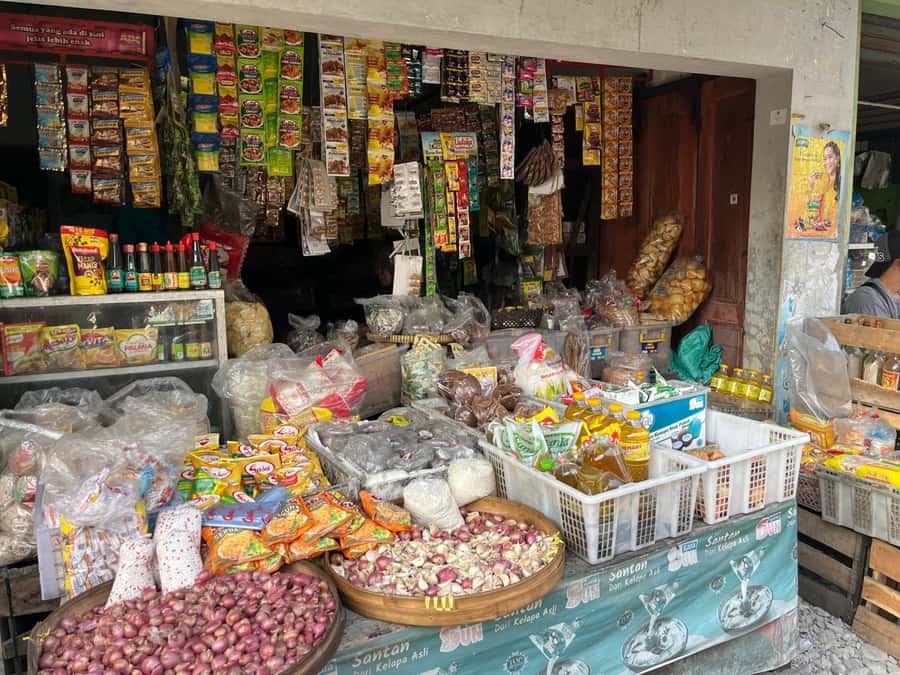
The cooking lesson runs as part of a total 3–4 hour experience, so you’re not stuck for an entire day. That time window is built for momentum: market first, then cooking, then wrap-up.
The class is taught by an instructor who speaks English and Malay, which is a strong practical advantage if you want to understand not just what to do, but why certain steps matter. Cooking works best when you can ask normal questions—what ingredient tastes like, how to tell when something is ready, and what substitutions might work later.
One detail worth your attention: the class is positioned as an actual cooking experience, not just watching. In a private booking, one participant cooked two dishes plus a side dish. Your exact menu isn’t listed here, but the structure suggests you’ll be actively involved in preparing multiple items rather than only one “signature” dish.
The takeaway is simple: you should come ready to cook. If you enjoy hands-on work, this is the kind of class that makes the food stick in your memory.
What You’ll Actually Learn (Beyond Just Eating)
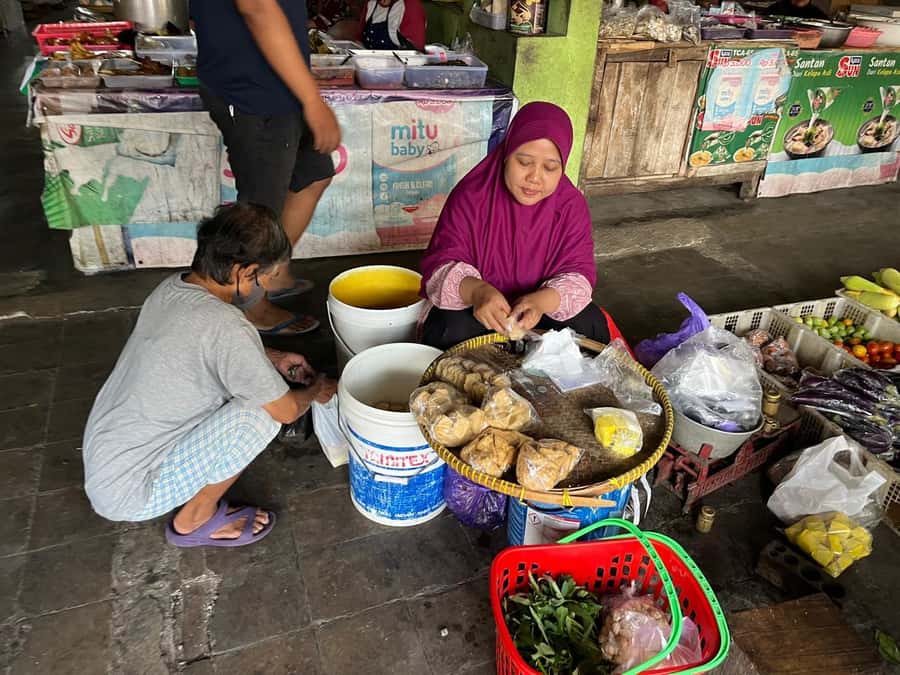
The headline promise is learning Javanese local food, and that shows up in how the class is planned. You’re not only learning recipes. You’re learning ingredient choices, which is the bigger skill.
Because the vegetables come from the market, you can connect textures and flavors with what you saw earlier. This helps you understand substitutions later too—if you can’t find the same vegetable at home, you’ll better recognize what to swap based on how it behaves in cooking.
Another strong plus is that some participants received recipes after the class, which is hugely practical. It turns this from a one-time fun activity into something you can repeat when you’re back home. If you like making travel memories through food, getting written recipes is a big deal.
And the atmosphere seems to matter here. One participant described the vibe as fun, and another called it the best food experience they had in Indonesia. Even if your favorites differ, those comments point to a class that feels enjoyable, not stiff.






Price and Value: Is $38 a Fair Deal for 3–4 Hours?
$38 per person for a 3–4 hour market-to-kitchen experience is, in my view, fair value because the lesson includes the practical costs most people would otherwise pay separately.
Here’s what you’re getting for that price:
- Welcome drink
- All vegetables used for cooking (selected at the market)
- Instructor guidance in English/Malay
- A full experience built around learning local dishes in Yogyakarta
If you tried to recreate this on your own, you’d still need to buy ingredients and figure out how to cook them correctly. Paying for instruction isn’t just convenience—it often saves you time and avoids “why did this not turn out” frustration.
Is it expensive compared to street food? Sure, because you’re paying for education and market selection time. But compared to paying for a meal plus tours plus a cooking lesson separately, the bundled structure is the point.
Small Groups, Private Lessons, and Who This Is For
This experience offers private or small groups available, which is one of the best ways to get real learning instead of just general instructions. If you’re traveling with a friend or partner and want more conversation, private can be ideal.
The experience is likely a good fit if you:
- Want genuine local food from Yogyakarta, not only popular restaurant dishes
- Like a structured activity that still feels practical (market first, then cooking)
- Enjoy hands-on classes where you can ask questions in English or Malay
It’s listed as not suitable for people over 95 years, which matters for planning day-to-day comfort.
If you have a very limited schedule, note the 3–4 hour block is fixed. Also, because shopping is only 30 minutes, you shouldn’t expect a long market “see everything” tour.
Should You Book This Yogyakarta Market-to-Kitchen Class?
If you want a real taste of Yogyakarta that goes beyond eating, this is a strong booking choice. The market element plus the hands-on cooking is the right combo for learning, and the inclusion of vegetables, instructor time, and a welcome drink makes the price feel grounded.
I’d especially recommend it if you like markets but don’t want the day to drift into a long wander. The class keeps the pace moving, while still giving you the fresh-ingredient start that makes the food experience meaningful.
If you need something slower-paced or extremely flexible, the short 30-minute shopping window may feel too fast. In that case, look for a longer market-focused food tour instead.
FAQ
How long is the Yogyakarta cooking class with traditional market tour?
It lasts about 3 to 4 hours.
Is hotel pickup available?
Yes. You can choose either a meeting point option or hotel pickup and drop-off.
Do I need to bring vegetables for the cooking part?
No. The vegetables are bought together in the local market, and you do not bring vegetables to the cooking class.
What is included in the price?
Included are the welcome drink, all vegetables, and the instructor.
What languages is the instructor available in?
The instructor is available in English and Malay.
Are there private or small-group options?
Yes. Private or small groups are available.
What are the cancellation and payment options?
You can cancel up to 24 hours in advance for a full refund, and there’s a reserve now & pay later option.