REVIEW · YOGYAKARTA
From Yogyakarta: Dieng Plateau Golden Sunrise Guided Trip
Book on GetYourGuide →Operated by Jogja Borobudur Tour & Travel · Bookable on GetYourGuide
Early mornings in Java have a way of paying off. This Dieng Plateau Golden Sunrise trip strings together one of the best sunrise hikes on the island with the weird-and-wonderful geology of Telaga Warna Lake and Sikidang Crater, plus eighth-century-style Hindu temple vibes at Arjuna. It’s also a classic “drive far, walk a bit, see a lot” day that starts when most people are still asleep.
I like the way the route is built around timing: the Sikunir Hill climb is short (about 20–30 minutes), yet it puts you in position to catch the sunrise and, on clear days, spot up to eight volcanoes. I also love the mix of scenes that feel worlds apart—teal-to-rainbow lake water with sulfur tinting, then boiling-mud crater steam, then the quiet stone temples. The one drawback to plan for is weather and cold: if clouds roll in, the sunrise can turn disappointing, and the plateau gets chilly enough that you’ll want warm layers and good-grip shoes.
In This Review
- Key things you’ll remember
- Sunrise first: what this 10-hour plan is really like
- Leaving Yogyakarta at midnight: comfort and pacing
- Sikunir Hill sunrise: short hike, big reward
- What to wear (this part is not optional)
- Batu Pandang Hill and the drive-by views you’ll actually notice
- Telaga Warna Lake: sulfur science with a surreal payoff
- Tips for getting the most out of the lake
- Sikidang Crater: the angry mud-and-steam stop
- Arjuna Temple Complex: eight small temples from the 7th century
- The ride back: what you’ll feel after
- Value and price: is $81 a smart deal?
- Who this trip suits best (and who should think twice)
- Small-group energy and guide quality: the real difference
- What to pack for Dieng Plateau (practical checklist)
- Should you book this Dieng Plateau Golden Sunrise trip?
- FAQ
- What time does pickup happen in Yogyakarta?
- How long is the tour?
- Is breakfast or other food included?
- What’s the sunrise hike like at Sikunir Hill?
- How big is the group?
- What should I bring for the weather?
- Is there an option to cancel?
Key things you’ll remember
- Midnight pickup from Yogyakarta gets you moving before the crowds and helps you reach Sikunir in time.
- Short sunrise hike (20–30 minutes) means you’re not spending your whole day walking.
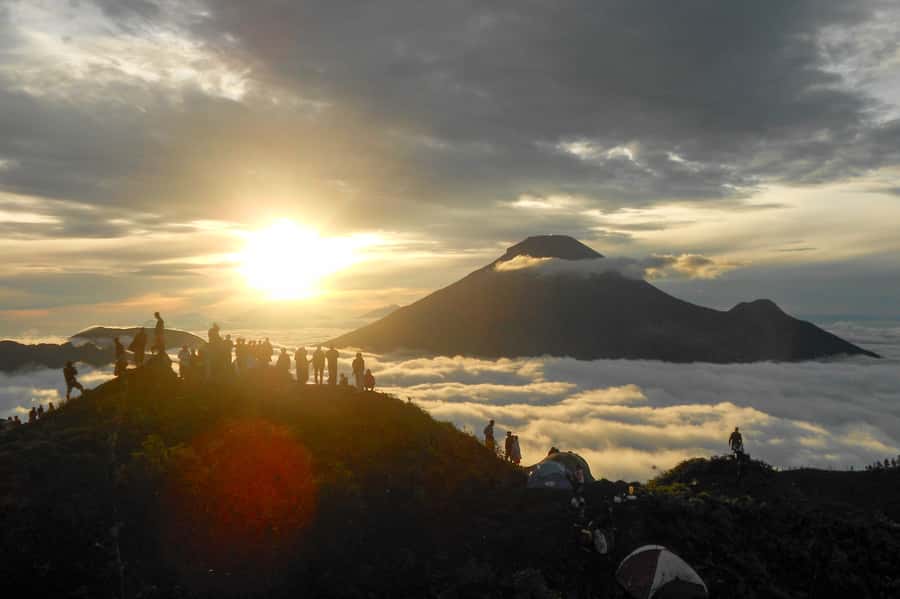
- Sikunir views of up to 8 volcanoes on clear days create that big “Java at altitude” feeling.
- Telaga Warna Lake’s shifting colors can look green, purple, yellow, or even rainbow-like because of sulfur chemistry.
- Sikidang Crater’s bubbling mud and steam feels otherworldly, like you’ve stepped onto a science film set.
- Arjuna Temple Complex brings the human side with eight Hindu temples dating back to the 7th century.
Sunrise first: what this 10-hour plan is really like
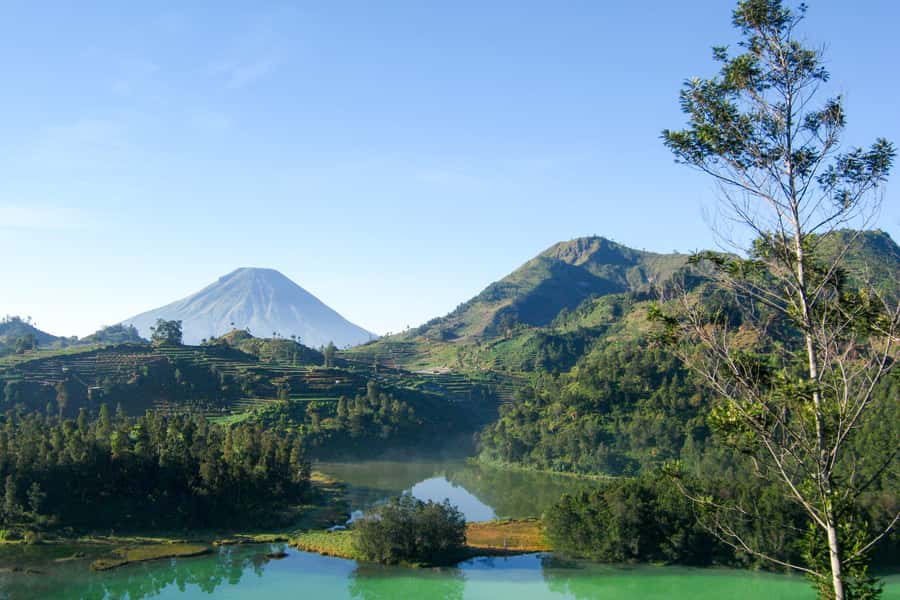
This is a day trip designed around a simple idea: Dieng Plateau is dramatic enough that you should spend your best lighting hours up high, before the day heats up and cloud layers change.
You’ll leave Yogyakarta at midnight (pickup is from your accommodation), and the drive to Dieng takes about 3 hours. That timing matters because the sunrise window at Sikunir Hill is short. Once you’re there, the hike to the viewpoint is only 20–30 minutes from the start of the path. That’s the kind of effort you can handle even if you’re half-asleep, as long as you bring the right shoes.
From there, the day keeps moving: sunrise at Sikunir Hill, then a scenic leg toward Batu Pandang Hill and Telaga Warna Lake, then Sikidang Crater, and finally the Arjuna Temple Complex before the long drive back to Yogyakarta. It’s not a “slow travel” itinerary. It’s a “hit your highlights in one shot” itinerary.
You can also read our reviews of more guided tours in Yogyakarta

Leaving Yogyakarta at midnight: comfort and pacing
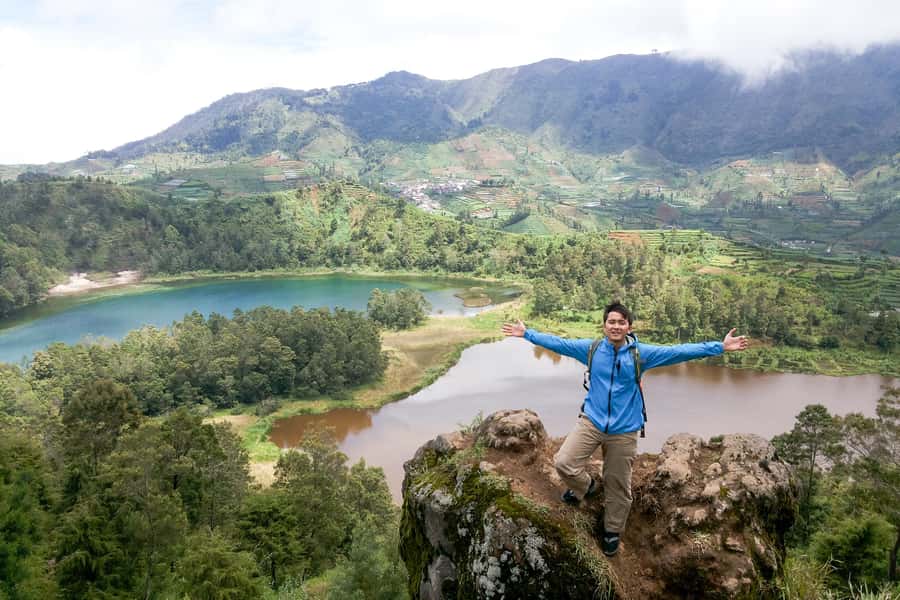
You’ll be picked up around midnight, which sounds intense until you realize what it buys you: a better chance at clear skies for the sunrise. The drive is part of the experience, too, especially if you like hearing real talk about Java and what you’re seeing. In this tour, you’ll have a live English guide for the ride, and multiple guides on this route have a reputation for being careful and attentive—people specifically mention guides like Atok, Arief, Youss, Imam, Yuni, and Danang for making the trip feel safe and organized.
The transport quality is another plus. This is one of those tours where comfort isn’t just a nice-to-have: reviewers rate the car very highly (with 86% giving it a perfect score). That matters on a long night drive when you’re going to be walking early.
Practical note: there’s no food included. That’s why it helps to plan a small breakfast snack before you’re fully committed to the cold climb. You’ll thank yourself when you’re waiting for sunrise while the rest of your stomach is still warming up.
Sikunir Hill sunrise: short hike, big reward
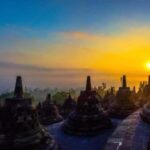
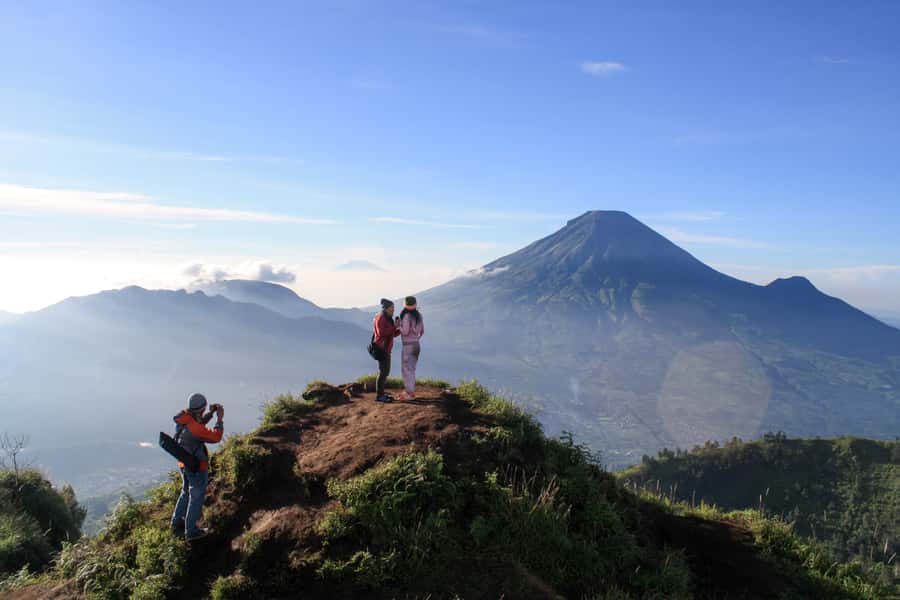
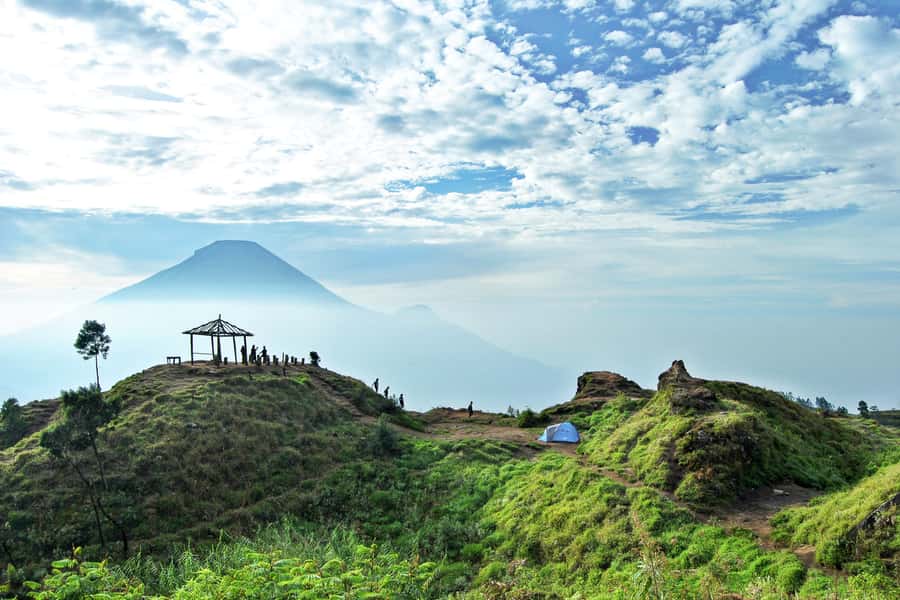
Sikunir Hill is the headliner. You’ll hike from the foot of the path for about 20–30 minutes to reach the sunrise viewpoint. The guide’s job here is not just to “take you there,” but to get you into a good position. Several guides associated with this route are praised for picking ideal spots for photos and timing, and for arriving before the busiest rush.
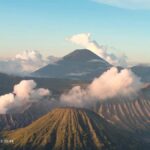
What you’re aiming for is the moment the plateau lifts out of the night. On a clear day, visibility can be impressive—up to eight volcanoes can be seen from the top. Even when it’s not perfect, the whole area has that high-altitude atmosphere: gray-blue ridges, frequent cloud movement, and a slow build of light rather than a sudden flash.
Reality check: weather is the swing factor. Clouds can swallow the sunrise. Still, the atmosphere often stays dramatic, and you’ll continue the day with other stops that don’t depend on a single sunrise moment.
What to wear (this part is not optional)
Bring a jacket and shoes with good grip. The plateau can be cold enough that you’ll feel it quickly once you’re out of the car and moving in the early hours. Good traction helps on uneven ground, especially if there’s mist.
Batu Pandang Hill and the drive-by views you’ll actually notice
After sunrise, the itinerary shifts to scenic viewpoints as you head toward Telaga Warna Lake. This stretch includes a route via Batu Pandang Hill, and you’ll likely notice rows of rice fields in the lower elevations, plus the terraced feel of Dieng’s hills. This is the kind of scenery you can appreciate without turning it into a full photography mission.
The tour value here is that you’re not just ticking boxes. You get context: what Dieng looks like as a lived-in place, not only as a “volcano playground.” The villages cling to terraced slopes, and the viewpoints along the way help you understand why people keep building in this rugged terrain.
You can also read our reviews of more tours and experiences in Yogyakarta

Telaga Warna Lake: sulfur science with a surreal payoff
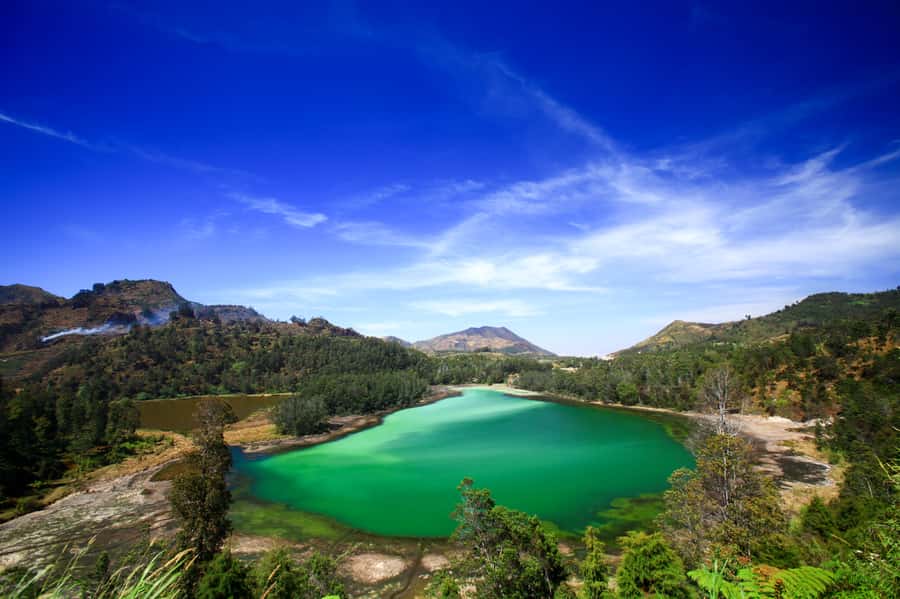
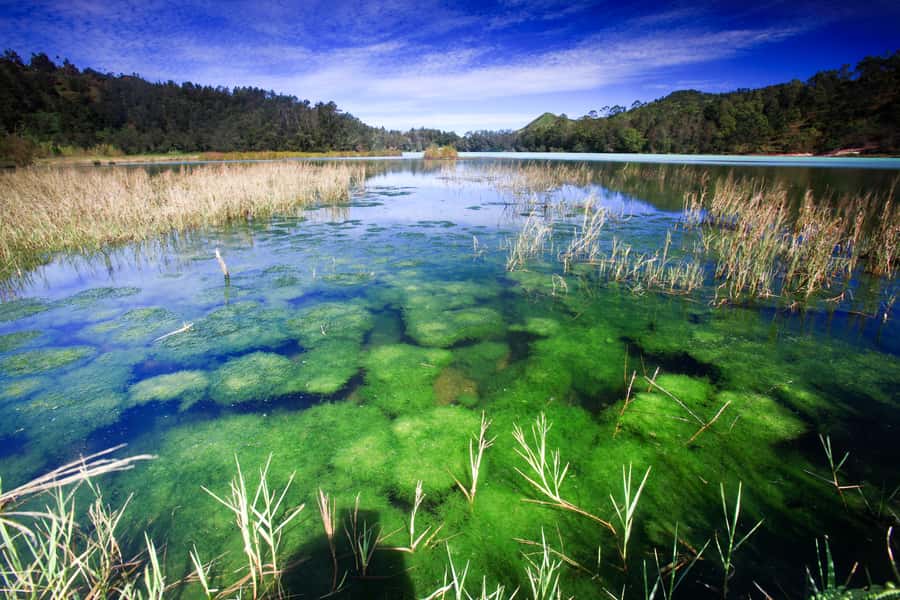
Next up is Telaga Warna Lake, also known as the Colourful Lake. The defining feature isn’t a single color—it’s the way the water can shift. Depending on the sun angle and conditions, it can appear green, purple, yellow, or even rainbow-like. The cause is tied to the sulfur-rich content and how sunlight interacts with it.
This stop is one of the most memorable because it looks like an optical trick until you learn the chemistry behind it. It also works as a “Plan B” for cloudy sunrise mornings: even if the morning sky is heavy, the lake can still feel magical up close.
Tips for getting the most out of the lake
- Take your time with it. Color shifts can be subtle and change as clouds move.
- Expect a strong sense of place: sulfur area = steam and strong smells are possible, so keep your expectations grounded and your sense of humor ready.
- Keep your jacket handy. High altitude mornings don’t suddenly become tropical just because the sunrise is over.
Sikidang Crater: the angry mud-and-steam stop
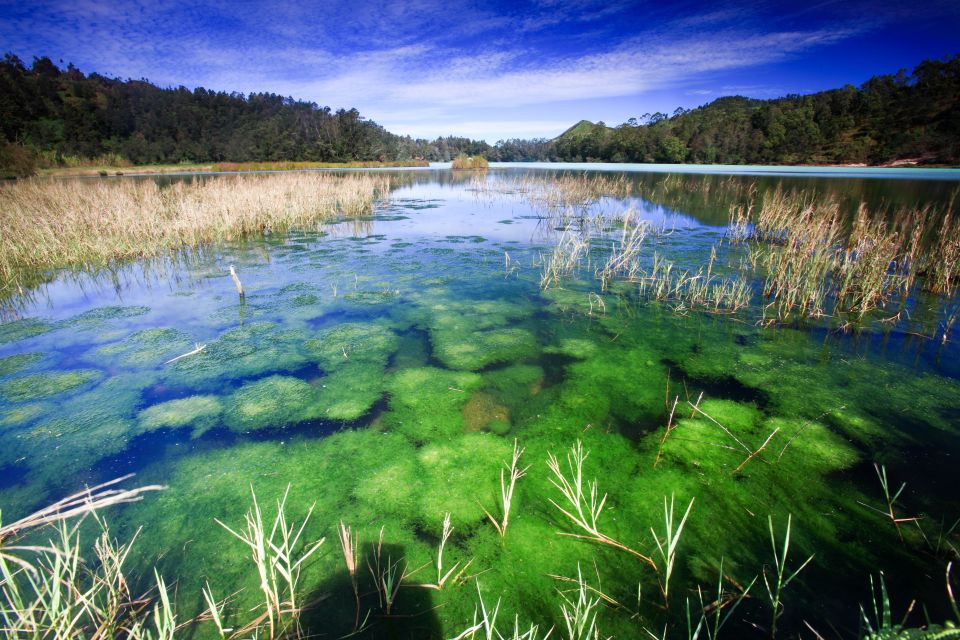
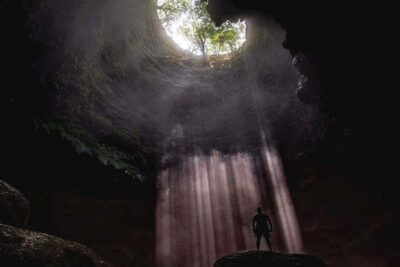
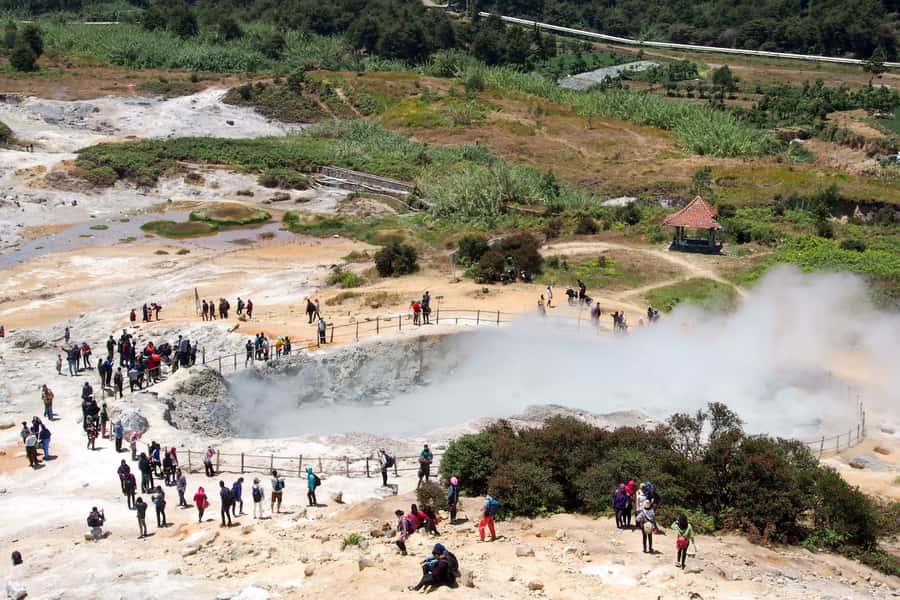
Then comes Sikidang Crater, an open sulfur crater where you’ll see bubbling mud and bellowing steam. This is the stop that makes Dieng feel like another world. The ground can look dusty and uneven, and the entire area has that “active geology” vibe.
This is also where a good guide helps. The guide can explain what’s happening without turning it into a lecture. The best guides on this route are the ones who keep you moving safely while giving you context—so you understand why the crater looks the way it does.
A practical downside: you may feel heat and cold at different moments, depending on wind and steam direction. So layer up, then adjust. And keep your shoes ready for uneven footing.
Arjuna Temple Complex: eight small temples from the 7th century
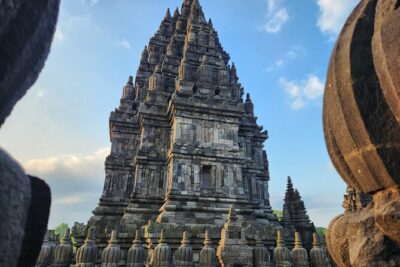
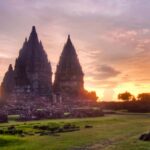
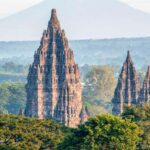
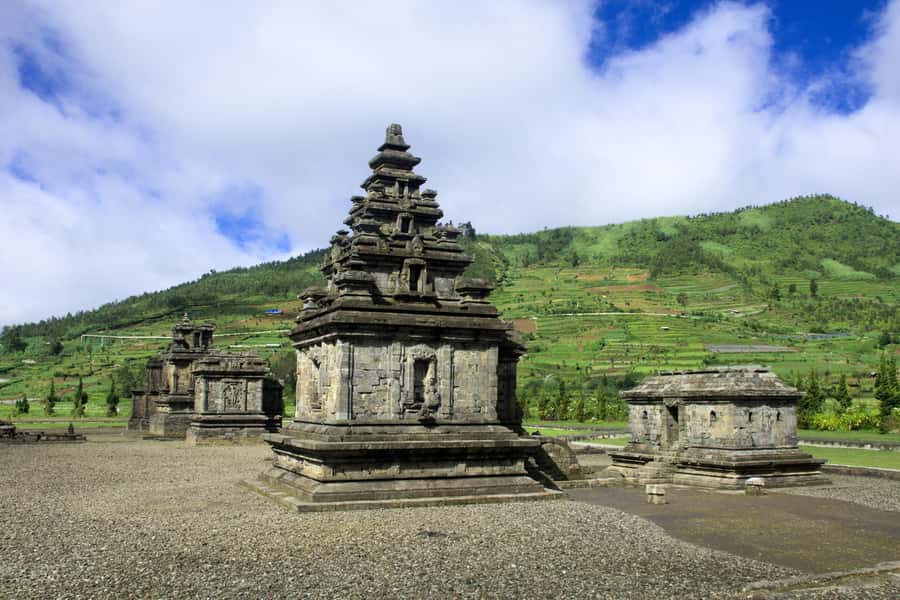
After the sulfur spectacle, the tour slows down at the Arjuna Temple Complex. You’ll see eight small Hindu temples dating back to the 7th century.
This part gives your brain a breather and adds cultural depth. Sunrise tours can sometimes feel like a theme park of nature. Arjuna adds humanity—stonework, religious tradition, and an older layer of history that makes Dieng feel bigger than “just volcanoes.”
If you like details, pay attention to how your guide describes the temples and how the complex fits into the wider Dieng area. Guides associated with this tour have been praised for explaining Indonesia history and local culture in clear English, and for keeping the day engaging even when clouds steal the sunrise.
The ride back: what you’ll feel after
By late morning or early afternoon, you’ll be tired in the good way: you’ve done a short hike in the cold, stood watching a crater breathe steam, and walked among ancient stone temples—all in one long day.
The drive back to Yogyakarta happens after the final site, with your guide escorting you to your accommodation. This is where the small-group setup helps. When the group is limited (this tour caps at 5 participants), it’s easier for the guide to manage timing, make photo stops, and adjust pace if someone needs a breather.
Value and price: is $81 a smart deal?
At about $81 per person for a 10-hour guided experience, this is priced like a true day tour, not a budget transfer. The value comes from several things you’d otherwise have to piece together yourself:
- Pickup and drop-off in Yogyakarta (you’re starting at midnight)
- English-speaking guide who keeps the flow tight
- Entrance fees and parking/donation fees already covered
- A route that’s hard to match on your own without real planning, especially for sunrise timing
The big “watch-out” for value is meals: food and drinks are not included. That’s manageable if you come prepared with snacks for breakfast, as the tour suggests, but it’s still a cost you should factor in. If you don’t want to think about it at all, budget for a simple breakfast snack and any later meal you’ll want on the way or back in the city.
Who this trip suits best (and who should think twice)
This tour is a great fit if you:
- Love a strong “one-day highlights” itinerary
- Want sunrise views without committing to a multi-day volcano trek
- Like science-meets-culture stops: sulfur lakes, craters, then 7th-century temples
- Appreciate having someone else handle timing and driving, especially with a midnight start
It might not suit you as much if:
- You’re very sensitive to cold mornings and early wake-ups
- You hate weather dependency and want guaranteed sunrise visuals
- You need lots of free time at each stop (this plan moves)
Small-group energy and guide quality: the real difference
A lot of sunrise tours are basically logistics plus a timetable. This one tends to feel more personal because the group is limited to 5 participants and you get a live English guide throughout.
The guides connected with this route get consistently praised for being professional, helpful, and tuned in to group needs. People specifically mention guides like Atok, Youss, and Imam for attentiveness and for answering questions, and others mention Danang and Arief for sharing cultural context and making long drives feel worthwhile. There’s also a recurring theme of guides adjusting plans when conditions change—like when clouds cover the sunrise—so the day still feels full.
Even the driving gets positive notes. One theme in the feedback is safe, careful driving and comfort in the car, which makes it easier to enjoy the day instead of worrying about logistics.
What to pack for Dieng Plateau (practical checklist)
Based on the tour guidance, pack like this:
- A jacket (cold mornings are common)
- Shoes with good grip (for uneven, possibly misty paths)
- Light snacks or sandwiches for breakfast (food options at the plateau are limited)
Optional, but smart if you run cold easily: gloves, a warm hat, and something to keep your phone camera battery from draining too fast in the cold.
Should you book this Dieng Plateau Golden Sunrise trip?
Yes, if you want a guided, efficient day that hits the plateau’s most iconic mix of scenes—sunrise at Sikunir Hill, shifting colors at Telaga Warna, sulfur steam at Sikidang Crater, and ancient temples at Arjuna—without having to plan the timing yourself. The price is reasonable for what you get: pickup at midnight, an English-speaking guide, entrance fees, and a small group.
Book it even more confidently if you care about guide-led timing and comfort. The strong guide reputation (including names like Atok, Youss, Imam, Arief, and Danang) suggests this isn’t just a “transport service.” It’s a day managed for results.
If you’re chasing only a perfect sunrise and you can’t handle cold mornings, you might want to think twice. Weather can block the view, and you’ll still be walking and exploring in that chill. But if you’re flexible—and you like geothermal weirdness plus ancient culture—this is the kind of trip that delivers more than one highlight.
FAQ
What time does pickup happen in Yogyakarta?
Pickup is from your accommodation in Yogyakarta at midnight, and the drive to Dieng Plateau takes about 3 hours.
How long is the tour?
The tour lasts about 10 hours total, with the sunrise hike at Sikunir Hill taking about 20–30 minutes.
Is breakfast or other food included?
No. Food and drinks are not included, and there are not many food options at the plateau. Bring light snacks or a sandwich for breakfast.
What’s the sunrise hike like at Sikunir Hill?
You’ll hike about 20–30 minutes from the foot of the path to the top viewpoint. Plan for cold conditions and bring shoes with good grip.
How big is the group?
This is a small group with a limit of 5 participants.
What should I bring for the weather?
Bring a jacket and shoes with good grip. The plateau sunrise time can be very cold.
Is there an option to cancel?
Yes. There’s free cancellation up to 24 hours in advance for a full refund.