REVIEW · YOGYAKARTA
Yogyakarta: Countryside Cycling and Cooking Class Experience
Book on GetYourGuide →Operated by Jogja Borobudur Tour & Travel · Bookable on GetYourGuide
Market-to-table cooking in Java feels personal. This countryside day pairs village biking with a hands-on cooking class in real family kitchens, so you see Jogja life beyond the main roads. I particularly like starting at the market with guides like Maxi and Desy, then shifting into a relaxed meal you help create yourself.
Two standouts for me: first, the food part is not a lecture. You spend hours prepping ingredients and cooking, then you sit down to eat while everything is still hot, with recipes to take home. Second, the bike section feels genuinely local, including quiet routes through rice fields and neighborhoods, often using older classic bikes that make the experience feel grounded and not staged. One possible drawback: the bike pace and communication can vary, and one guide reportedly rode ahead and spoke in a way that was hard to hear—so you’ll want to choose a day where you feel comfortable asking questions and staying close.
If you want a calm, creative day with a small group (up to 8) and English support, this is a strong pick. Just know it’s 8–10 hours, so wear shoes you can cook in and bike in, and plan to fully switch off from city plans.
In This Review
- Key Things I’d Prioritize on This Jogja Countryside Day
- From Your Hotel to the Market: Setting the Tone in Jogja
- Village Cycling Through Rice Fields and Neighborhoods
- Old Bikes, Real Vibes: What the Cycling Part Feels Like
- The Cooking Class: How Hands-On Learning Works in a Family Kitchen
- What You Might See Beyond the Kitchen: Tempe and Crackers
- Group Size, English Guide, and the Pace You Should Expect
- Price and Value: What $41 Buys You in Real-World Terms
- Practical Tips Before You Go
- Who Should Book This Countryside Cycling and Cooking Class?
- Should You Book This Jogja Cycling and Cooking Day?
- FAQ
- How long is the Yogyakarta countryside cycling and cooking class experience?
- What does the tour cost?
- Is hotel pickup and drop-off included?
- How big is the group?
- Is there an English-speaking guide?
- What’s included in the cooking class?
- Do you get to take anything home?
- Is there free cancellation?
Key Things I’d Prioritize on This Jogja Countryside Day
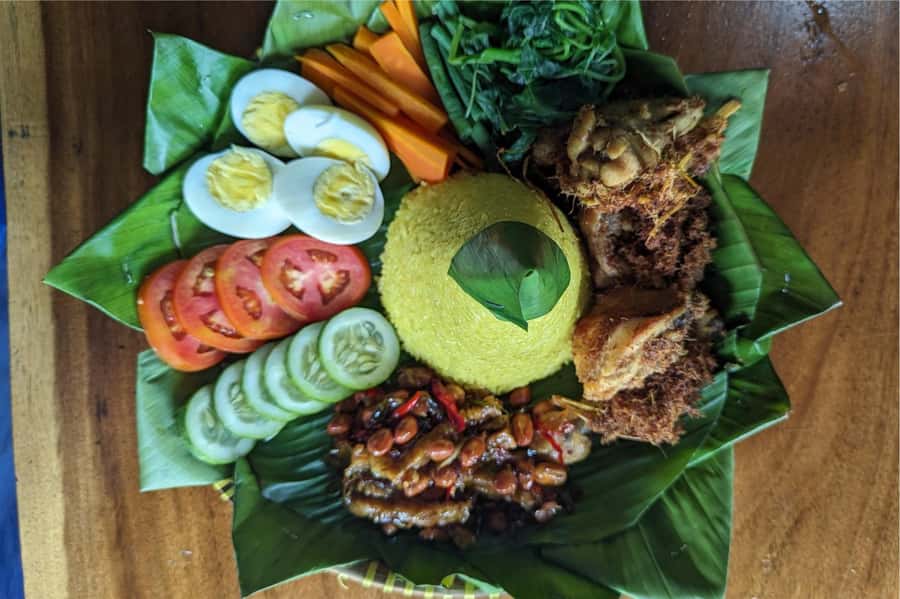
- Market meet-up with Maxi and Desy: shop for spices and ingredients before you cook
- A family kitchen cooking class: you chop, stir, and learn techniques—not just watch
- Hot, shared meal at the end: you eat together like a family meal, not a quick snack stop
- Quiet village biking on old-school bikes: rice fields, local homes, and friendly waves
- Cultural food extras: you may visit places like a tempe factory and watch cracker-making
From Your Hotel to the Market: Setting the Tone in Jogja
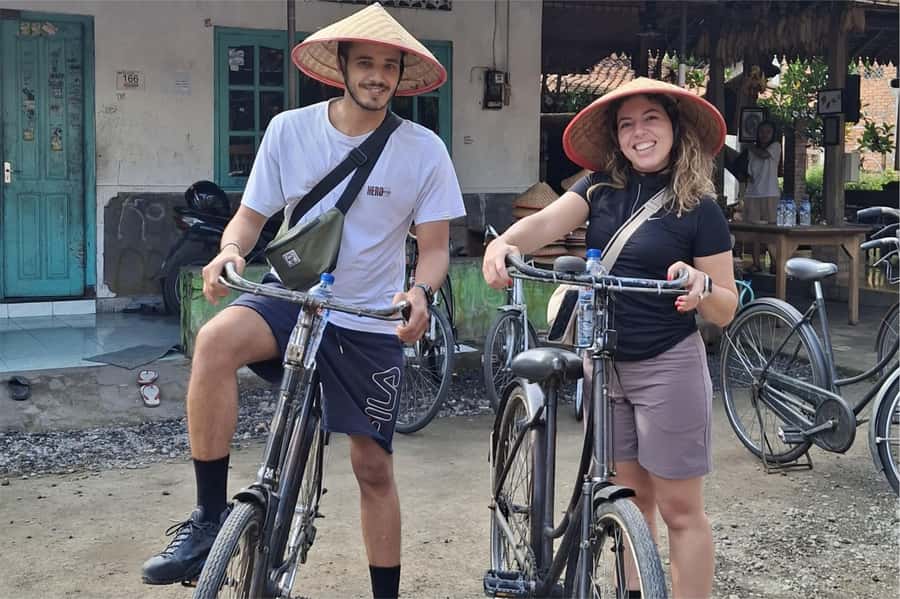
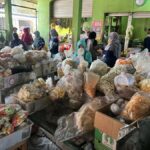
The day usually starts with pickup from your accommodation in Yogyakarta. Once you’re out of the loud city zones, the whole rhythm changes—less rushing, more “walk-and-talk” time. For many people, this market start is where the experience becomes real fast, because you’re not just learning food—you’re learning ingredients as locals use them.
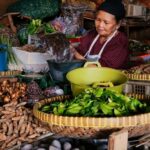
At the market, you typically meet your guide team, including English support from someone like Maxi, with Desy helping explain what you’re buying. You’ll see the spices and vegetables used in everyday Indonesian cooking, and you get the sense of which flavors matter most. This also sets you up for the cooking class, because you’ll recognize things later when you’re chopping and grinding.
If you’re picky about food, this is a great moment to pay attention. It’s one thing to hear about herbs and spices. It’s another to buy them and know exactly how they fit into a dish.
You can also read our reviews of more cycling tours in Yogyakarta
Village Cycling Through Rice Fields and Neighborhoods
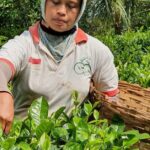
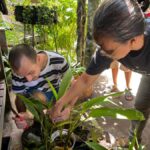
After the market, the day shifts into slower, steadier motion—cycling through countryside areas around Jogja. The route is designed to feel safe and relaxed, which matters in Indonesia where traffic outside quiet zones can feel intense. In practice, the villages and rice-field stretches are calm enough that many people who worried about biking end up feeling comfortable.
You’ll also get the bonus of seeing how people actually live: small homes, lanes between fields, and daily life that doesn’t revolve around tourists. One of the most charming details is the friendliness of people along the way—folks often wave, and you may even get invited for a quick photo.
Two practical notes for your comfort:
- Go with the mindset of a gentle ride, not a workout session. You’re there for the culture and cooking connection.
- Keep close to the guide. A fast-paced moment and unclear hearing can happen on some days, so staying together helps you enjoy the explanations rather than chasing them.
Old Bikes, Real Vibes: What the Cycling Part Feels Like
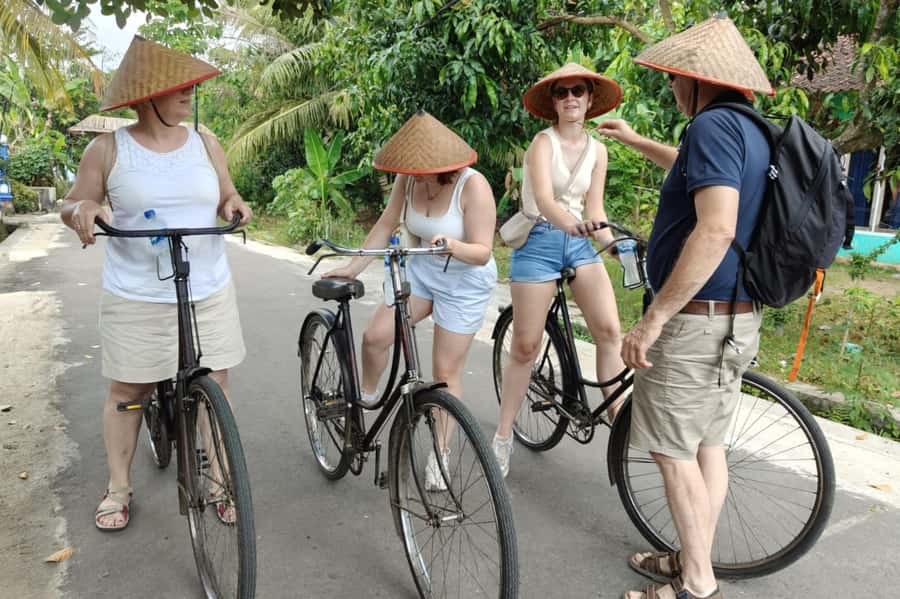
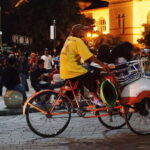
The bikes used can be older and simple, which is part of the charm. They’re not meant to feel like a modern rental with perfect gears and quiet tires. Instead, the bike experience feels like a real slice of the countryside—slow enough to talk, stop, and look.
Because it’s a small group capped at 8, the ride usually stays manageable. You’re not stuck in a long conga line, and it’s easier to ask questions when the guide pauses. That small size also makes it more likely your guide notices if you’re struggling or if you need a quick breather.
Still, one review mentioned that the guide could move a bit too far ahead and speak in a way that made it hard to hear. That’s a rare hiccup, but it’s worth taking seriously. If you’re hard of hearing, bring that into your planning: you’ll enjoy the tour more if you’re willing to ask to repeat things or simply focus on the scenery when language gets tough.
The Cooking Class: How Hands-On Learning Works in a Family Kitchen
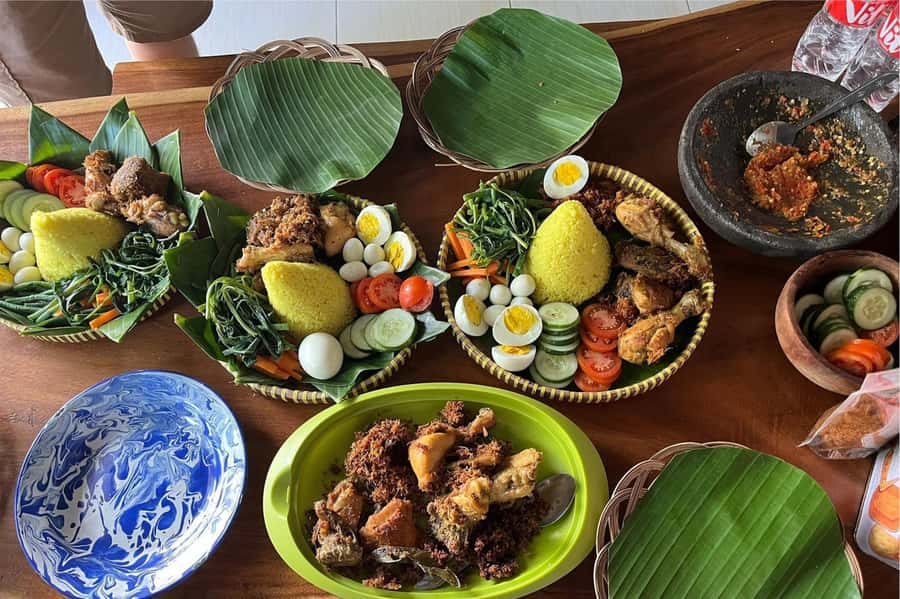
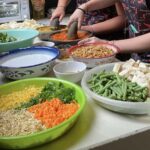
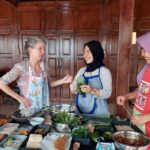
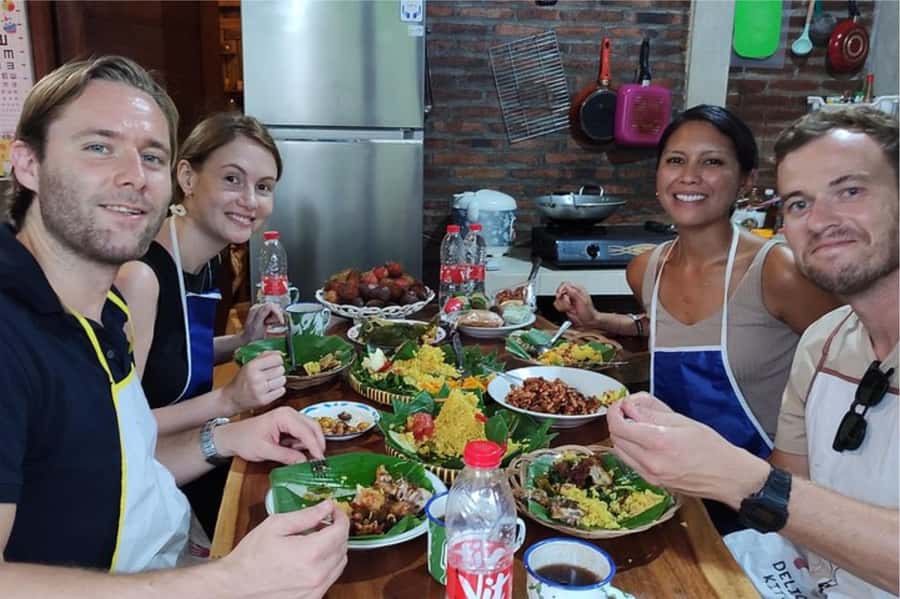
This is the core of the day, and it’s built around active learning. You typically spend about 3–4 hours cooking, which gives you time to do real work—cutting ingredients, mixing, and using the spices you bought at the market. The goal is to teach how dishes come together, not to hand you a final plate while you watch.
Your instruction often comes from someone like Desy, with a helpful home-kitchen setup that makes the class feel like you’re learning in a neighbor’s kitchen. You may work on several Indonesian dishes across the session. In one case, people cooked a 3-course menu. In another, the group learned multiple dishes—so the exact number can vary, but the hands-on focus is consistent.
You’ll also learn about ingredients “from scratch” in the sense that you’re shown what’s used and how it’s prepared—things like vegetables, rice, herbs, and spices. Even if you don’t become a kitchen magician by the end, you’ll walk away with a clearer mental map of Indonesian flavor building blocks.
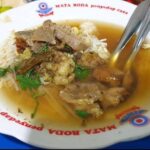
And then there’s the best part: you eat what you make while it’s still hot and fresh. This isn’t a rushed buffet line. It’s a sit-down meal that feels shared, often described as family-style dining.
What You Might See Beyond the Kitchen: Tempe and Crackers
This countryside day can include extra food culture stops that go beyond the cooking class. One itinerary-style element that stands out is a visit to a tempe factory, where you can see how traditional fermented soy products are made. If you already like tempe, watching it being produced adds context that a restaurant never quite delivers.
Another extra stop that can pop up is traditional cracker-making at a local home. You may get to see the process up close rather than just reading about it later. It’s the kind of food detail that makes the rest of your cooking class click, because you understand where textures and flavors come from.
Finally, you may end with a refreshing coconut drink or another small local treat, depending on how the host sets up the day. These touches aren’t about luxury—they’re about closing the loop on the flavors you learned.
You can also read our reviews of more cooking classes in Yogyakarta
Group Size, English Guide, and the Pace You Should Expect
The group size is small—up to 8 participants—which changes everything. In a small group, guides can actually explain, correct, and respond. It also makes it easier to blend in a bit, whether you’re in the market talking about spices or seated in a family kitchen.
The tour is guided in English by a live guide, which helps a lot when you want to understand why ingredients are used. You’re not stuck guessing or translating on the fly.
In terms of pace, you should expect a full day: pickup, market shopping, cooking work for several hours, then cycling and sightseeing stops before returning to your hotel. This isn’t a quick half-day activity. It’s a “plan your day around it” kind of outing.
Price and Value: What $41 Buys You in Real-World Terms
At about $41 per person for an 8–10 hour experience, this is strong value if you care about food and local interaction. You’re not only paying for a meal. You’re paying for:
- market shopping time and ingredient selection,
- a multi-hour cooking lesson with ingredients included,
- the bike tour portion,
- food and drinks during the day,
- and roundtrip transfers if that option is selected.
Cooking classes elsewhere can easily cost more without the countryside biking element or the market-first approach. Here, the structure connects the dots: you buy ingredients, learn cooking techniques, then eat together, all while you’re also getting a real sense of daily life on two wheels.
What you should watch for is expectations. If you’re mainly after a thrilling bike route, you might find it too relaxed. But if you want authentic food learning and a calm ride through rural Jogja, the value feels fair.
Practical Tips Before You Go
A few things will help you get the most out of the day:
- Wear closed-toe shoes you’re okay getting slightly messy. Cooking and outdoor walking usually happen.
- Bring a light layer. Mornings and afternoons can feel different, especially once you’re away from the city.
- Be ready to ask questions. With cooking, the best learning happens when you engage, not when you nod politely.
- If you’re sensitive to hearing at a distance, stay close on the bike portion so you catch the explanations.
Also, if you love cooking, you’ll likely appreciate the fact that you can take the recipes home. That’s one of the few souvenirs you’ll actually use.
Who Should Book This Countryside Cycling and Cooking Class?
This tour is a great fit if you want a full-day experience that connects culture through food and everyday village life. It’s especially good for:
- couples and small groups who like shared activities,
- travelers who enjoy cooking classes and want to learn techniques,
- people who want a calmer alternative to big-structure sightseeing days.
It may be less ideal if you want an all-out cardio bike ride or if you strongly prefer perfect pacing with detailed narration at every stop. The cooking portion is the anchor, and everything else supports that.
Should You Book This Jogja Cycling and Cooking Day?
If you like the idea of starting at a market, cooking in a family kitchen, and then riding through quiet countryside—this is an easy yes. The small group size, English guide support, and included ingredients plus food make it feel practical, not just “experiential.”
I’d book it if you want genuine connection: seeing tempe or cracker-making-style food culture, meeting friendly locals, and leaving with recipes you can recreate later. If you’re worried about the bike pace or communication, you can still enjoy the day by staying close, asking questions, and focusing on the route’s calm countryside vibe.
FAQ
How long is the Yogyakarta countryside cycling and cooking class experience?
The duration is listed as 8–10 hours.
What does the tour cost?
The price is $41 per person.
Is hotel pickup and drop-off included?
Hotel pickup & drop-off is included if that option is selected.
How big is the group?
It’s a small group limited to 8 participants.
Is there an English-speaking guide?
Yes, there is a live tour guide in English.
What’s included in the cooking class?
The cooking class includes all ingredients, and you also get food and drinks.
Do you get to take anything home?
You can take home the recipes from the cooking class.
Is there free cancellation?
Yes, you can cancel up to 24 hours in advance for a full refund.