REVIEW · YOGYAKARTA
Traditional Javanese Archery Class
Book on Viator →Operated by Alga Lova Tour · Bookable on Viator
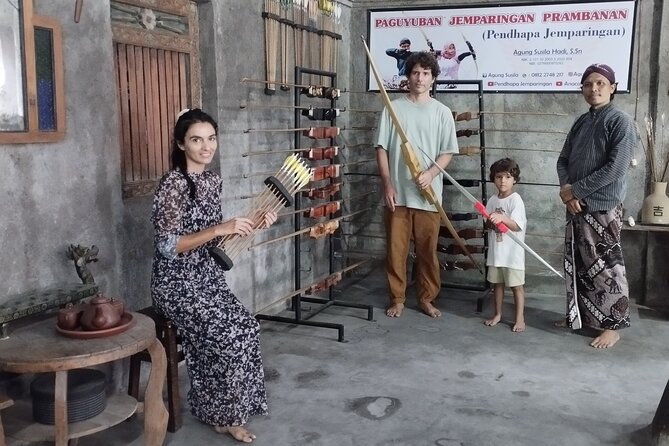
Jemparingan makes archery feel personal. You’ll learn Jemparingan, a traditional Javanese archery style done from a sitting position, with real context on how it was used by guardians/snipers in the Kraton of Yogyakarta. I especially loved the hands-on coaching from Mr. Agung, plus the way the class connects technique with Javanese philosophy. One thing to consider: the activity depends on good weather, and the sitting technique means you’ll want moderate fitness.
This is also a classic Yogyakarta setup: you start in the Prambanan area with an accredited guide, then go up to the Jemparingan place for instruction. The group stays small (maximum 10), which matters here because you’re learning body position and tool handling—not watching from the sidelines.
Finally, the format is straightforward: confirmation at booking, a mobile ticket, and a tight 1 to 2 hours total. That’s perfect if you want something cultural and active without eating your whole day.
In This Review
- Key Things I’d Know Before You Go
- Why Jemparingan Feels Different Than Typical Archery
- Prambanan Start: Meeting Point, First Orientation, and Timing
- Learning The Seated Stance: The Jemparingan Technique in Plain Terms
- Mr. Agung’s Coaching and Why the Trainer Background Matters
- Group Size and Your Learning Experience (Max 10)
- How to Plan Your Day: Duration and Where It Ends
- Price and Value: Is $27 Worth It?
- Weather and Physical Comfort: The Two Real Constraints
- What You’ll Carry Home: Technique and Cultural Story
- Who This Archery Class Suits Best
- Should You Book This Jemparingan Class?
- FAQ
- Where do I meet for the Traditional Javanese Archery class?
- How long does the archery class take?
- How much does it cost?
- What’s the group size limit?
- What will I do during the experience?
- What fitness level do I need?
- Is it near public transportation?
- What happens if the weather is bad, or I need to cancel?
Key Things I’d Know Before You Go

- A sitting-archery technique you’ll actually practice: Jemparingan is taught as a method, not just a photo moment.
- Mr. Agung’s coaching ties form to meaning: He explains the Javanese philosophies behind the seated stance.
- National-level archer as your trainer: Your instructor is noted as one of the national athletes from Yogyakarta.
- Small group size (max 10): More time for corrections and safer pacing.
- Prambanan as your start point: Your accredited guide meets you at the temple parking area, then accompanies you to the Jemparingan place.
- Weather matters: It requires good weather, with a different date or full refund if canceled for poor conditions.
Why Jemparingan Feels Different Than Typical Archery
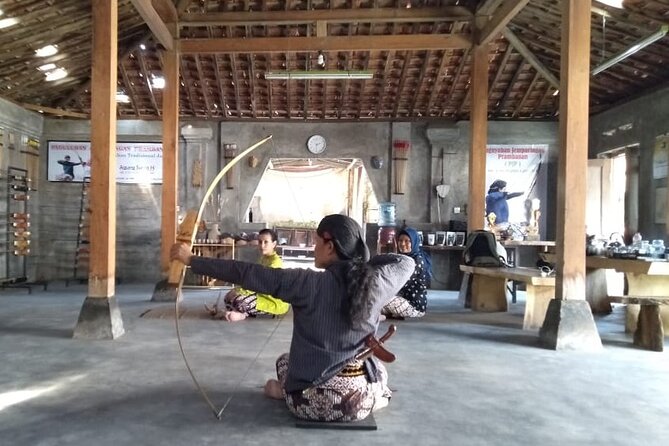
If you’ve only done modern target archery, Jemparingan can be a surprise—in a good way. The big difference is the seated technique. That changes everything: your balance, your posture, and how your body sets up for shot accuracy. It’s also a reminder that archery isn’t one single global sport. In Java, archery has its own cultural logic.
What I like about this class is that it doesn’t treat the sitting position as a gimmick. You get the background first—how this style was used by sniper or guardian roles connected to the Kraton of Yogyakarta—and then you practice the technique with instruction. That pairing makes your learning stick better because you understand the why, not just the how.
You’ll also hear Javanese philosophical explanations about the seated posture. Even if some of it is new to you, it gives the practice a tone that feels respectful and focused. Instead of rushing through steps, you’re learning a cultural skill.
You can also read our reviews of more tours and experiences in Yogyakarta



Prambanan Start: Meeting Point, First Orientation, and Timing
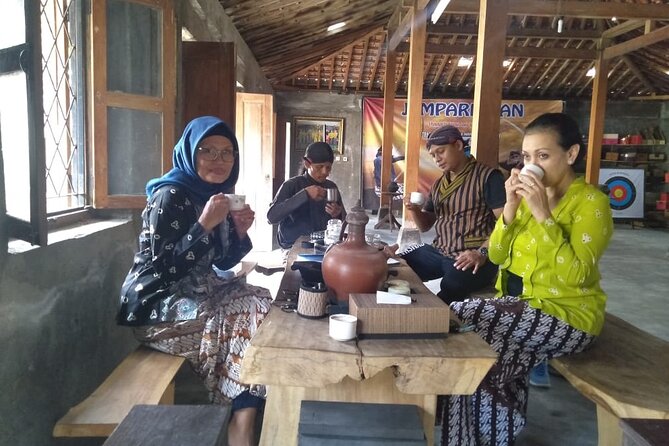
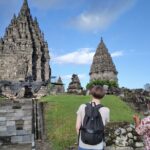
The experience begins around Prambanan Temple’s parking area. Your accredited guide meets you there and then accompanies you to the Jemparingan site. This is useful because it takes away the guesswork of where to go next—especially helpful if you’re only in Yogyakarta for a short time.
You should plan for a quick intro before the actual teaching starts. The session is scheduled for about 1 to 2 hours total, so think of it as a compact class: not a long tour, not a long lecture. It’s paced so you can learn the basics and then spend time practicing the proper method.
There’s also a detail worth noting: the itinerary lists Prambanan with an admission ticket free note at the start. That can help you control costs while still getting the Prambanan-area experience. (Just keep an eye out at booking for exactly what’s covered in your time slot.)
Learning The Seated Stance: The Jemparingan Technique in Plain Terms
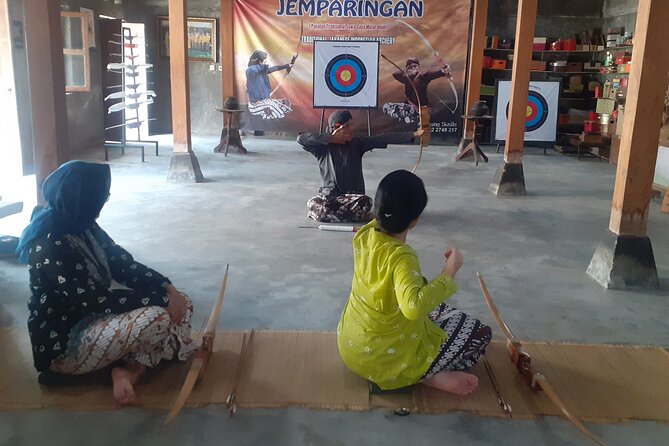
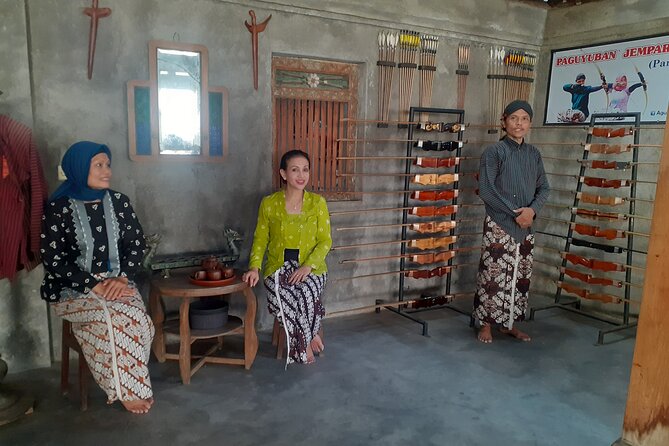
Once you reach the Jemparingan place, the training focuses on technique and proper use of traditional archery tools. The seated position is the headline. In practical terms, you’ll be working on how to set your body so the shot feels stable and repeatable. That means you’re not just holding an object and aiming—you’re controlling posture.
This is where having a professional instructor matters. A seated stance can be tricky because small adjustments in alignment can feel big when you’re sitting. A good class keeps correcting you in the moment. Here, Mr. Agung is the one providing deeper explanation and professional instruction, including the Javanese philosophical sides of the technique position.
You’ll likely understand it best if you treat the first minutes as calibration. Don’t worry about being perfect quickly. The goal is to get you using the tool the right way and learning the seated method properly, step by step. When you’re trying a traditional technique with a cultural framework, patience pays off.
Mr. Agung’s Coaching and Why the Trainer Background Matters
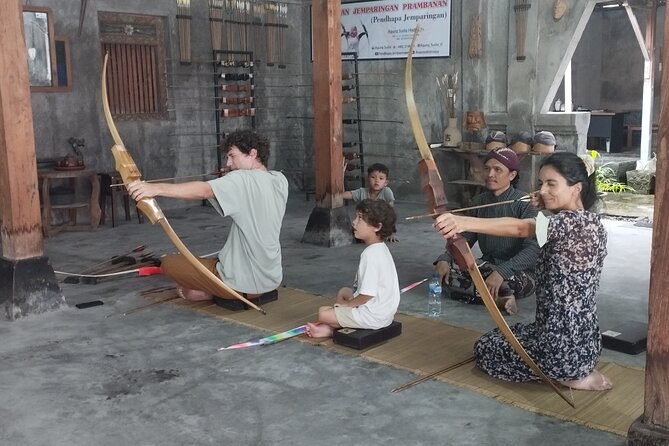
The instructor is described as a professional traditional Javanese archer and also one of the national athletes from Yogyakarta. That combination is meaningful for you because it suggests two things:
- You’re getting real-world performance knowledge, not just a cultural demo.
- You’re learning how to handle the tools with the discipline needed for accuracy.
In a short 1–2 hour class, you don’t want vague explanations. You want correction, timing, and clear instructions. That’s especially important for a seated archery style, where your posture has to stay consistent.
I also like that the class keeps the cultural respect front and center. Mr. Agung’s explanations of the philosophies behind the stance turn the session from a simple activity into a skill with meaning. Even if you only catch part of the concept, the structure makes the technique feel grounded.
Group Size and Your Learning Experience (Max 10)
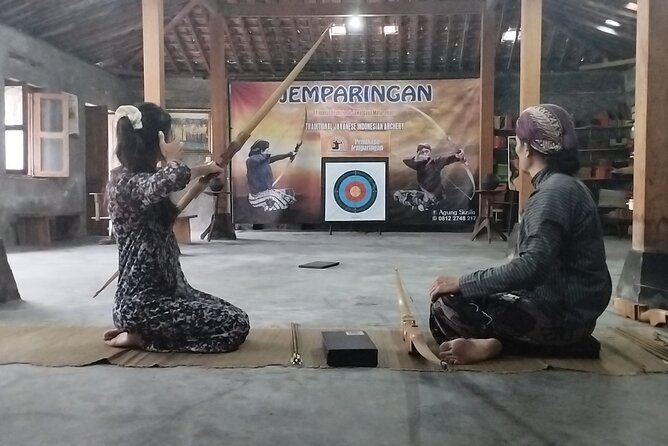
This class has a maximum of 10 travelers, which is exactly what you want for hands-on archery instruction. Smaller groups mean:
- you’ll get more attention per person,
- corrections can happen faster,
- and the session stays organized rather than rushed.
For a practice-based activity, crowding is the enemy. More people can mean longer waiting times, less time correcting posture, and a less calm environment. Here, the small size works in your favor.
It also makes the vibe feel friendly. In the experience’s standout feedback, people mention that the locals were very friendly and helpful. That matches the feel of a class like this: when the group is small and the instructor can focus, it’s easier to ask questions and learn without feeling pressured.



How to Plan Your Day: Duration and Where It Ends
The class runs about 1 to 2 hours. That’s a good length for fitting into your Yogyakarta itinerary. It’s long enough for real practice, but short enough that you won’t feel wrecked after.
The activity ends back at the meeting point. The listed start address is:
Pendhapa JemparinganCageran, Tamanmartani, Kec. Kalasan, Kabupaten Sleman, Daerah Istimewa Yogyakarta 55571, Indonesia
But the itinerary also clearly says your accredited guide meets you at Prambanan Temple’s parking area and then accompanies you to the Jemparingan place. So here’s the practical way to think about it:
- Use the provided Jemparingan place address as your navigation anchor.
- Expect your guide to meet you at Prambanan parking first, then handle the movement to the class location.
If you like things crystal clear before you go, take a screenshot of both locations and the name of the instructor/guide if it’s shown in your confirmation.
Price and Value: Is $27 Worth It?
At $27 per person, this is priced like an activity class, not a full-day excursion. In my view, it’s good value if you want a hands-on cultural experience without spending big.
Here’s why the value works:
- You get both context and practice: history and the seated technique.
- The trainer is described as a professional traditional archer and a national-level athlete from Yogyakarta.
- The group stays small (max 10), which typically increases learning time.
- The total time is short (1–2 hours), so you’re paying mainly for instruction and the experience itself.
Where it might feel less worth it is if you’re only looking for a casual look or lots of free roaming. This isn’t set up as a long sightseeing day. It’s a class, and the best results come from treating it like one.
So the sweet spot is simple: you’ll like this if you’re curious, willing to sit and learn technique, and you want something genuinely local rather than generic entertainment.
Weather and Physical Comfort: The Two Real Constraints
This experience requires good weather. That’s not just a comfort detail. For archery practice, conditions can affect safety and the ability to run the session smoothly. If it gets canceled due to poor weather, you’ll be offered a different date or a full refund.
You also need moderate physical fitness. Because the main technique is archery from a seated position, you should be comfortable enough to maintain posture and handle the physical demands of practice. If you have any mobility limits, it’s worth thinking it through before booking—don’t assume you’ll be able to stand the whole time or switch positions, since the defining feature is the seated technique.
Practical approach: wear something you can move in and sit comfortably. Flat, stable shoes help with balance during any setup or movement around the practice area. And if it’s warm, bring water—your class time may not be long, but archery training is still work.
What You’ll Carry Home: Technique and Cultural Story
The most memorable part of this kind of class isn’t just the act of shooting. It’s the ability to explain what you learned.
You’ll come away knowing that Jemparingan isn’t only a pastime. It was preserved from a time when it served roles such as guardians or snipers connected with the Kraton of Yogyakarta. You’ll also understand that the sitting position has Javanese philosophies tied to it, explained by Mr. Agung.
That matters because it turns a sport into a story you can retell. Instead of saying you did archery in Yogyakarta, you can say you learned a traditional archery style with a specific technique and cultural meaning.
And from the feedback people shared, the experience feels special because it’s authentic and taught by locals in a way that feels welcoming. That combination—technique plus cultural framing—is exactly what makes these activities feel worth repeating.
Who This Archery Class Suits Best
This is a great fit if:
- you want an active cultural class rather than just visiting sights,
- you’re curious about traditional Javanese practices,
- you like learning with a small group and direct coaching,
- you want something doable in 1–2 hours.
It’s also a solid option if you’re already doing Prambanan and want something beyond the temple itself. Starting in the Prambanan area anchors your experience in place, then you shift to a local training setting.
You might skip it if:
- you dislike seated postures or have mobility concerns,
- you’ll be in Yogyakarta only during uncertain weather days,
- you’re hoping for a long, relaxed tour format.
Should You Book This Jemparingan Class?
I’d book it if your trip includes Prambanan and you want one memorable “learn something” activity that’s still short. Mr. Agung’s role, the seated Jemparingan technique, and the national-athlete coaching angle make this more than a quick demo. The small group size also improves your chances of getting real instruction, not just a hands-off introduction.
Before you commit, check two things: your weather window and your comfort with a seated technique. If those line up, this class is a neat way to understand Yogyakarta beyond temples—through a traditional skill that still matters to local culture.
FAQ
Where do I meet for the Traditional Javanese Archery class?
You’ll be met by an accredited guide at Prambanan Temple’s parking area to begin the activity, and then you’ll be accompanied to the Jemparingan place. The listed start location address is Pendhapa JemparinganCageran in Tamanmartani, Kalasan, Sleman, and the activity ends back at the meeting point.
How long does the archery class take?
The duration is about 1 to 2 hours.
How much does it cost?
The price is $27.00 per person.
What’s the group size limit?
The class has a maximum of 10 travelers.
What will I do during the experience?
You’ll get an introduction to traditional Javanese archery (Jemparingan) and practice using traditional archery tools properly, including learning the seated technique. Mr. Agung also explains the Javanese philosophies connected to the stance.
What fitness level do I need?
The experience requires a moderate physical fitness level.
Is it near public transportation?
Yes, it’s listed as near public transportation.
What happens if the weather is bad, or I need to cancel?
The experience requires good weather. If it’s canceled due to poor weather, you’ll be offered a different date or a full refund. For cancellation, you can cancel up to 24 hours in advance for a full refund. If you cancel less than 24 hours before the start time, the amount you paid won’t be refunded.