REVIEW · YOGYAKARTA
Traditional Archery Class (Jemparingan)
Book on GetYourGuide →Operated by ALGA LOVA TOUR · Bookable on GetYourGuide
Jemparingan turns Prambanan into a shooting lesson. This traditional archery class in Java is hands-on, coached by the master of jemparingan, and built around learning the tools correctly and why the practice matters. I especially like the small-group setup (up to 10 people), which makes it easier to get personal feedback, and the fact that you train first, then practice enough to actually improve. One consideration: the session is only 2 hours, so if you’re hoping for an all-day archery experience, this is more of a focused introduction than a long range session.
After booking, you’ll get your meeting point details on WhatsApp, and the activity runs a short drive from the north side of Prambanan Temple (around 4 km). You’ll also get a break halfway through with local coffee or tea and a snack, which is a nice reset when your arms start reminding you that archery is real work. The class is led by an instructor who speaks English and Indonesian, so language usually isn’t a barrier.
In This Review
- Key Things I’d Prioritize in This Class
- Jemparingan: Traditional Archery with Context, Not Just Targets
- Where You Meet Near Prambanan Temple (Pickup Included)
- The 2-Hour Flow: Learn the Tools, Then Practice in Real Sets
- What to watch for during coaching
- The Mid-Class Break with Coffee or Tea
- Small Group Archery: Why Up to 10 People Is a Big Deal
- Price and Value: What $23 Buys You in Practical Time
- Who This Class Is Best For (And Who Should Skip It)
- What to Consider Before You Book (Realistic Expectations)
- Should You Book This Jemparingan Class Near Prambanan?
- FAQ
- Where is the Traditional Archery Class located?
- What is included in the price?
- How long is the class?
- What meeting point should I use?
- What languages are used during the class?
- Is it suitable for children and seniors?
Key Things I’d Prioritize in This Class
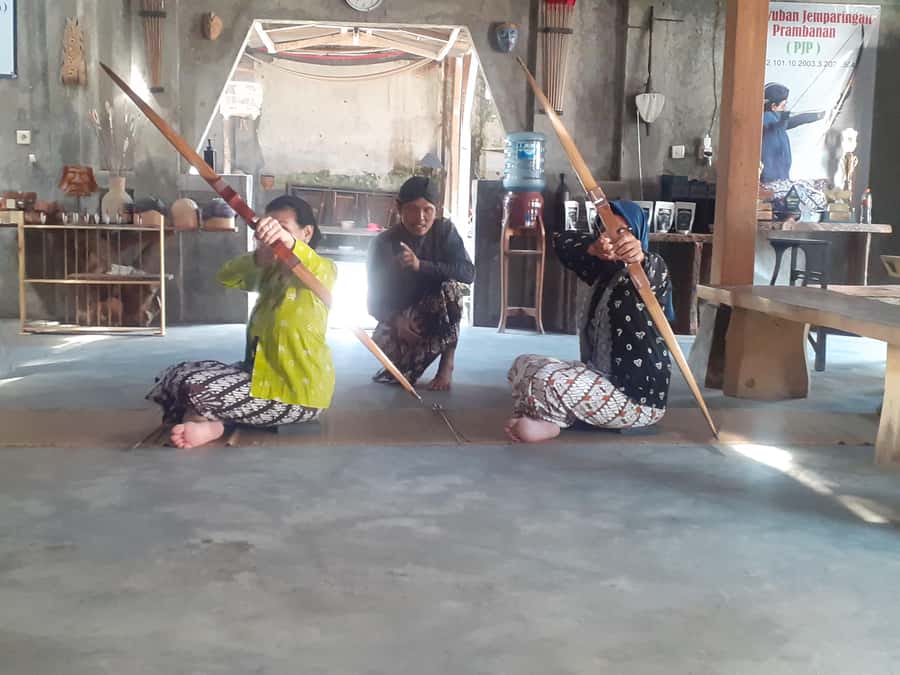
- Master-led jemparingan coaching focused on using traditional tools properly
- Up to 10 people, so you’re not lost in a crowd
- History + practice, so you understand what you’re doing, not just how
- Renting bow and arrow included, so you can show up ready
- Coffee or tea plus a local snack, with a scheduled break
Jemparingan: Traditional Archery with Context, Not Just Targets
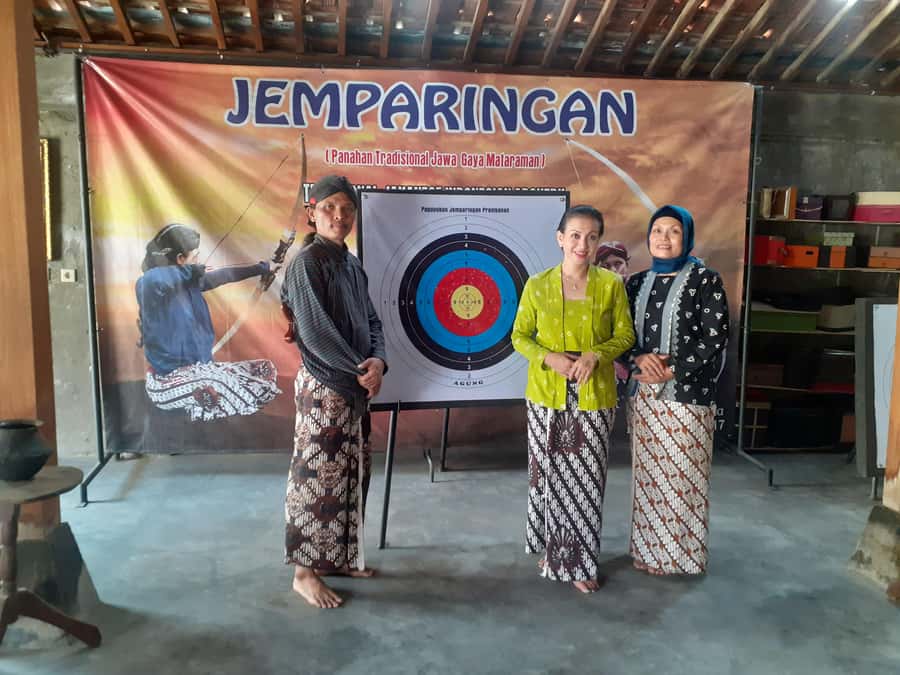
Modern archery can feel like a sport first and a story later. Jemparingan is the opposite in a good way: you get a quick grounding in the history of the practice before you start shooting. That order matters because your brain tends to respect the activity more when you know what it represents.
In this class, you’ll be introduced to traditional archery tools and guided by a professional traditional Javanese archer. The point isn’t only about hitting the target; it’s about handling the bow and arrow correctly and learning the right way to practice. If you’re into culture that you can actually do with your hands, this format feels honest and engaging.
Also, the vibe tends to be respectful. One thing that comes through clearly in the experience is the respect for high-level skill: you learn from someone who’s clearly qualified, not just someone who knows the basics. You’ll feel that during coaching, especially when you’re trying to correct your form and your shots change after instructions land.
You can also read our reviews of more tours and experiences in Yogyakarta



Where You Meet Near Prambanan Temple (Pickup Included)
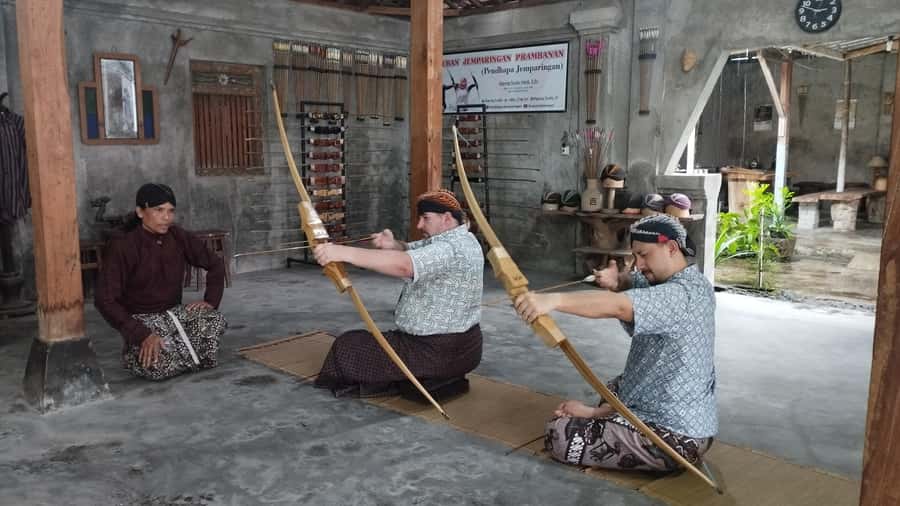
This activity is based north of Prambanan Temple, about 4 km away. The simplest plan is to use their pickup service in the Prambanan area. If you’re already parked at Prambanan Temple, you can also meet them at the Prambanan Temple parking area.
Timing-wise, it’s a short, practical add-on to a day around the temple. You’re not committing to a long transfer. One small but important note: you need to provide your WhatsApp number during booking. That’s how they send your meeting location details, and it keeps things smooth once your day at Prambanan is done.
Language is also practical here. The instructor communicates in English and Indonesian, so you can follow the explanations without relying on guessing.
The 2-Hour Flow: Learn the Tools, Then Practice in Real Sets
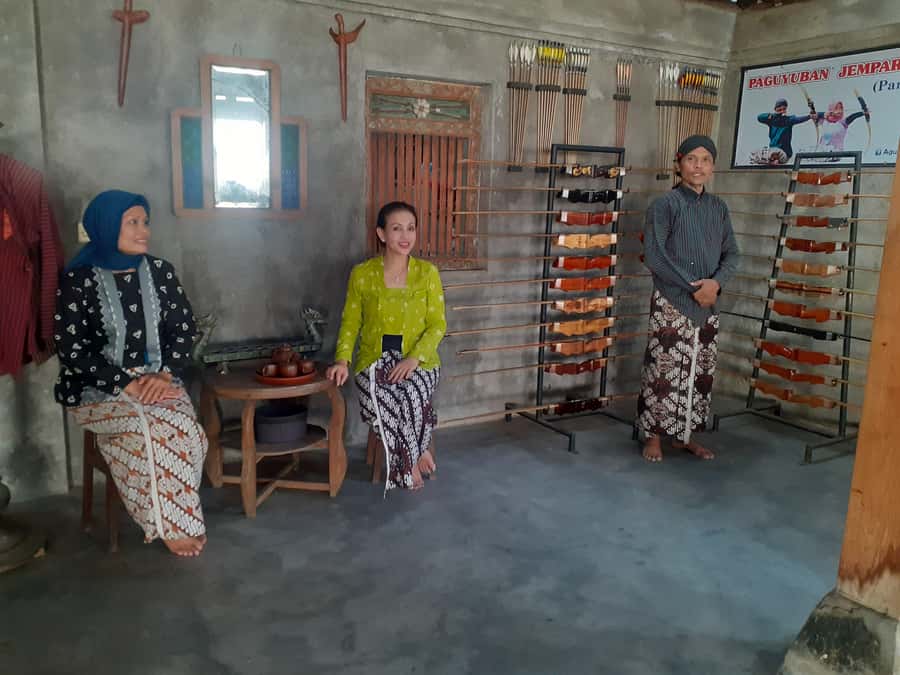
The class runs for 2 hours, and it follows a logical rhythm: learn first, then shoot. After you arrive, the trainer explains how to use the tools properly and shares background on jemparingan. This isn’t a vague lecture. The goal is for you to leave with skills you can apply during your shooting practice right away.
Then comes the practical part. You’ll get bow and arrow rental, and the coaching shifts into hands-on corrections. Expect the instructor to guide you through using the equipment the traditional way and help you adjust your technique as you shoot. In a small group, that type of coaching is easier to manage because the trainer can watch what’s happening with each person.
At the halfway mark, there’s a break time after the first shooting sequence, which gives you a chance to reset before more practice. After that, the class continues with additional shooting until you’ve had enough. In fact, the way the session ends can feel natural: you keep shooting, your form may improve with corrections, and then you stop when you’re tired and your shots start to slip. That’s a real archery pacing model, not a rigid performance schedule.
What to watch for during coaching
Because this is a traditional class, pay attention to how the instructor talks about proper use. A useful way to participate is to pick one coaching point at a time. When you try to change everything at once, your technique can feel worse before it gets better.
The Mid-Class Break with Coffee or Tea
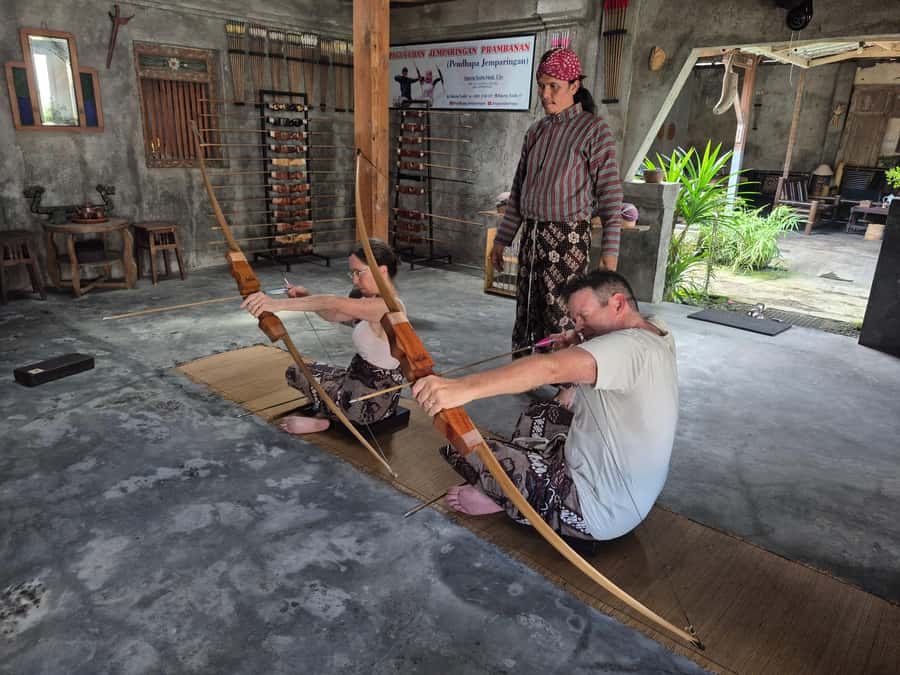
One of the smartest details here is the scheduled break with local coffee or tea and a snack. It sounds small, but in archery it matters. Your shoulders and forearms get involved, and a short pause helps you come back ready to focus again.
You’ll also get a chance to take in the cultural side of the day without pressure. It’s a simple rhythm: shoot, learn, rest, then continue. For families and mixed-experience groups, this kind of break keeps the energy steady and makes the whole class feel less like a drill.




Small Group Archery: Why Up to 10 People Is a Big Deal
A group limit of 10 participants changes how the class feels. With fewer people, the instructor can spend more time checking your technique and responding when something isn’t working. It also means you’re less likely to feel rushed or stuck waiting while others shoot.
This is especially helpful if you’re a complete novice. In a traditional skill, beginners benefit from quick feedback. And if you’ve shot archery before, a small group makes it easier to refine your form instead of just repeating the same motions.
The experience is also reported as enjoyable for both kids and adults, with the instruction style working well across ages. That doesn’t mean it’s a playground activity; it still requires attention and basic comfort handling a bow and arrow. But it does mean the environment tends to be supportive rather than intimidating.
Price and Value: What $23 Buys You in Practical Time
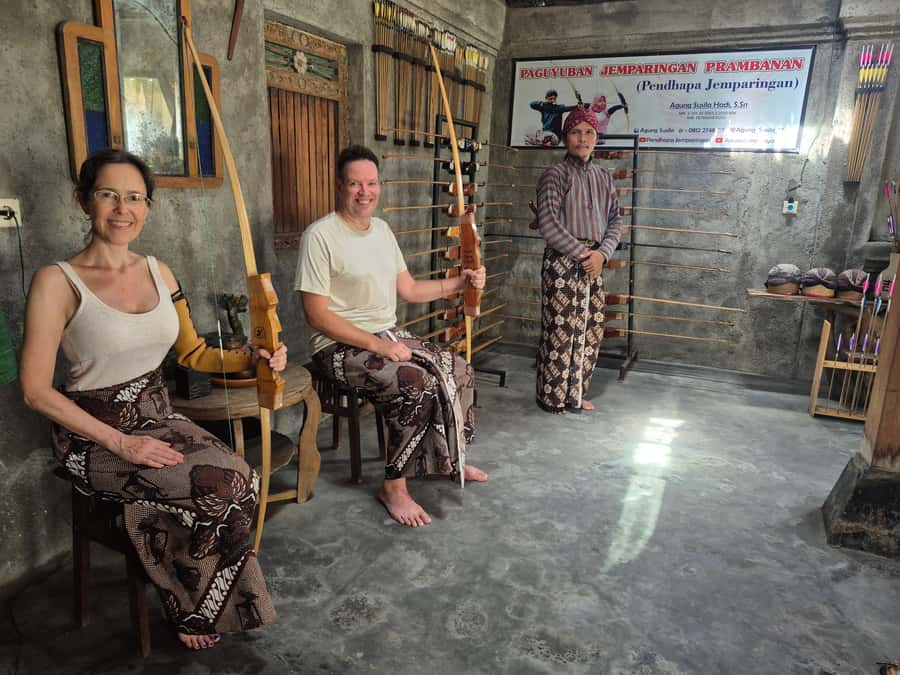
At $23 per person for 2 hours, the value is strong when you look at what’s included. You’re not just paying for instructor time. You’re also getting:
- a trainer (including instruction in English and Indonesian)
- rental of bow and arrow
- a break with coffee/tea and a local snack
- pickup service in the Prambanan area
So your cost covers the hard parts that would otherwise take time and planning: finding equipment, arranging a trainer, and building an activity that fits around a temple visit. If you’re already in the Prambanan area, this turns “cultural time” into something active without turning it into an all-day schedule.
Is it a bargain compared to a big-city archery range? Often yes—especially because the cultural coaching is part of the package. Is it a huge archery training program? No. It’s a focused class. But for most people, that focus is exactly what makes it worth it.
Who This Class Is Best For (And Who Should Skip It)
This activity works best if you want a hands-on cultural experience and you’re curious about how traditional tools are used. It’s a good fit for:
- families looking for something more memorable than another photo stop
- complete beginners who want clear, guided practice
- people with archery experience who like learning how another tradition approaches technique
It’s less suitable for:
- babies under 1 year
- people over 70 years
If you’re in that age range or traveling with very young infants, it’s better to choose a different activity nearby.
What to Consider Before You Book (Realistic Expectations)
A traditional archery class is still physically active. Even with rental equipment and coaching, you’ll be using your arms and shoulders. Plan your day so you’re not already exhausted from a long temple walk or a tight travel schedule.
Also, keep your communication ready. The activity uses WhatsApp to send your meeting point details, and that only works well if your number is correct.
Finally, remember the time limit: 2 hours means you’ll learn, practice, and get feedback, but you won’t leave as a fully trained archer. Think of it as a strong introduction with meaningful coaching, not a multi-week training course.
Should You Book This Jemparingan Class Near Prambanan?
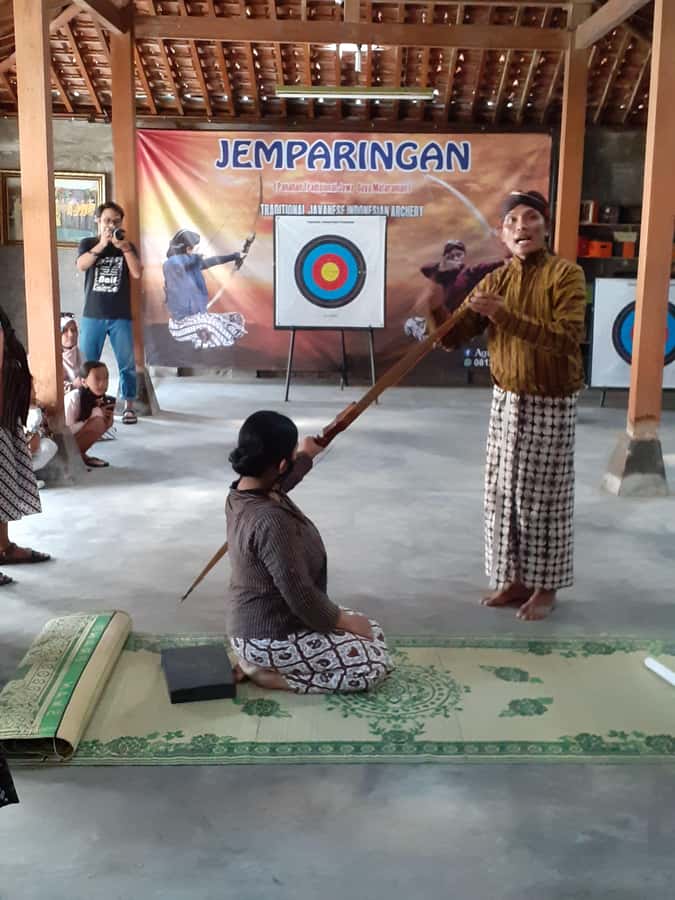
If you’re already in the Prambanan area and you want one activity that’s both cultural and hands-on, I’d book it. The combination of master-level traditional instruction, small group size, included equipment rental, and a break with coffee/tea makes it feel efficient and complete for the price.
I’d skip it only if you want a long-duration archery session, or if the age guidelines don’t fit your group. For everyone else, this is one of those activities that turns a famous location into something you can do and remember—not just see.
FAQ
Where is the Traditional Archery Class located?
It’s located north of Prambanan Temple, around 4 km away.
What is included in the price?
The class includes pickup in the Prambanan area, an archery trainer, renting a bow and arrow, and coffee/tea.
How long is the class?
The experience lasts 2 hours.
What meeting point should I use?
You can meet at the north area of Prambanan Temple, and pickup is available. They can also pick you up at Prambanan Temple parking area.
What languages are used during the class?
The instructor teaches in Indonesian and English.
Is it suitable for children and seniors?
It’s not suitable for babies under 1 year, and it’s not suitable for people over 70 years. The class is small group with up to 10 participants.