REVIEW · YOGYAKARTA
From Yogyakarta : Merapi volcano guided Tour with Jeep
Book on GetYourGuide →Operated by Hati Tour and Transport · Bookable on GetYourGuide
Merapi by jeep feels wildly real in 5 hours. You’ll roll out from Yogyakarta in air-conditioned comfort, then swap to a jeep safari for a closer look at Kaliadem bunker (about 4 km from the peak) and the leftover signs of the 2010 eruption. I love how the tour mixes viewpoints with practical, on-the-ground explanation from a local guide who drives and guides at the same time; it makes active-volcano talk feel grounded. The main drawback to consider is that the tour runs even if it rains, so conditions can get less pleasant and visibility may be limited on the jeep parts.
Two things I especially like: the route is built around the volcano’s reality, including rocks linked to lava avalanches from 2010, and there’s a museum stop where evidence is kept for you to study rather than just hear about. If you’re hoping for a summit-style experience, adjust your expectations now: this is about being close and informed, not about hiking to the top. Also, it’s not suitable for people with altitude sickness, and the age limits are tight (no babies under 1 year and no one over 95 years).
In This Review
- Key things to know before you go
- Why this Merapi jeep safari is the smart kind of close
- Getting from Yogyakarta to the jeep base camp
- Kaliadem bunker: the 4 km near-peak viewpoint
- Weather reality check at Kaliadem
- Learning from the 2010 eruption evidence museum
- Riding through natural villages with a driver-guide
- The guide names that make the day easier
- What the jeep time is like (and what to bring)
- What I’d pack for comfort
- Rules that keep the day safe
- Price and value: is $36 actually fair?
- Who should book this (and who should skip it)
- Who should not book
- A few practical tips to get more out of the day
- Should you book the Merapi guided jeep tour from Yogyakarta?
- FAQ
- How long is the Mount Merapi jeep tour from Yogyakarta?
- What is the closest stop to the peak of Merapi?
- Does the tour include hotel pickup and transportation?
- Do I need to pay extra for the guide or driver?
- Will the tour run in the rain?
- Is this tour suitable for people with altitude sickness?
Key things to know before you go
- Kaliadem bunker at 4 km from the peak gives you a rare near-volcano perspective without a hike.
- 2010 eruption evidence includes both outdoor material (lava-avalanche rocks) and indoor context at a museum.
- Driver as local guide means you’re getting geography and safety talk from someone who knows the area.
- English-speaking guidance helps you understand what you’re seeing while you’re seeing it.
- Rain plan is built in, so you should pack for wet weather even if the forecast looks hopeful.
- Value check: the $36 price includes pickup/transfer, bottled water, and insurance coverage.
Why this Merapi jeep safari is the smart kind of close
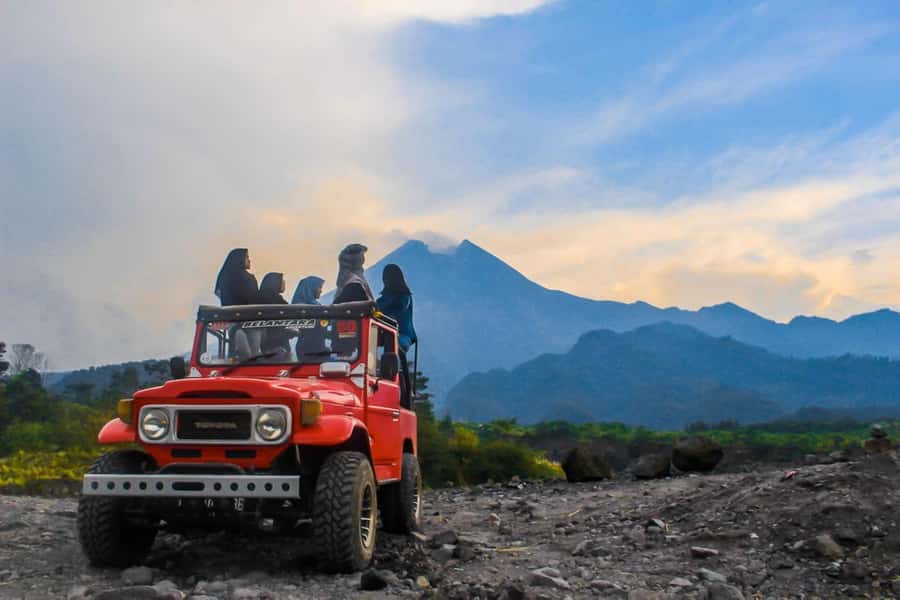
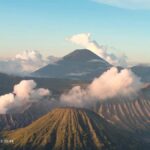
Mount Merapi is one of Indonesia’s most active volcanoes, and that matters for how you experience it. On this kind of jeep tour, you’re not just looking at a mountain from a distance. You’re traveling through the edges of the story: what the 2010 eruption did, what areas were impacted, and where people built protective infrastructure like the Kaliadem bunker.
I like that the tour doesn’t treat the volcano like a theme-park attraction. It gives you a framework: active volcanoes change, eruptions leave physical clues, and the safest way to learn is with a local guide who can point out what you’re actually seeing. When the guide also drives, you tend to get explanations tied to real driving decisions and real terrain.
You can also read our reviews of more guided tours in Yogyakarta
Getting from Yogyakarta to the jeep base camp
Your day starts with pickup from your accommodation in Yogyakarta. Then you transfer by car to the jeep base camp, which takes about 40 minutes. This “settle-in” time is useful. You’re not immediately thrown into the jeep experience; you get the handoff from normal city travel to a more rugged route.
The transport is air-conditioned, and you’ll have bottled water. That sounds basic, but on a volcano trip it helps. You’ll likely spend time outdoors afterward, and hydration and comfort matter more than you’d think once you’re standing in changing light around the volcano.
Kaliadem bunker: the 4 km near-peak viewpoint
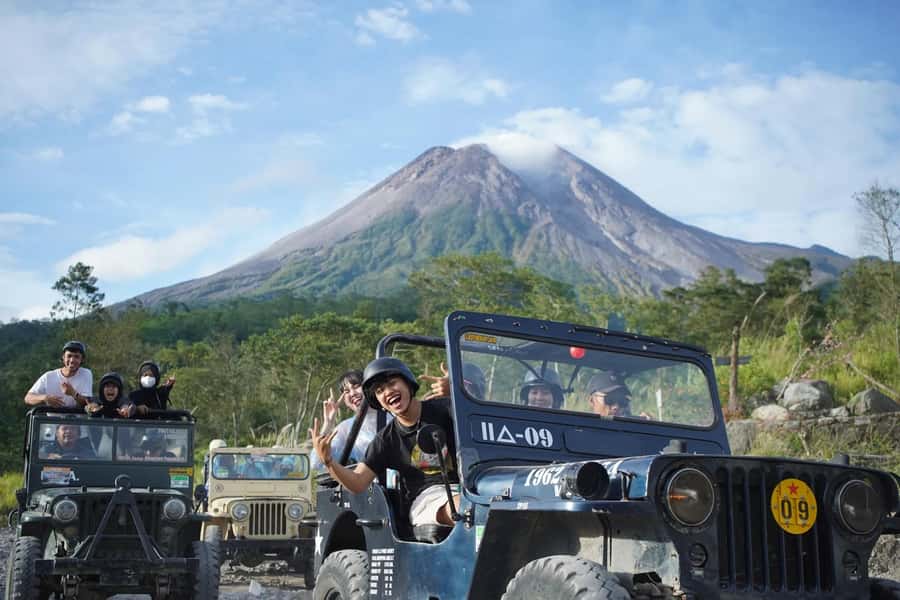
The highlight for many people is the stop at Kaliadem bunker. It’s described as the closest point to the peak of Merapi, at roughly 4 km. That distance is significant. You’re far enough to avoid the risk of chasing dramatic views, but close enough that you can connect scale to the eruption evidence you’ll hear about.
This is also where you learn how people prepared for danger. A bunker isn’t just a cool photo stop; it represents a real response to living near an active volcano. Expect the guide to explain what it means to be near a volcano that’s actively changing, and why the 2010 eruption is still discussed as a major event.
You’ll also see large rocks linked to lava avalanches from 2010. This part is valuable because it moves the story from abstract to tangible. Instead of only hearing about lava, you get to look at the aftermath and understand the kind of force involved.
Weather reality check at Kaliadem
The tour runs even if it rains, and that affects this stage most. Wet ground can make some viewpoints feel less comfortable, and clouds can soften the visibility you want. If you’re the type who hates standing around in drizzle, pack for it and keep your expectations flexible.
Learning from the 2010 eruption evidence museum
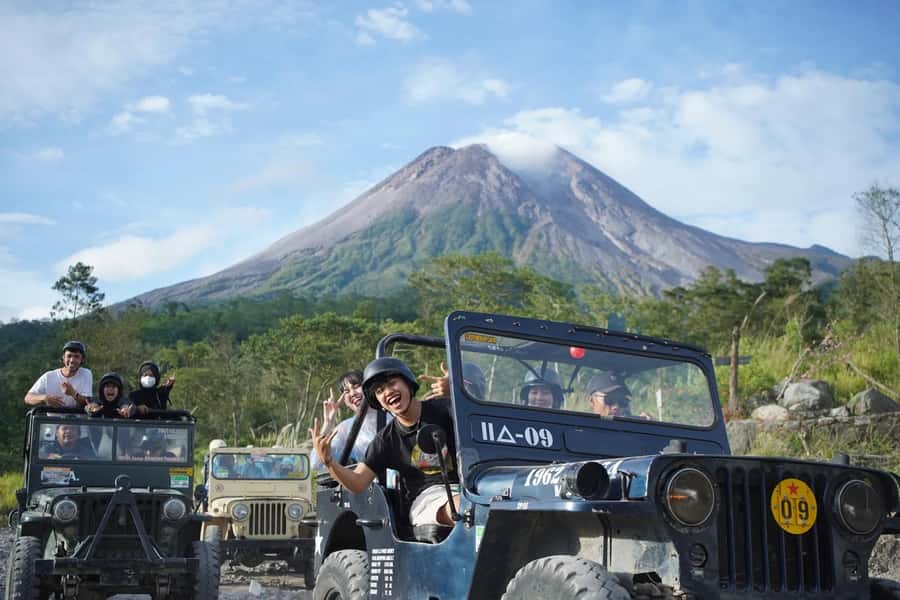
After the jeep driving and the near-peak stop, you’ll visit a museum where evidence from the 2010 eruption is stored. This is one of those stops that feels slower than the jeep part, but it’s what makes the day stick with you after you’ve driven back to town.
The key point here is interpretation. Outdoor evidence can be read in many ways unless someone explains what you’re looking at. In a museum setting, you’re given context so the pieces connect: what happened in 2010, why it’s considered the biggest eruption so far (as described on the tour), and how active volcano behavior ties to what you saw outdoors.
I like this structure: jeep time for scale and immediacy, then museum time for meaning. It’s an efficient way to learn without turning your day into a classroom.

Riding through natural villages with a driver-guide
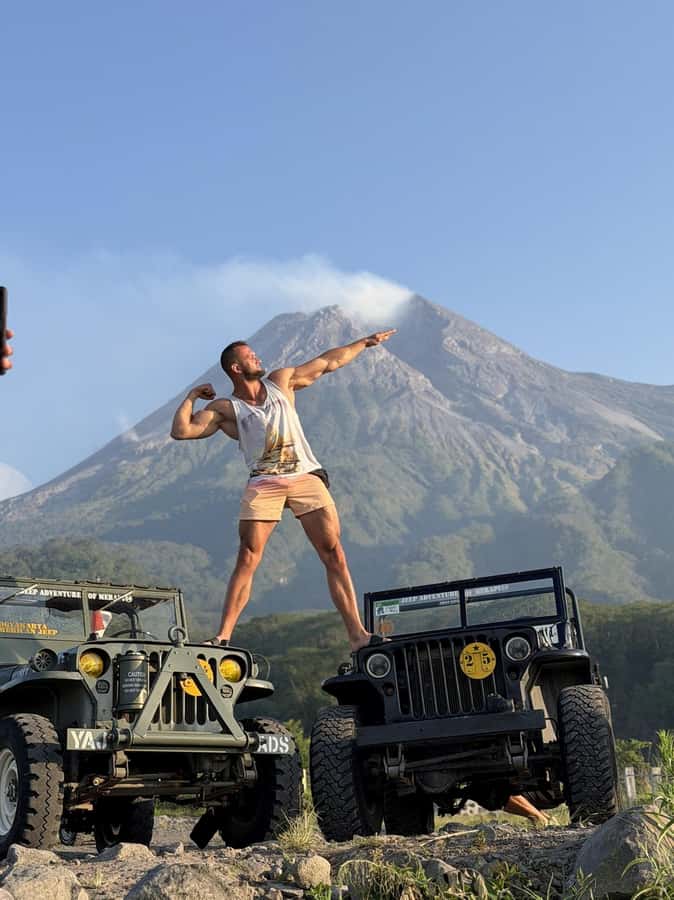
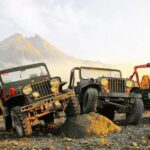
One of the most practical strengths of this tour is how it teaches you the area as you move through it. You’ll explore natural villages and learn about active volcanoes with the jeep driver, who also becomes the local guide. That combination matters because driving routes in volcanic regions aren’t random. A local guide can explain what you’re passing and why certain areas matter.
If you care about authenticity, this is where the tour earns its keep. You’re not only visiting fixed “attractions.” You’re moving through the countryside and hearing how locals talk about Merapi’s activity and the living landscape around it.
The guide names that make the day easier
In guides, the theme is clear: people value safety, attention, and good communication. Some past guides noted include Tony and Simuö, with jeep drivers like Farjar and Adi also standing out for how well they manage the day. What that usually means for you on the ground is simple: clear instructions, thoughtful photo opportunities, and an extra layer of reassurance—especially if you’re a solo traveler.
What the jeep time is like (and what to bring)
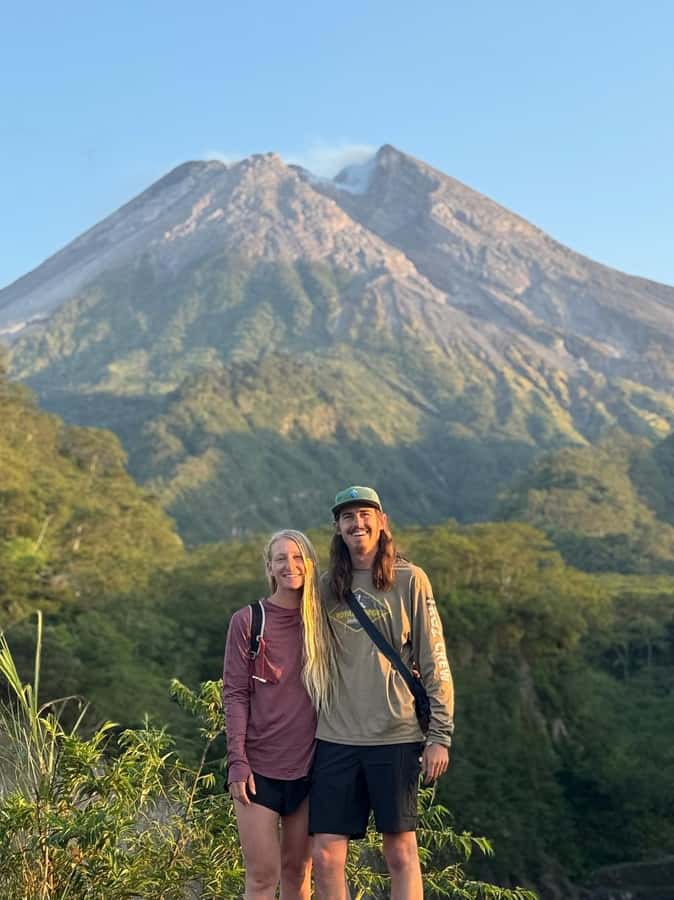
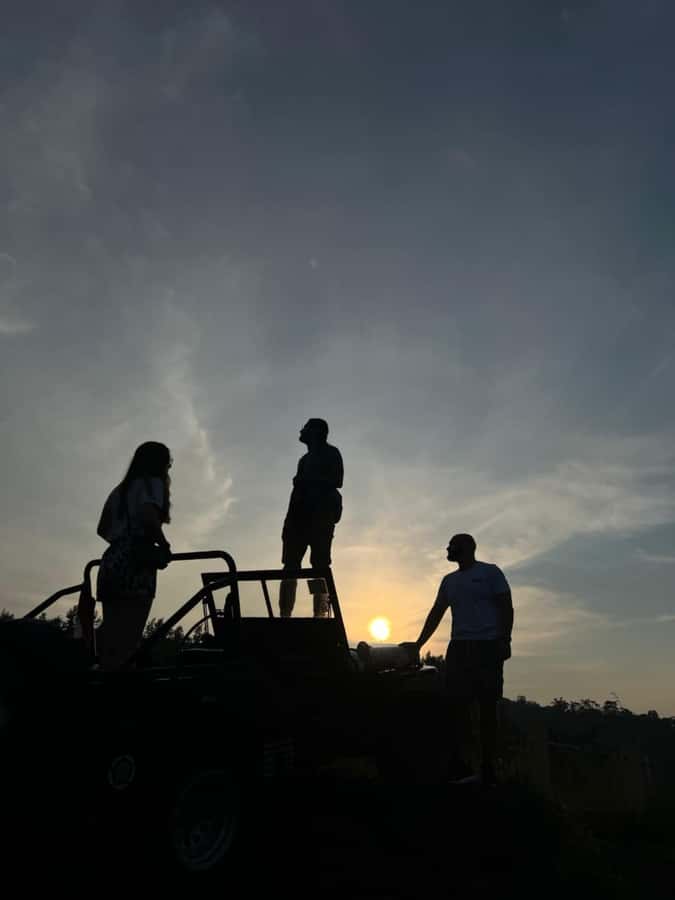
The jeep safari section runs around 90 minutes. That’s long enough to feel like more than a quick drive-by, but not so long that you lose your sense of the plan. You’ll get time to explore the beauty around Merapi, then return for the car transfer back to Yogyakarta.
What I’d pack for comfort
You’ll want:
- Sunglasses
- Sunscreen
The tour info also says it runs even if it rains. The data doesn’t list rain gear, so I’d treat this as a prompt to bring a light rain layer or something that won’t ruin your day if it’s wet. If you hate slippery conditions, closed-toe shoes help.
Rules that keep the day safe
Alcohol and drugs aren’t allowed. That’s not a party-tour vibe, and it’s consistent with the safety-minded nature of a volcano outing.
Price and value: is $36 actually fair?
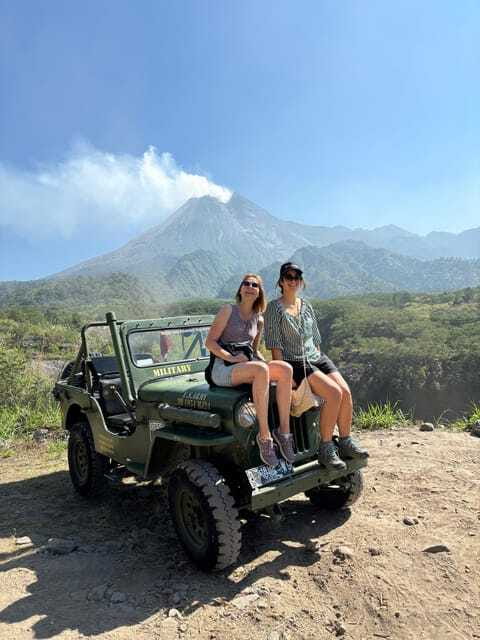
At about $36 per person for a 5-hour experience, the value comes down to what’s included.
You get:
- Hotel pickup and transfer
- Transport with air conditioning
- English-speaking driver
- Bottled water
- Insurance via jasa raharja
- Jeep driver as local guide
For many half-day tours, you often pay extra for things like pickup, transfers, or guided interpretation. Here, you’re getting transportation plus a guide who’s also driving the jeep, plus insurance coverage included in the package price. That’s where the number starts to look reasonable.
The one thing to weigh is your tolerance for limited time on-site. The jeep portion is about 90 minutes, and the total day is 5 hours. If you want slow, flexible pacing—more stops, more time at each viewpoint—this may feel structured.
Who should book this (and who should skip it)
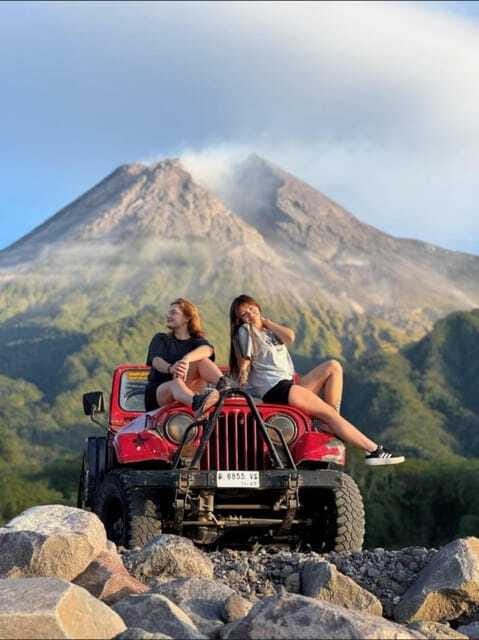
This works best for you if you:
- Want an active-volcano experience without hiking to the summit
- Like learning from a local guide who can explain what you’re seeing in real time
- Prefer a guided structure that mixes outdoor evidence with a museum stop
- Are comfortable spending a chunk of time traveling by jeep and standing outdoors
Who should not book
The tour is explicitly not suitable for:
- People with altitude sickness
- Babies under 1 year
- People over 95 years
If you fall into those categories, you’ll want a different type of Merapi day that fits your health needs.
A few practical tips to get more out of the day
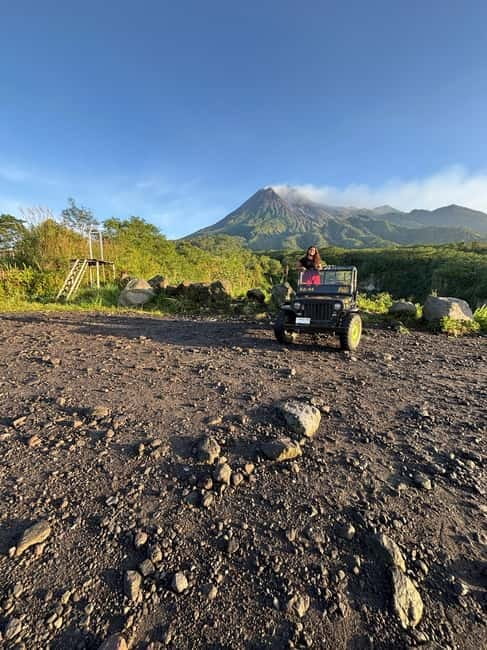
- Ask the guide to explain what you’re seeing at the 2010 eruption evidence stops before you start photographing. It helps the photos make sense later.
- If you’re serious about photos, you’ll likely enjoy the careful photo-taking mentioned by guides like Tony and drivers like Farjar. Still, keep an eye on the weather and don’t fight clouds.
- Use the museum stop to anchor your understanding. Outdoor signs are powerful, but the museum gives you the story behind the rocks.
- Bring sunglasses even if it’s cloudy. Volcano lighting can flip fast, and glare happens.
Should you book the Merapi guided jeep tour from Yogyakarta?
I’d book this tour if you want a practical, safety-minded way to get close to Mount Merapi’s most talked-about evidence—especially the Kaliadem bunker area and the 2010 eruption artifacts—without spending a full day hiking.
Skip it if you need maximum flexibility, hate being outdoors in wet conditions, or fall into the altitude sickness and age-limit categories. The structure is a strength: pickup, transfer, jeep safari, near-peak stop, museum, and back to town.
If your goal is understanding Merapi in a way that feels real (not just scenic), this is a strong choice for the money and the time you’ll spend.
FAQ
How long is the Mount Merapi jeep tour from Yogyakarta?
The total duration is 5 hours.
What is the closest stop to the peak of Merapi?
The tour includes a visit to Kaliadem bunker, described as the closest point to the peak, about 4 km from it.
Does the tour include hotel pickup and transportation?
Yes. It includes hotel pickup and transfer, plus transport with air conditioning.
Do I need to pay extra for the guide or driver?
No extra guide fee is listed. You’ll have an English-speaking driver and a jeep driver who also acts as a local guide, and bottled water is included.
Will the tour run in the rain?
Yes. The tour runs even if it rains.
Is this tour suitable for people with altitude sickness?
No. It is not suitable for people with altitude sickness.