REVIEW · YOGYAKARTA
From Yogyakarta : Bromo-Ijen-Ketapang Port (3D2N)
Book on GetYourGuide →Operated by Beautiful Jogjakarta Tour · Bookable on GetYourGuide
Sunrise hits different at Bromo and Ijen. This 3D2N route is interesting because you’re moving fast through East Java’s top sights, timing the days for the views that matter: Bromo sunrise first, then the Ijen blue fire at night. I also love the way the trip keeps you comfortable and in rhythm with a private air-conditioned car pickup and a hands-on English-speaking driver who helps the logistics feel easy.
I’d plan for one big consideration: the early wake-ups are serious, and the Ijen “blue fire” isn’t guaranteed. If you’re not into midnight starts and cold morning air (temperatures can drop near 10°C at Bromo viewpoints), then the schedule may feel like a lot, even though it’s worth it for the timing.
In This Review
- Key things I’d mark on your mental map
- East Java in 3 days: why this plan works (and what it asks of you)
- Day 1: Yogyakarta to Probolinggo, with optional Madakaripura timing
- The optional Madakaripura waterfall add-on
- Day 2: Bromo sunrise from King Kong Hill to Batok Hill photos
- Choosing King Kong Hill for sunrise
- The crater time: stairs and views over the desert
- Back to the hotel: shower and reset
- Day 3: Ijen at midnight—blue fire, the green lake, and the sunrise payoff
- Gear you actually need: torch light and gas mask
- The blue fire: amazing, but weather-dependent
- After the hike: breakfast and ferry to Bali
- Madakaripura, Bromo, Ijen: what each stop really delivers
- Price and value: is $308 reasonable for 3 days like this?
- What you need to bring (so you don’t suffer for no reason)
- Guides and safety: what a well-run trip feels like
- Who should book this Bromo–Ijen–Ketapang Port trip?
- Where to stay: practical base areas in Probolinggo and Ijen zones
- Should you book this tour?
Key things I’d mark on your mental map
- Private, air-conditioned Yogyakarta-to-East-Java driving that reduces stress on long distances
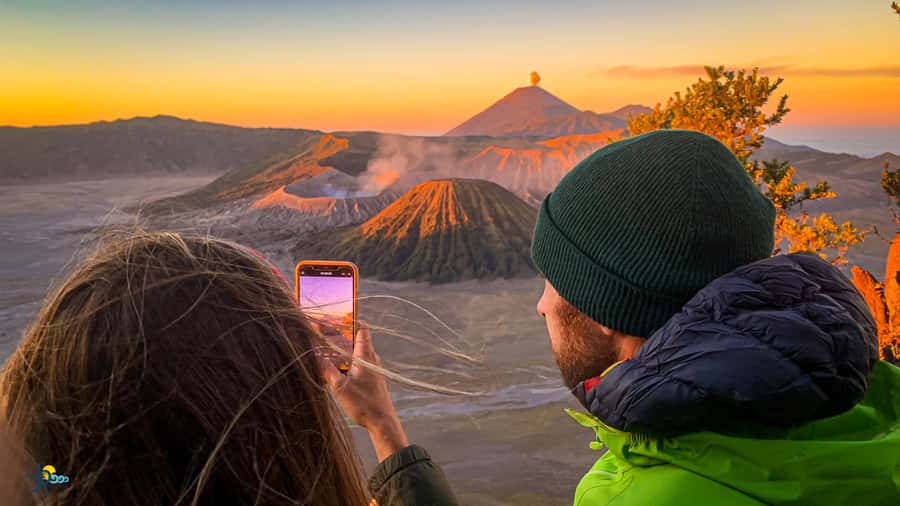
- Bromo sunrise from King Kong Hill with a short walk and coffee-stop warung vibes
- Ijen gear included: torch light and a gas mask for the crater hike
- Madakaripura waterfall optional add-on with a motorbike shuttle + 1–1.5 km trek
- Blue fire is weather-dependent, so your best plan is flexibility and good clothing
- Ends at Ketapang Port, with the included ferry ticket to Gilimanuk (Bali)
East Java in 3 days: why this plan works (and what it asks of you)
This kind of Bromo–Ijen–Ketapang Port itinerary works best when you stop thinking of it as “a tour” and start thinking of it as a timed mission. You’re traveling from Yogyakarta to Probolinggo, then waking up before most of Java is even thinking about breakfast. On paper it sounds intense. In practice, it’s exactly how you catch sunrise at Bromo and make the Ijen crater hike with enough night visibility.
For you, the value is in the reduced friction. You’re not piecing together separate bookings, juggling transfers, or figuring out when to be where. You get a private car (air-conditioned), a driver who speaks English, and guides at the core activities. That means you spend energy where it counts: the view, the crater, and the moments you came for.
The other reality check: the experience leans physical and early. Bromo is a cold walk to a viewpoint and stairs to a crater peak. Ijen is a night hike with prep time and a torch-and-mask setup. If you show up ready—comfortable shoes, a warm layer, long pants, gloves—you’ll feel the trip is demanding but manageable.
You can also read our reviews of more tours and experiences in Yogyakarta
Day 1: Yogyakarta to Probolinggo, with optional Madakaripura timing
Day 1 is your “travel and set up sleep” day. You’re picked up at your hotel between about 07.00 and 08.00 after breakfast, and the drive to the Probolinggo area (Cemoro Indah / Sukapura) takes roughly 7 hours. After that, you’re not expected to jump into big hikes. Rest is part of the plan, because Day 2 starts with you heading out in the dark.
The optional Madakaripura waterfall add-on
If you add Madakaripura, the day becomes more active. You’ll need to leave around 07.00 so you can reach the waterfall area before about 14.00, with stops for lunch along the way.
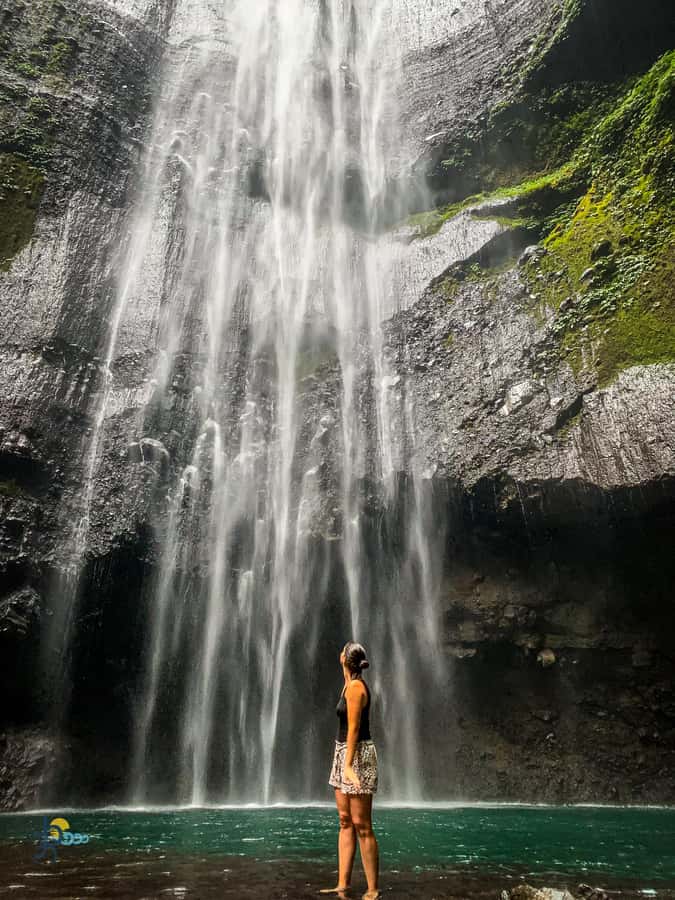
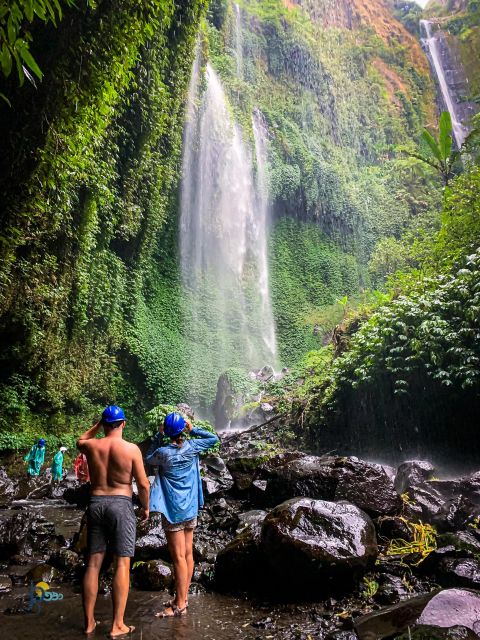
Madakaripura is described as the highest waterfall in Java, and the way you approach it matters. From the parking area, you don’t just walk the whole way. You ride a motorbike shuttle with a local guide, then trek about 1–1.5 km from the entrance gate. The hiking time is roughly 1.5–2 hours, and that’s long enough to feel like a real outing without eating your whole day.
Practical upside: this is a refreshing reset before the volcanic grind. The waterfall trek also gives you a chance to stretch legs in daylight, which helps on the next cold sunrise morning.
Practical consideration: you’ll want to keep your backpack light and bring a waterproof bag or protection for essentials. You’ll also be switching between transportation modes—car to pickup, then motorbike + trek—so good shoes are not optional.
Day 2: Bromo sunrise from King Kong Hill to Batok Hill photos
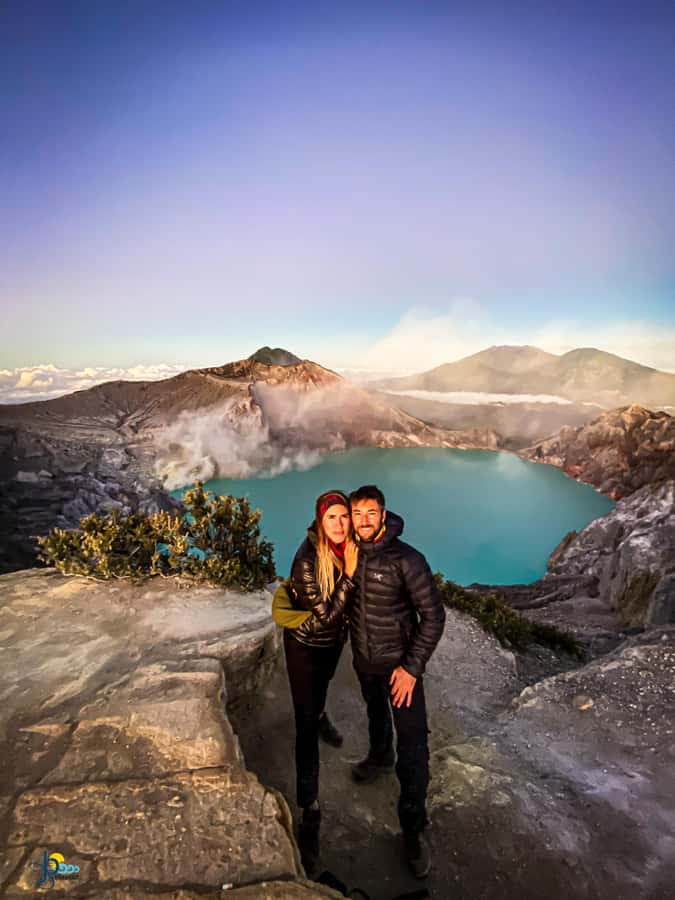
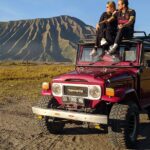
Bromo is where the trip earns its reputation. The day starts brutally early. The jeep transfer is timed so it’s ready around 02.00–03.00 from your hotel, depending on how close you are to the Bromo access area.
Choosing King Kong Hill for sunrise
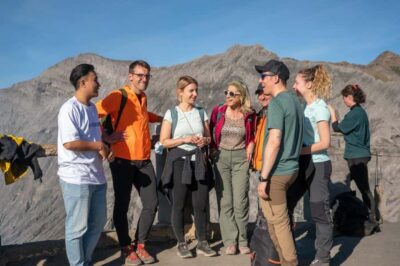
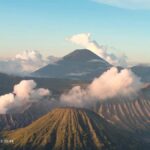
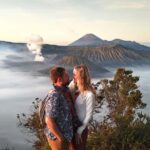
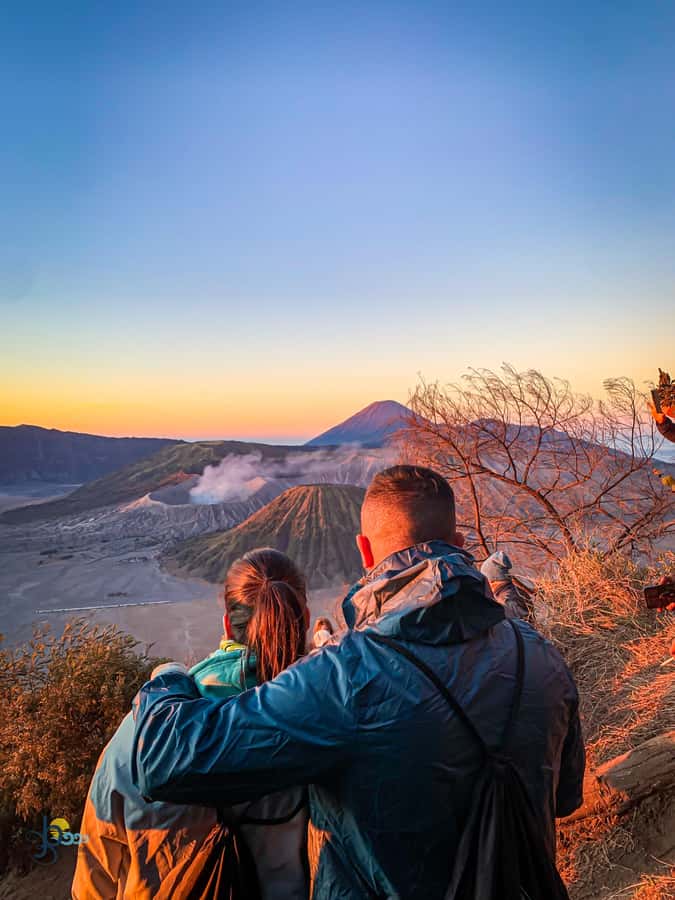
Your viewpoint is King Kong Hill. You’ll walk about 15 minutes from the gate to reach it. Since the temperature at the viewpoint can sometimes hit around 10°C, I strongly recommend packing something warm you’ll actually wear. A jacket you can zip up helps. Gloves can turn “chilly” into “comfortable enough.”
There’s also a warung at the viewpoint area, so you can sip coffee or tea while you wait. That sounds small, but it’s a real comfort when you’re waiting in the cold and hoping for clear skies.
The crater time: stairs and views over the desert
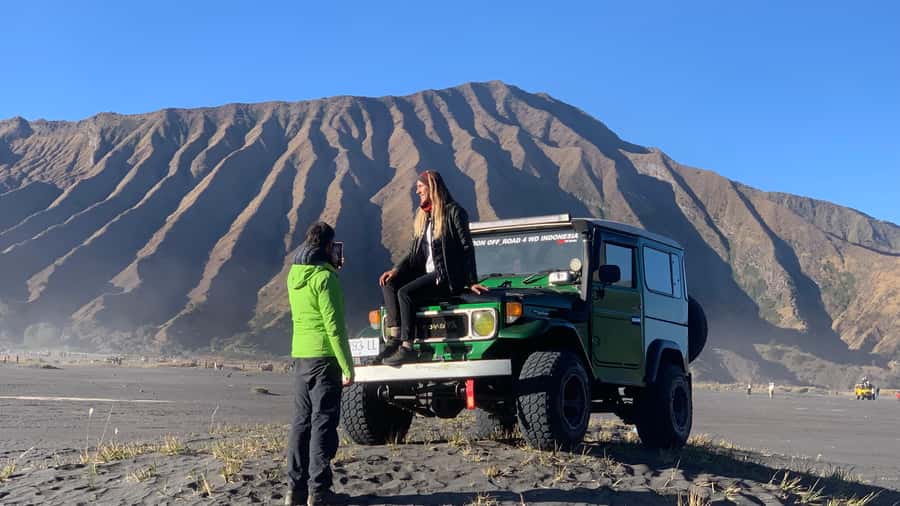
After sunrise, the jeep takes you down the slopes toward the Bromo area. You’ll then walk or ride a horse to reach the stairs leading to the crater peak. This is the moment where the terrain looks dramatic up close—dusty, steep, and very much alive with volcanic activity.
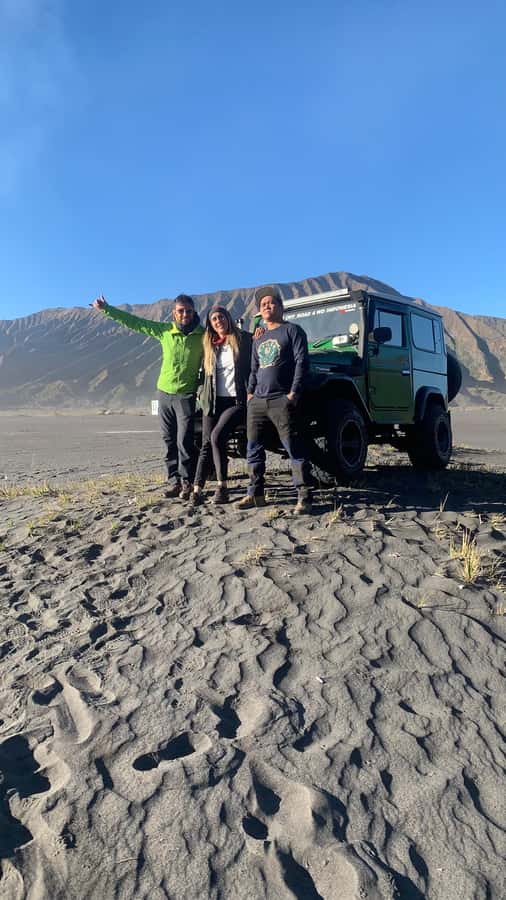
Once you’re done at the peak, you head back, and one of the best practical photo moments happens around the return: pictures or video from over the jeep with Mt Batok as the backdrop. You’re not just seeing Bromo once—you’re getting multiple angles.
Drawback to keep in mind: sunrise timing is the whole game. If it’s foggy, you can lose the sharp “mountain shadow” look. The trip can’t control that, but a good start time helps your odds.
Back to the hotel: shower and reset
After you come back, you’ll have time to shower and eat breakfast before continuing your journey toward Bondowoso/Ijen logistics.
Day 3: Ijen at midnight—blue fire, the green lake, and the sunrise payoff
Day 3 is the “big night” day. You wake up early because the trip starts around 00.00 from your hotel, with about a 2-hour drive to the Ijen area.
At Ijen, you meet a representative local guide first. This matters because you’re not just hiking in the dark—you’re hiking in a volcanic environment. The guide explains safety, what to watch for, and how to handle the crater area.
Gear you actually need: torch light and gas mask
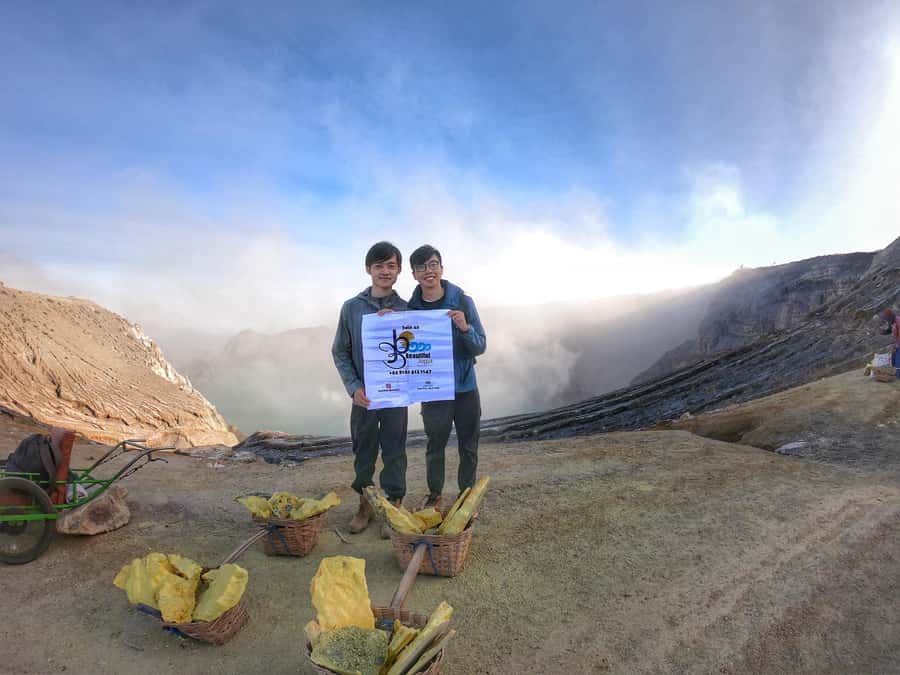
Ijen includes torch light and a gas mask. You’re also provided with medical health documents for the hike. That might sound procedural, but it’s a sign the operator takes the environment seriously.
The climb to the top is around 2 hours for preparation and reaching the viewpoint areas. During the hike you may see the milky way, depending on conditions.
The blue fire: amazing, but weather-dependent
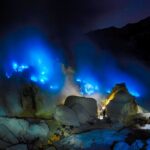
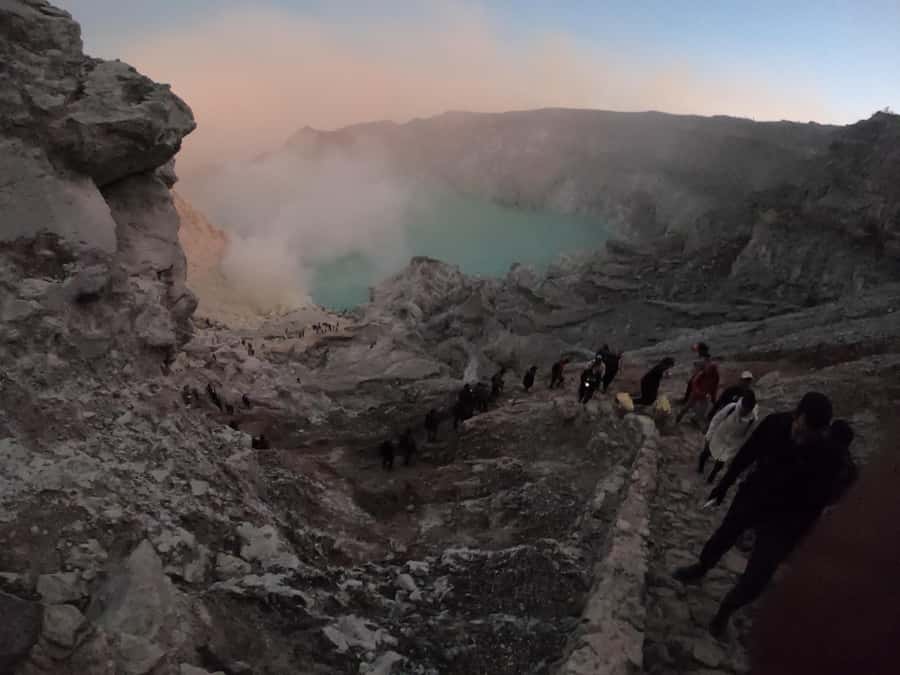
Now for the headline: the “blue fire” phenomenon, which is described as existing only in two places in the world. Here’s the honest part you should plan around: the blue flames are not guaranteed and depend on weather conditions. If it’s cloudy or visibility is poor, you might miss the full effect.
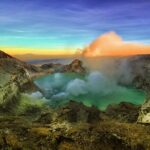
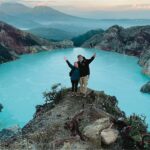
When conditions allow, the guide may also descend you to the edge of the lake to see the blue fire more clearly. After that, you hike back up to catch sunrise. Then the crater lake appears with a striking green sulfur backdrop.
After the hike: breakfast and ferry to Bali
Once you finish, you get breakfast prepared for you, then you continue to Ketapang Port. You cross by ferry to Gilimanuk Port in Bali, and the ferry ticket is included.
For readers continuing their Bali trip, this ending is practical: it drops you into the Bali side travel flow rather than leaving you stranded inland.
Madakaripura, Bromo, Ijen: what each stop really delivers
It’s easy to list volcanoes and waterfalls. The more useful question is what each one gives you in different ways.
- Madakaripura gives you a daytime “fresh air” reset. It’s not about volcanic drama; it’s about impressive waterfall scale and a short trek that feels real but not punishing.
- Bromo gives you that iconic sunrise payoff. The value is timing plus viewpoint design—King Kong Hill is walkable, cold enough to feel dramatic, and close enough that the rest of the day stays efficient.
- Ijen gives you the rare phenomenon experience. The blue fire concept is the hook, but the sulfur lake and sunrise viewpoint are what you’ll remember even if the flames are faint.
If you’re choosing between a quieter day and an action-packed one, Madakaripura is the optional add-on that feels like the most natural “bonus.” It fills time earlier in the itinerary and balances the heavier volcanic focus.
Price and value: is $308 reasonable for 3 days like this?
$308 per person for 3 days may sound like a lot until you match it to what’s included. You’re paying for:
- private air-conditioned car
- English-speaking driver
- tolls, parking, and pickup/drop-off
- entrance tickets for Bromo and Ijen (and Madakaripura if you select it)
- guides at Bromo, Ijen, and Madakaripura
- a 4X4 jeep for Bromo sunrise transport
- torches and gas mask for Ijen
- ferry ticket from Ketapang to Gilimanuk (Bali)
- mineral water during the trip
- hotel pickup scheduling and transfers (within the itinerary flow)
Where your money goes is clear: it covers transportation at the times you need, plus the specialized parts (jeep for Bromo, Ijen safety gear, and guides). That’s the difference between “DIY travel” and this plan. DIY can be cheaper, but it turns into time spent negotiating rides, hunting tickets, and risking mis-timed sunrise arrivals.
In short: for the mix of long driving + early night hiking + included ferry handoff, $308 is fairly strong value—especially if you want the trip to feel controlled rather than chaotic.
What you need to bring (so you don’t suffer for no reason)
The packing list is simple, but it’s also specific to how these places feel at night and early morning. Bring:
- Comfortable shoes and/or hiking shoes with grip
- jacket for cold Bromo viewpoint conditions
- gloves and long pants (Ijen and Bromo both punish bare skin in cool air and for the climb)
- daypack for water and essentials
- waterproof bag for phones and items
- cash and personal medication
Also bring outdoor clothing you can layer. At Bromo the temperature can get down near 10°C. At Ijen you’ll be out at night with long hours. Dressing in layers is the easiest way to stay functional.
One more practical note: the trip includes torch light and gas mask, but your personal comfort still depends on your clothing. Don’t assume you’ll be fine in just a hoodie.
Guides and safety: what a well-run trip feels like
What makes this itinerary feel smooth is how much is handled for you. Guides are part of that, and I’d call out names that appear in successful runs: Hengki is repeatedly associated with careful driving, good English, and hotel advice for where to sleep near the Bromo area. On the Ijen hike side, Sigit is highlighted for being polite, helpful, and encouraging during the crater walk.
You’ll also notice the trip is built around staying with your group rather than wandering off. At Bromo, you’re walking to the crater stairs from the jeep route with guidance and company throughout. That reduces the mental load of figuring out who does what and when.
Safety is also reflected in the Ijen health documentation and the included protective gear. This matters because the environment is not a normal hike.
Who should book this Bromo–Ijen–Ketapang Port trip?
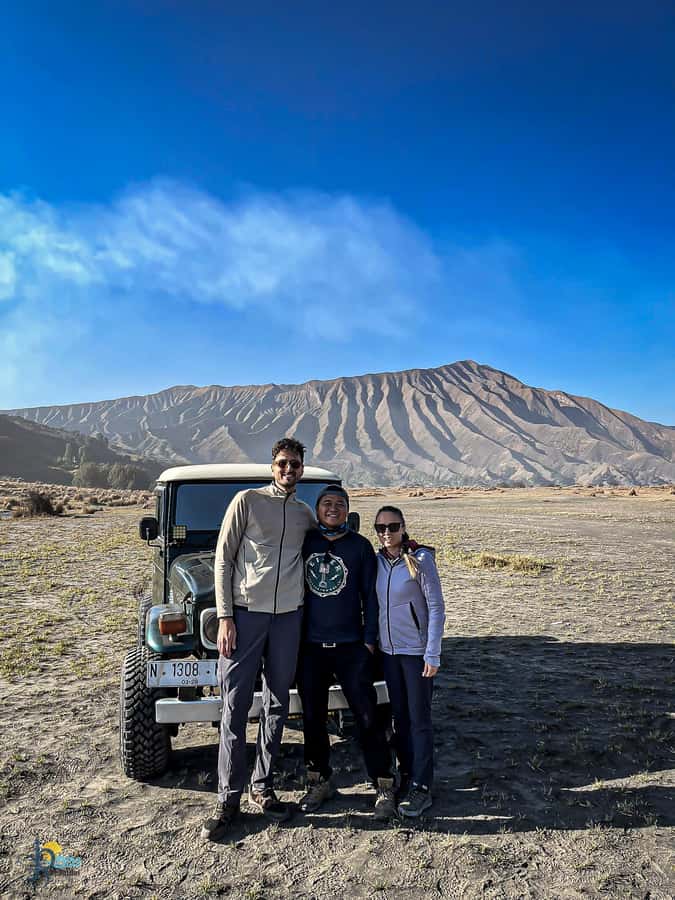
This itinerary fits best if you:
- want sunrise and night views, not just day sightseeing
- prefer a private guided structure over public transport wrangling
- are comfortable hiking short-to-moderate distances in the dark and cold
- are continuing onward to Bali after the ferry
It may not suit you if:
- you have respiratory issues (Ijen’s environment makes this a clear no)
- you’re traveling with babies under 1 year
- you hate extreme early starts and cold mornings, even with a jacket and gloves
If you’re an “early morning person with curiosity,” you’ll likely love it. If you need a lazy vacation rhythm, you’ll feel frustrated by the midnight-to-sunrise pace.
Where to stay: practical base areas in Probolinggo and Ijen zones
The itinerary recommends staying around the Cemoro Indah and Sukapura area for the Bromo side. That base is convenient because it’s aligned with the early jeep schedule to Bromo viewpoints.
For Ijen night logistics, recommended options include Ijen View Hotel & Resort in Bondowoso, Grand Padis, The Dreamland, and Grand Harvest, plus Banyuwangi area choices around Licin. Picking a nearby hotel reduces stress when you’re starting around 00.00.
If you enjoy having options, you can also look at Lava View Lodge, Cafe Lava, Grand Whizz Bromo, Jiwa Jawa, Gubuk Ndeso Homestay, and The Parama for the Bromo area. The goal isn’t luxury—it’s a sleep plan that makes the early schedule realistic.
Should you book this tour?
I’d book it if you want the classic East Java trio—Bromo sunrise, Ijen blue fire and sulfur lake sunrise, and the option for Madakaripura waterfall—without having to coordinate every transfer yourself. The included jeep, Ijen gear, and the ferry handoff to Bali are the parts that make this feel efficient.
I’d think twice if you’re sensitive to early mornings, cold air, or if you’re counting on blue fire as a guaranteed sight. Because it depends on weather, the best mindset is: go for the whole experience—crater lake, night hike, sunrise—and treat the blue flames as a bonus that may or may not fully show.
If you show up with good shoes, warm layers, and a flexible plan for conditions, you’re in for one of the more dramatic 3-day packages you can do in Java.