REVIEW · YOGYAKARTA
Yogyakarta: 2-Hour Crash Course City Intro on Walking Tour
Book on GetYourGuide →Operated by Jogja Borobudur Tour & Travel · Bookable on GetYourGuide
Malioboro hits different at walking speed. This 2-hour Yogyakarta walking tour starts at the train station monument, then guides you down Malioboro Street for street-level context on daily life, colonial-era trade, and the way people rebuilt after the War.
I like that you don’t just get facts. You also get hands-on guidance for what to eat and where to go next, including a break at Bringharjo Market and practical tips that make your first day easier.
The only real drawback is that it’s short and mostly outdoors, so if you’re chasing major sights and big photo stops, you might want more time later on your own.
In This Review
- Quick take: what makes this walking tour worth your time
- How this 2-hour Yogyakarta intro saves you from first-day chaos
- The walking route: Train Station Monument, Malioboro, and Kilometer Zero
- Malioboro Street isn’t just shopping: it’s a story you can walk
- Colonial era, the War, and tolerance in modern Jogja
- The Chinese-Indonesian community gate: a quick stop with a big meaning
- Bringharjo Market: where your guide helps you pick what to eat
- Wet market coffee, jamu-style drinks, and street food you can trust
- Getting around like a local: apps, timing, budgeting, and deal-finding
- Comfort tips that make the walk smoother
- Price and value: why $15 can feel like a bargain
- Who this tour fits best
- Should you book this Yogyakarta walking tour?
- FAQ
- How long is the walking tour?
- Where do I meet the guide?
- What size is the group?
- Is the tour guide available in English?
- What should I wear or bring?
- Can I cancel for a full refund?
- Can I reserve now and pay later?
Quick take: what makes this walking tour worth your time

- A tight route with big context: Train Station Monument to Malioboro, onward past the Chinese-Indonesian community gate, finishing at Kilometer Zero.
- Market time, not museum time: Bringharjo Market is built into the walk, with time to soak up the buzz and ask what to try.
- Your guide turns the streets into a lesson: History of the region, what changed through the War, and why Jogja is known for tolerance today.
- Small group, real Q&A pace: Limited to 8 participants, so questions don’t get lost.
- Food and drink stops that feel local: From coffee at a wet-market style stop to jamu-style drinks in some guide-led experiences.
- Practical help for your whole stay: Budgeting, best areas to stay, getting around, timing, and finding deals.
How this 2-hour Yogyakarta intro saves you from first-day chaos
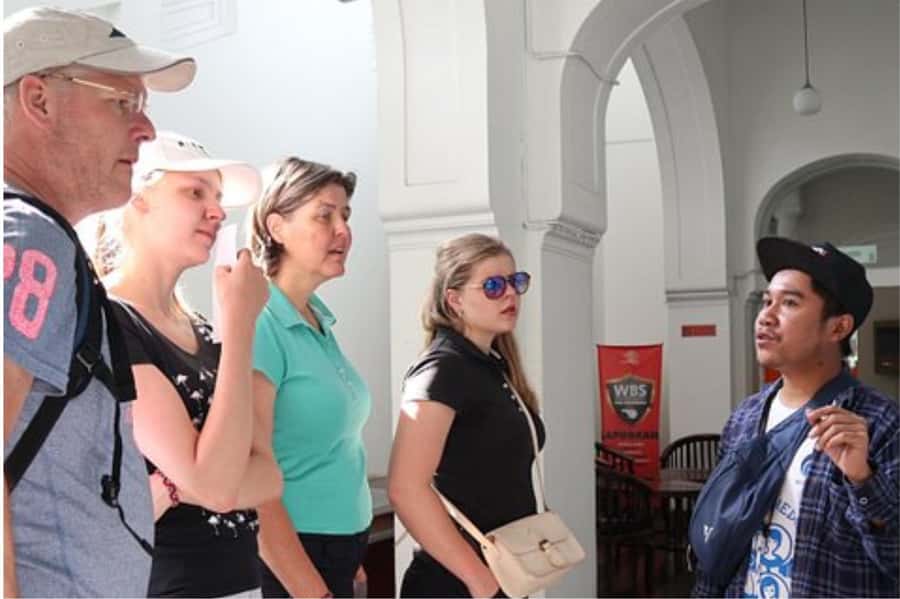
Yogyakarta can feel like a lot on day one. You’re hit with crowds, traffic, street noise, and a mix of old and new buildings all at once. This tour gives you a clean starting thread, so your later temple visits and neighborhood choices make sense.
I also like the “crash course” format. Two hours is short enough to fit into jet lag and your next plan, but long enough that your guide can explain not just what you’ll see, but why the city developed the way it did.
And because it’s a small group limited to 8, you’re not stuck listening from the back. You can ask about the stuff that actually affects you in Jogja, like how to cross busy roads and what’s worth your time on a tight itinerary.
You can also read our reviews of more walking tours in Yogyakarta


The walking route: Train Station Monument, Malioboro, and Kilometer Zero
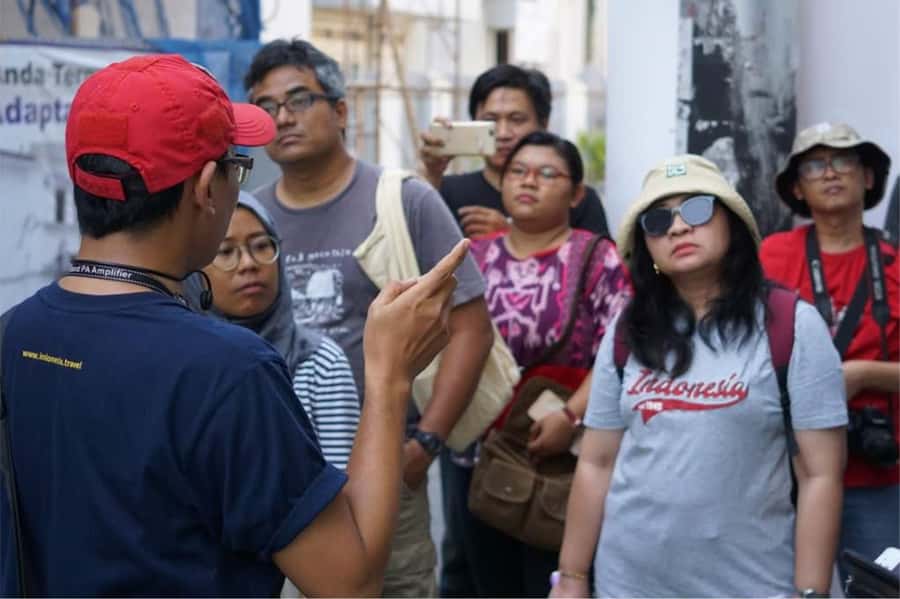
The tour is built around a classic Jogja corridor. You begin at the Yogyakarta Train Station Monument (Monument Stasiun KA Yogyakarta). This is a smart choice: you’re starting where travelers and locals intersect, so the city’s rhythm makes sense right away.
From there, you walk along Malioboro Street, the most happening stretch in central Yogyakarta. This is where you’ll see indie boutiques, cozy cafes, hip eateries, and a dense mix of places to stay. Even if you don’t stop for shopping, you’ll learn how the area works: where people congregate, how storefronts cluster, and what the street feels like at different moments.
Deeper into the walk, you pass the gate of the Chinese-Indonesian community. The point isn’t just to mark a location. It’s to connect that heritage to the city’s wider multicultural identity, and to help you read the streets with more awareness than a quick glance.
Finally, you finish at Kilometer Zero, a well-known roundabout and busy street-life hub. It’s a good finishing point because it’s easy to orient yourself from there when you plan your next move.
Malioboro Street isn’t just shopping: it’s a story you can walk
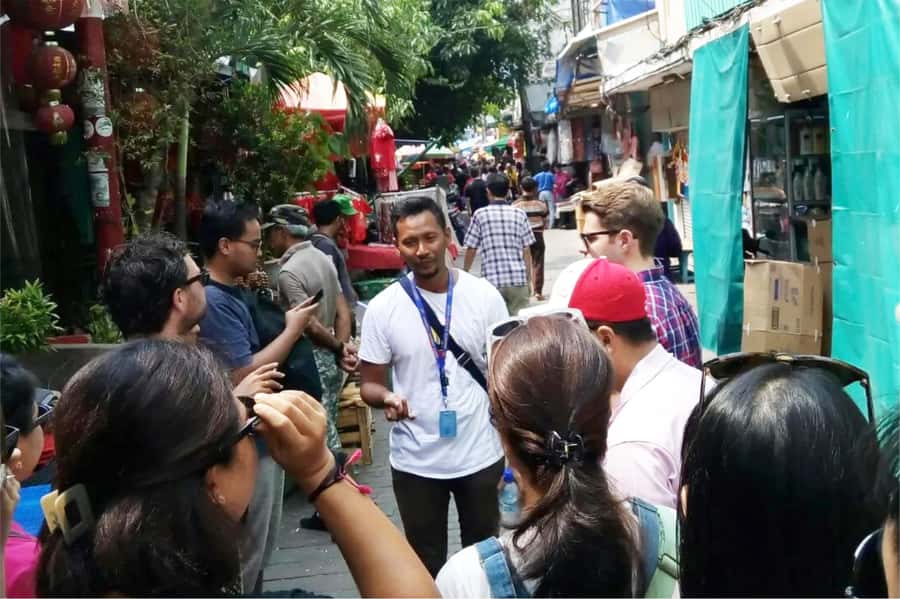
Most first-time visitors treat Malioboro like a postcard street. This tour nudges you to look closer. You’ll hear how merchants, salesmen, and poorer residents used to live during the Colonial Era, and how everyday life kept changing as the city went through political and social shifts.
That’s the big win here. You’re not just looking at buildings and signs. You’re learning the city’s logic. When you understand that logic, you can navigate faster, pick smarter stops, and feel less like you’re wandering.
I also like how your guide turns modern street scenes into conversation topics. In past tours, guides such as Kin and Haidar were praised for chatting about local life in a friendly, patient way, and for answering lots of questions without rushing people along.
Colonial era, the War, and tolerance in modern Jogja
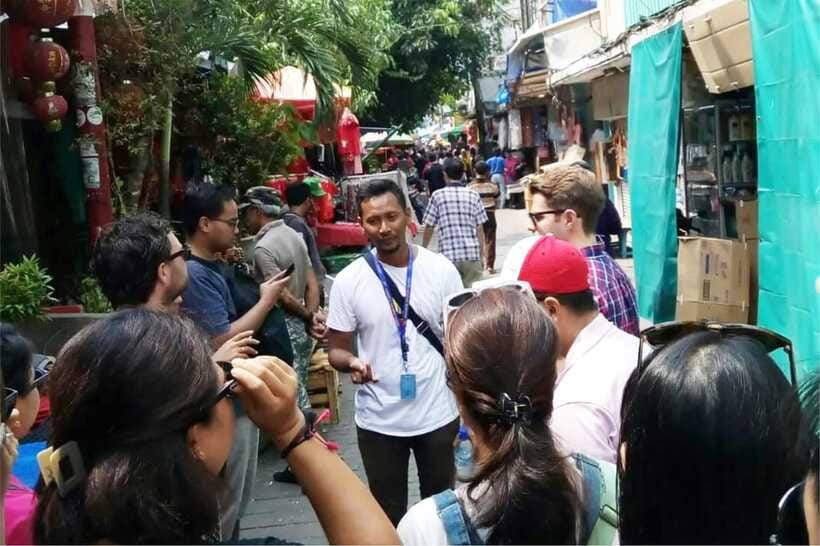
Jogja has a reputation for being culturally layered, and this walk gives you the timeline behind that. You’ll hear stories about the Colonial Era, why Yogyakarta became a special region in Indonesia, and how the War changed the people of the city.
Then you land on the present. Your guide connects those past shifts to what it feels like to live in a tolerant, multicultural city today. It’s not a lecture from a distance. It’s woven into what you’re seeing as you walk, so the history lands where it belongs: in real streets and real neighborhoods.
One practical side effect is that this context helps you travel more respectfully. When you understand the city’s background, you’re less likely to treat everything as entertainment and more likely to notice the everyday community behind it.
The Chinese-Indonesian community gate: a quick stop with a big meaning
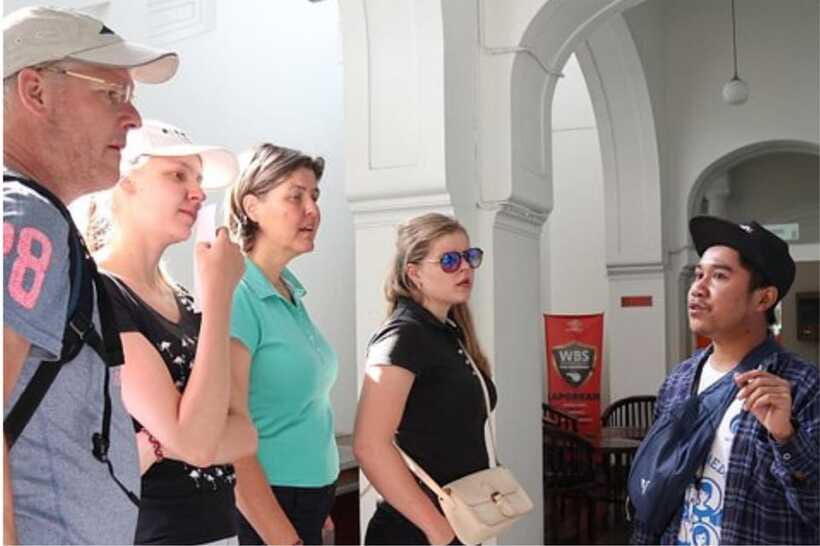
That gate stop can be easy to gloss over on a self-guided stroll. Here, you get a clear reason it matters. The gate symbolizes multicultural heritage, and the guide uses it to frame the city’s identity in a way that feels grounded.
You’ll also be better prepared for what you might see later in Jogja. When you’re told why certain communities are present and how they contributed, the city reads differently. You start noticing patterns that you’d normally miss.
It’s also a reminder of why a walking tour works here. Street-level landmarks are short, but they’re dense with meaning when someone local explains them.
You can also read our reviews of more city tours in Yogyakarta



Bringharjo Market: where your guide helps you pick what to eat
Bringharjo Market is the tour’s built-in break, and it’s usually the moment people remember most. You get time to enjoy a traditional market atmosphere and to notice street performers and music around the area.
The key value is the guidance. The tour is designed to help you find out which foods to try and which important sights you can discover on your own afterward. Markets can be intimidating if you don’t know what to look for, so having a guide who can point you toward safe, tasty choices is a real win.
In guide-led experiences shared by past participants, you can also see how flexible the food focus can be. Some guides have taken people to local drink stops and market-style coffee moments, and others have added small cultural extras like seeing batik technique in action.
Even if your tastes are simple, the guide’s recommendations can help you avoid the common mistake: ordering the first thing that looks good without checking what it actually is.
Wet market coffee, jamu-style drinks, and street food you can trust
One of the most praised parts of this tour is the way guides bring you into everyday eating and drinking. In past experiences, Kin was noted for taking someone to a wet-market style stop where they bought delicious coffee, and for offering local drinks like jamu (herbal-style drink) during the walk.
Other guides were praised for including authentic taste moments too, like typical drinks and fruit. The details vary with the guide, but the theme stays consistent: you’re not just seeing the market, you’re learning what locals actually reach for.
If you have dietary needs, you’ll want to mention them early so your guide can steer you toward options you’ll enjoy. The tour is short, so getting the right choices on the first try matters.
Getting around like a local: apps, timing, budgeting, and deal-finding

This tour isn’t only about what you see in two hours. It’s also about what you can do afterward.
Your guide shares timing tips and best areas to stay, plus guidance on getting around and planning top attractions. You’ll also get advice on budgeting and finding deals, which matters in Yogyakarta because prices can vary a lot depending on location and how you approach them.
You’ll also be told how to use useful apps the way locals do. The listing doesn’t name specific apps, so I’d treat this as general tech and navigation help, not a guarantee of one specific tool. Still, having someone explain the practical side of using your phone in Jogja can save you time right away.
And yes, they help with real-world movement issues. One participant specifically mentioned learning how to cross busy roads. That’s not glamorous, but it’s exactly the kind of local skill that makes the rest of your trip less stressful.
Comfort tips that make the walk smoother
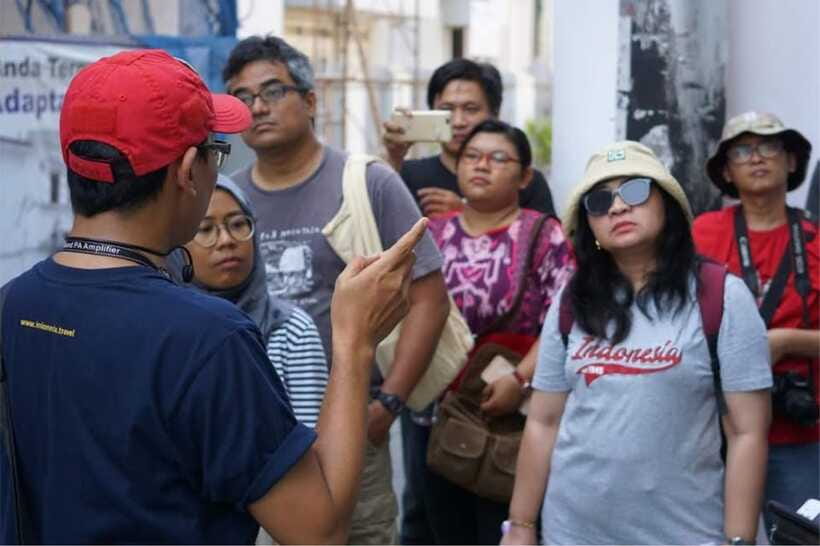
This tour is on foot for two hours, and the streets can be uneven. Wear comfortable walking shoes. If your shoes aren’t ready for a lot of city walking, you’ll feel it fast.
Bring a camera too, since you’ll want photos of Malioboro street life, the gate stop, and Kilometer Zero energy at the end. Even on rainy days, people have still enjoyed the experience, so don’t assume bad weather cancels the value. Just pack a light layer or small rain cover so you can keep moving comfortably.
If you’re sensitive to crowds, go in with patience. Malioboro and the market area get busy, but that’s also the point. You’re learning the city by experiencing it.
Price and value: why $15 can feel like a bargain
At $15 per person for a two-hour guided walk, the value comes from what you get in return: context, navigation help, and food direction all in one package.
If you’d otherwise spend that time wandering alone, you might see the same corridor but miss the why behind it. You’d also likely spend extra time figuring out which places are worth your effort and what to do next without wasting energy.
This tour is best understood as a planning session plus a street intro. You’re buying speed and clarity, not a huge list of major attractions.
And because groups are limited to 8, it’s easier to get answers to your questions. In past experiences, guides were praised for answering patiently and tailoring conversations, with names like Imam, Ben, Yoyokk, and Yuni showing up in different guide-led trips.
Who this tour fits best
This is ideal for:
- First-time visitors who want a clean orientation before temples and day trips
- People who enjoy history explained through everyday life, not just monuments
- Food-curious travelers who want help choosing what to try at a major market
- Anyone who wants practical “what to do next” advice for budgeting, timing, and where to stay
It’s less ideal if:
- You only want standalone big-ticket sights with minimal street walking
- You dislike markets or crowds, since Bringharjo is a key part of the experience
Should you book this Yogyakarta walking tour?
If you want your first day in Yogyakarta to feel organized and meaningful, I’d book it. The route is efficient, the guide-led context makes the city easier to read, and the market break gives you a real taste of daily life.
If you’re the type who likes to research and build your own plan, you might still find value here because the guide helps you avoid trial-and-error with food, timing, and neighborhood decisions.
For $15, the biggest question is whether you’ll use the guidance. If you show up ready to ask questions, take notes, and translate what you learn into next-day choices, this walk earns its keep.
FAQ
How long is the walking tour?
The tour lasts 2 hours.
Where do I meet the guide?
Meet at the Yogyakarta Train Station Monument (Monument Stasiun KA Yogyakarta).
What size is the group?
It is limited to 8 participants.
Is the tour guide available in English?
Yes, the guide speaks English.
What should I wear or bring?
Wear comfortable walking shoes, and bring a camera to capture what you see.
Can I cancel for a full refund?
Yes. You can cancel up to 24 hours in advance for a full refund.
Can I reserve now and pay later?
Yes. The option is reserve now & pay later is available, so you can book without paying immediately.