REVIEW · YOGYAKARTA
From Yogyakarta: Cetho, Sukuh Erotic Temple and Solo City
Book on GetYourGuide →Operated by Jogja Borobudur Tour & Travel · Bookable on GetYourGuide
Cetho and Sukuh, then royal Solo. This is a 10-hour small-group day that links temple viewpoints with Solo’s quieter cultural stops, with an English driver shuttling you between the sites. You’ll start in Yogyakarta, ride up past Mount Lawu’s slopes, then end back at your hotel around 6:00 PM.
What I like most is the journey itself: tea plantations and rice fields roll out in layers, and the temple-area views feel worth the time. I also like that the stops are paced so you can move at your own speed in Solo—especially around the Batik Museum. One thing to weigh: it’s a long day with a 105 km road trip, and the mountain drive can feel intense if you’re sensitive to curvy roads.
In This Review
- Key things to know before you go
- Yogyakarta to Cetho and Sukuh: the Mount Lawu ride that makes the day
- Cetho Temple: calm, scenic, and a good first contrast
- Sukuh Erotic Temple: visit it thoughtfully, not quickly
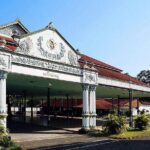
- Mangkunegaran Palace in Solo: princely life with space to roam
- Solo Batik Museum: what you’ll learn from cloth that survived centuries
- Lunch and Solo City time: how to spend the in-between hours
- Driver, safety, and the “small group” advantage on a long day
- Price and value: is $85 fair for 10 hours?
- Who this tour suits best (and who should skip it)
- Should you book this Cetho, Sukuh, and Solo city tour?
- FAQ
- How long is the tour?
- What’s the price per person?
- What sites are included in the day?
- Does the tour include hotel pickup and drop-off?
- Is food included?
- How big is the group?
- Will the driver enter the attractions with you?
- When do you return to your hotel?
Key things to know before you go
- Small group (up to 4) means less waiting and more control over your time in Solo.
- Cetho + Sukuh gives you two very different temple moods in one outing.
- Mount Lawu views are part of the ticket, not an afterthought.
- Mangkunegaran Palace is your chance to experience Solo’s princely Javanese legacy.
- The Batik Museum focuses on long timelines, including pieces from around 1950.
- English-speaking driver plus optional local guides helps you get explanations where you want them.
Yogyakarta to Cetho and Sukuh: the Mount Lawu ride that makes the day
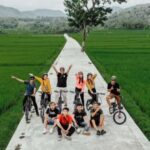
This trip begins with pickup from your accommodation in Yogyakarta, and then you’re on the road for about three hours to reach the temple area. The route takes you along the slope of Mount Lawu, and that’s honestly half the point. The drive passes expanses of tea plantations and rice fields with hills and towering mountains behind them, so even if you’re not a big “temples person,” you’ll still get a lot of scenery value.
Because this is a road trip day, it helps to plan your expectations. You’re not just visiting places; you’re doing the long Central Java travel stretch in one go. Bring something simple to make the ride easier—water from wherever you purchase it, a light layer for cooler higher areas, and something to keep you comfortable during curvy sections.
One more practical note: the trip includes parking, toll, and donation fees, plus the sites’ entry fees. That reduces the “what do I pay now?” stress and makes it easier to enjoy the drive without constantly checking your wallet.
You can also read our reviews of more city tours in Yogyakarta
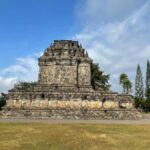
Cetho Temple: calm, scenic, and a good first contrast
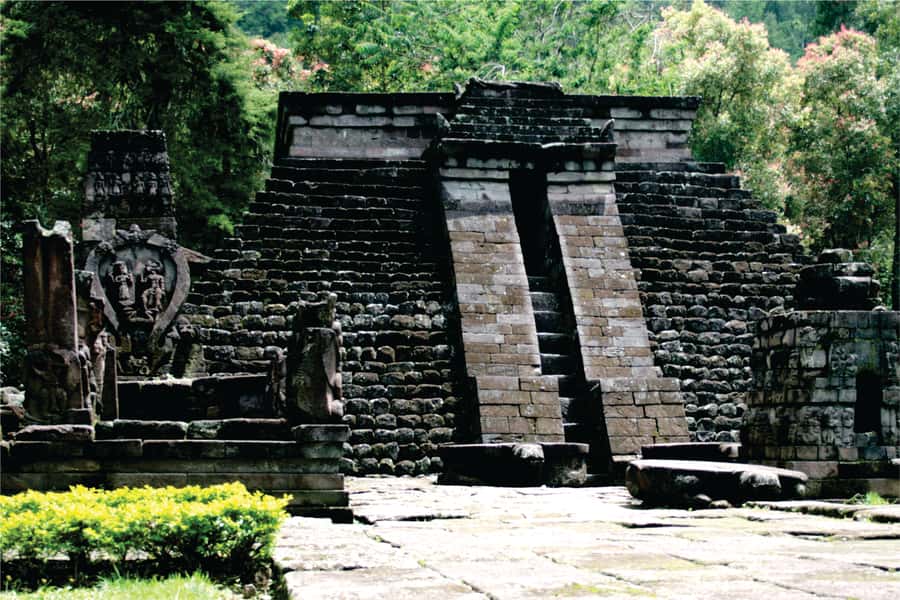
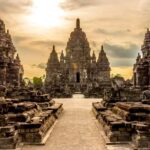
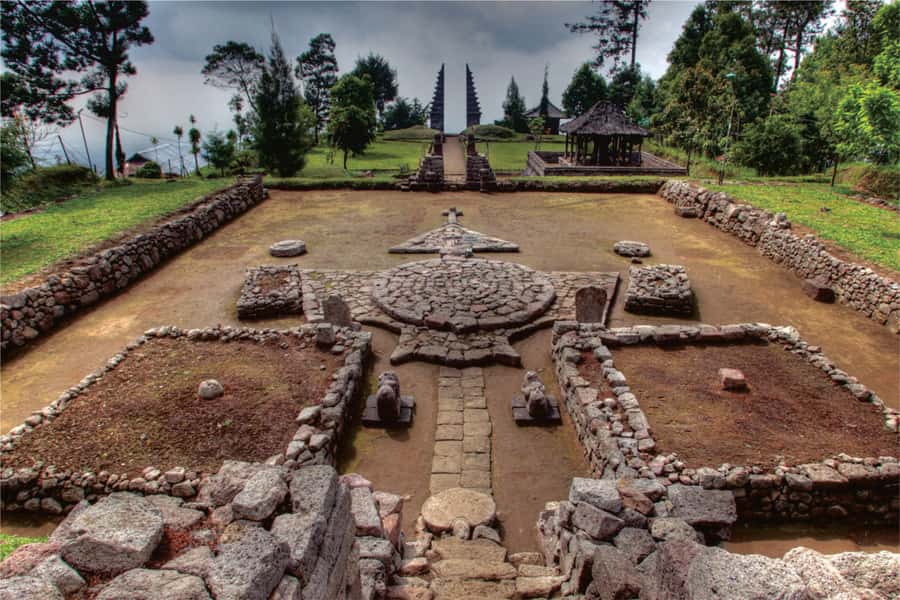
Cetho Temple is your first temple stop, coming after that mountain ride. The layout and feel of Cetho works well as a warm-up: it gives you a temple experience before you switch gears into the more debated tone of Sukuh.
This is also where you’ll start to notice how the guiding works on this tour. Your driver-guide won’t enter the attractions with you, and you can hire a local guide on site if you want extra context. That approach is practical. You get flexibility—if you want quiet time and photos, you can take it. If you want more explanation, you can add it without being forced into a rigid group script.
If you’re the type who enjoys understanding what you’re looking at, this is where a local guide can be worth it. The driver will still be your point person for logistics, but the on-the-ground specialist is the one who can explain the meanings behind what’s in front of you.
Sukuh Erotic Temple: visit it thoughtfully, not quickly
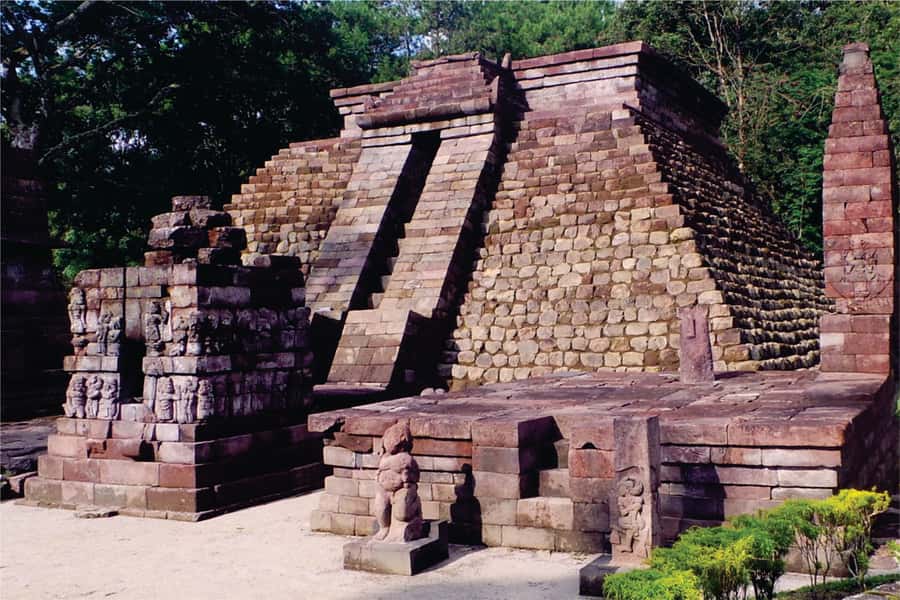
Sukuh Temple is known for being controversial, largely because of the erotic elements associated with the site. It’s one of those places that can’t be treated like a standard photo stop—your attitude matters.
I suggest you slow down here. Not because you need to read a long lecture, but because the temple’s details are the whole reason people come. Look, pause, and let your brain switch from modern expectations into a different cultural lens. The goal isn’t to shock yourself. The goal is to understand how Javanese temple symbolism can be handled differently than what you’re used to.
Also: because the driving is already a lot of work, Sukuh can become the place where you lose patience if you’re rushed. This tour’s value is that it keeps the day structured, but it doesn’t pretend the temple itself should be “done” in five minutes. If you want more explanation, hire a local guide on site.
Mangkunegaran Palace in Solo: princely life with space to roam
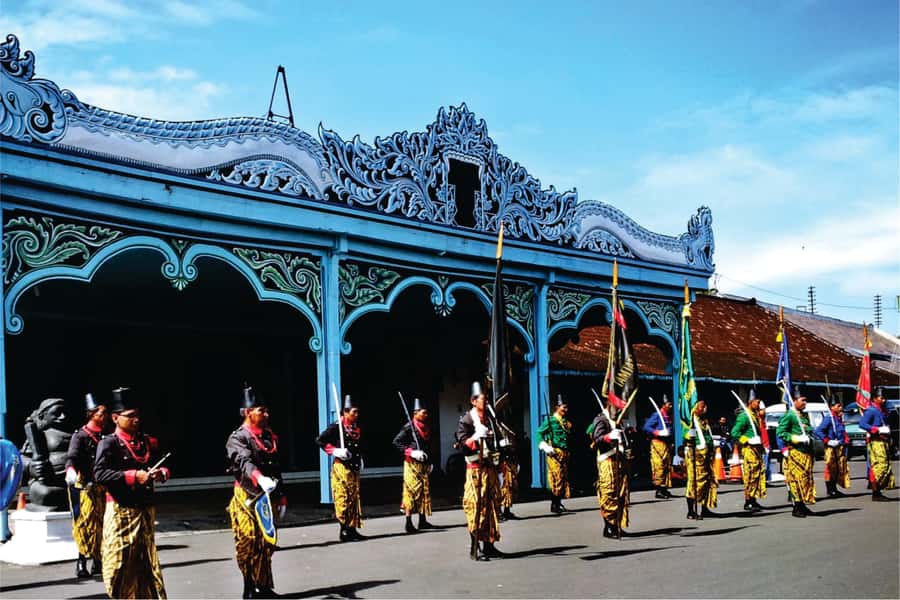
After the temples, you head to Mangkunegaran Palace in Solo City. The transfer is about an hour and a half after arriving in the city, so you’re not spending the whole afternoon trapped on the road.
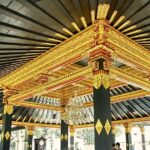
This stop is special because it connects you to a princely Javanese legacy. Rather than being only about monuments, it feels like a living cultural reference point. The palace visit is timed so you can explore at your own pace, which I like. You can spend time where your interest pulls you—architecture, grounds, or simply the atmosphere of Solo’s royal story.
If you feel like you’re missing context, you can hire a local guide. That’s a theme across the day: the driver keeps things running smoothly, while specialists on site can fill in the why behind the what.
Solo Batik Museum: what you’ll learn from cloth that survived centuries
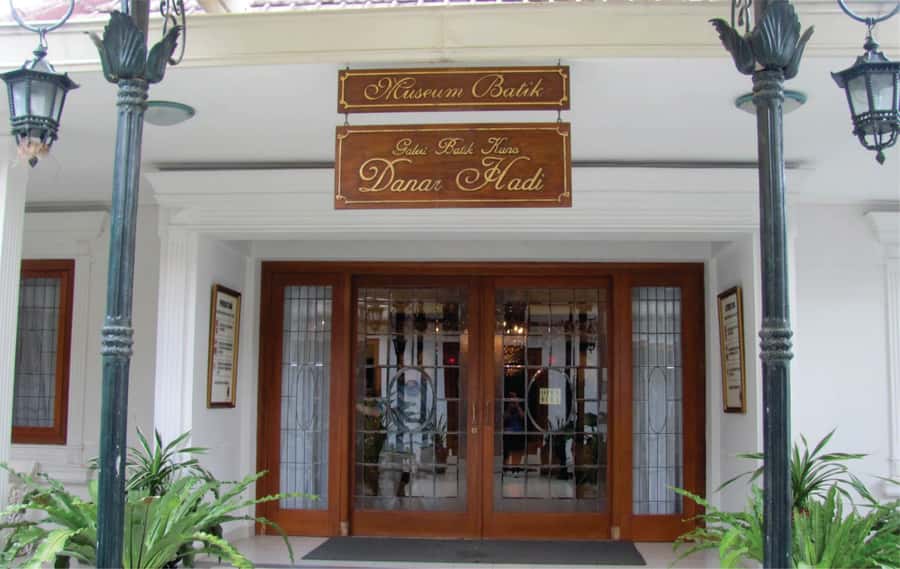
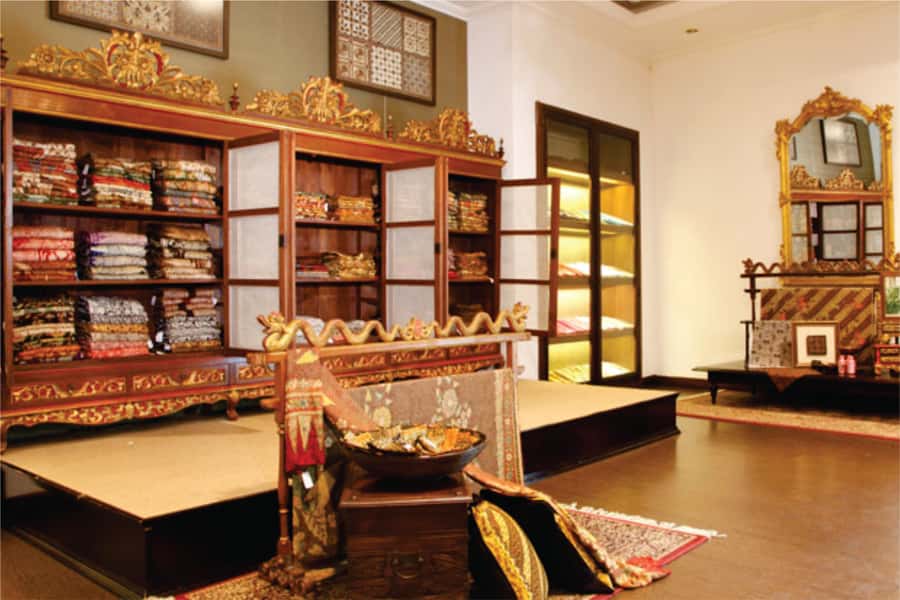
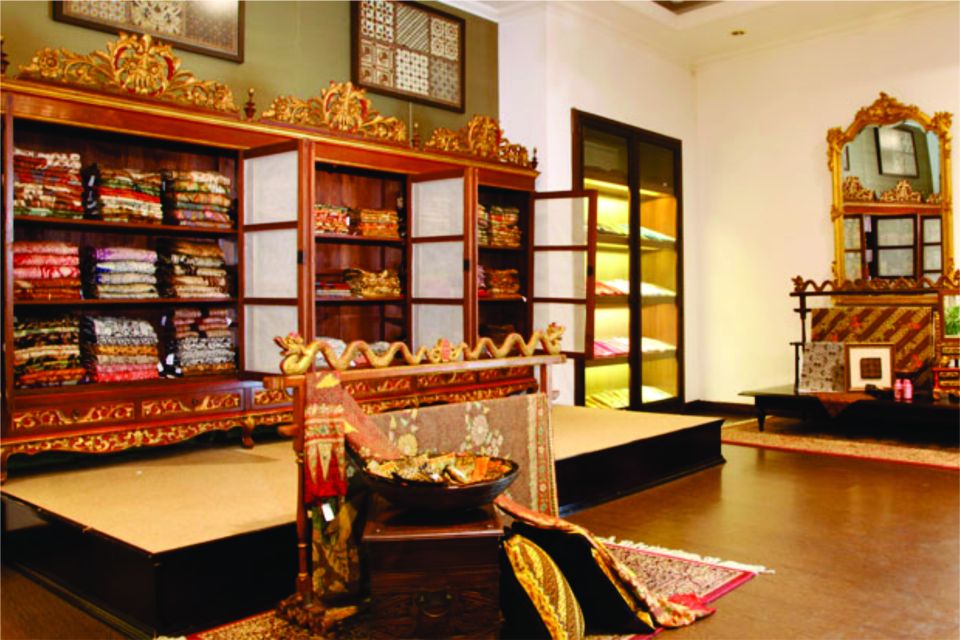
Solo’s ancient Batik Museum is the final major cultural anchor. This isn’t just a “look at patterns” stop. The collection includes artifacts from before colonization and pieces from about five years after Indonesian independence in 1950.
That timeline matters because batik is more than decoration. It’s tied to identity, craftsmanship, and social history. In a museum like this, you see the continuity of technique alongside changing eras. Even if you don’t buy anything, it helps you understand why people treat handmade batik like something worth waiting for.
There’s also an added “real life” lesson built into this stop: handmade batik can take a long time to complete, and the price reflects the effort and process. If you’re the kind of shopper who hates feeling pressured, this is a calmer museum-to-shopping bridge—so you can make decisions with a bit more perspective.

Lunch and Solo City time: how to spend the in-between hours
Lunch is included as time to eat in a typical restaurant in Solo, but food isn’t included in the tour price. I treat this as a good thing: it means you can choose what you actually feel like eating rather than being stuck with a set menu you didn’t request.
Your Solo time is the part of the day that can feel most personal. Since you can explore on your own—or hire a local guide if you want deeper city context—you can shape your afternoon to match your energy. Prefer slow walking and photos? Great. Want a quicker scan and then back to the museum? Also fine.
One practical tip: don’t plan to squeeze in too many extra stops outside the tour. The day already has long transfers. If you keep your add-ons light, you’ll enjoy Solo more and avoid feeling rushed at the end.
Driver, safety, and the “small group” advantage on a long day
The tour runs as a small group limited to 4 participants, which is a big deal on an itinerary like this. With fewer people, you’re less likely to wait around, and you get more control over timing—especially in Solo where you can explore at your own pace.
You also get an English speaking driver. That matters because Central Java roads can move fast, and good communication reduces stress. Several accounts highlight this point, including an English-speaking guide named Ivan, and also mention a helpful guide named Jaufar. The common thread is that you’ll be able to ask questions and get sensible guidance.
Finally, factor in the driving experience. The ride to and from the temple area can feel extreme due to the mountainous road conditions. If you’re prone to motion sickness, bring your usual remedy and plan for a slow, steady rhythm during the drive.
Price and value: is $85 fair for 10 hours?
At $85 per person for a 10-hour day, the value mostly comes from the package approach: hotel pickup and drop-off, entry fees, and a driver handling logistics like parking, toll, and donation charges.
What’s not included is food and drink. That’s normal for day tours, but it’s worth budgeting for. If you usually eat out in Indonesia, you’ll likely spend less than you would in many Western countries, but the cost still adds up across a full day.
So, is $85 fair? In my view, it’s fair if you want a hassle-reduced day that connects four standout stops: Cetho, Sukuh, Mangkunegaran Palace, and the Batik Museum. If you’re comfortable organizing your own transport and don’t mind coordinating entry times, you might find cheaper DIY options. But if you’d rather spend your energy enjoying temples and the museum—rather than negotiating rides and routes—this price structure makes sense.
A small upside to the way the day is built: cancellation flexibility can be useful if your Yogyakarta plans shift. The tour offers free cancellation up to 24 hours in advance, and you can reserve and pay later, which helps if you’re still deciding your overall Java route.
Who this tour suits best (and who should skip it)
This tour is ideal if you want a one-day hit of Central Java culture and scenery without breaking your schedule into multiple trips. It works especially well for:
- People who want temples plus Solo’s royal and textile heritage in one day
- Visitors who like a structured plan but still want freedom in Solo
- Anyone who values an English-speaking driver for comfort and clarity
It might not fit as well if:
- You dislike long car days or curvy mountain roads
- You want lots of free time and minimal rushing
- You’re only interested in one temple site and would rather not commit to the full circuit
Should you book this Cetho, Sukuh, and Solo city tour?
Book it if you want the most efficient way to connect mountain temples with Solo’s cultural stops, and you’re happy to accept that this is a full-day road trip. The small group size, English communication, and inclusion of entry fees and logistics make it a lower-stress way to see a lot.
Think twice if you’re motion-sensitive or you hate long drives. In that case, consider a slower plan with fewer transfers.
If your goal is a meaningful day that pairs scenery (Mount Lawu tea-and-rice views) with places that spark conversation (Sukuh’s controversial erotic elements) and finishes with a museum that places batik in historical time, this one is a strong match.
FAQ
How long is the tour?
The tour lasts about 10 hours.
What’s the price per person?
It’s listed at $85 per person.
What sites are included in the day?
You visit Cetho Temple, Sukuh Temple, Mangkunegaran Palace, and the ancient Batik Museum in Solo City.
Does the tour include hotel pickup and drop-off?
Yes. Pickup is included from your accommodation in Yogyakarta, and you’ll be dropped back there afterward.
Is food included?
No. Food and drink are not included, though the schedule includes time for lunch in a typical Solo restaurant.
How big is the group?
It’s a small group limited to 4 participants.
Will the driver enter the attractions with you?
No. The driver-guide will not enter the attractions with you, but local guides can be hired at the sites if you want help and explanations.
When do you return to your hotel?
You return to your accommodation in Yogyakarta at approximately 6:00 PM.