REVIEW · YOGYAKARTA
Kotagede Yogyakarta Heritage Walk Tour
Book on Viator →Operated by Lawang Pethuk Kotagede · Bookable on Viator
Kota Gede feels like a neighborhood, not a museum. I loved the community-run feel and getting guided by Upik, plus the chance to see royal tombs and traditional Javanese houses up close. The only real drawback is the walk can get very hot, and rain can show up.
This heritage walk is all about how power and daily life mixed in old Yogyakarta. Kota Gede was once the epicenter of the Mataram Kingdom, and you still notice that story in the architecture, the cemetery setting, and the way locals talk about their homes. You also get practical culture in real time: herbal jamu being made and a silversmith working their craft.
It runs as a short 2 to 3 hour outing, capped at just 10 people, which keeps the experience personal. It’s priced at $35, and when you factor in a small group, guide time, dress provided for the cemetery, and the access to places inside the neighborhood, it tends to feel fair.
In This Review
- Key points at a glance
- Kota Gede in Two Minutes: Royal Power Meets Daily Life
- Walking With Upik: Why the Community Guide Style Matters
- Stop 1: Mataram Kings Cemetery and Masjid Gedhe Mataram
- Stop 2: Between Two Gates and the Meaning of Rukunan
- Stop 3: Pasar Legi Kotagede and Jamu Making in Real Life
- Where the Jamu and the Silversmith Fit In
- Price and Value: Is $35 Fair for a 2–3 Hour Heritage Walk?
- Timing, Weather, and What to Wear
- How the Stops Work Together (So It Doesn’t Feel Like Random Sightseeing)
- Who Should Book This Tour
- Should You Book Kotagede Heritage Walk Tour?
- FAQ
- How long is the Kotagede Heritage Walk Tour?
- How much does the tour cost?
- How many people are in the group?
- What ticket type is used?
- What stops are included?
- Is Javanese dress provided?
- Do I get to see jamu being made?
- Will I see a silversmith?
- Where do I meet and where does it end?
- What if the weather is bad?
Key points at a glance
- Capped at 10 travelers for a calmer, more conversational walk
- Guides are from the community, with Upik noted in multiple top reviews
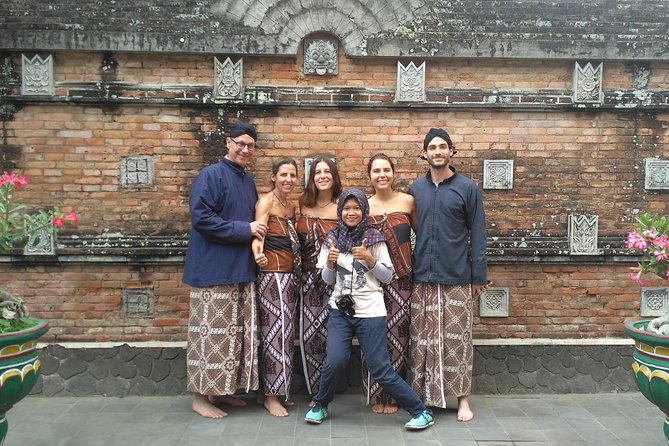
- Royal cemetery visit with Javanese dress included
- Rukunan explained through lived-in houses, not just plaques
- Pasar Legi market stop with local snacks and jamu making
- Jamu and silversmith moments that turn crafts into something you can actually watch
Kota Gede in Two Minutes: Royal Power Meets Daily Life
Kota Gede is the kind of place where history sits beside laundry lines and quiet conversations. A few centuries ago, it was central to the Mataram Kingdom, and the neighborhood still reflects that status through its sacred spaces and traditional homes. What I like here is that the tour doesn’t treat these buildings like props.
Instead, you’re walking through living context. You’ll see royal tombs and also get the everyday rhythm of Javanese residence, community agreements, and local food culture. Even if your language skills are basic, the scenes are easy to read: people working, people eating, and people keeping traditions alive.
The tour also leans into culture that’s useful, not just decorative. Herbal jamu making is a great example. It’s not presented like a distant concept; you watch it happen and connect it to what people buy and use locally.
You can also read our reviews of more walking tours in Yogyakarta


Walking With Upik: Why the Community Guide Style Matters
The guide makes the whole thing. Upik comes up again and again in the best experiences because she’s energetic and genuinely invested in Kota Gede’s culture, beliefs, and history. That matters because heritage walks can turn into a fast lecture if the guide stays stuck in facts.
Here, you’re invited to notice details as you walk. The tour feels interactive, with time to ask questions and absorb how locals interpret their own spaces. It’s also run by the community for the community, which changes the vibe from tourist consumption to shared stewardship.
Another smart detail: the group size is capped at 10 travelers. That keeps you from getting shuffled along like a slow-moving bus tour. You can actually hear what your guide is saying, and your questions don’t get swallowed.
Stop 1: Mataram Kings Cemetery and Masjid Gedhe Mataram
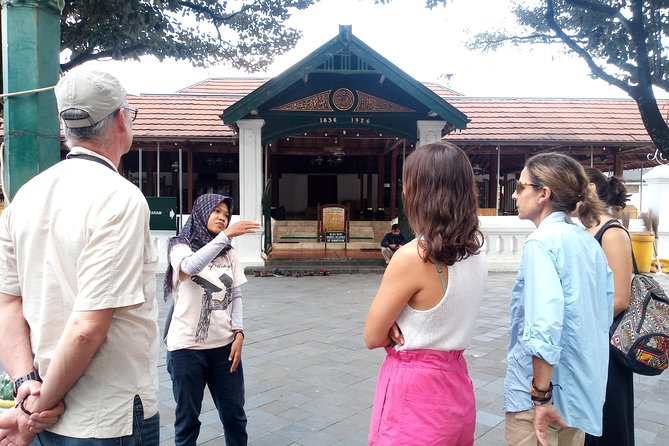
Your walk begins in the Mataram Kings Cemetery area of Kotagede. This is the setting for royal tombs, and you’re provided Javanese dress to help you enter the space in the right spirit. It’s a small thing, but it’s one of the best “you’re in the moment” touches on the tour.
This stop also includes Masjid Gedhe Mataram in the cemetery area. The guide information notes it as one of the oldest mosques in Yogyakarta, so it gives you a quick, grounded sense of religious and cultural continuity. You’re not just passing by a building; you’re in the environment that shapes how people understand the past.
Practical note: cemetery grounds can be exposed. In hot weather, your pace will feel slower simply because you’re not trying to rush past everything. Bring water and take your time. If rain starts, you’ll want quick shelter since you can’t always hide in a narrow alley.
Stop 2: Between Two Gates and the Meaning of Rukunan
Next you move into the lived-in side of Kota Gede. This stop focuses on traditional houses that are still occupied by locals, which is a big difference from tours that only show you restored buildings. You get to see how homes sit within the neighborhood and how residents relate to each other.
You’ll also get a snack here, described as a traditional treat. It’s not a random food stop. It’s part of how the guide connects daily life to the idea of residence and community harmony.
A key term you’ll hear is rukunan, which refers to a condition of agreement and harmony in Javanese neighborhood life. Instead of treating it like a fancy word, the tour uses it to explain how owners and neighbors manage shared living. That’s the kind of cultural detail that makes history feel human.
The main drawback for this segment is the same as the whole walk: weather and walking surfaces. This is a 2 to 3 hour tour, so you’re not getting long breaks. Plan to slow down, not sprint.
Stop 3: Pasar Legi Kotagede and Jamu Making in Real Life
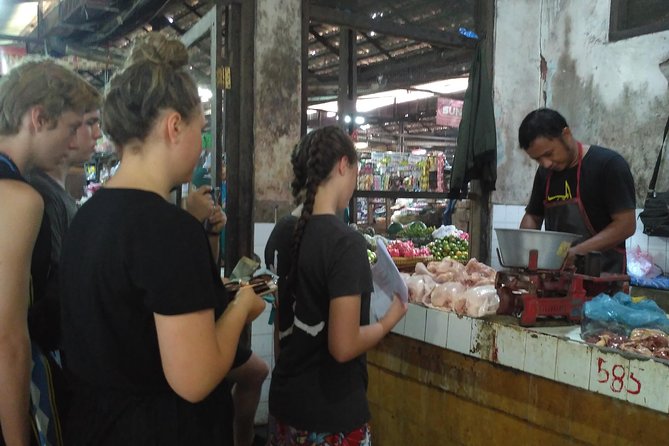
Then you reach Pasar Legi Kotagede, a market described as a local and one of the oldest in the south of Java. This is where the tour turns from architecture into appetite, and from explanation into observation.
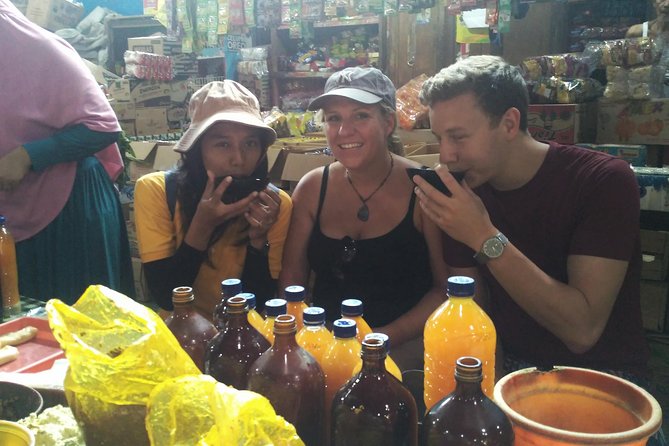
Expect local food and snacks, plus fruit, vegetables, herbs, and kitchen supplies. The market is also where you can see jamu (traditional herbal medicine) being made. That’s the best part if you like culture you can watch with your own eyes, not just read about.
Jamu is tied to daily wellness in Indonesia, and seeing the process helps you understand what you’re actually looking at when you buy it later. Even if you don’t plan to purchase anything, the visual of herbs being handled and prepared gives you a clear mental map.
One thing to consider: markets can be crowded and noisy. The tour time here is still about 30 minutes, so it’s not a long wander. Go in with the mindset that you’ll sample what catches your eye quickly, then let your guide steer you toward the most relevant jamu moments.
You can also read our reviews of more historical tours in Yogyakarta



Where the Jamu and the Silversmith Fit In
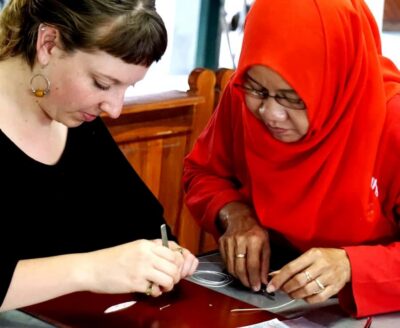
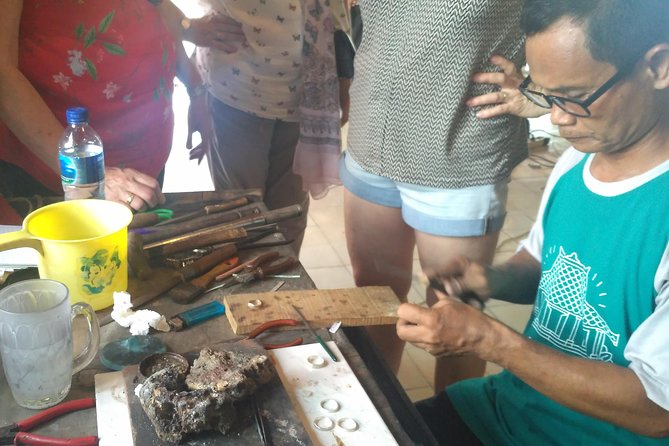
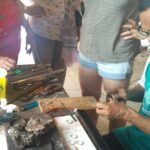
The tour’s highlights include watching jamu being made and seeing a silversmith in action. Even when the stops are grouped tightly, these craft moments are usually the part that sticks with people because you can follow the work step by step.
A silversmith demonstration is especially worth leaning into. Metalwork is slow and precise, which means your brain has time to register the process. You’ll get a different sense of Kota Gede when you see hands doing the craft, rather than seeing finished products on display.
If you’re the kind of traveler who likes to ask practical questions, this is where you’ll get the most out of the guide. Craft traditions often come with stories about tools, materials, and why certain methods are used. Just be ready to listen for the cultural angle, not only the technical one.
Price and Value: Is $35 Fair for a 2–3 Hour Heritage Walk?
At $35 per person, this walk sits in a mid-range zone for Yogyakarta tours. The value comes from the mix: community-guided access, a small group size (max 10), and the chance to enter meaningful spaces like the royal cemetery with dress provided.
You’re also not paying just for walking. You get:
- A guided heritage route through Kota Gede’s key cultural spots
- Time in the market where jamu making is part of the program
- A silversmith moment included in the tour highlights
- A Javanese dress component for the cemetery visit
- Admission ticket time included across the listed stops
Duration is 2 to 3 hours, which is a sweet spot. It’s long enough to feel like a real experience, but short enough that you can still plan other parts of your day. And since the average booking happens about 13 days in advance, it’s smart to lock in sooner rather than later if you want a specific time.
Timing, Weather, and What to Wear
This is a morning-friendly tour. The listed opening hours show a window that starts around 8:00 AM, and that’s wise in Yogyakarta because midday heat can be intense. In the best reviews, people still enjoyed the walk even during very hot weather, but the takeaway is clear: you need to be prepared.
Also watch for rain. One of the common cautions from top experiences is that weather can swing, so bring a light rain layer or umbrella. If you rely on a phone camera, protect it from sudden showers and keep a hand towel or tissue handy.
For clothing, you’ll get Javanese dress for the cemetery stop, which helps with respect and comfort. Still, wear breathable clothes and shoes with grip. Market pavements and walking paths aren’t designed for slick sneakers.
How the Stops Work Together (So It Doesn’t Feel Like Random Sightseeing)
One reason this tour works is that each stop answers a different question.
- The cemetery stop helps you understand the prestige of the Mataram Kingdom and the sacred side of Kota Gede.
- The “between two gates” house stop connects the past to everyday living, using rukunan as a lens.
- The market stop brings you into the local economy and the practical side of tradition through jamu making.
That structure means you’re not bouncing between unrelated photos. You’re building a simple story: power, home life, and daily rituals.
It’s also capped at 10 travelers, so you’re not stuck waiting for everyone else to catch up. You’ll feel part of the flow rather than watching from the back.
Who Should Book This Tour
This is a good fit if you want:
- A more local style of heritage walk run by the community
- Royal cemetery context and traditional house culture
- A market stop that connects to jamu making
- Craft watching, including a silversmith in action
- A small-group experience where your guide can actually talk with you
It’s also a strong choice for first-time visitors to Yogyakarta who want something more human than big attractions. Kota Gede rewards curiosity. If you’re the type who likes to ask why people do things a certain way, you’ll feel at home.
If you want a high-energy tour with constant movement and no waiting, this might feel calmer than you expect. The pace is meant for learning and observing, not sprinting.
Should You Book Kotagede Heritage Walk Tour?
I think you should book it if you care about how traditions function in everyday life. The community-run approach, the small group cap, and the chance to see jamu making and silver craft make this more than a standard sightseeing loop.
You should also book it if you can handle the basics: walking outdoors for 2 to 3 hours and dressing for heat or brief rain. If you hate sun exposure and you don’t want to adjust your pace, look for a more indoor-focused option.
In my view, this tour hits the sweet spot of value and authenticity. For $35, you’re buying guided access into places that still matter to local people.
FAQ
How long is the Kotagede Heritage Walk Tour?
The tour runs about 2 to 3 hours.
How much does the tour cost?
It costs $35.00 per person.
How many people are in the group?
The experience is capped at a maximum of 10 travelers.
What ticket type is used?
You receive a mobile ticket.
What stops are included?
You’ll visit the Mataram Kings Cemetery area, the traditional house stop between two gates, and Pasar Legi Kota Gede market.
Is Javanese dress provided?
Yes. Javanese dress is provided for the cemetery portion.
Do I get to see jamu being made?
Yes. The tour includes seeing jamu herbal medicine being made, associated with the market stop.
Will I see a silversmith?
Yes. A silversmith demonstration is part of the highlights.
Where do I meet and where does it end?
It starts at Jl. Masjid Besar No.905, Sayangan, Jagalan, Banguntapan, Bantul, Yogyakarta, and ends at Lawang Pethuk Kotagede on Jl. Alun-Alun Utara.
What if the weather is bad?
The tour runs in the morning hours, but weather can be hot or rainy. Plan for sun and bring something for rain if you can.
If you want, tell me your travel dates and what time you’ll be in Yogyakarta, and I’ll help you pick a morning slot that matches your schedule and heat tolerance.