REVIEW · YOGYAKARTA
Yogyakarta: Countryside Village Cycling Tour With Guide
Book on GetYourGuide →Operated by Nirvana Borobudur Tour · Bookable on GetYourGuide
A bike ride through real village life in Java. The best part is how you pedal past everyday agriculture while also getting hands-on with tempeh and emping melinjo makers. One thing to consider: it’s a half-day pace, so if you want hours of nonstop cycling, you may find the ride portion a bit short.
This tour is built for small groups (max 10), with hotel pickup and a local guide who keeps things moving at a relaxed rhythm. You’re outdoors for much of the experience, so you’ll want to plan for sun and heat—bring sunglasses and sunscreen like the tour recommends.
In This Review
- Key things to know before you pedal
- Why this Yogyakarta countryside tour feels genuinely local
- Classic old bikes and a village pace you can actually enjoy
- Traditional village time: where everyday work becomes the highlight
- Learning tempeh: soybeans, banana leaves, and real fermentation work
- Emping Melinjo crackers and furnace-style cooking
- Riding past fields: the agricultural “class” you can feel in your legs
- Guides like Kiki, Nana, and Zuhal: why the human factor drives the experience
- What you eat and drink: snack value that doesn’t feel like an afterthought
- Timing and group size: how the 5 hours actually works for you
- Price and value: what $46 buys in Yogyakarta
- What to bring (and what to skip) for a smooth ride
- Who this tour is perfect for
- Should you book this Yogyakarta countryside village cycling tour?
- FAQ
- How long is the cycling portion?
- How long is the entire tour?
- What’s included in the price?
- Where does pickup and drop-off happen?
- How big is the group?
- What languages are the guides?
- What should I bring?
Key things to know before you pedal
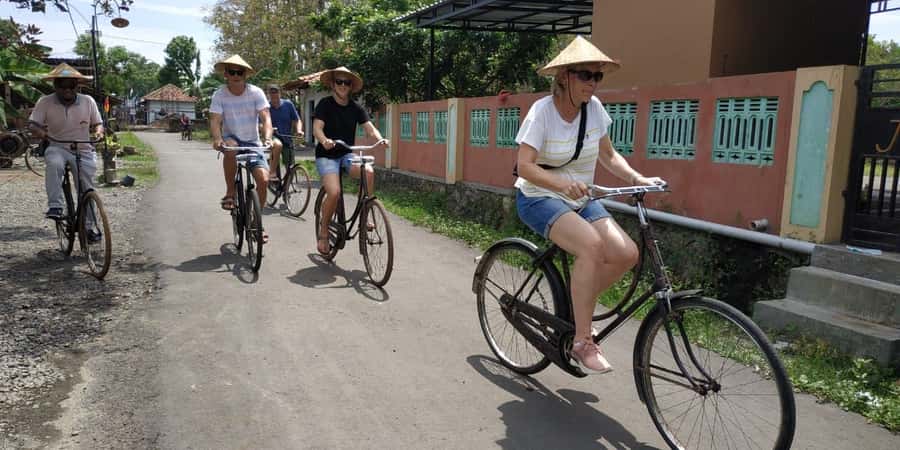
- Small group (max 10): more conversation with the guide, fewer people blocking view and photos.
- Classic old bikes: brands like Gazelle, Fongers, Batavus, Triumph, and more.
- Tempeh from soybeans: learn the banana-leaf wrapping step tied to traditional practice.
- Emping Melinjo cracker making: see how makers use a traditional furnace style.
- Field-and-farm variety: rice, corn, chilies, green beans, peanuts, sugarcane, and more along the way.
- Half-day format: about 2.5–3 hours of riding inside a total 5-hour experience.
Why this Yogyakarta countryside tour feels genuinely local
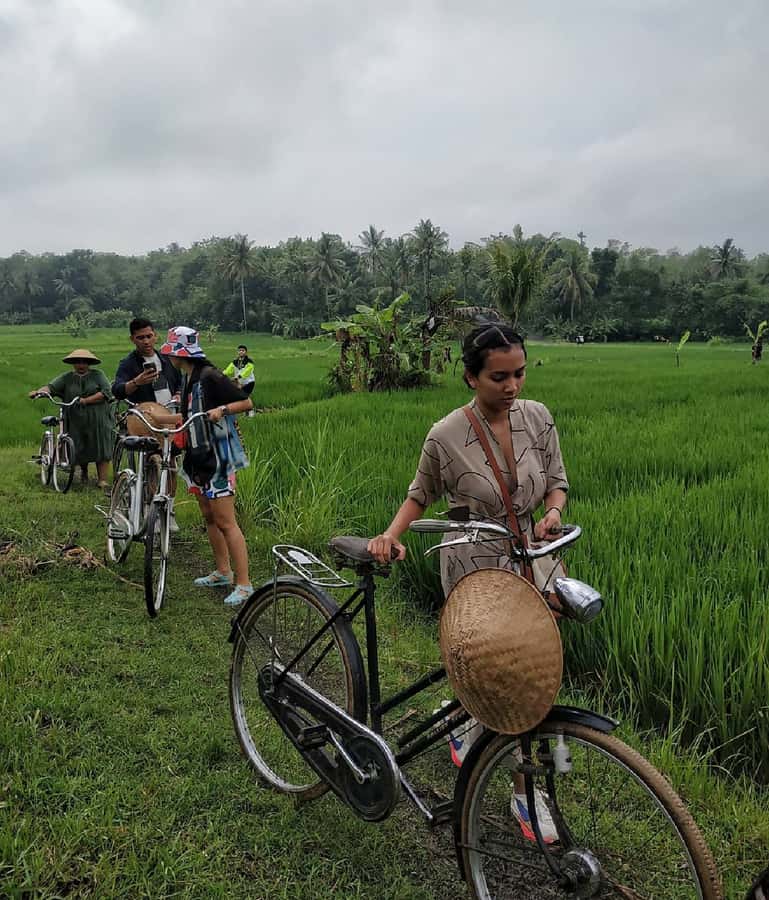
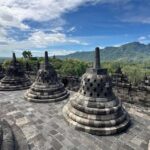
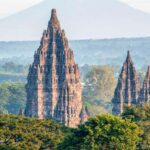
Yogyakarta can be famous for temples. But this is for people who want the quieter Java moments too: the routines that happen in homes, kitchens, and fields long before any sightseeing starts.
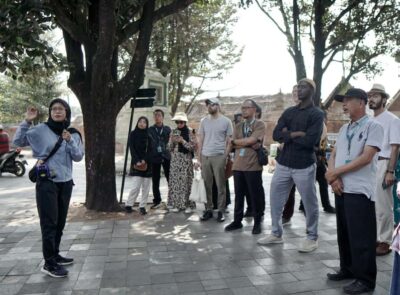
What I like about this style of tour is the balance. You’re not just photographing villagers from a distance. You’re cycling through shared daily work—and you get food-making steps explained in plain language by an English/Indonesian guide. In past groups, guides such as Kiki, Nana, and Zuhal have been praised for taking the time to show details and translate questions so you can really understand what’s going on.
The tour’s focus on traditional crops and traditional food isn’t random. It connects how people grow ingredients with how they turn them into staples you’ll recognize back home—like tempeh and emping-style crackers.
You can also read our reviews of more cycling tours in Yogyakarta
Classic old bikes and a village pace you can actually enjoy
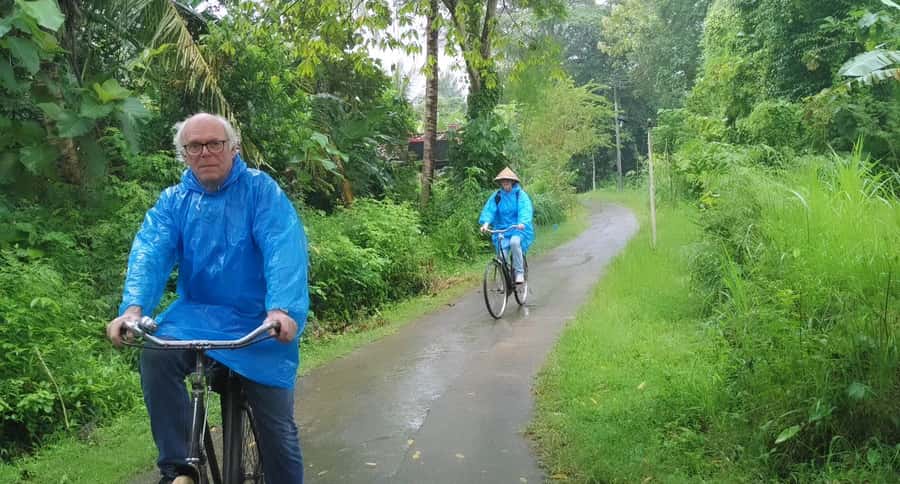
This isn’t a racing tour. The cycling portion runs about 2.5–3 hours, with a relaxed, flexible flow that makes it feel doable even if you’re not a confident cyclist.
You’ll ride old bikes from well-known brand names—Gazelle, Fongers, Batavus, BSA, Triumph, Humber, Releigh, and others. That detail matters. It usually means the bikes have been used and maintained for local cycling rather than being brand-new rentals that feel generic. Also, you’re more likely to notice the rhythm of the ride: slower roads, frequent pauses for explanation, and time to stand close when food makers show you the process.
A practical thought: since you’re on a half-day schedule and it’s partly outdoors, plan to keep your hydration steady. The tour includes mineral water and a drink at the start, but you’ll still want to pace yourself.
Traditional village time: where everyday work becomes the highlight
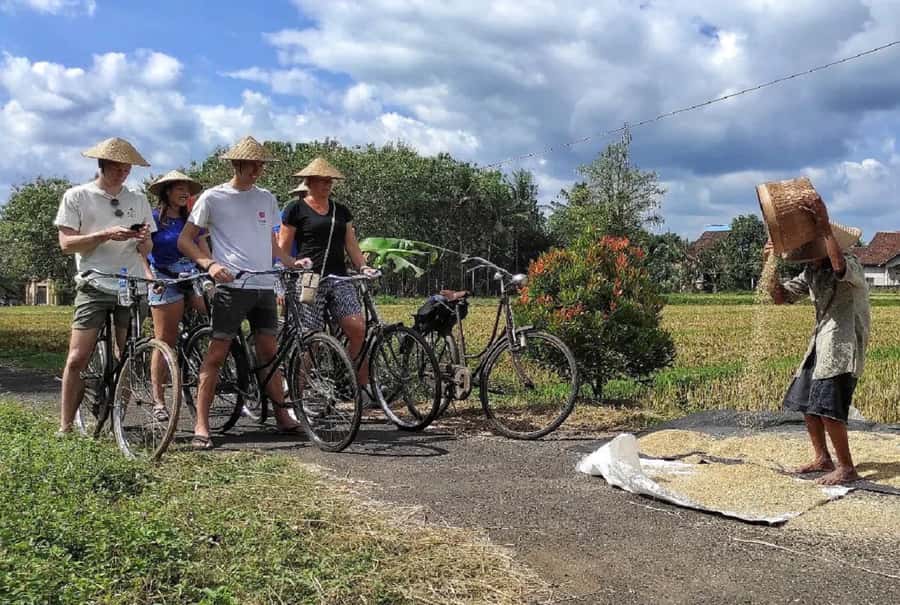
The ride begins with pickup in Yogyakarta, then heads to a traditional village area where you can watch daily life up close.
This part of the experience is where the tour earns its value. Village visits can sometimes feel like a quick stop-and-go photo session. Here, the emphasis is on doing and seeing: watching families’ routines, meeting the people involved in making food products, and getting a sense of how community work fits into the day.
You’ll also get time to ask questions. In groups led by guides like Zuhal, questions have been translated to locals so the explanations go beyond surface-level facts. It makes the experience feel less like a lecture and more like a conversation.
Learning tempeh: soybeans, banana leaves, and real fermentation work
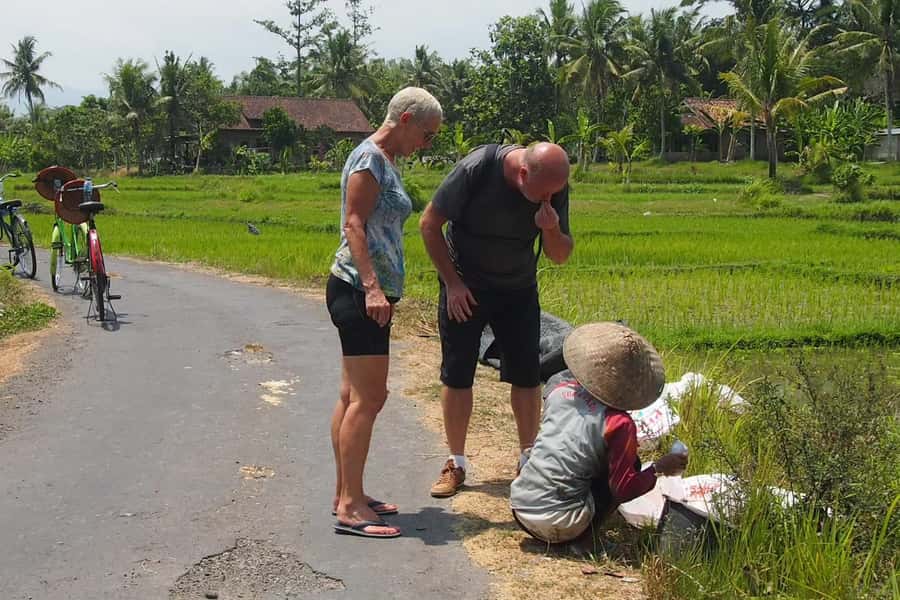
One of the most memorable stops is the tempeh-making lesson.
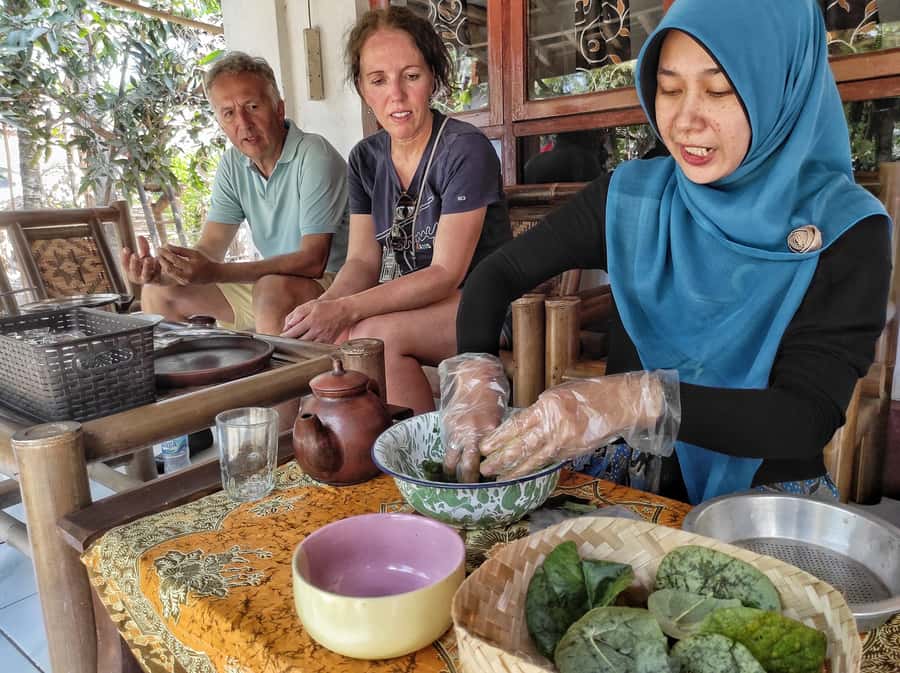
The tour focuses on how tempeh is made from soybeans, and how the process uses natural banana leaves to wrap the soybeans. That sounds simple, but it’s exactly the kind of traditional technique that modern factory production often replaces or changes. Seeing the wrapping step helps you understand why tempeh tastes the way it does and why the process takes patience.
This is also where hands-on learning tends to happen. In previous outings, people have noted that you may be able to help with steps during the process. Even if you don’t do every task, you’ll see the work closely enough to understand what’s happening.
If you like food tours that respect kitchen reality—texture, timing, and craft—this tempeh segment is the kind that sticks with you.
Emping Melinjo crackers and furnace-style cooking
From tempeh, the tour moves into another classic Indonesian flavor: emping melinjo.
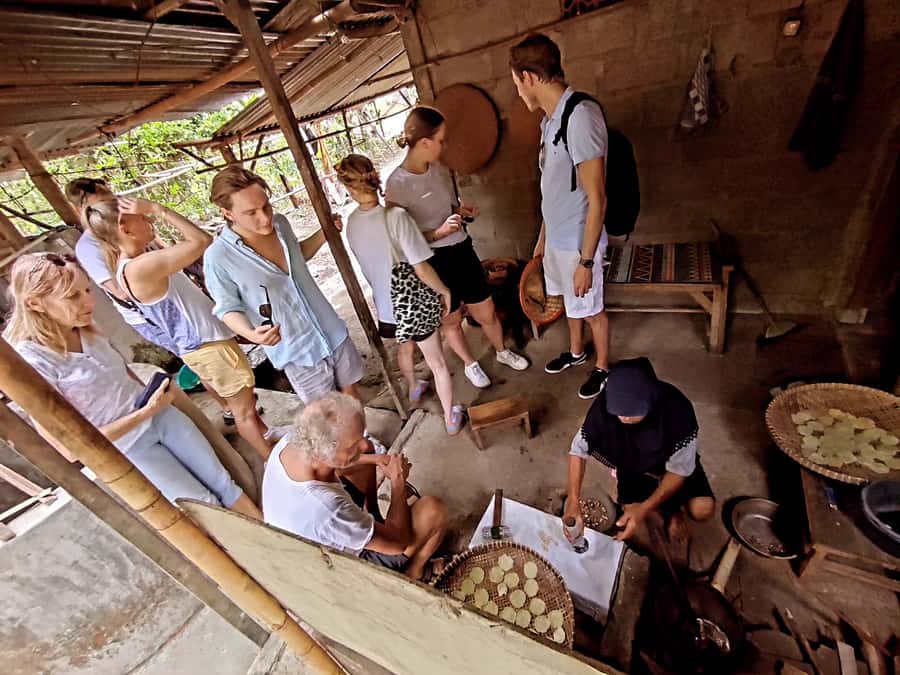
You’ll interact directly with cracker makers working with Emping Melinjo (Gnetum gnemon). The tour description highlights that the cooking uses a traditional furnace style, which is the practical detail you want to know about. Furnace-style cooking isn’t just a romantic idea—it affects heat, speed, and the final crispness of the crackers.
This section is often fun because it’s interactive. You’re not only watching someone explain. You’re learning how the ingredients become a snack through direct, traditional methods.
And again, the guide matters. When guides like Kiki took people into local homes and helped connect what was being made to what people eat, the whole stop felt more meaningful, not just observational.
You can also read our reviews of more guided tours in Yogyakarta




Riding past fields: the agricultural “class” you can feel in your legs
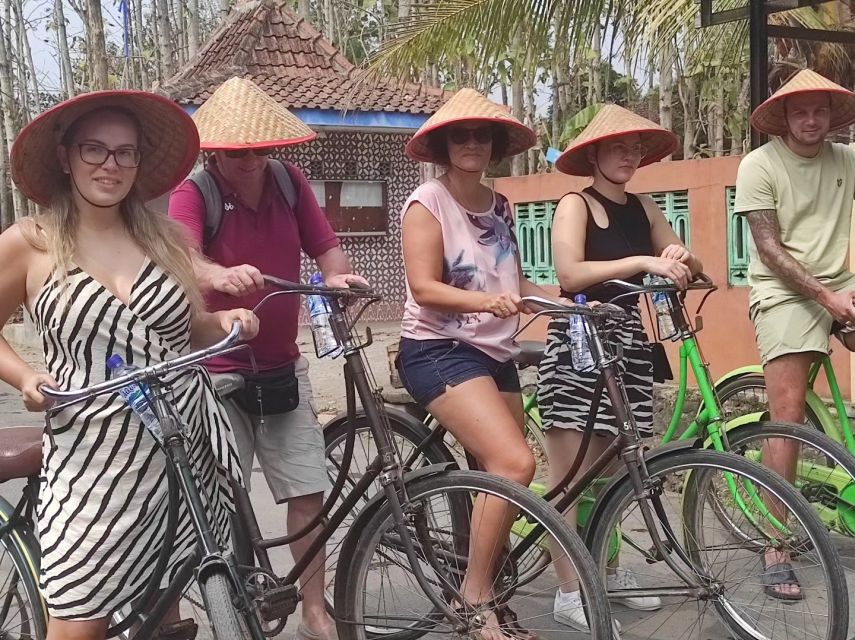
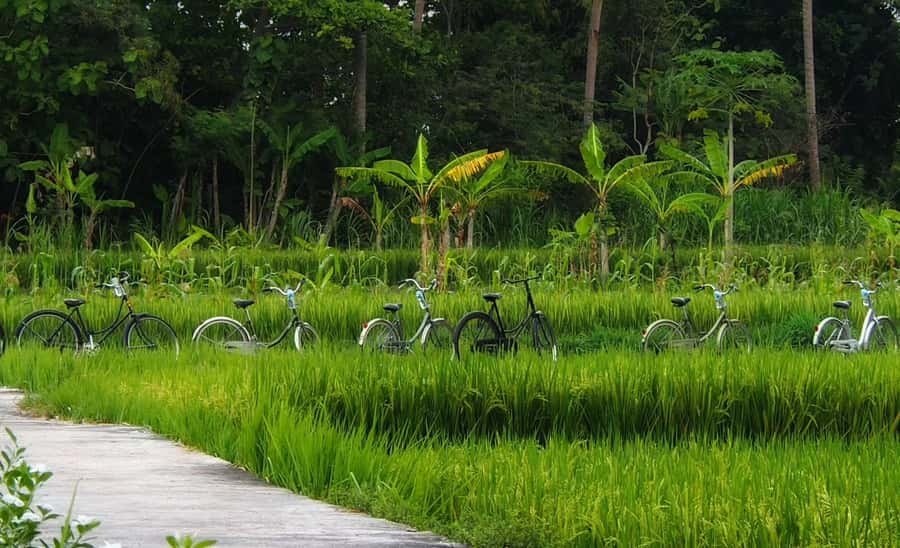
As you cycle through the countryside, the tour passes wide agricultural areas where the planting seasons vary.
You might see crops like rice, corn, chilli, green bean, peanuts, sugarcane, and others. That list isn’t just filler. It helps you understand why rural Java doesn’t look the same every month. Different fields can be at different stages, and the day-to-day farm schedule changes based on season.
This is one of the quiet joys of biking here. While you pedal, you’re constantly getting short explanations that connect to what you’re seeing. It’s also a break from temple-only travel, because the “sights” are living systems—people working with land the way they always have.
A tip for your viewing: slow down mentally during field sections. Don’t just watch scenery from the seat. Use the stops to listen, and note what crop is growing and what that implies for work happening around it.
Guides like Kiki, Nana, and Zuhal: why the human factor drives the experience
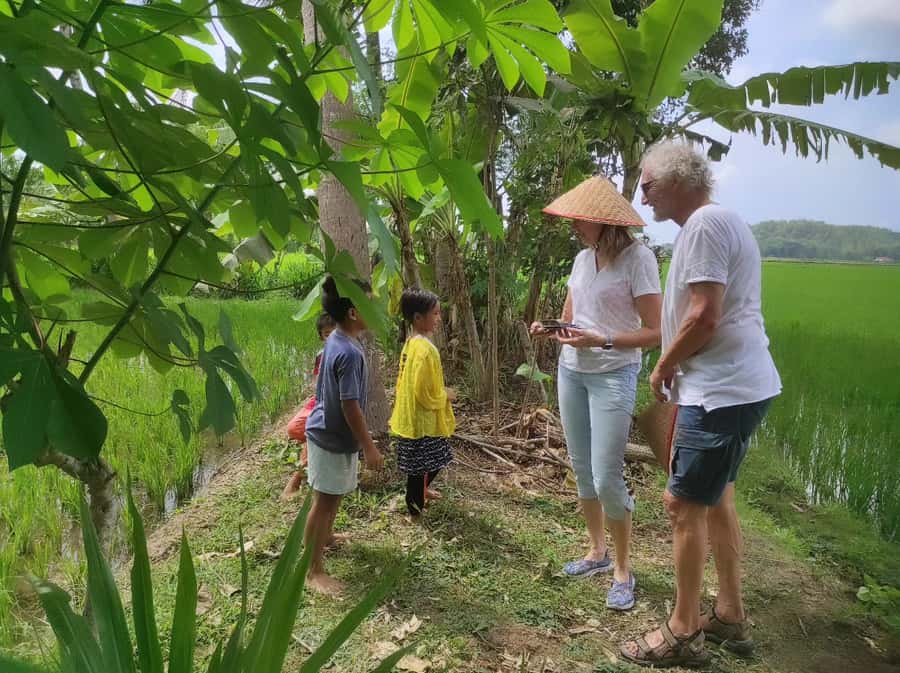
The tour’s small group format makes guide personality matter.
In the experience you’ll likely feel: guides are encouraged to explain with patience, and they translate questions so interactions stay respectful and useful. Names that have come up in past groups include Kiki, Nana, Zuhal, with drivers such as Irwan mentioned as part of the welcoming setup.
If you’re hoping for a cultural exchange that doesn’t turn awkward, this structure helps. A good guide:
- sets expectations for what you’ll see,
- manages the timing so food makers aren’t rushed,
- and connects what you’re doing (cycling, tasting, learning) to the meaning behind it.
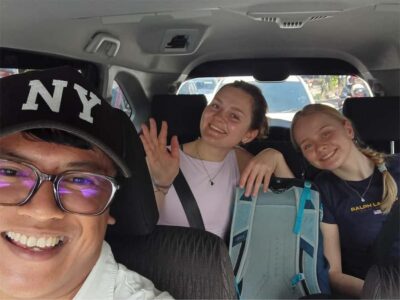
You can also expect some practical extras that make the day smoother, like photos and short video moments. People have mentioned guides capturing photos and videos throughout the ride, which is helpful if you want memories without spending your whole day juggling your phone.
What you eat and drink: snack value that doesn’t feel like an afterthought
This tour includes welcome drink, snack, and mineral water.
But the better point isn’t just that snacks are included. Food is part of the cultural learning. Seeing tempeh production and emping making would be interesting even without eating anything at the end. The extra tastings and snacks help you connect process to flavor.
Also, the pacing helps. Because it’s not an all-day itinerary, you don’t get that situation where food arrives late and you’re tired enough to miss it. You’ll likely feel ready to enjoy what’s served.
If food is a major reason you travel, this tour checks that box in a grounded way: you learn the steps, not just the label.
Timing and group size: how the 5 hours actually works for you
Total duration is 5 hours, with pickup and drop-off in Yogyakarta included.
The cycling portion is about 2.5–3 hours, leaving time for the village stop, the food-making segments, and breaks. That split is the right kind of balance for most people: enough riding to feel like a real countryside tour, but not so much that you’re exhausted before you reach the food experiences.
Group size is limited to 10 participants. That’s small enough for:
- easier conversation with your guide,
- less crowding around food makers,
- and more flexibility to pause and ask questions.
If you’re traveling solo or as a couple, that small-group size often makes it easier to feel part of the day rather than like you’re on a conveyor belt.
Price and value: what $46 buys in Yogyakarta
The price is listed as $46 per person for this half-day experience.
Here’s what you’re actually paying for, value-wise:
- Bicycle rental (with classic, established-bike brands),
- an English/Indonesian guide,
- hotel pickup and drop-off,
- snacks, welcome drink, and mineral water,
- and a local donation.
In other words, you’re not just buying transportation and a guide. You’re buying structured access to everyday food production—tempeh from soybeans wrapped in banana leaves, plus emping melinjo cracker making with a traditional furnace method—plus local conversation time.
Whether $46 is a bargain or merely fair depends on your travel style. If you like temples more than kitchens, you might feel it’s pricey for a short ride. If you care about how food and farming connect in real life, that cost starts looking reasonable fast.
Also, small groups reduce the usual “crowd factor,” which can be the hidden tax on many sightseeing tours.
What to bring (and what to skip) for a smooth ride
The tour gives you clear guidance on what matters outdoors.
Bring:
- sunglasses
- sunscreen
Wear:
- comfortable clothing you don’t mind getting a little dusty from village roads
- shoes with grip for regular street conditions
What you can probably skip:
- fancy cycling gear. This is relaxed village cycling, not a training ride.
If you’re sensitive to heat, plan your expectations: even with breaks, you’re outside for much of the day. Sunscreen isn’t optional here.
Who this tour is perfect for
You’ll likely love this if you:
- want a real taste of rural Java beyond temples,
- care about food production (tempeh and emping melinjo specifically),
- prefer small group interaction with a guide,
- and enjoy a relaxed cycling pace.
It’s also a good fit if you’re the type who likes to ask questions. The format supports Q&A, and guides have been praised for translating questions so you get deeper answers.
If you’re a hard-core cyclist looking for long mileage, you might find the cycling time short. But if you want a half-day story—bikes, fields, and food making—this matches that aim.
Should you book this Yogyakarta countryside village cycling tour?
Book it if you want a half-day experience that links countryside farming to the food you’ll actually recognize, with hands-on learning around tempeh and emping melinjo.
Skip it if you’re mainly chasing distance on the bike or you want a full-day itinerary packed with nonstop activities. This one is intentionally paced for learning and interaction, not for covering every corner of Yogyakarta.
A smart decision rule: if your favorite travel days are the ones where you learn how people live—by seeing their daily food work—this tour is a strong pick.
FAQ
How long is the cycling portion?
The ride lasts about 2.5 to 3 hours, within a total 5-hour experience including pickup and drop-off.
How long is the entire tour?
The full duration is 5 hours.
What’s included in the price?
It includes bicycle rental and a guide, a local donation, a welcome drink, snack and mineral water, plus hotel pickup and drop-off.
Where does pickup and drop-off happen?
Pickup and drop-off are included from your hotel in Yogyakarta.
How big is the group?
The group is small, limited to 10 participants.
What languages are the guides?
The live tour guide speaks English and Indonesian.
What should I bring?
You should bring sunglasses and sunscreen.