REVIEW · YOGYAKARTA
Sunrise Setumbu, Borobudur structure climbing and Prambanan
Book on GetYourGuide →Operated by NORD · Bookable on GetYourGuide
Sunrise makes Borobudur feel brand new. This trip strings together Setumbu Hill sunrise (optional), a serious Borobudur climb, and the huge Hindu drama of Prambanan—all in one smooth 8 to 10 hours.
I especially like the way the experience balances big wow moments with time to look closely. First stop is the sunrise view from Setumbu Hill; second is getting up close inside Borobudur, where those reliefs start to make sense instead of looking like decoration. The main drawback to plan for is simple: weather can ruin the sunrise, and you may need to roll with a change.
Prambanan then delivers the scale: you see ShivaGraha in its full glory, and you also get a chance to get a little lost in Sewu Temple inside the compound. It’s a lot to pack into one day, so go in with comfortable shoes and a calm pace.
In This Review
- Key Highlights Worth Your Attention
- Sunrise At Setumbu Hill: A Clock-Ticket View, Not a Guarantee
- The Borobudur Climb: Nine Platforms, Real Perspective
- Borobudur Reliefs and Buddha Statues: What to Look For
- Prambanan’s ShivaGraha: Hindu Temple Scale You Can Feel
- Sewu Temple in the Prambanan Compound: The Part You’ll Actually Remember
- Transportation and Timing: How to Make an 8–10 Hour Day Work
- Price and Value: Is $36 a Smart Deal?
- What’s Included vs. Not Included (So You Don’t Get Surprised)
- Tips to Pack and Behave: Make the Day Easy
- Who This Trip Suits (and Who Should Skip It)
- Quick Reality Check Before You Book
- FAQ
- FAQ
- How long is the Sunrise Setumbu, Borobudur, and Prambanan tour?
- Is the Setumbu Hill sunrise optional?
- What is the price of the tour?
- What entrance fees do I need to pay?
- What is included in the price?
- Is lunch included?
- Will I have an English guide?
- How big is the group?
- What should I bring?
- Is the trip refundable?
- Final Verdict: Should You Book This Temple Combo?
Key Highlights Worth Your Attention
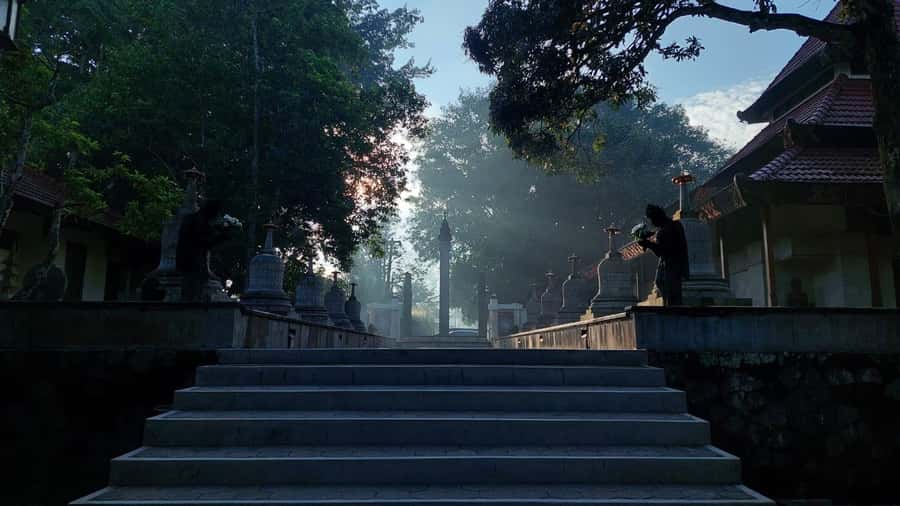
- Setumbu Hill sunrise view: Optional start with a great vantage over Borobudur and the area around it
- Climbing inside Borobudur: You get access that helps you appreciate the structure and relief storytelling
- Borobudur details you can track: Nine stacked platforms, 2,600 relief panels, and 500 Buddha statues become more than numbers
- Prambanan’s ShivaGraha: A major 9th-century Hindu temple tied to the Mataram Kingdom and Rakai Pikatan
- Sewu Temple time inside the Prambanan compound: A quieter, maze-like feel compared to the main complex
Sunrise At Setumbu Hill: A Clock-Ticket View, Not a Guarantee
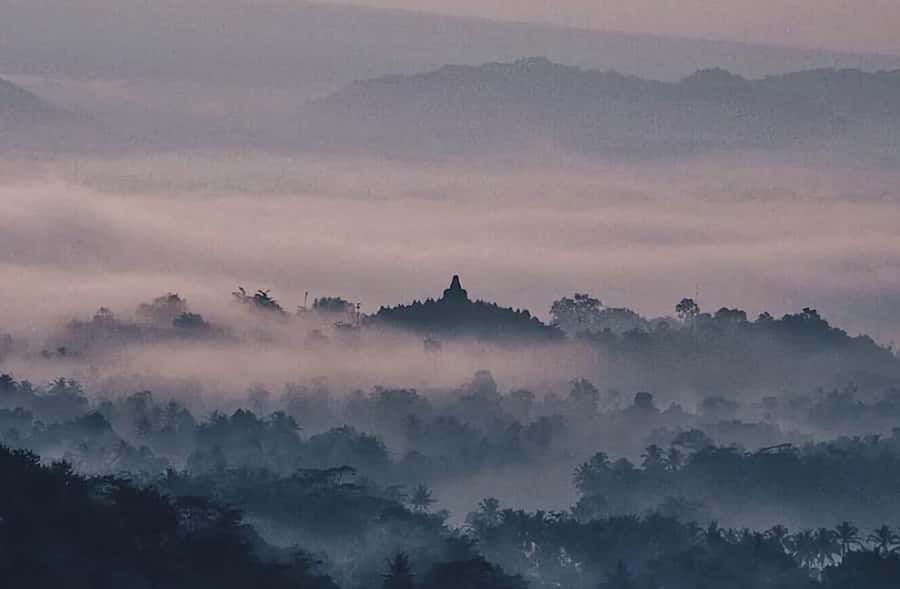
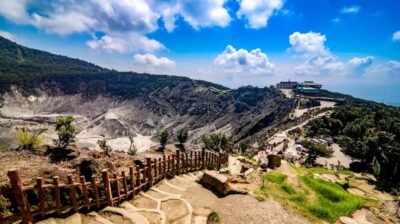
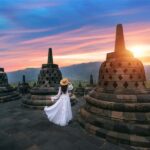
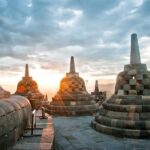
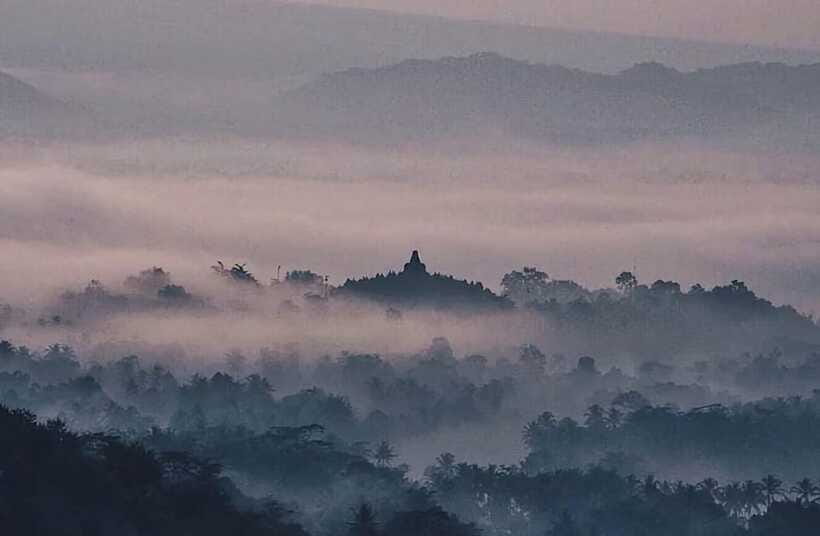
Setumbu Hill is the kind of spot that makes early mornings feel worth it. From here, you’re set up to watch the sunrise over Borobudur Temple and the wider area beyond it. Even if you’re not a “morning person,” the timing matters because light changes how the whole scene reads—sky first, then temple silhouettes, then the details you’ll see later.
I like that the sunrise is optional, so you’re not locked in if you’re traveling with jet lag or just don’t feel like freezing for a perfect photo. That flexibility can be a big deal on a long day trip.
One caution: clouds and rain can spoil the sunrise. If conditions aren’t good, the plan may shift—there’s a real example of the sunrise trip at Setumbu being replaced by a sunrise at Klangon. So keep your expectations flexible. You’re still going to see the temples in full daylight either way.
You can also read our reviews of more tours and experiences in Yogyakarta

The Borobudur Climb: Nine Platforms, Real Perspective
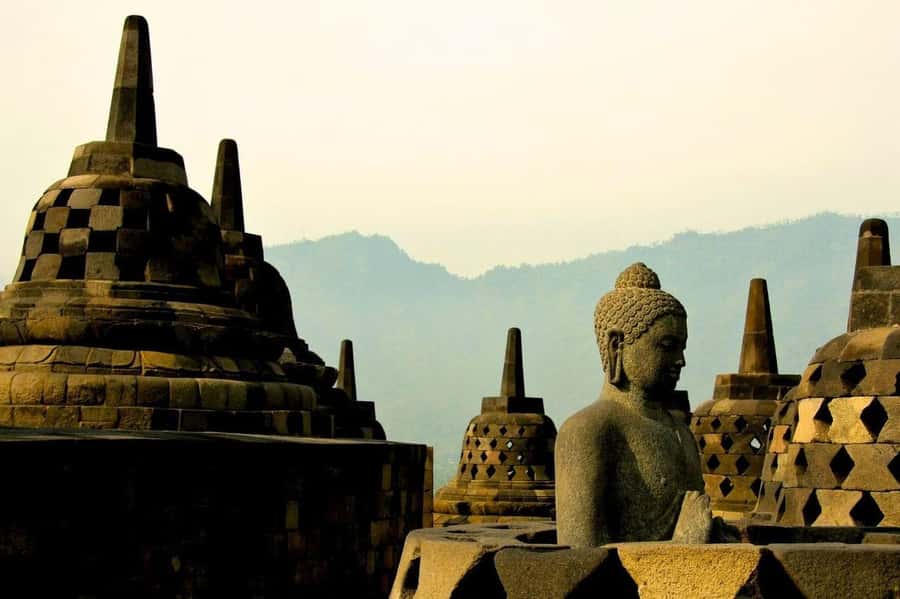
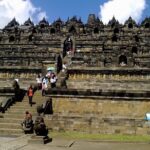
Borobudur is famous for a reason, but what makes this experience feel different is that you don’t just circle it from the outside. You actually climb inside Borobudur, which changes how you understand the design.
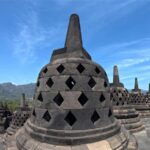
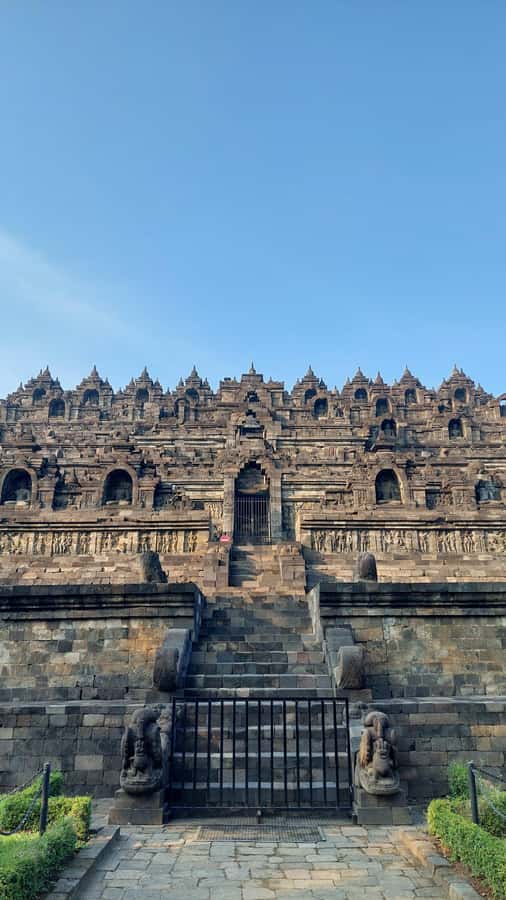
Here’s what helps you orient yourself as you go: Borobudur is made of nine stacked platforms topped by a central dome. As you move upward, the structure isn’t only about height. It’s about sequence—how the levels relate, how the storytelling of the reliefs wraps around you, and how the Buddha statues begin to feel placed rather than scattered.
When you climb, you also get a better sense of why Borobudur is such a visual “instruction manual.” The temple is decorated with over 2,600 relief panels and 500 Buddha statues, showing Buddhist teachings and narratives. From a distance, you might notice the scale. Up close, you can start spotting patterns and themes—what panels look like when you’re standing beside them instead of viewing them from across a field.
Practical note: you’ll want comfortable shoes. A temple climb is not the place for fashion footwear. If you have any balance issues, take it slow and keep your eyes on where your feet go.
Borobudur Reliefs and Buddha Statues: What to Look For
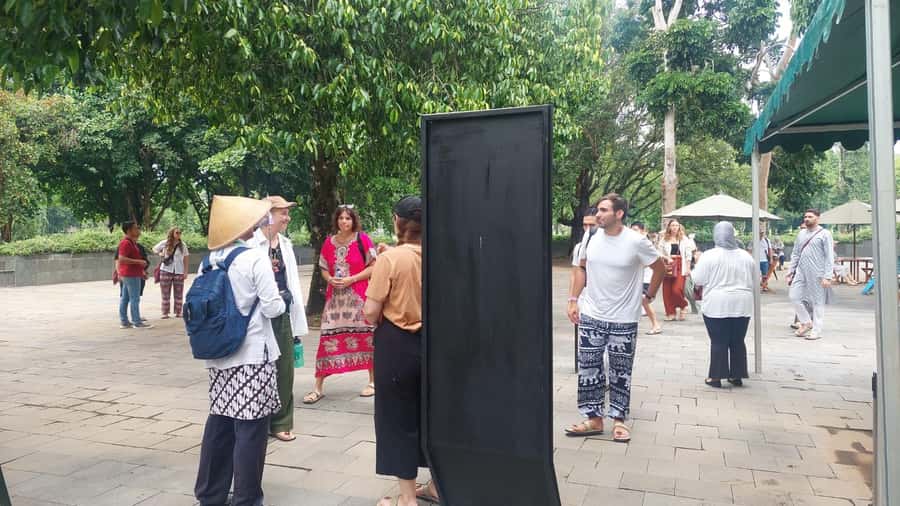
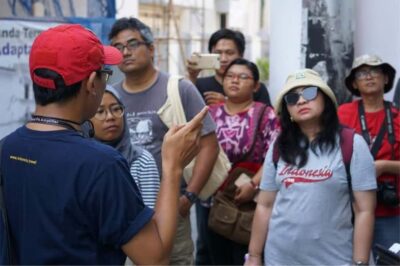
This is where your guide time pays off. You’ll travel with a group guide (and an additional Borobudur guide component) and that helps you avoid the classic mistake of treating the reliefs like random artwork. I love when a temple like this becomes readable.
As you move through Borobudur, keep your attention on three things:
- The relief storytelling: You’re surrounded by panels, so pick a few and track them. Don’t try to see everything; try to understand a slice of it.
- The Buddha statues: Seeing the statues repeatedly across levels makes the whole place feel intentional—like steps in a spiritual journey rather than a sightseeing stop.
- The transitions between levels: The nine platforms help you notice how the temple “guides” you upward and then toward the dome.
You’ll probably feel tempted to rush for the highlights. Don’t. The best part of Borobudur, in my view, is watching how your perspective changes as you climb. The climb creates a rhythm. When you slow down, the architecture and symbolism stop feeling like a blur.
Prambanan’s ShivaGraha: Hindu Temple Scale You Can Feel
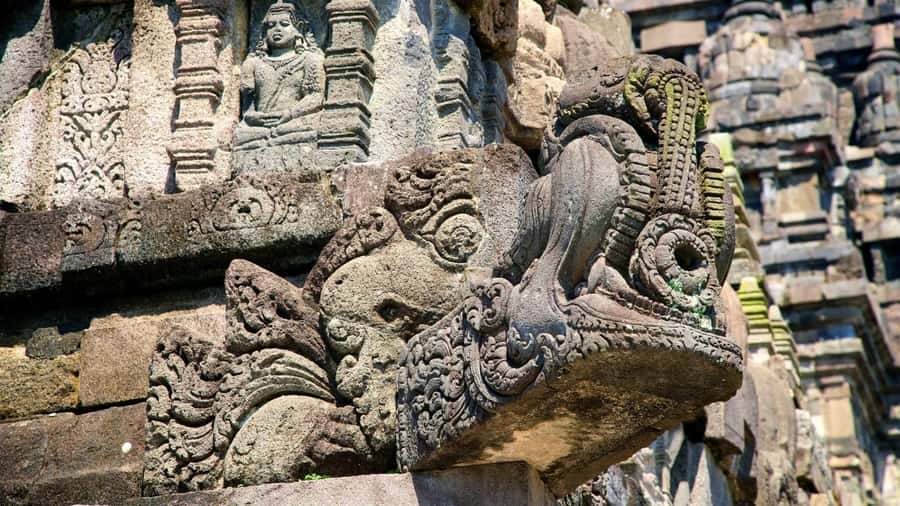
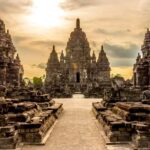
After Borobudur, Prambanan hits like a second act. If Borobudur is a Buddhist monument of layered meaning, Prambanan is Hindu temple power—big, dramatic, and built for worship.
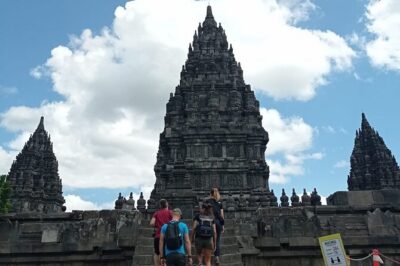
Prambanan is also known as ShivaGraha, and it dates to the 9th century. It was built during the Mataram Kingdom’s rule under Rakai Pikatan. If you like history with dates, this one comes with names you can remember.
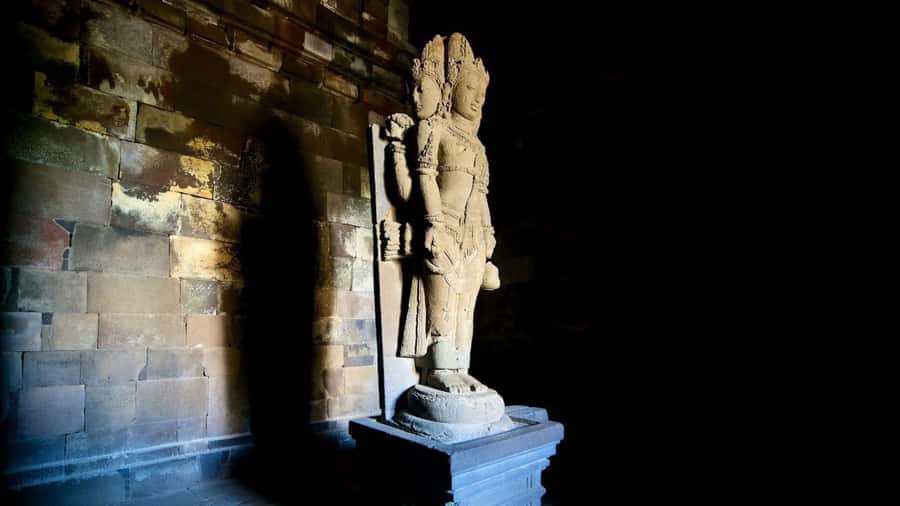
The temple is dedicated to the Hindu Trimurti—Brahma (creator), Vishnu (preserver), and Shiva (destroyer). Even if you’re not deep into Hinduism, you’ll feel the structure’s intention. The architecture is designed to communicate importance and hierarchy, not just aesthetics.
One practical consideration: Prambanan can feel like you’re moving in big open spaces, then stepping into tight temple zones. If you get overstimulated easily, take short pauses and refocus. You’ll enjoy the details more if you don’t treat it like a race.
Sewu Temple in the Prambanan Compound: The Part You’ll Actually Remember
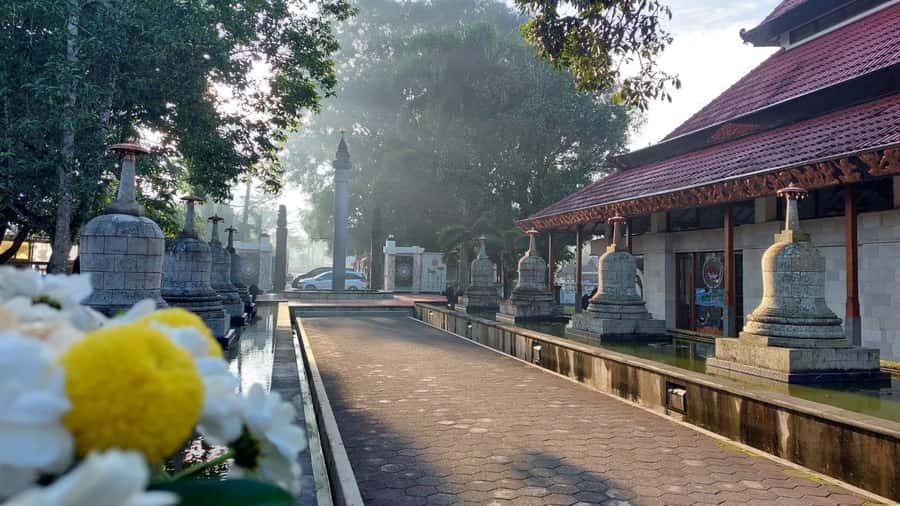
The Prambanan complex includes Sewu Temple, and this is a highlight many people miss when they only chase the main sights. With this experience, you get time to explore Sewu Temple within the Prambanan area.
The vibe here is different. You’re still in a major historic compound, but it’s easier to slow down and let the architecture work on you. The description of the experience as getting lost in Sewu isn’t just poetic—it matches the feeling you get when you’re walking through temple spaces with enough visual complexity to keep your attention engaged.
If you want one reason this trip is more than “two temples,” it’s this: you don’t just tick off Prambanan. You also get a quieter section of the compound that helps the day feel more rounded.



Transportation and Timing: How to Make an 8–10 Hour Day Work
This tour runs 8 to 10 hours, with hotel pickup and drop-off included. You ride in an air-conditioned car, and it’s organized as a small group limited to 5 participants. That small group size is a real advantage here, because temple days can get crowded and chaotic fast.
Pickup is included, and you should be ready about 5 minutes before the pickup time you receive. A tight morning plus possible early sunrise means being late can throw off the whole flow.
Here’s how I’d think about your mental game for the day:
- If you choose sunrise, plan to be out early and accept that the sky has the final vote.
- In daytime, slow down at Borobudur so the reliefs and Buddha statues connect for you.
- At Prambanan, give yourself enough time to move between the main temple experience and Sewu Temple, rather than trying to do everything in one quick scan.
Lunch is not included, so you’ll want to account for meal timing. If you’re the type who gets grumpy when hungry, consider bringing a snack you can carry. (The tour does provide mineral water.)
Price and Value: Is $36 a Smart Deal?
At $36 per person, this isn’t just “cheap temple tickets.” You’re paying for a bundle of practical benefits that usually cost extra when booked separately:
- Hotel pickup and drop-off
- English-speaking driver in an AC vehicle
- Group guide plus additional guidance in Borobudur
- Mineral water
- Skip the ticket line
Then there’s the big “what about tickets?” question: the entrance ticket is IDR 950,000 per person, collected early during the trip. That fee isn’t included in the $36, so you should budget for it upfront.
Is it still good value? In my opinion, yes—mainly because the day is built around moving between three major experiences without you managing the logistics. The guide and small group setup can save time and reduce stress, especially on busy temple days.
If you’re comparing to DIY travel, DIY can work. But you’d likely spend time coordinating pickup timing, transport, and guides at the temples. This tour reduces that friction.
What’s Included vs. Not Included (So You Don’t Get Surprised)
Included:
- Hotel pick up and drop off
- Group guide and upanat in Borobudur
- Mineral water
- English-speaking driver
- Air-conditioned car
- Skip the ticket line
Not included:
- Entrance ticket: IDR 950,000 per person (collected early)
- Guide in Prambanan (optional)
- Personal expenses
- Lunch
That last line matters. If you want a full meal planned, you’ll need to handle it on your own. The good news: the ride and temple flow are set, so you can focus on where you’re eating rather than how you’re getting from one site to the next.
Tips to Pack and Behave: Make the Day Easy
You’ll walk and climb, so pack like you’re visiting historic sites on foot.
Bring:
- Comfortable shoes
- Sunglasses
- Hat
- Sunscreen
- Comfortable clothes
Not allowed:
- Alcohol and drugs
If you’re sensitive to heat, sunscreen and a hat do more work than you think. And don’t underestimate the comfort factor of shoes—temples don’t care about your blisters.
Who This Trip Suits (and Who Should Skip It)
This tour fits best if you want a concentrated Java day: one sunrise option, one deep architectural visit, then one major Hindu temple compound.
It’s also a good fit for:
- First-time visitors who want structure and guidance
- People who like both Buddhist and Hindu temple traditions in one outing
- Anyone who enjoys getting close to temple details, not just quick photos
It’s not suitable for:
- People with mobility impairments
- People over 95 years
So if your travel style is “walk a bit, look a lot,” you’ll likely love this format. If your mobility is limited, consider different arrangements.
Quick Reality Check Before You Book
Here’s the honest decision checklist I’d use.
Book this tour if:
- You want small group comfort and a guided Borobudur climb
- You care about understanding temple symbolism through reliefs and Buddha statues
- You like the idea of seeing both Borobudur and Prambanan in one day
Skip or reconsider if:
- You’re mainly chasing sunrise and can’t handle the possibility of cloudy or rainy conditions
- You don’t want a schedule that’s full from start to finish
FAQ
FAQ
How long is the Sunrise Setumbu, Borobudur, and Prambanan tour?
The duration is 8 to 10 hours.
Is the Setumbu Hill sunrise optional?
Yes, the sunrise from Setumbu Hill is optional.
What is the price of the tour?
The price is $36 per person.
What entrance fees do I need to pay?
Entrance ticket fees are IDR 950,000 per person, collected during the trip.
What is included in the price?
It includes hotel pickup and drop-off, a group guide and upanat in Borobudur, mineral water, an English-speaking driver, and an air-conditioned car, plus skip the ticket line.
Is lunch included?
No, lunch is not included.
Will I have an English guide?
You’ll have an English-speaking driver, and there is a group guide involved for Borobudur. A guide in Prambanan is optional.
How big is the group?
It’s a small group, limited to 5 participants.
What should I bring?
Bring comfortable shoes, sunglasses, a hat, sunscreen, and comfortable clothes.
Is the trip refundable?
Yes, it offers free cancellation up to 24 hours in advance for a full refund.
Final Verdict: Should You Book This Temple Combo?
If you want one Java day that covers Borobudur, Prambanan, and Sewu Temple without juggling logistics, this is a strong choice. The standout is the Borobudur climb inside the structure plus the chance to take in Prambanan’s ShivaGraha and then wander Sewu for a more memorable, less rushed feel.
Just go in ready for early timing and possible sunrise disappointment. If that doesn’t stress you out, you’ll leave with two very different temple worlds—and a clear understanding of what you’re looking at.