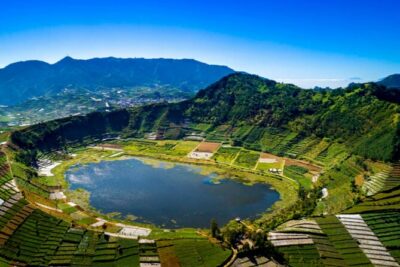
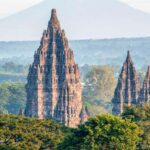
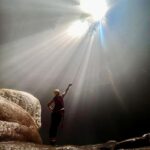
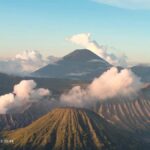
Waterfall views with Merapi behind. That combo is why this day trip feels different from the usual Yogyakarta routine, pairing Kedung Kayang waterfall in Mount Merapi’s national park with the calmer Selo griyo rice terraces area and a short walk to Selogriyo Temple.
I also like how the day is designed for movement, with real walking through local neighborhoods and paths that give you viewpoint moments without being a full-on marathon. One watch-out: it’s an active day with stairs and uneven paths, so you’ll want decent shoes and a moderate fitness level.
I like that the trip stays small, with a maximum of 5 travelers, which makes it easier to get practical help with pacing and photos. I also love the local touch: you’ll pass through residential areas tied to farmers’ daily life, and at the terraces you can chat with locals and even spot buffalo ploughing if you get lucky.
The only possible drawback for some people is that meals aren’t included, so you’ll need to plan for hunger during the 8–10 hour day.
In This Review
- Key highlights at a glance
- Why Kedung Kayang and Selogriyo are worth the drive
- Getting to the sites: timing, pickup, and what a “small group” changes
- Stop 1: Kedung Kayang Waterfall inside Mount Merapi National Park
- Stop 2: Selogriyo Temple and the 2 km walk through terraces
- The local-factor you’ll feel most: farmers, routines, and friendly conversations
- Pacing and practicalities for an 8–10 hour trek day
- What to pack: the small items that save your day
- Price and value: what $45 covers and where it can feel tight
- Who this tour fits best (and who should consider something else)
- FAQ
- FAQ
- How long is the Hidden Waterfall & Selogriyo Rice Terraces trek?
- Is pickup from my hotel included?
- Are entry tickets included for Kedung Kayang and Selogriyo?
- How much walking is involved?
- What should I bring for comfort?
- Is meals included in the price?
- Can I cancel and get a full refund?
- Should you book this trek from Yogyakarta?
Key highlights at a glance
- Less-visited nature stop at Kedung Kayang, with Mount Merapi as a backdrop
- A mix of stairs + trails, including a walk that can bring you to different waterfall angles
- Selogriyo Temple access via a ~2 km walk, with slopes that aren’t steep
- Rice-terrace time you control, including optional descents for photos and closer views
- Small group size (max 5) and English-speaking guidance like Fajar, Salma, Marman, and Yeldhy
Why Kedung Kayang and Selogriyo are worth the drive
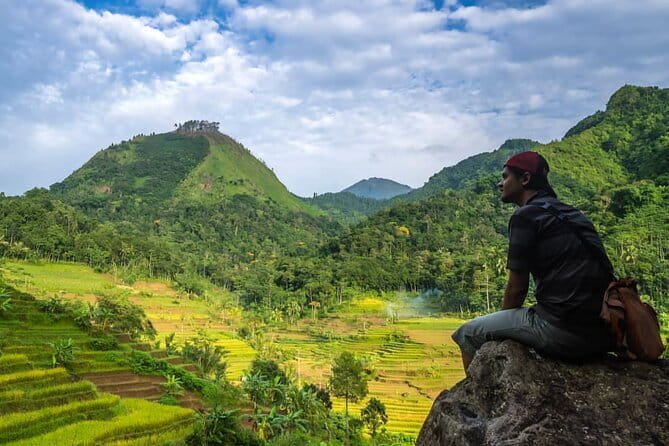
Most people in Yogyakarta plan their days around the big-name temples. This is a smarter approach if you want to see Central Java beyond the postcard. Kedung Kayang is in the Mount Merapi national park area, which means you’re not just looking at a waterfall. You’re getting a wider volcanic backdrop, with views that can shift depending on where you stand.
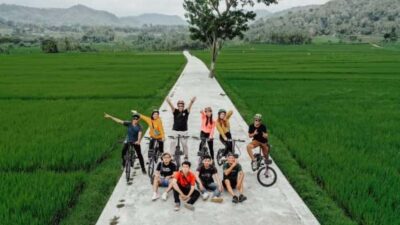
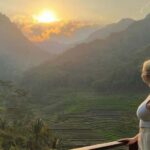
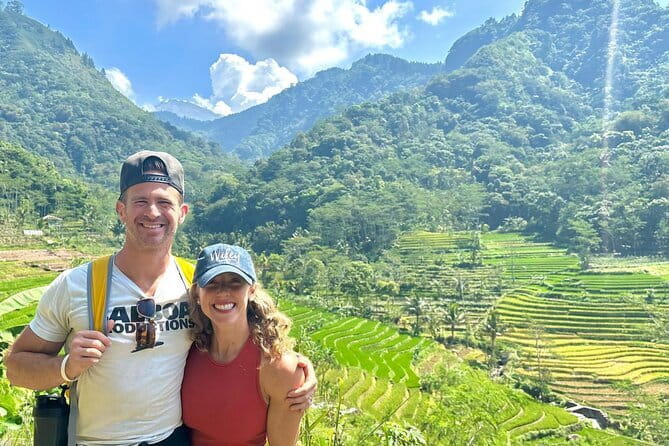
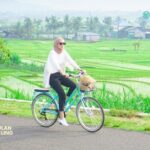
Then Selogriyo adds another kind of beauty: rice terraces with breathing room. Instead of racing through viewpoints, you get time to walk around, take photos, and talk with farmers. The value here isn’t only scenery. It’s the feeling of stepping into routines that don’t revolve around tour buses.
You can also read our reviews of more hiking tours in Yogyakarta
Getting to the sites: timing, pickup, and what a “small group” changes
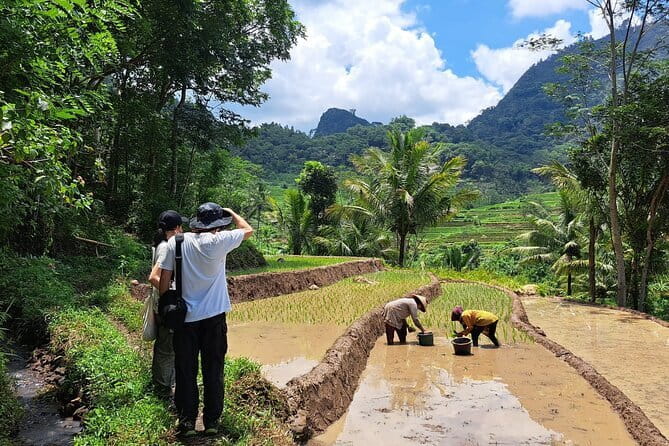
This is an all-day outing, typically 8 to 10 hours, starting with pickup from your hotel (offered). The drive to Kedung Kayang is about 1.5 hours, and the rhythm of the day is set up to keep you moving without feeling rushed at each stop.
Transport is handled by an air-conditioned vehicle, and bottled water is included. For many travelers, that matters more than it sounds—Java heat can build quickly once you’re out of the car. Also, the group size is capped at 5 travelers, which usually means a calmer day and less waiting around for everyone to catch up.
One more practical note: the day runs long enough that not having a meal included can sneak up on you. If you’re the type who gets cranky when lunch disappears, pack a snack you can save for later.
Stop 1: Kedung Kayang Waterfall inside Mount Merapi National Park
Your first major hit is Air Terjun Kedung Kayang. The standout detail is location: it’s inside Mount Merapi National Park. That context changes the vibe. You’re not just seeing water coming down a slope—you’re often framing it with the volcano scenery in the background.
After about 1.5 hours driving from Yogyakarta, you reach the waterfall entrance. You’ll notice signage that indicates different paths—one up, one down. That’s your cue that you can get the waterfall from multiple angles, depending on how you want to walk. There are stairs involved, and you can choose to climb upward for a higher perspective.
The timing at this stop is about 1 hour 30 minutes, including the walk and viewing time. That’s a good length for a waterfall visit because it gives you chances to:
- find a viewpoint that suits how you like to photograph,
- soak in the moment without feeling trapped in one spot,
- and still be ready for the next leg of the day.
If you want to get closer to the waterfall, plan for wet ground. The trip strongly suggests waterproof sandals for that reason. In practice, it’s about safety and comfort. If your shoes soak through too fast, you’ll feel it for the rest of the hike.
Stop 2: Selogriyo Temple and the 2 km walk through terraces
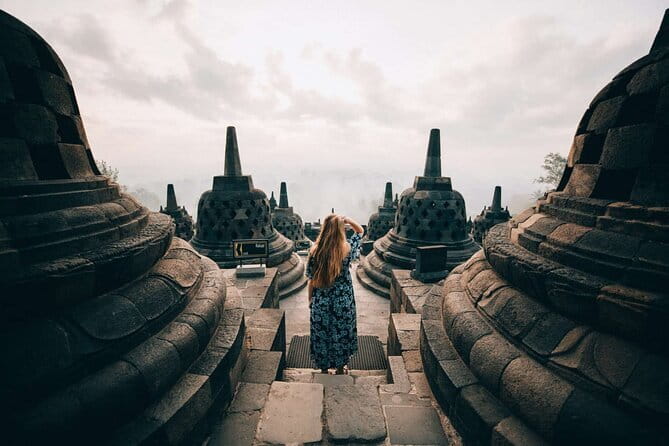
After the waterfall, the day shifts from volcano-water drama to rice-terrace calm. You’ll head toward Selogriyo, and the experience starts before you even reach the fields.
From the carpark area, your driver walks you through a stretch of local residences, where you get a glimpse of farmers’ daily life. It’s a small detail, but it helps the stop feel like part of the community instead of a standalone photo spot. Then you reach the entrance booth to buy your ticket, and after a short walk you’ll arrive at a viewpoint opening to the terraced area below.
From there, you can choose how active you want to be. You can go down through the rice terraces yourself, enjoy the views, take photos, and get closer to the working farmland. If you’re lucky, you’ll see buffalo being used for ploughing. And because the terraces are still part of local life, you may get the chance to chat with farmers who are described as extremely friendly.
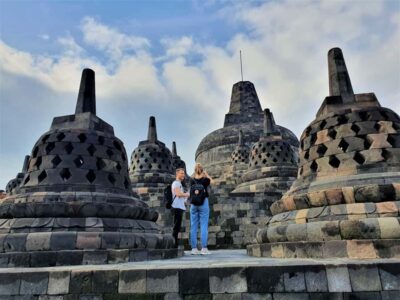
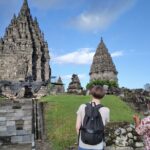
Next comes Selogriyo Temple. The walk to the temple is about 2 km and is described as not difficult, with slopes along the way but not steep climbs. The sensible takeaway: this is manageable hiking, not a technical trek. Still, bring gear that helps on uneven ground. The terrain is rural, and comfort matters more than athleticism.
The local-factor you’ll feel most: farmers, routines, and friendly conversations
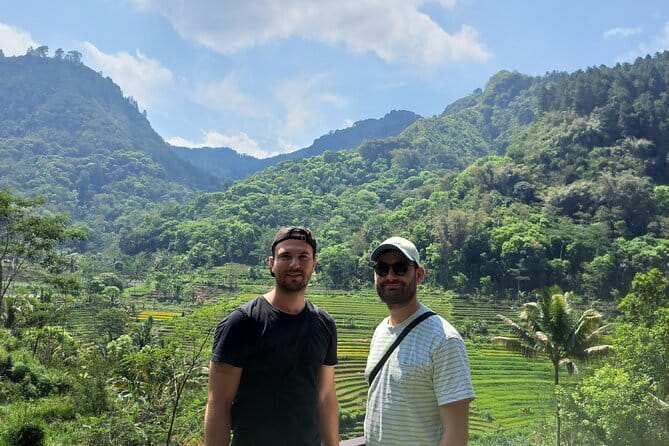
What makes this day special isn’t only the physical stops. It’s the human layer that comes with them.
At Kedung Kayang, you’re in a protected natural area where you can focus on movement and views—then your day pivots to farm life. At Selogriyo, you’re actually walking through areas connected to residences and agriculture. That’s why the terraces stop feels meaningful instead of staged.
In the real-world flow of the day, the guide plays a big role. I’ve seen this sort of tour rise or fall based on who’s holding the thread, and here you’re usually in good hands. People have highlighted guides like Fajar, Salma, Marman, and Yeldhy for clear English and thoughtful explanations. Even when you’re just asking small questions—what you’re looking at, how farming works, what’s happening around you—good guidance makes it easier to connect instead of just collecting photos.

Pacing and practicalities for an 8–10 hour trek day
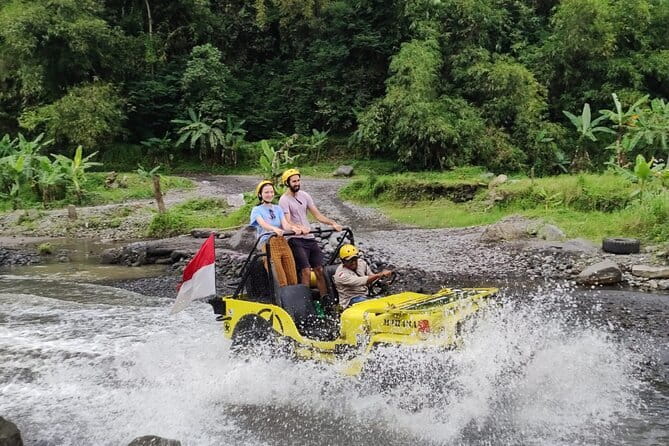
This is a long day, but it’s built with breaks and viewing windows. Kedung Kayang gives you about 1.5 hours. Selogriyo includes around 2 hours plus walking time for terraces and the temple approach.
It helps to think of the schedule like this:
- Drive and arrive, then hike and view at the waterfall.
- Shift to Selogriyo with a viewpoint and terrace time that you can control.
- Walk the temple approach without treating it like a mountain summit.
Plan for the full loop back to your hotel. The drive back from Selogriyo is listed as about 2 hours, which is why the day totals 8–10 hours overall.
Also, since meals aren’t included, treat snacks as optional only if you genuinely don’t mind getting hungry. The day is active enough that waiting until you’re back could be too late for comfort.
What to pack: the small items that save your day
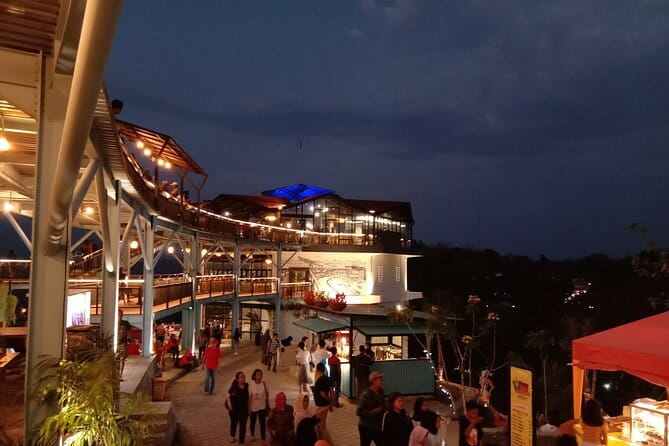
The tour data is pretty direct about comfort needs, and I’d follow it. Key items:
- Waterproof sandals if you want to get closer to Kedung Kayang
- Shoes that handle wet and uneven ground for terrace paths and the temple walk
- Light layers, because you’ll swing between car comfort and outdoor humidity
- A plan for water beyond what’s provided (bottled water is included, but you’ll know your own habits)
You should also come with a mindset of moderate effort. This tour is recommended for travelers with moderate physical fitness. That matches what you’ll do: stairs and some slopes, plus a walk through terraces.
Price and value: what $45 covers and where it can feel tight
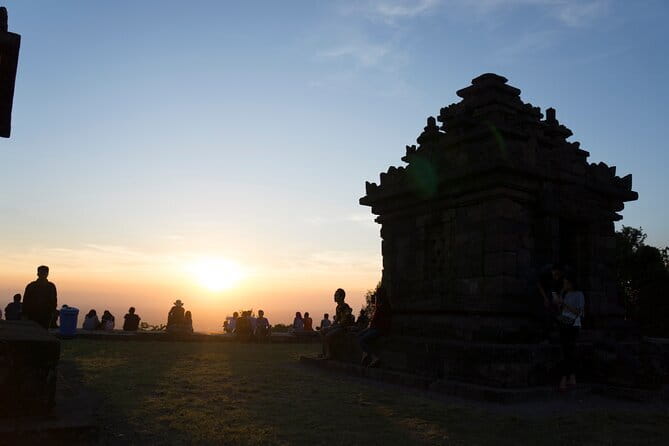
The price is $45 per person, with admissions included for Kedung Kayang Waterfall and Selogriyo Rice Terraces. You also get an English-speaking driver, air-conditioned vehicle, and bottled water.
For many people, the best value angle here is simple: you’re paying for a full-day experience that combines transport + entry tickets + guidance. Without those pieces, you’d likely spend similar money just stitching together separate rides and paying admissions yourself.
Where it can feel tight: meals aren’t included. So your actual daily cost depends on what you choose to eat and when. If you already know you’ll buy lunch and a drink, budget for it.
Finally, the tour size cap (max 5) is part of the value. It’s easier to get attention, ask questions, and keep the pace comfortable when you’re not in a crowd.
Who this tour fits best (and who should consider something else)
I’d recommend this trek to you if:
- you want a break from the main temple circuit and prefer nature + rural farm scenery,
- you’re comfortable with an active day that includes stairs and walking,
- you like meeting locals through conversation instead of just passing by,
- and you want an English-speaking guide who can explain what you’re seeing.
You might choose a different option if you:
- dislike wet conditions and stairs,
- need a very minimal walking day,
- or don’t enjoy long drives and a schedule that runs most of the daylight hours.
FAQ
FAQ
How long is the Hidden Waterfall & Selogriyo Rice Terraces trek?
The tour typically lasts 8 to 10 hours.
Is pickup from my hotel included?
Pickup is offered.
Are entry tickets included for Kedung Kayang and Selogriyo?
Yes. Kedung Kayang Waterfall admission and Selogriyo Rice Terraces admission are included.
How much walking is involved?
You’ll do a 1 hour 30 minutes experience at Kedung Kayang and a 2 km walk related to Selogriyo Temple. The overall day includes additional walking on the terrace paths.
What should I bring for comfort?
The tour recommends bringing waterproof sandals if you want to get closer to the waterfall.
Is meals included in the price?
No. Meals are not included.
Can I cancel and get a full refund?
Yes, you can cancel for a full refund if you cancel at least 24 hours before the experience’s start time.
Should you book this trek from Yogyakarta?
If you want a day that feels more like real Central Java than a checklist, I’d book it. The mix of Mount Merapi backdrop waterfall at Kedung Kayang and the rice-terrace walking time at Selogriyo is a great pairing, especially with the small group size and English-speaking guidance.
Book it with confidence if you’re good with stairs, wet ground potential, and a long day without included meals. Skip it if you want an easy, sit-down-only experience or you’re short on time.
If you’re aiming for a specific guide experience, note that this tour is often booked ahead of time (on average about 21 days). That’s a quiet sign it’s popular—and for good reason.