REVIEW · YOGYAKARTA
Yogyakarta Rice Terraces Hike and Kedungkayang Waterfall
Book on GetYourGuide →Operated by Onim · Bookable on GetYourGuide
Temple meets rice fields today.
This is a Java day built around three strong beats: Selogriyo Temple, working farmland, and Kedungkayang Waterfall—all stitched together by an English-speaking guide who keeps the day human, not just scenic. You’re not stuck in a bus queue either, since entry is handled and you’ll skip the ticket line.
I especially like how the walk connects stone, food, and daily life. The Selogriyo Temple stop gives you a real sense of place in a setting that feels more like worship and pilgrimage than a photo stand. Then the rice terraces and gardens turn the “look at the view” moment into something more practical: sustainable farming that supports local livelihoods.
One consideration: the waterfall section can be the most demanding part. Expect uneven ground and a late approach where you might end up clambering and crossing a river in slippers or barefoot, so plan for wet feet and a good grip.
In This Review
- Why Selogriyo + rice terraces + Kedungkayang works so well
- Selogriyo Temple: a 9th-century pilgrimage site you can actually feel
- Walking the Java rice terraces: sustainable farming you can see up close
- What the hike is really like: rugged paths, sun, and practical comfort
- Kedungkayang Waterfall: the fun part with a late-stage challenge
- Guides drive the day: Septa, Sigit, Aguz, Ipung, and safety-first vibes
- Duration and timing: 6 to 10 hours that add up fast
- Private group value: skipping the ticket line and keeping things smooth
- Price and value: why $40 can make sense (or not)
- Who this hike is best for (and who should skip it)
- Should you book this Selogriyo and Kedungkayang day?
- FAQ
- How long is the Yogyakarta Rice Terraces hike and Kedungkayang Waterfall trip?
- What’s included in the tour price?
- Are meals included?
- Do I need to buy tickets for the temple?
- Is the guide available in English?
- Is this tour private?
- What should I bring for the hike?
- Is it suitable for wheelchair users or people with mobility impairments?
- Is alcohol allowed during the tour?
- Is there free cancellation?
Why Selogriyo + rice terraces + Kedungkayang works so well
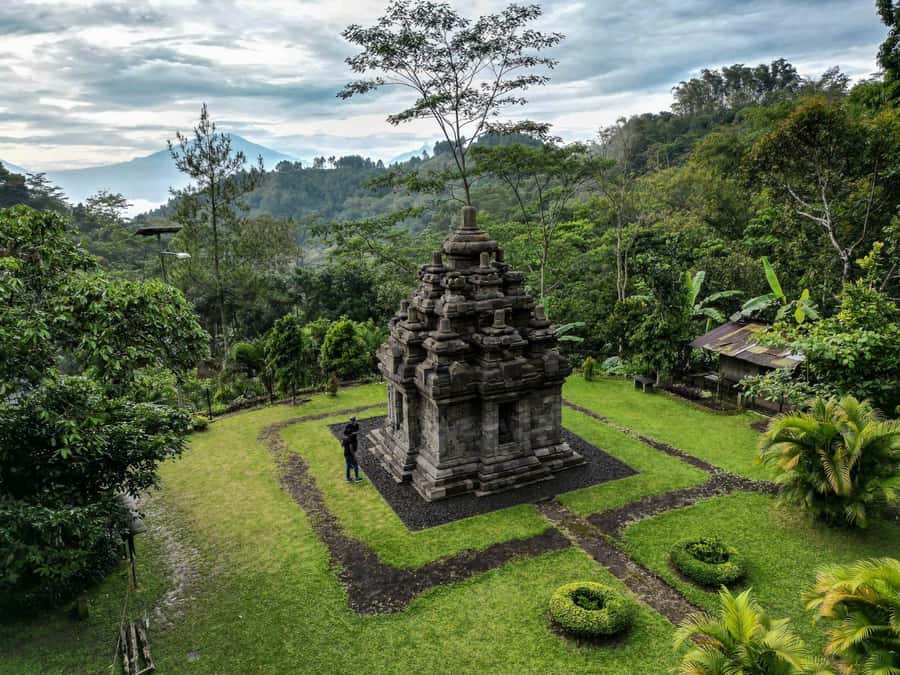
- Selogriyo is old-school and still spiritual, dating back to the 9th century and set in a hill forest feel rather than a city center
- Rice terraces are more than scenery, because you’ll walk through areas tied to sustainable farming and community life
- Your guide actually teaches, including plants, flowers, fruit, and animals—names and uses, not just generalities
- Kedungkayang rewards effort, with a hidden-feeling waterfall visit that can include a tricky final approach
- Private group means you can move at the pace of the day, with room for stops and questions during the hike
- Transport is handled for you, with hotel pickup/drop-off and an air-conditioned car for the ride back
Selogriyo Temple: a 9th-century pilgrimage site you can actually feel
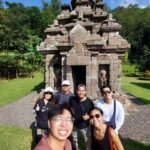
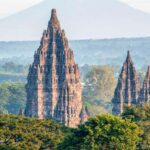
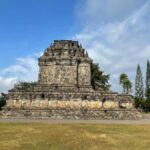
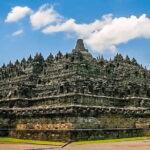
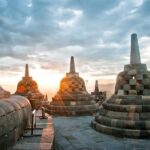
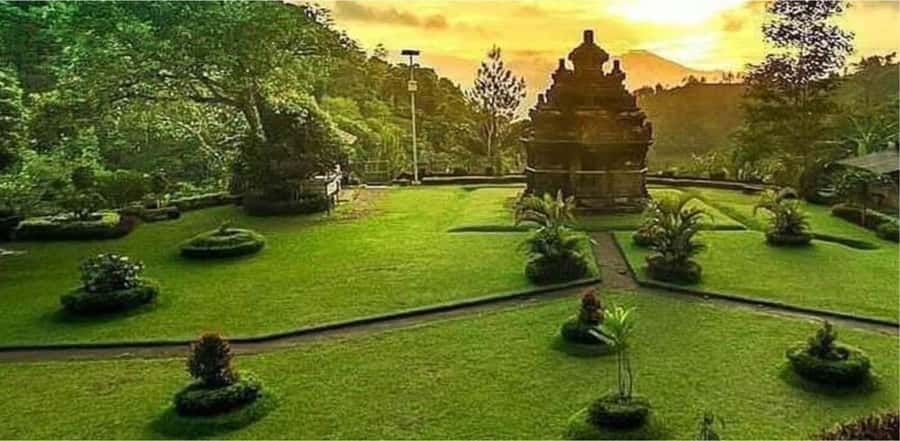
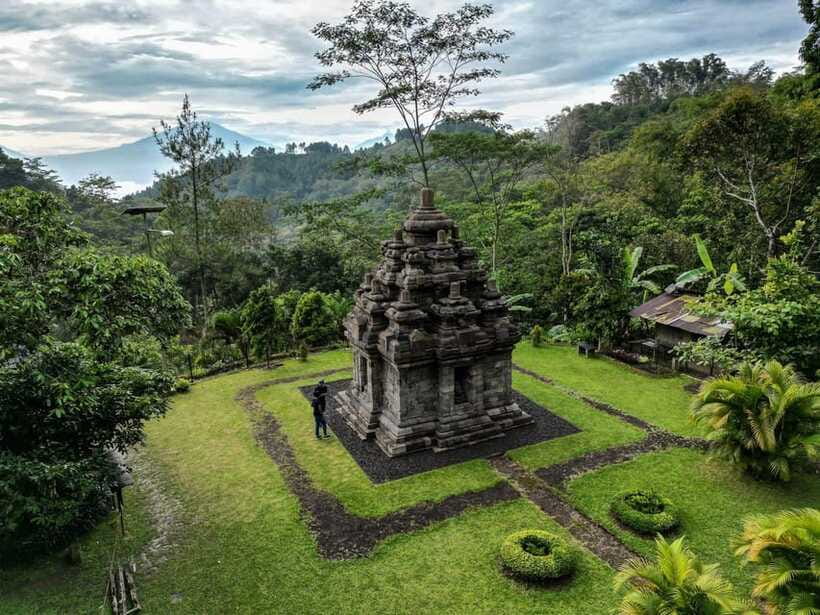
The day starts with a trek toward Selogriyo Temple, an ancient site dating back to the 9th century. This is not a “stand here and move on” stop. You get time to look closely at carved stone reliefs and statues, and the setting helps you understand why people come here for worship and pilgrimage.
The temple is described as a small stop, but that’s part of the charm. Instead of rushing through dozens of things, you notice details—stonework, layout, and the overall calm of the area. When you’re in the hills, the temple reads less like a museum and more like a continuing place of meaning.
If you like photos, you’ll get them. But I’d treat this as a “slow observation” moment. The carvings reward patience, and you’ll get more from the visit when your guide points out what you’re looking at.
You can also read our reviews of more hiking tours in Yogyakarta
Walking the Java rice terraces: sustainable farming you can see up close
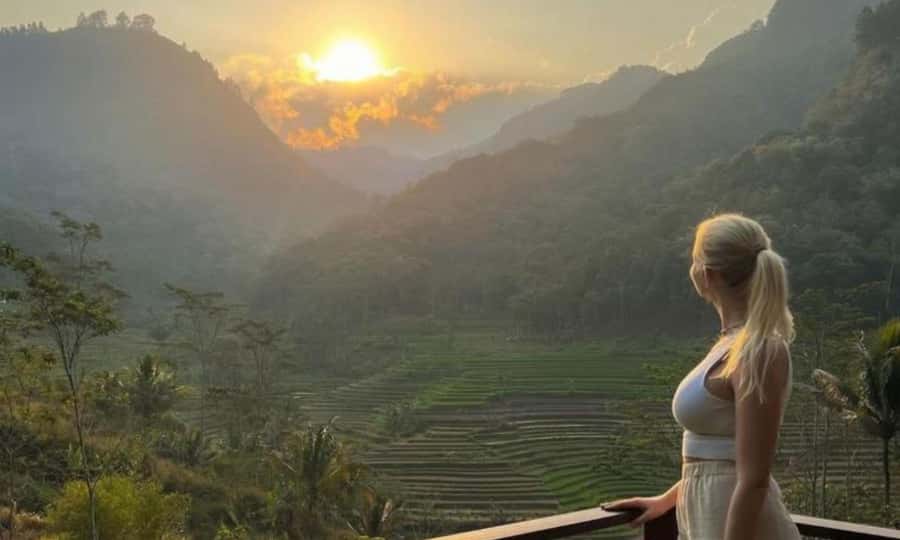
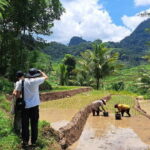
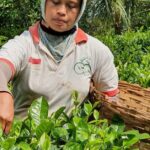
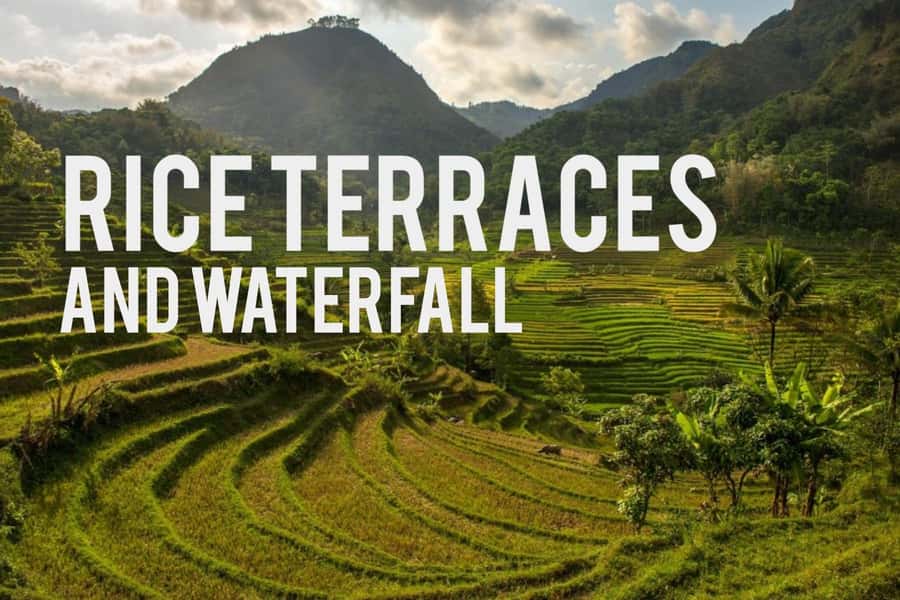
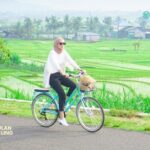
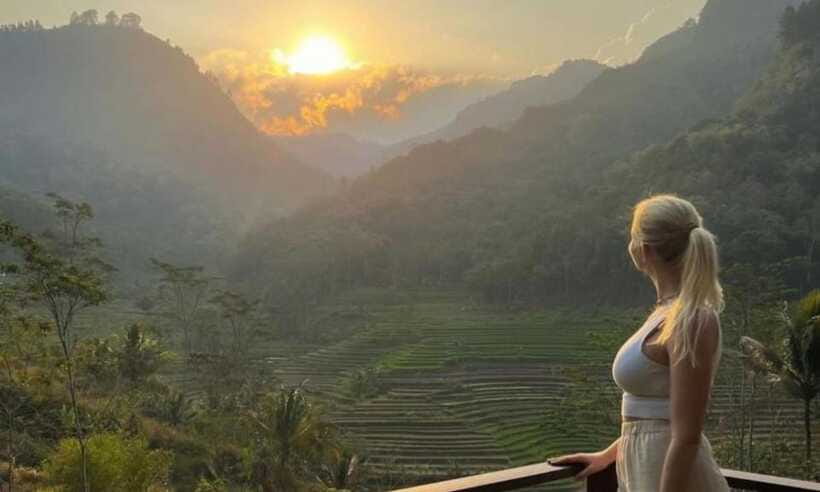
After the temple, you move into the rice-terrace and vegetable-garden area. This is the section that turns a typical sightseeing day into something more grounded, because you’re walking through working agriculture.
Here’s what makes it valuable: terraces aren’t only pretty. They’re a farming system that helps manage water and supports ecological balance, while also creating a living for the community. As you pass through the fields, you’ll get context on why this pattern of terraces matters and how it’s maintained.
I also love how the day encourages conversation. Guides bring you past locals along the way, and the whole walk feels more like meeting a place than just consuming it. One guide (Sigit) was highlighted for sharing lots about local flowers/plants/fruit and animals, and that kind of detail makes the fields feel alive even when you’re not talking to every person you see.
Tip: keep your pace steady and your camera ready, but don’t rush the learning parts. If the guide points something out, that’s usually the exact moment that makes the walk feel special.
What the hike is really like: rugged paths, sun, and practical comfort
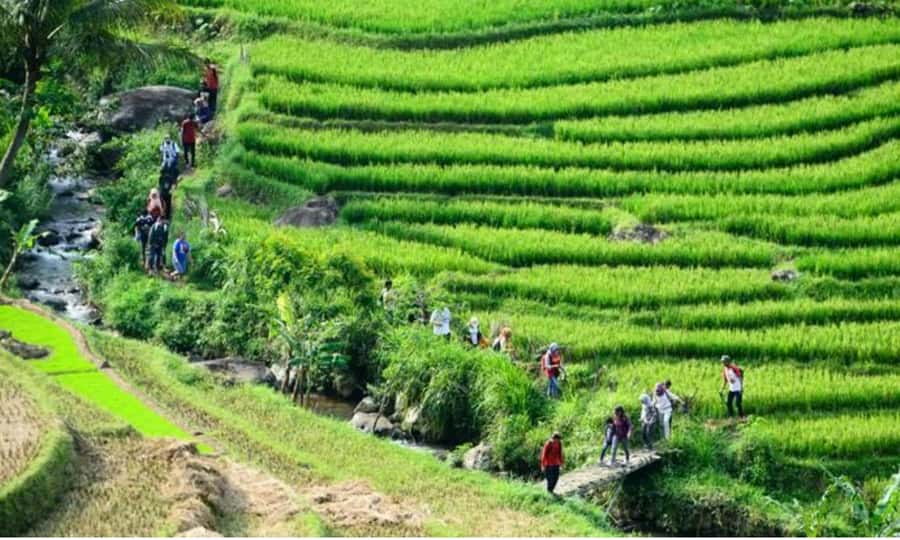
The terrain is described as rugged, and the trip timing suggests you’ll spend a big chunk of the day walking outside. Weather can vary, so you should expect sun one moment and a sudden change the next.
For comfort, bring the basics that keep you moving:
- Comfortable shoes with grip
- Hat, sunscreen, camera
- Water (you’ll have some, but plan on more)
I’ll be blunt: trekking shoes are worth it here. Even if parts feel easy, you’re still on uneven ground, and the goal is to finish the day with energy for the waterfall, not with sore ankles and regret.
Also, remember the tour focuses on culture and stops, not speed. You’ll likely pause along the way when your guide wants you to see something specific—flowers, plants, or animals—so don’t treat it like a forced march.
Kedungkayang Waterfall: the fun part with a late-stage challenge
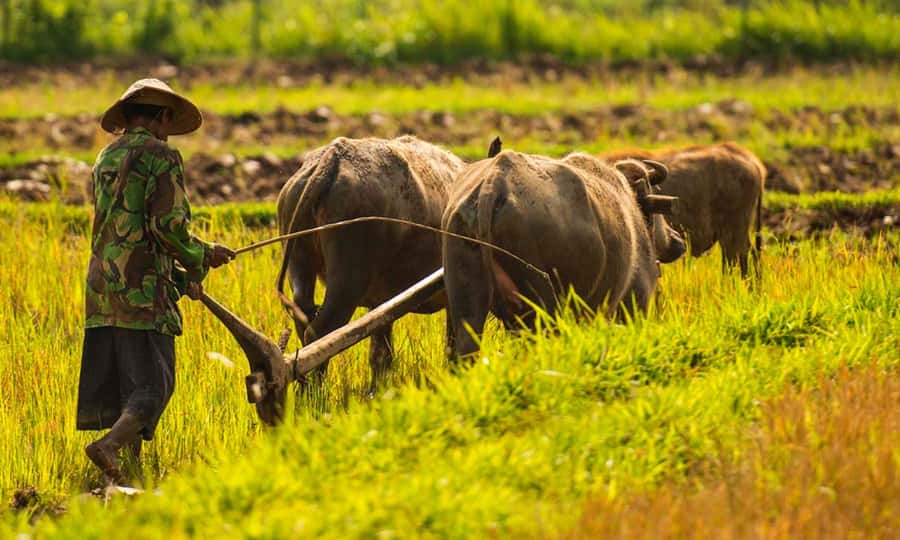
Then you shift gears to Kedungkayang Waterfall. The whole point of this stop is that it feels hidden and rewarding after the hike. You’ll make your way to the waterfall area, and the final approach is where the adventure kicks in.
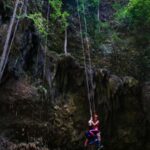
In the most detailed accounts, the walk to the bottom of the falls is described as challenging. There’s clambering involved, and you may cross the river twice using slippers or barefoot. That’s not for everyone, and it’s not the kind of waterfall visit where you can stay clean and dry the whole time.
How to handle this well:
- Wear shoes you don’t mind getting wet or scuffed
- Keep your hands free if you have a camera (use a secure grip)
- Accept that the waterfall part is not just “walk and pose”
If you go in expecting an easy stroll, you’ll feel surprised at the end. If you go in prepared for a bit of scrambling, you’ll have a much better time.
Guides drive the day: Septa, Sigit, Aguz, Ipung, and safety-first vibes
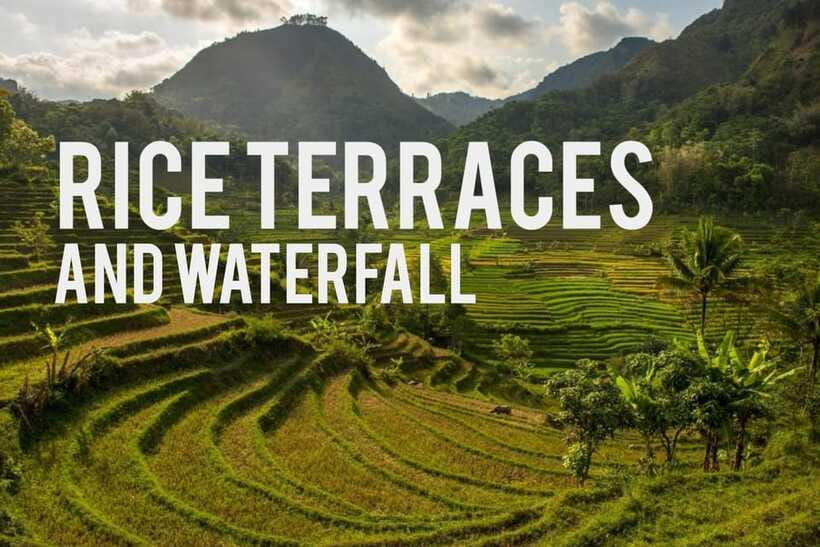
This tour stands or falls on its guide. The strongest feedback is consistent: English-speaking guides who are attentive, flexible, and genuinely interested in the people and plants you pass.
You may meet different guides, and names that came up include:
- Septa, noted for explaining local flowers/plants/fruit and animals, and for stopping often to show you what you discussed
- Sigit, praised as friendly and talkative, with local knowledge that kept the day from feeling like a rushed checklist
- Aguz, described as helpful and attentive, making the whole route feel smoother
- Ipung, highlighted for being knowledgeable and for working around your requests
That matters because the best parts of the day aren’t only physical. They’re interpretive: understanding what you’re walking through and who depends on it.
One more practical note: safe driving and comfortable transportation were specifically mentioned, and that’s not trivial in places where roads can be winding. With hotel pickup/drop-off and an air-conditioned car, you spend less time worrying and more time enjoying.

Duration and timing: 6 to 10 hours that add up fast
The trip runs 6 to 10 hours. The range exists because starting times depend on availability and how the day plays out on the ground. Plan your schedule loosely around it. A day that includes temple time, terrace walking, and a waterfall approach can easily stretch.
A small but helpful logistics point: hotel pickup includes a 10-minute waiting window at the lobby. If you’re not ready, the day can feel less relaxed than it should.
Also, because this is a private group, you won’t be blended into a massive crowd. That’s a real quality-of-life upgrade for a hiking day—more flexibility for stops and fewer awkward bottlenecks.
Private group value: skipping the ticket line and keeping things smooth
This is a private group tour with an English host/greeter and a driver guide. Entrance fee and the driver as guide are included, along with pickup and drop-off.
You’ll also skip the ticket line, which saves time you’d otherwise lose to basic admin. In a half-day hike, that matters more than you’d think—hours add up quickly when you’re outside walking.
Included items you’ll appreciate:
- Pickup and drop-off to your hotel
- Entrance fee
- Driver as guide (English)
- Air conditioning car
- Bottle of water
What’s not included:
- Meals and drinks
- Personal expenses
I’d treat food as a “bring a simple plan” situation. Even though the tour encourages you to bring water and food, meals aren’t part of the package. A snack strategy keeps your energy steady for the waterfall part.
Price and value: why $40 can make sense (or not)
At $40 per person for a 6–10 hour private day, the value depends on what you want most: guidance, convenience, or independence.
Here’s what you’re paying for:
- Local English guidance while you walk through temple and farming areas
- Entrance handling and skipping the ticket line
- Hotel pickup/drop-off plus air-conditioned car comfort
- A structured route that doesn’t require you to piece together temple timing and rural paths on your own
If you’re traveling without a local guide, this kind of route is harder than it sounds. A lot of value is in knowing where to go and what you’re seeing, not just in having legs that can walk.
The only clear “cost to remember” is meals. Since meals and drinks aren’t included, you may want to budget a little extra so you don’t feel rushed later in the day.
Who this hike is best for (and who should skip it)
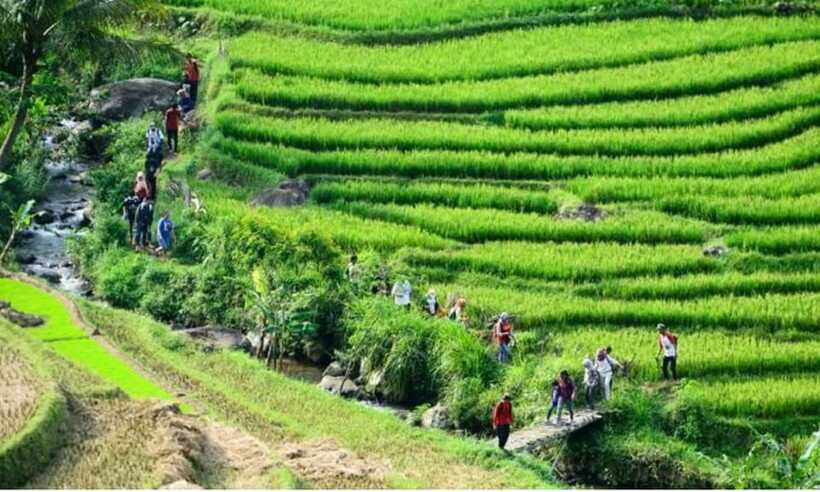
This experience is a strong match if you like:
- Moderate trekking with real steps and uneven terrain
- Temple visits that feel connected to local life
- Walking through rural rice and vegetable areas where you’re learning, not just looking
It’s also a good fit for people who prefer avoiding crowds, since the group is private and the pace tends to feel more flexible.
Skip it if:
- You have mobility impairments or use a wheelchair
- You want an easy, fully smooth walk and a completely dry waterfall visit
And one more practical rule: alcohol and drugs aren’t allowed, so keep the day straightforward.
Should you book this Selogriyo and Kedungkayang day?
I think you should book it if you want a Java day that mixes culture with walking through working farmland, then finishes with a waterfall that feels like a reward. The temple stop is meaningful, the rice terraces teach you something useful, and the best part is that the guide attention makes the day feel personal—whether that’s Septa’s plant explanations, Sigit’s lively talk, Aguz’s helpfulness, or Ipung’s flexibility.
Don’t book it if you need a very gentle route and a no-scramble waterfall. The late-stage approach at Kedungkayang can be the most intense moment, with possible river crossings and clambering. Go prepared, and it turns into one of those days you remember for the right reasons.
FAQ
How long is the Yogyakarta Rice Terraces hike and Kedungkayang Waterfall trip?
The duration is listed as 6 to 10 hours, depending on availability and starting times.
What’s included in the tour price?
It includes hotel pickup and drop-off, entrance fee, a driver who acts as a guide, an air-conditioned car, and a bottle of water.
Are meals included?
No. Meals and drinks are not included.
Do I need to buy tickets for the temple?
No. You’ll skip the ticket line.
Is the guide available in English?
Yes. The host/greeter is listed as English.
Is this tour private?
Yes. It’s a private group.
What should I bring for the hike?
Bring comfortable shoes, a hat, camera, sunscreen, and water (and it’s smart to have food as well, since meals aren’t included).
Is it suitable for wheelchair users or people with mobility impairments?
No. It’s not suitable for people with mobility impairments or wheelchair users.
Is alcohol allowed during the tour?
No. Alcohol and drugs are not allowed.
Is there free cancellation?
Yes. You can cancel up to 24 hours in advance for a full refund.