Short rides, surprising Jogja. I like how this tour blends local kampong life with heritage stops you usually miss, and I especially like the way your road captain uses Javanese culture stories and writing to explain what you’re seeing. The main catch: it’s still a bike tour—11 km on flat roads—so it’s not a fit if you have back issues, and it’s not suitable for pregnant women.
What makes it work for real life is the tight timing. In about three hours, you cover enough ground to feel like you left the postcard route behind, with flat cycling and multiple short stops for conversation, photos, and snacks. Reviews also call out guides like Alfat/Alpha for storytelling that connects Chinese temple and sultan-palace areas to everyday Javanese culture, not just facts.
And yes, there’s practical value here. You get the bike, refreshments, an eco string bag, and even a small charity component via mangrove planting—so you’re not just paying for the ride, you’re paying for an experience with local ties and a purpose.
In This Review
- Key highlights I’d plan around
- Meeting Moana Bike Tour and getting rolling on Jogja time
- The ride: 11 km of flat cycling with cultural stops
- Kalicode riverside: where rural life meets the city
- Kampongs and Chinese temple stories: heritage as part of daily life
- Sultan’s palace and old palace areas: big names, human scale
- Visit local industry: a practical look at how things get made
- Refreshments on the move: signature tastes, not tourist snacks
- Mangrove planting charity: a small action that adds meaning
- What you’ll actually get for $46: value that goes beyond the bike
- Who this tour fits best (and who should skip it)
- Should you book Explore The Hidden Gems of Jogja?
- FAQ
- How long is the cycling tour?
- How far will I cycle?
- What’s included in the price?
- Where do I meet the tour?
- Will the guide speak English?
- Are there different starting times?
- Is this tour suitable for everyone?
- What’s the cancellation policy?
- Can I book without paying right away?
Key highlights I’d plan around
- Off-the-beaten-path pacing: 3 hours, 11 km, and a flat route that keeps the focus on people and places, not fitness.
- Riverside Kalicode area: you cycle along the Kalicode riverside in a more rural-feeling stretch of the city.
- Heritage beyond the usual photos: temples, old palace areas, and sultanate locations that aren’t typically in guidebooks.
- A road captain who explains culture: English/Indonesian guidance with stories and references to Javanese writing.
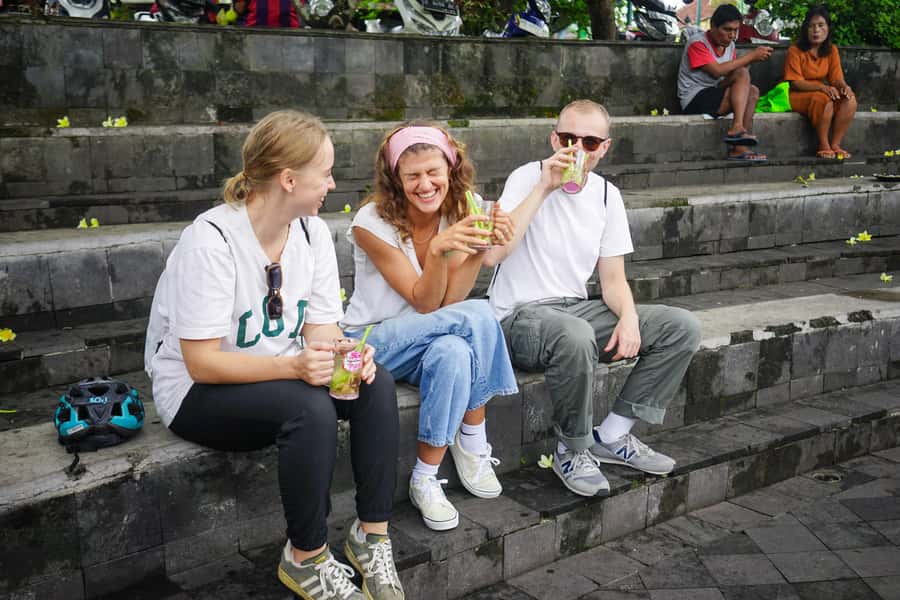
- Stops for local refreshments: you’ll try signature drinks/snacks as part of the ride.
- More than sightseeing: a visit to local industry and a mangrove planting charity component.
Meeting Moana Bike Tour and getting rolling on Jogja time
Your tour starts outside the fence near a Moana Bike Tour sign. Look for the road captain wearing a blue jacket, and you’ll be directed from there. The tour provider is MOANA Bike Tour, and the plan runs about 3 hours, with starting times you can check when you reserve.
I like tours that begin with a clear, easy-to-find meeting point. It saves time, especially in Yogyakarta, where moving between areas can feel quick on a bike and slower on foot.
Before you set off, expect the usual prep—bike setup and a quick briefing. The route is flat and totals 11 km, so once you’re comfortable on the saddle, you’re not going to be white-knuckling hills. That matters because the goal is cultural observing and conversation, not a workout challenge.
You can also read our reviews of more cycling tours in Yogyakarta
The ride: 11 km of flat cycling with cultural stops
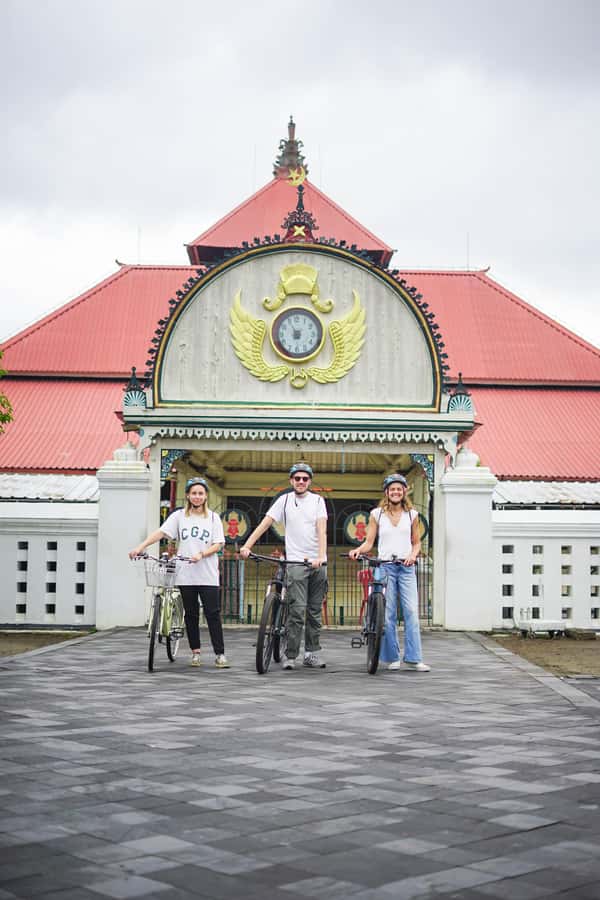
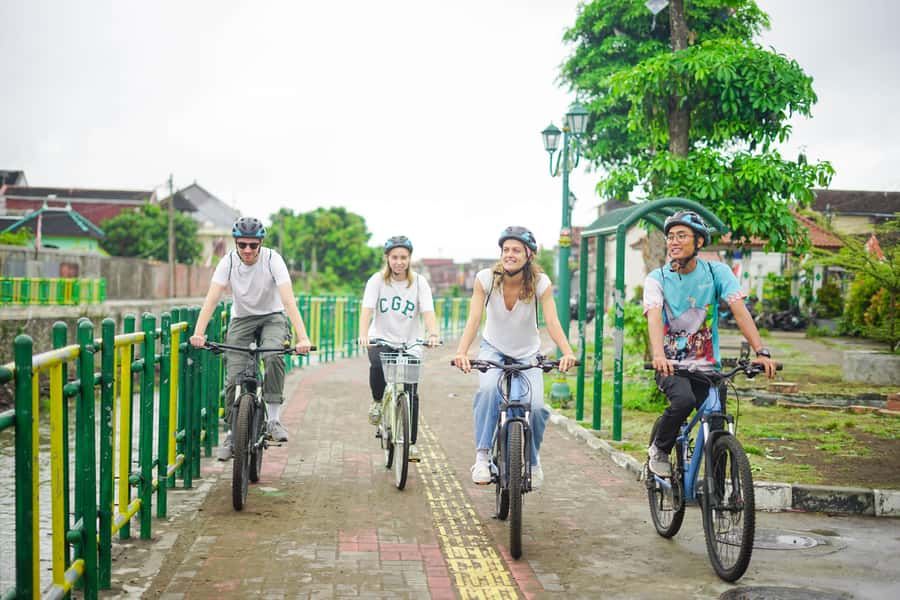
This isn’t a long-distance cycling day. You’ll pedal roughly 11 km through hidden parts of Jogja, and the route stays flat. That means you can keep your energy for the stops—when you’ll actually notice the details: how people live in their neighborhoods, what kinds of heritage sites show up in local daily life, and how the stories your road captain shares connect everything.
A good sign you picked the right tour is when you feel like the ride supports the experience, not the other way around. Here, the cycling is the tool. You’re using the bike to reach places at a human speed, where locals aren’t just a backdrop for photos.
There’s also an important mindset shift. This tour is built for looking beyond the obvious. If your plan is mainly to tick off the big sights, you’ll feel the difference. But if you want the city’s working side—kampongs, small heritage areas, and local industry—this format makes sense.
Kalicode riverside: where rural life meets the city
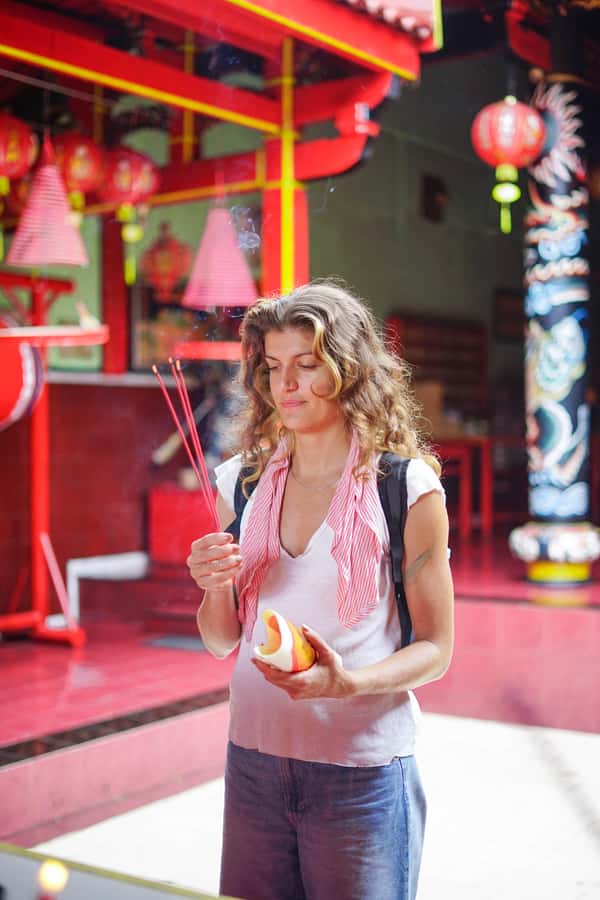
One of the standout parts is the cycling along the Kalicode riverside. The tour doesn’t treat Jogja as only temples and monuments. It takes you into a more rural-feeling stretch where everyday life and local rhythms are easier to spot.
Why I think this matters: the Kalicode area helps you understand Jogja as a lived-in place. You’re not just reading signs and history plaques. You’re moving alongside neighborhoods and seeing how the river corridor connects daily routines, work, and community spaces.
Also, riverside sections tend to make the ride feel smoother. Even when the road itself is simple, the environment usually gives you better breaks—shade, airflow, and moments to reset between cultural stops.
Kampongs and Chinese temple stories: heritage as part of daily life
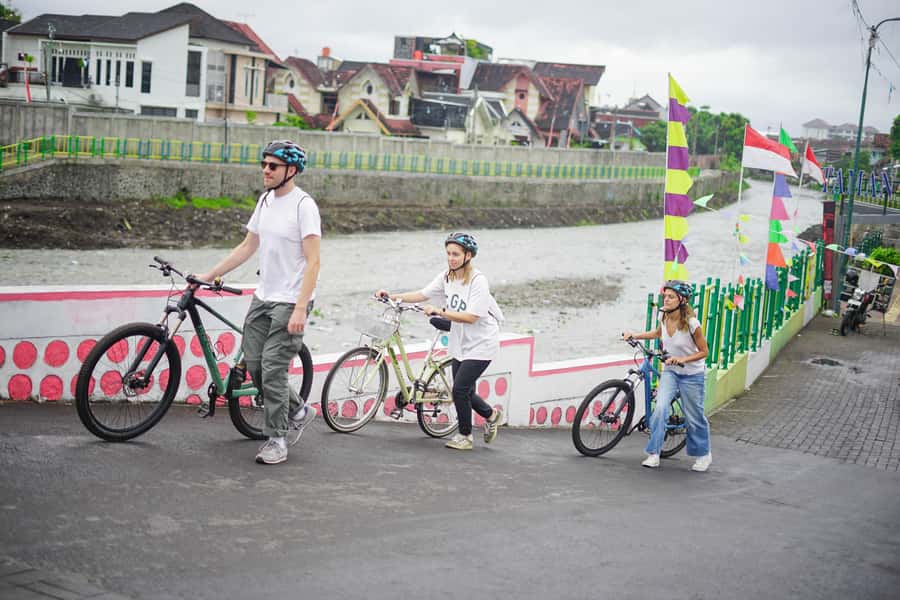
The tour includes heritage stops such as temples and palace areas, and it also includes a stop connected to a Chinese temple. Reviews specifically highlight that your road captain can connect these sites to the story of the local community—kampongs, mixed influences, and how different cultural threads show up in Yogyakarta.
This is where a strong guide earns their keep. A good explanation turns a stop from scenery into context. You’re not only seeing a temple entrance or an old building. You’re learning why it sits where it does, how it fits into local patterns, and how cultural writing and stories help locals interpret what they see.
One more reason I like this approach: it prevents heritage from feeling like a museum display. In a city like Jogja, cultural places often overlap with ordinary life. You’ll notice that overlap more when the tour is designed around neighborhood movement rather than long museum-style time blocks.
Sultan’s palace and old palace areas: big names, human scale
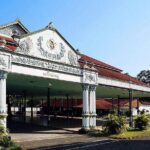
Another major theme is old palace areas and sultanate-related locations. The tour is clear that you’ll visit sites that you might not find in guidebooks, and reviews mention sultan’s palace in particular.
Even without a long list of exact names in the provided details, the structure is what counts: you’re cycling, stopping, and learning in short bursts. That’s a smart way to handle palace-area sites because the most interesting pieces are often the small ones—design choices, symbolic layouts, and the meaning your guide brings to what you’re standing in front of.
If you’re the type who likes history only when it explains the present, you’ll probably enjoy this. The guide’s job here isn’t to recite a timeline. It’s to help you read cultural meaning as you move through the spaces.


Visit local industry: a practical look at how things get made
This tour also includes a visit to local industry. The exact kind of industry isn’t listed in the details you provided, so I won’t pretend there’s a specific workshop name or factory you’ll visit. What you can plan on is a stop that shows local work as part of the city’s real economy.
Why that’s valuable: it complements the heritage stops. Temples and palaces explain identity. Local industry explains continuity—how that identity lives in day-to-day labor and business.
This is also a good moment to ask questions. If you’re curious about what you’re seeing—materials, tools, how people learned their craft—this is the time to use your guide. That’s often where tours become memorable, because the conversation turns into practical insights rather than only sightseeing.
Refreshments on the move: signature tastes, not tourist snacks
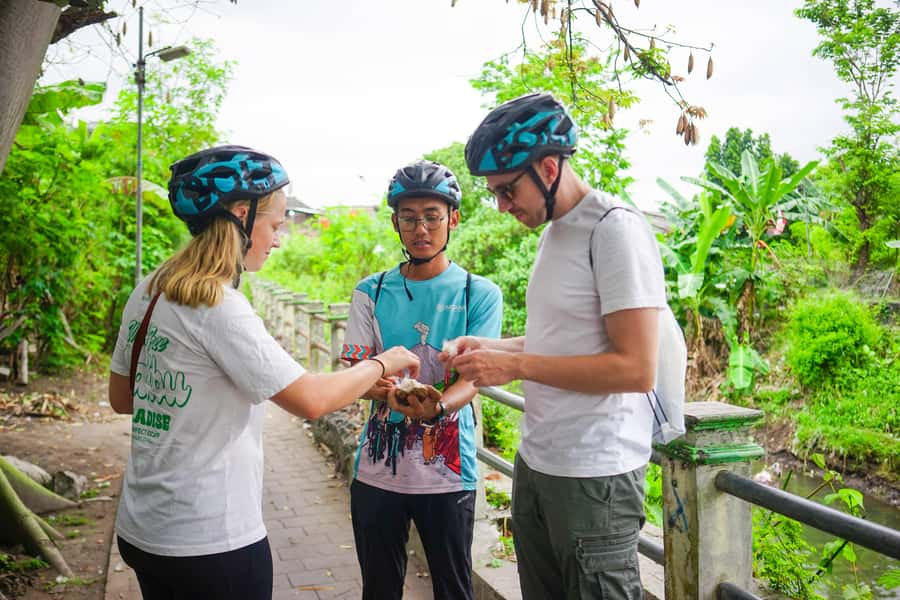
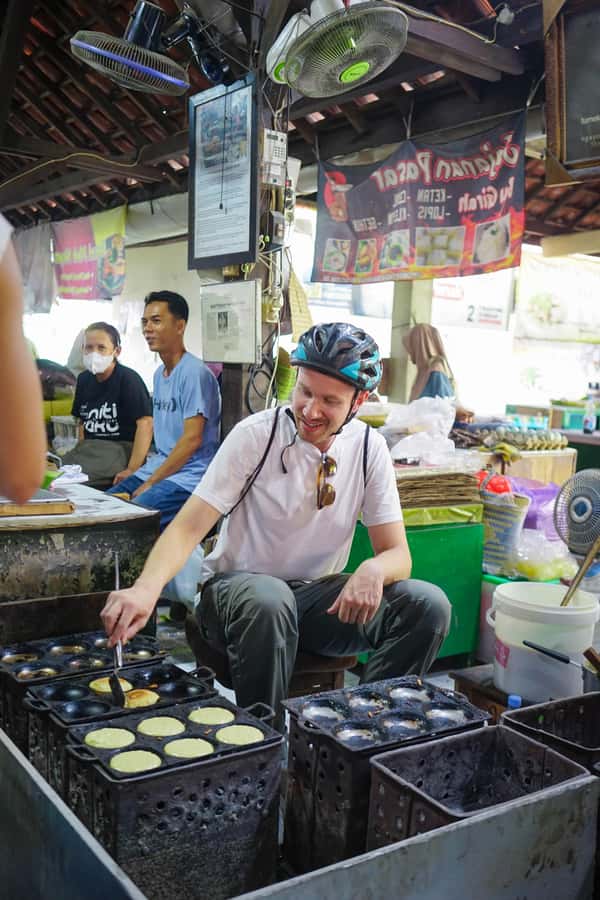
Along the route, you’ll stop to try local signature refreshments. The tour includes snack and drinks, so you’re not scrambling to find food between stops.
I like tours that build eating in as a cultural stop, because it keeps you from doing the “hungry sprint” between sights. It also gives you something to ask about: what a drink is made from, how it’s usually served, and when locals enjoy it. Your road captain’s cultural explanation can make these flavors feel like part of the story instead of a random break.
If you have dietary restrictions, keep that in mind and plan ahead. The details don’t mention vegetarian-only or allergen options, so you’ll want to ask what’s included when you reserve.
Mangrove planting charity: a small action that adds meaning
The tour includes a mangrove planting charity component. It’s not described in detail here—no timeline or method—so I can’t say exactly when it happens during the tour. But it’s clearly part of what you’re paying for.
This kind of add-on can be more than a feel-good line if the tour provider keeps it real—like linking the effort to local environmental needs. Even when the activity is brief, it nudges the tour away from pure consumption and toward something with impact.
What you’ll actually get for $46: value that goes beyond the bike
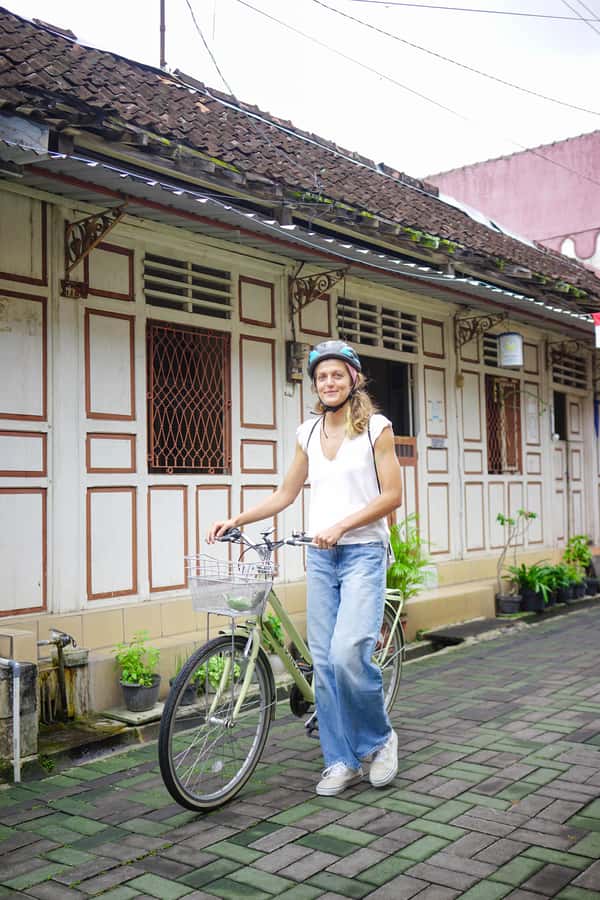
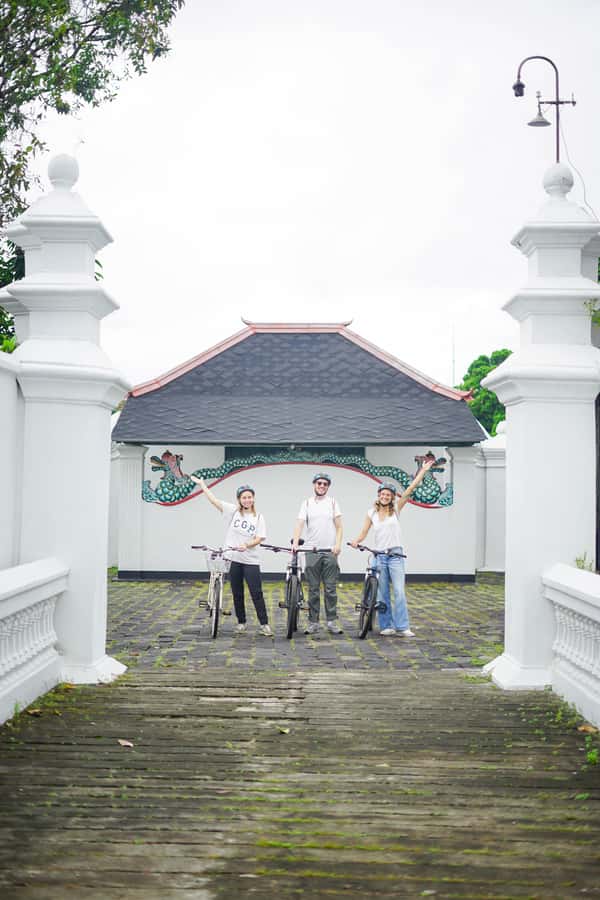
At $46 per person for about three hours, you’re paying for more than “rent a bicycle.” Included items are bike, refreshments (snack and drinks), an eco string bag, local experience, a visit to local industry, and the mangrove planting charity component, plus a live guide in English and Indonesian.
Here’s how I’d judge value: ask what’s hardest for you. If you don’t want to navigate on your own, a guide who can interpret cultural meaning can be worth a lot. If you want food and tastings without figuring everything out, the built-in refreshment stops reduce friction. If you want off-the-beaten-path movement without getting lost, the route structure helps.
For many visitors, the biggest payoff is mental. In a short time, you get an organized flow of places plus human explanations. That’s the part that usually feels worth it, not the wheel time itself.
Who this tour fits best (and who should skip it)
This cycling tour is ideal for people with limited time who still want to see a different side of Jogja. The route is flat, the distance is reasonable, and the tour focuses on culture through conversation and heritage stops.
You’ll likely enjoy it if:
- You like biking but don’t want a strenuous ride.
- You’re curious about kampong life, temples, and sultanate-related sites.
- You value local explanations more than checklists of major landmarks.
You should skip it if:
- You have back problems, since it’s not suitable for that.
- You’re pregnant, since it’s explicitly not suitable.
- You only want big, famous attractions and don’t care about neighborhood-level culture.
Should you book Explore The Hidden Gems of Jogja?
If you want a short, structured ride that mixes riverside Kalicode cycling, heritage stops (including temples and palace/sultanate areas), and local refreshment breaks, then yes—this is a smart booking. The best reason to choose it is the format: bike + guide + neighborhood context in just three hours.
I’d pass if you’re expecting a gentle sightseeing stroll with no cycling, or if your body isn’t ready for 11 km even on flat roads. But for the right match, this tour gives you a way to understand Jogja as more than monuments—through everyday life, stories, and places that don’t show up on every standard itinerary.
FAQ
How long is the cycling tour?
The tour lasts 3 hours.
How far will I cycle?
You will cycle for 11 km. The route is described as flat and passes through hidden city areas.
What’s included in the price?
The tour includes the bike, refreshment snack and drinks, an eco string bag, local experience, a visit to local industry, and a mangrove planting charity.
Where do I meet the tour?
Meet outside the fence at the location with a Moana Bike Tour sign. The road captain will be wearing a blue jacket.
Will the guide speak English?
Yes. The live tour guide is available in English and Indonesian.
Are there different starting times?
Yes. The duration is 3 hours, and you should check availability to see starting times.
Is this tour suitable for everyone?
No. It is not suitable for pregnant women and it’s not suitable for people with back problems.
What’s the cancellation policy?
You can cancel up to 24 hours in advance for a full refund.
Can I book without paying right away?
Yes. You can reserve now & pay later, meaning you pay nothing today.