REVIEW · YOGYAKARTA
Dieng Plateau with Sikunir Sunrise Full-Day Tour
Book on Viator →Operated by Asmaradhana Borobudur Tours · Bookable on Viator
Pre-dawn at Dieng Plateau is pure willpower turned payoff. This full-day ride has Sikunir sunrise at the top of the plan, then keeps moving through sulfur steam, colored-lake drama, and Arjuna Temple history. I love that the schedule is structured enough to hit the main sights without you stressing over timing, and I love having an English-speaking guide in the mix (like Didik and Sigit, both praised for being patient and helpful).
One thing to consider: you start extremely early, with a midnight/1:00am pickup and a day that stretches roughly 12–13 hours, plus meals are not included—so you’ll want to plan for energy management.
In This Review
- Key highlights before you go
- Dieng Plateau at dawn: what makes this day work
- Price and what your $70 actually covers
- Midnight pickup to late finish: the rhythm of the day
- Getting ready for the pre-dawn climb (and the crater feet)
- Sikunir Mountain: the 20–30 minute hike for sunrise payoff
- Batu Ratapan Angin and Telaga Warna: the colored-lake stop after sunrise
- Sikidang Crater: sulfur steam, bubbling mud, and moonlike ground
- Arjuna Temple complex: ten seventh-century temples and the Sipi story
- What the tour gives you beyond the checklist
- Who should book this (and who should think twice)
- Should you book the Dieng Plateau with Sikunir Sunrise tour?
- FAQ
- What time does the tour start?
- How long is the full-day tour?
- How do I get to Dieng Plateau from Yogyakarta?
- Are entrance fees included?
- Is breakfast, lunch, or dinner included?
- Is this tour private?
- What if weather is bad for sunrise?
Key highlights before you go
- Sikunir sunrise timing: a short hike (about 20–30 minutes) to the viewpoint right as the sky wakes up
- Telaga Warna after sunrise: the lake’s color can shift, helped by timing and conditions
- Sikidang Crater spectacle: sulfurous steam and bubbling mud in a dusty, moonlike setting
- Arjuna Temple complex: ten small Hindu temples, dated to the seventh century
- Guides who actually guide: English-speaking support, including patient encouragement on the climb
Dieng Plateau at dawn: what makes this day work
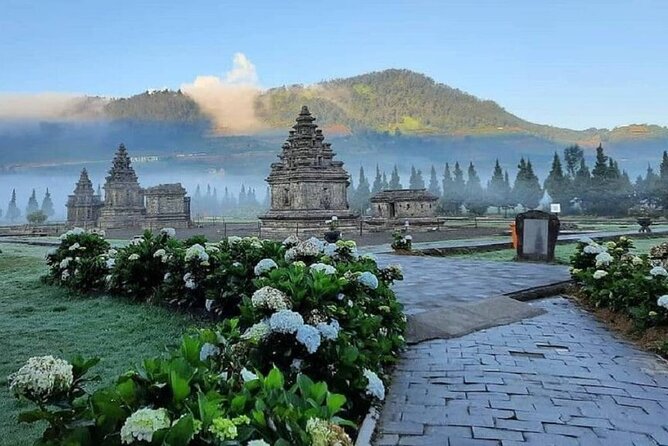
Dieng Plateau is the kind of place where the scenery looks staged, even though nothing is. Mist comes early, the air feels sulfur-adjacent, and the area’s volcanic features are close enough to make you stop and stare mid-sentence.
This tour strings together the best “Dieng hits” in one go. You’re not just seeing one photo spot—you’re moving from a sunrise viewpoint to colored lakes, then to an active crater area, then into the temple complex. The result is a full sensory day: light changing fast, steam rising, and temple stones that connect directly to Java’s deeper past.
You can also read our reviews of more tours and experiences in Yogyakarta

Price and what your $70 actually covers
At $70 per person, this tour is priced in a way that makes sense because the essentials are bundled. You get an air-conditioned vehicle, an English-speaking guide/driver, and parking. Entrance fees for each programmed stop are included too, so you’re not doing cash math at every gate.
What’s not included is food—breakfast, lunch, and dinner are on your own. That doesn’t make the price bad; it just means you should budget for meals (or snacks) so the early start doesn’t steamroll your energy.
Also worth noting: the tour is commonly booked about 30 days in advance. If you’re traveling in peak season or on a tight schedule, booking earlier helps you avoid “sold out” surprises.
Midnight pickup to late finish: the rhythm of the day
Plan on a long day. The start time is listed as 1:00am, and the ride to Dieng Plateau takes about 3 hours by car. That means you’re waking up (or staying awake) in the hours when most people are still dreaming.
The sunrise part is short on time but big on effort. After arriving, you hike about 20–30 minutes from the Sikunir area up to the viewpoint. Once the sunrise moment happens, you keep rolling through the next locations rather than lingering too long.
In real life, that pacing matters. You’ll be walking in the dark and then transitioning into daytime driving and site visits. If you like a clear plan and don’t want to figure out transport between widely separated sights, this tour rhythm is a good fit.
Getting ready for the pre-dawn climb (and the crater feet)
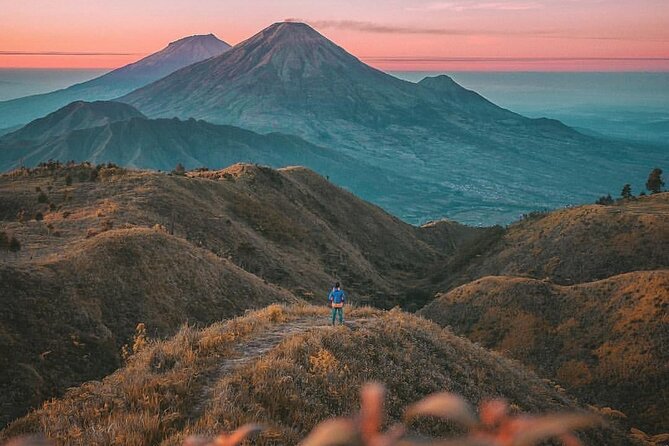
This itinerary includes a viewpoint hike to reach Sikunir sunrise, and it’s described as short—but it’s still a climb. It’s not a trek across the Himalayas, but it is enough that comfortable shoes and a steady pace help.
Here’s what I’d focus on:
- Wear shoes that work on dusty ground, because Dieng areas can be dry and gritty.
- Bring a light layer you can handle in changing mist and early morning conditions. The plateau is described as misty in the overview.
- Keep a small flashlight or phone light handy, since you’ll likely be moving before the sun.
- Expect a lot of standing around for the sunrise moment, then quick transitions between stops.
If you hate early starts, this tour will feel punishing. If you can handle getting up early for a once-per-day sunrise window, it’s the kind of day that makes the drive feel worth it.
Sikunir Mountain: the 20–30 minute hike for sunrise payoff
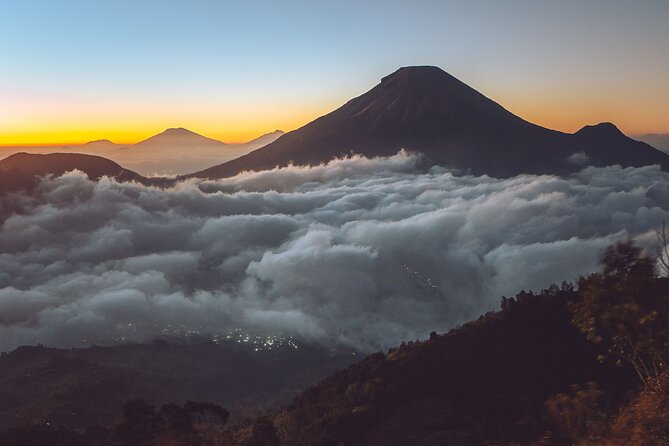
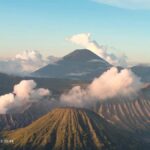
Sikunir Mountain is the heart of the experience. You start from the Dieng Plateau area and hike about 20–30 minutes to reach the sunrise viewpoint on Sikunir Hill. The idea is simple: get up high enough, early enough, to catch the light as it breaks over the plateau.
This is where a good guide really matters. In the feedback, guides like Didik and Sigit stood out for being helpful and encouraging, especially because the climb is short but can feel intense depending on how you pace it. If you’re traveling with anyone who gets nervous about walking in low light, look for that kind of supportive guiding style.
Practical reality: sunrise depends on conditions. The experience is described as requiring good weather. So you’re going for the sunrise with the understanding that clouds can happen.
You can also read our reviews of more tours and experiences in Yogyakarta
Batu Ratapan Angin and Telaga Warna: the colored-lake stop after sunrise
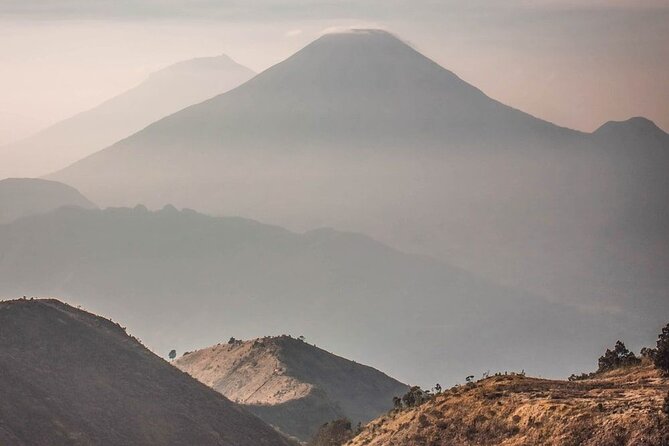
After sunrise, the tour heads toward Telaga Warna Lake. The route includes a ride via Batu Pandang Hill, then you move to Telaga Warna itself.
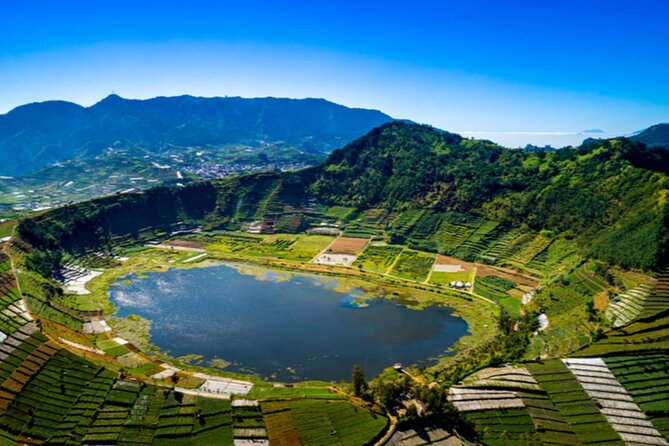
Telaga Warna is famous for a simple reason: its water color can fluctuate. In other words, the lake can look different in different moments, which is why timing and viewing conditions matter. You’re not just checking a box—you’re watching an environmental effect that looks almost like it’s playing with the light.
The stop is about an hour. That’s a good length for staying present without turning it into a half-day “wait and hope” situation. You’ll have time to look, take photos, and soak in the eerie plateau feel without rushing the next segment.
Sikidang Crater: sulfur steam, bubbling mud, and moonlike ground
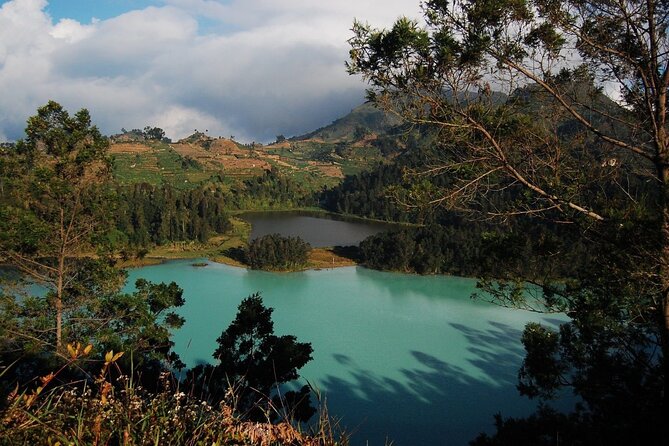
Next comes Sikidang Crater, described as an open sulfur crater with bubbling mud and steam. You’re in a bumpy, dusty area where the ground can feel like it belongs on another planet—hence the moonlike comparison.
This stop is about an hour. That’s enough time to see the steam patterns and keep a respectful distance while still feeling the raw, active side of Dieng. It’s not a museum. The point is the ongoing geology: the angry bubbling mud look and the constant presence of steam.
Two practical notes:
- Expect the area to feel rough underfoot. Keep your footing careful.
- If you’re sensitive to strong outdoor smells or steam, take it slow at the edges and let the guide set the pace.
Arjuna Temple complex: ten seventh-century temples and the Sipi story
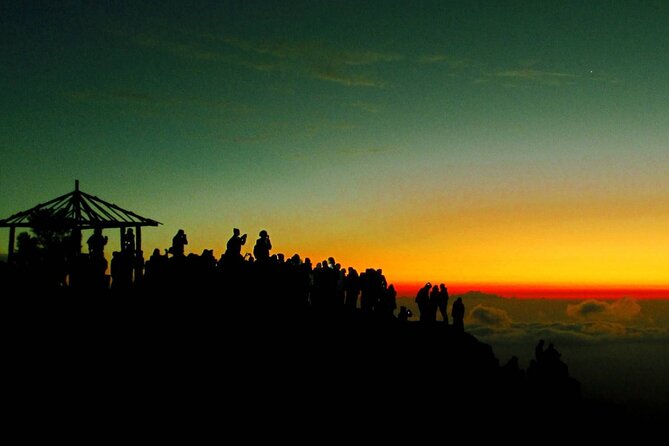
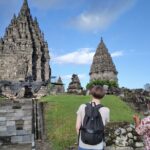
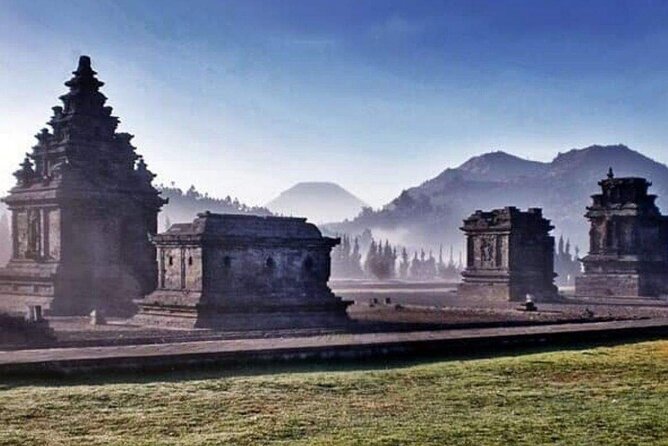
After the volcanic stops, Arjuna Temple offers a calmer kind of wow: ancient stone and a clear timeline. The complex houses ten small Hindu temples dating back to the seventh century, and you’ll spend about an hour here.
This is also where the cultural storytelling becomes part of the value. You’ll hear that the number of temples you can see today is much smaller than what historical references once implied. The tour explanation references Raffles’s History of Java (1817), noting that there were many more temples in the area in the past—contrasted with what you can observe now.
There’s also a local tradition described as Sipi—skill-created temple making. The explanation goes like this: before Sipi makes a temple for the public, Sipi must create a smaller temple in the area and show it to the leader of Sipi. That process is offered as one reason why many temples in the region were created long ago.
Even if you’re not a temple-architecture person, this kind of context changes how you look at the site. Instead of seeing just stones, you start seeing how people organized work, taught craft, and passed authority down over time.
What the tour gives you beyond the checklist
It’s tempting to judge a day tour by how many places you hit. This one has the quantity, sure—but the value is the way it connects them.
You start with the “one chance per day” sunrise moment, then you transition into sights that don’t require you to time every minute yourself. The vehicle with parking and included entrance fees removes a lot of friction. You also get an English-speaking guide/driver, which matters when you’re dealing with geothermal areas and complex temple context.
And the guide quality isn’t vague. The feedback specifically praises guides like Didik for being beyond helpful and Sigit for being friendly and patient, especially with guiding people through the climb to the viewpoint.
Who should book this (and who should think twice)
I think this tour is best for:
- People who love sunrise experiences and don’t mind an early wake-up
- Travelers who want a mix of nature and culture without juggling separate transport
- Anyone who prefers a guide to handle entry points and route flow
- Small groups who want the comfort of a private setup (your group only)
I’d think twice if:
- You hate long days with early mornings (this is roughly 12–13 hours)
- You don’t like walking over dusty or uneven ground
- You strongly prefer meals included in the ticket price (breakfast, lunch, and dinner are not included)
If you’re traveling with older family members, the short hikes can still feel like a big deal because the day starts so early. In that case, you’ll want to be honest about walking comfort before booking.
Should you book the Dieng Plateau with Sikunir Sunrise tour?
Book it if you’re chasing a real sunrise moment and you want Dieng Plateau’s main highlights in one organized day. The included entrance fees, the air-conditioned transport, and the English-speaking guide reduce stress during a time when stress is the last thing you want—pre-dawn.
Don’t book it if your schedule can’t handle a 1:00am start or if you expect your meal costs to be covered. Also keep in mind that the experience requires good weather, so you’re taking part in a nature event, not a guaranteed indoor show.
If you’re deciding between doing it on your own and booking a tour, this one leans toward the easier path: fewer planning headaches, clear stops, and guides who are willing to slow down and encourage you at the viewpoint climb.
FAQ
What time does the tour start?
The start time is listed as 1:00am, with pickup from your hotel in Yogyakarta around that time.
How long is the full-day tour?
The duration is approximately 12 to 13 hours.
How do I get to Dieng Plateau from Yogyakarta?
Pickup is offered from your hotel in Yogyakarta, and the drive to Dieng Plateau takes about 3 hours by car.
Are entrance fees included?
Yes. Entrance fees for the program tour stops are included.
Is breakfast, lunch, or dinner included?
No. Breakfast, lunch, and dinner are not included.
Is this tour private?
It’s listed as private, meaning only your group will participate.
What if weather is bad for sunrise?
The experience requires good weather. If it’s canceled due to poor weather, you’ll be offered a different date or a full refund.