REVIEW · YOGYAKARTA
Sukuh and Cetho Temple Tour from Yogyakarta
Book on Viator →Operated by JAVA BALI TRIPS · Bookable on Viator
Two temples, one long car day. That’s the charm of this full-day route from Yogyakarta: you get Sukuh and Cetho Temple time with a guide’s context, plus a calmer small group (up to 12) feel. I also like that round-trip hotel transport is handled for you. The main trade-off is simple: it’s a 10–12 hour day with hours of driving.
You’ll start with the Radya Pustaka Museum and then move on to the Mangkunegaran Palace, where you can connect the royal story of the Solo area to what you see at the temples later. Then come the temple visits—planned to give you real time there, not a quick photo sprint.
This tour suits you best if you want culture and context, and you don’t mind a moderate fitness level for temple walking. If you’re sensitive to long transit time, plan snacks, water, and a patient mindset.
In This Review
- Key highlights that make this day worth it
- How This Tour Feels Built for Real Temple Time
- Radya Pustaka Museum: A Smart Start Before the Temples
- Mangkunegaran Palace: History With a Human Story
- Sukuh Temple: Unique Form, Better Appreciation With a Guide
- Cetho Temple: A Place People Link to Belief and Story
- Road Time Reality: Plan for the 10–12 Hour Day
- What You’ll Get From the Guide’s Commentary (Not Just Photos)
- Price and Value: Is $155.13 Reasonable?
- Who This Tour Is Best For
- Should You Book This Sukuh and Cetho Temple Day Trip?
- FAQ
- What temples and major stops are included?
- How long is the tour?
- Is hotel pickup and drop-off included?
- How big is the group?
- Are admission tickets included?
- What physical level do I need?
- Is there free cancellation?
- Is there a minimum booking size?
- What’s the mobile ticket situation?
Key highlights that make this day worth it
- Small-group touring up to 12 people for more personal guide attention
- Round-trip hotel pickup and transport from Yogyakarta, with driving time built in
- Radya Pustaka Museum antiques as a strong warm-up before the temples
- Mangkunegaran Palace (2 hours) with a royal-family story tied to Central Java history
- Sukuh (2 hours): a Hindu temple with a noticeably different look than many other Javan sites
- Cetho (3 hours): a spiritual stop backed by local beliefs about enlightenment and safety
How This Tour Feels Built for Real Temple Time
This is a full-day culture route, but it’s designed to protect the two temple visits that usually get rushed. You’re not just dropping in for a snapshot—you’re scheduled for 2 hours at Sukuh and 3 hours at Cetho, which makes a big difference when you’re trying to read the place with your own eyes and not only through your camera.
The other big reason it works is the small group size (up to 12 people). In practice, that means your guide can actually track the group, pause for questions, and give you clearer commentary at the stops that matter most. If you like understanding what you’re looking at—rather than just looking—it’s a strong fit.
Transport is the second half of the “why.” With round-trip hotel pickup included, you can keep your energy for the sites instead of coordinating separate rides between far-flung points. You still spend a lot of the day in the vehicle, but at least that part is smooth and planned.
You can also read our reviews of more tours and experiences in Yogyakarta.
Radya Pustaka Museum: A Smart Start Before the Temples
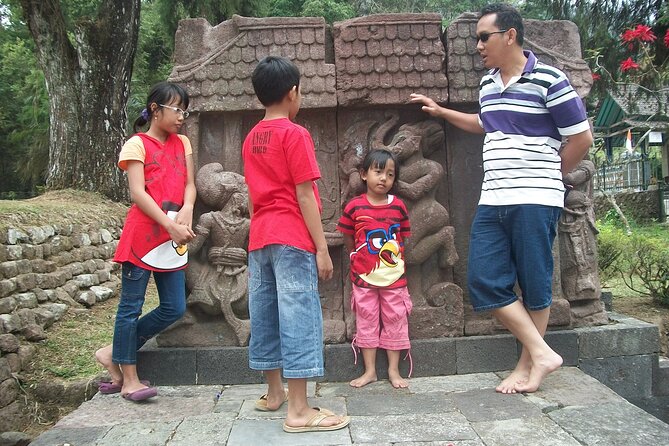
Your day begins with the Radya Pustaka Museum, known for its antique collection. This stop is more than a warm-up. It helps you switch your brain from modern travel mode into historical-objects mode.
Antiques are also a nice equalizer. Not everyone wants to climb around temple structures, but most people can engage with an interesting collection. You’ll get a chance to slow down and notice details, then carry that attention forward when you reach Sukuh and Cetho.
If you’re the type who likes to connect dots—how art, power, and belief shape buildings—this museum stop gives you a foundation. It also makes the rest of the day feel less like a checklist and more like a story moving forward.
Mangkunegaran Palace: History With a Human Story
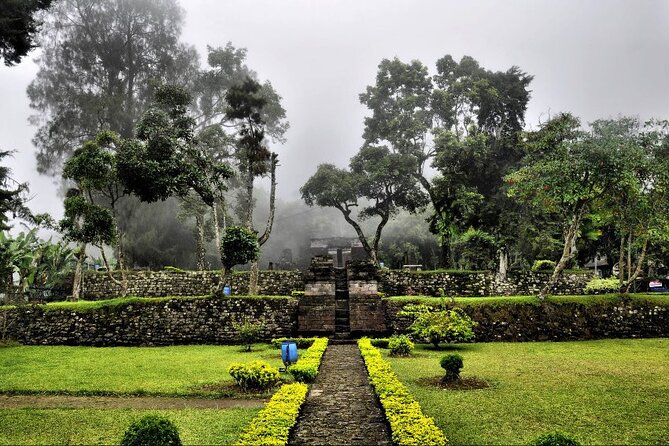
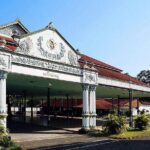
After the museum, you’ll visit Mangkunegaran Palace and have about 2 hours there. The time is built for exploration, and the palace is described as a small one, but still packed with old collections. In other words: don’t expect a giant royal complex where you can get lost for hours. Expect something focused and worth lingering over.
The tour guide’s role is important here. You’ll get an explanation of the royal family story in the Solo area, which helps the day feel cohesive. A palace visit can be dry if it’s just architecture and dates. But when you connect the collections and setting to the people behind them, it becomes easier to understand why temple sites and royal patronage mattered in Central Java.
Practical note: palace time tends to include walking. Keep an eye on comfortable footwear—you’ll be doing more of that later at the temples.
Sukuh Temple: Unique Form, Better Appreciation With a Guide
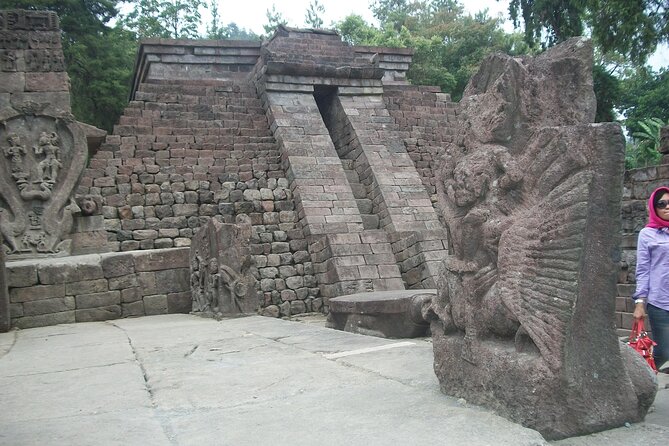
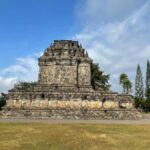
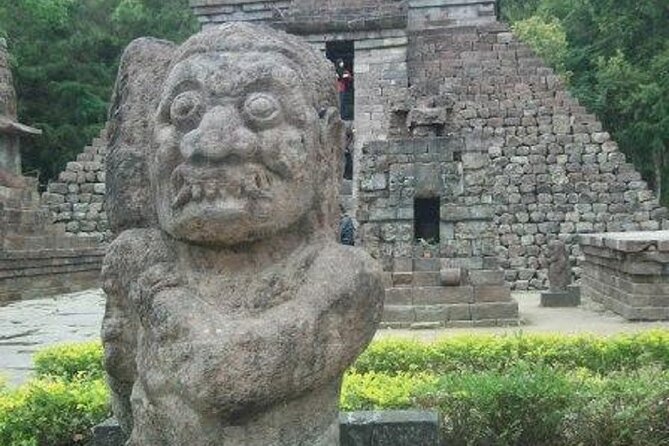
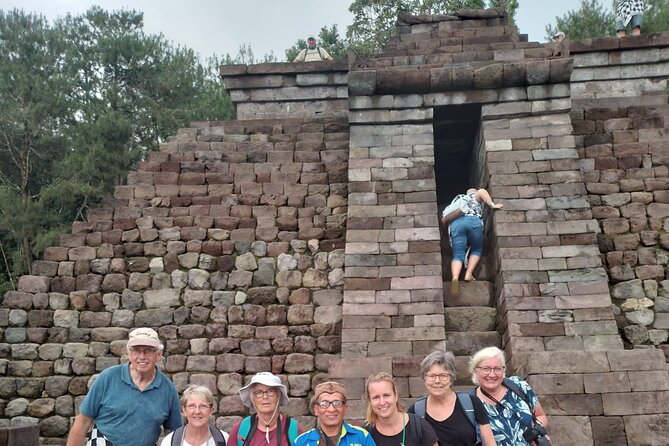
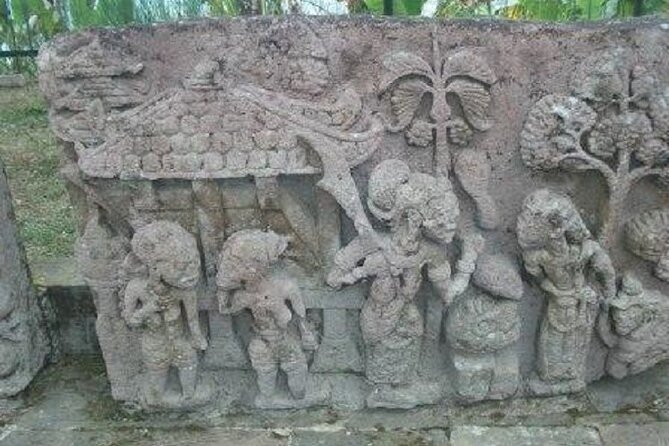
Next is Sukuh Temple, with 2 hours on site. Sukuh is highlighted as a Hindu temple in Central Java with different characters and architecture compared to many other temples on the island. That difference is exactly what makes this stop so rewarding.
If you usually assume Javan temple designs look similar, Sukuh is where the assumptions get challenged. It’s not about memorizing shapes. It’s about learning to look—and a good guide helps you do that by pointing out what’s meaningful about the forms you’re seeing.
This is also a temple where timing matters. Two hours gives you enough breathing room to move slowly, pause for explanation, and then re-check what the guide said as you face the structures again. When temples get only 30 or 40 minutes, you miss that second wave of understanding.
One more thing: you’ll be balancing the temple experience with the day’s travel fatigue. Try to arrive with a calm pace. Sukuh is more enjoyable when you’re not rushing your own attention.
Cetho Temple: A Place People Link to Belief and Story
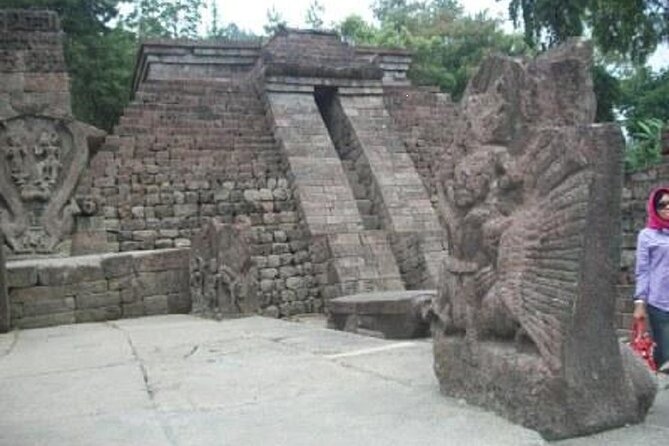
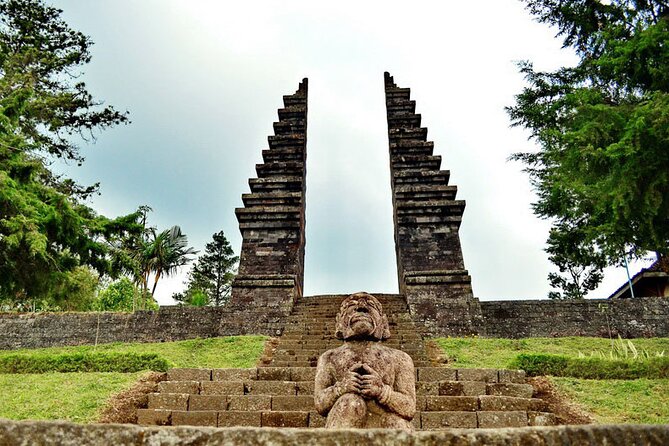
Then you head to Cetho Temple, the last major stop, with 3 hours on site. Cetho is described as a Hindu temple tied to beliefs about a last place for a king’s enlightenment. There’s also a legend-style detail about disappearing from enemy attacks.
That kind of story matters because it changes how you read the location. Instead of thinking only about stone and angles, you start noticing why a site might be valued for spiritual reasons as well as visibility and setting. Even if you take the legend as cultural belief rather than literal history, the way people talk about Cetho helps you understand the temple’s role in local imagination.
The extra hour compared with Sukuh (3 hours vs 2) gives you more room to settle in. You can ask questions, move at a comfortable pace, and let the meaning of the commentary sink in while you’re still physically there—rather than trying to remember it later on the drive back.
Moderate fitness helps here. Temple areas generally involve uneven ground and walking, and you’ll want a comfortable pace rather than a sprint.



Road Time Reality: Plan for the 10–12 Hour Day
This tour is long. Total duration is listed as 10 to 12 hours, and you’ll likely feel most of that when you’re in the car. One detail notes driving time around 5–6 hours, which lines up with the “this is a LONG day” feeling. The good news is that the transport is included, and you’re not responsible for arranging intercity rides.
So how do you make the day work without turning it into a grind?
Here’s what I’d do if it were my day:
- Bring a light snack and water so you don’t feel hungry at the worst possible times.
- Wear layers. Air-conditioning in vehicles can swing temperature fast.
- Use the breaks wisely. If you get stops along the route, treat them as chances to reset, not just to stretch your legs for the sake of it.
- Keep your expectations flexible. By late afternoon, you’ll be tired. That’s when your guide’s commentary becomes even more valuable—because it’s easier to appreciate the meaning when you slow down.
If you’re the type who wants a short, efficient day with minimal travel, this one may feel heavy. But if you’re okay with a full-day immersion and you want two temple experiences treated as the main event, it makes sense.
What You’ll Get From the Guide’s Commentary (Not Just Photos)
The tour is structured around guide explanations: you’ll visit the museum and palace, then you’ll listen to commentary designed to help you understand Java history and the spiritual context of the temple stops.
That matters more than you might think. Temples can look similar to a first-time visitor, even when they aren’t. With a guide interpreting what you’re seeing—plus the local belief context around Cetho—your “I saw it” becomes “I understood it.”
You’ll also benefit from the group size. In a larger bus scenario, guides often speak fast and cover basics. With up to 12 people, your questions can land. You’re more likely to get answers that match what you’re actually looking at in that moment.
Price and Value: Is $155.13 Reasonable?
The price is $155.13 per person, and for that you’re getting a lot of the “hard parts” handled: hotel pickup and round-trip transport, plus admission tickets at the main scheduled stops (Mangkunegaran Palace, Sukuh Temple, and Cetho Temple are listed with admission included).
To judge value, I’d compare this against a DIY day:
- You’d still need transportation between Yogyakarta and the temple/palace areas.
- You’d still need tickets.
- And you’d likely spend time figuring out schedules and timing—time that this tour buys back with planning.
So the price isn’t just paying for a driver. You’re paying for the full-day logistics, the guided context, and the fact that temple time is scheduled to be meaningful. If you’d rather avoid the “where do we go next” headaches and want a structured day, this looks like fair value.
One more note: group discounts can help if you’re traveling with friends. And mobile ticketing can simplify the process once you’re there.
Who This Tour Is Best For
This experience fits you if:
- You want a small-group day that prioritizes two major temple visits.
- You enjoy context—history, royal stories, and spiritual beliefs—not just sightseeing.
- You’re traveling with a partner or small group (there’s a minimum of 2 people per booking).
It’s also a good option if you’re staying in Yogyakarta and don’t want to stitch together multiple rides. The whole point is to keep you moving smoothly while your guide handles the narrative.
If you’re very short on time or you dislike long car days, you might prefer a shorter temple-focused option instead. This one asks for patience—but it delivers temple time.
Should You Book This Sukuh and Cetho Temple Day Trip?
Book it if you want a full cultural day where Sukuh and Cetho aren’t treated like an afterthought. The schedule gives you real time at the temples, and the inclusion of a museum warm-up plus the Mangkunegaran Palace story makes the day feel connected.
Skip it (or think twice) if long transit is your least favorite part of travel. You’re looking at roughly half a day’s worth of driving inside a 10–12 hour experience, and temple walking needs at least moderate physical fitness.
If you can handle that, you’ll likely enjoy how the guide helps you make sense of two temple sites with distinct identities—and a day that feels more like a guided story than a checklist.
FAQ
What temples and major stops are included?
The tour includes Radya Pustaka Museum, Mangkunegaran Palace, Sukuh Temple, and Cetho Temple.
How long is the tour?
The duration is approximately 10 to 12 hours.
Is hotel pickup and drop-off included?
Yes. Round-trip transport from your Yogyakarta hotel is included, and pickup is offered.
How big is the group?
It’s a small-group tour limited to 12 people.
Are admission tickets included?
Yes. Admission tickets are included for the Mangkunegaran Palace, Sukuh Temple, and Cetho Temple stops.
What physical level do I need?
You should have a moderate physical fitness level.
Is there free cancellation?
Yes. You can cancel for a full refund up to 24 hours in advance of the experience start time.
Is there a minimum booking size?
Yes. A minimum of 2 people per booking is required.
What’s the mobile ticket situation?
A mobile ticket is included as part of the experience.