REVIEW · YOGYAKARTA
Ramayana Ballet Performance – Purawisata Jogjakarta
Book on Viator →Operated by Traviora.com · Bookable on Viator
A night of drama, music, and myth. The Ramayana Ballet at Purawisata brings Walmiki’s tale to life through dance and body language, with no spoken dialogue and a soundtrack built around Java’s gending and Javanese singing.
I really like how the whole story is carried by movement instead of words, so you can follow even if you don’t know the language. I also like the way the music and staging shift as the plot turns darker and louder, especially during the war build-up.
My one caution: the included dinner can be hit-or-miss, and good timing matters. If you’re sensitive to meal schedules or food style, plan to arrive a little early and double-check what time to line up for dinner.
In This Review
- Key things that make this show worth your time
- What the Ramayana Ballet at Purawisata actually is
- Arrival time, dinner, and how to avoid timing stress
- The performance flow: how the story moves from scene to scene
- The early acts: myth in motion
- Rahwana, Hanoman, and the monkey army: when sound gets louder
- War scenes: bigger staging, stronger drama
- Anoman Obong: the fire segment people remember
- Why the no-dialogue approach can be a strength
- Music and singing: the role of Java gending and the sinden
- Costumes, make-up, and stage craft you can see clearly
- Dinner at Gazebo Garden Restaurant – Etnik Cafe: convenient, but manage expectations
- Price and value: is $23 a fair deal in Yogyakarta?
- Who will love this most
- Who should think twice
- After the show: photo time with the cast
- Should you book this Ramayana Ballet at Purawisata Jogja?
- FAQ
- What time does the Ramayana Ballet start at Purawisata?
- How long is the experience?
- What’s included in the ticket price?
- Is pickup or drop-off transport included?
- Is there dialogue during the performance?
- What music style accompanies the show?
- Which scenes are the most intense or exciting?
- Can I take photos with the performers?
- How far in advance do people usually book?
- What is the cancellation policy?
Key things that make this show worth your time
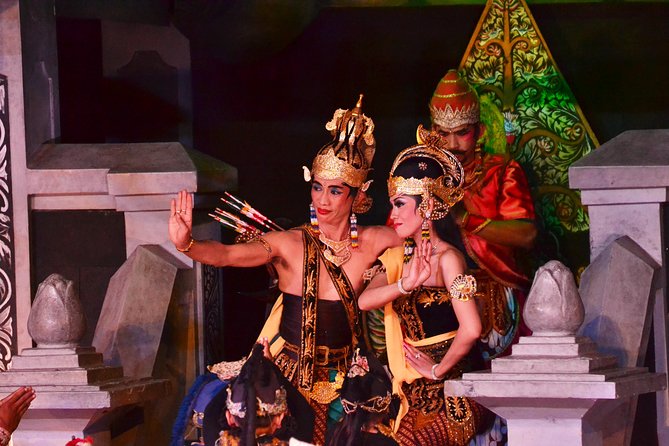
- No-dialogue storytelling: the Ramayana unfolds through choreography, gestures, costumes, and stage action, not spoken lines.
- Java gending drives the mood: the music softens for calm scenes and turns lively as Rahwana/Hanoman and the monkey army appear.
- High-impact staging at Anoman Obong: the fire segment is the moment people talk about, and it’s built for maximum effect.
- A complete art package: dance plus drama, make-up, specially selected costumes, stage, and lighting all work together.
- Photo time with performers: after the show, you can take pictures with the players on stage.
- Dinner is included but not guaranteed to fit everyone: it’s convenient, but think buffet-style and Western-leaning tastes.
What the Ramayana Ballet at Purawisata actually is
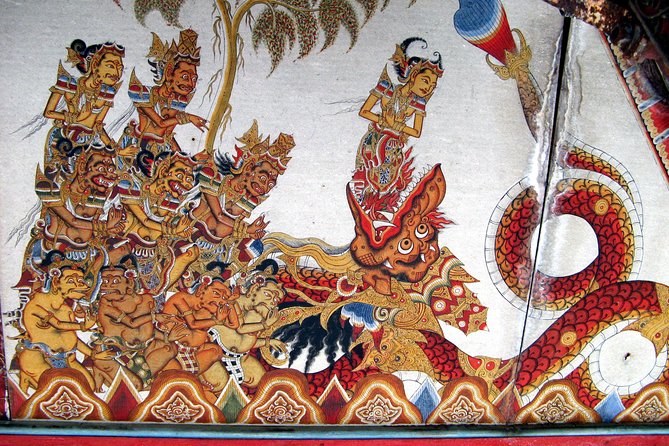
This is a full-bore cultural performance built around the Ramayana epic. You won’t get subtitles or spoken dialogue. Instead, you watch bodies, faces, and costumes carry the meaning while music and song set the emotional temperature.
The production is organized like a series of acts. As scenes change, the sound changes too—starting softer, then getting more lively when Rahwana or Hanoman enters and the monkey army appears. It’s a show where you learn the story by watching patterns: who moves how, when the stage gets crowded, and how the music signals a turning point.
If you like performances that feel like theatre and dance at the same time, this format works. If you want a narrator explaining what you’re seeing, you’ll need to rely on your eyes and the cues in the choreography.
You can also read our reviews of more tours and experiences in Yogyakarta.


Arrival time, dinner, and how to avoid timing stress
The start time is 7:00 pm, and the whole outing runs about 3 hours. That means this is not a late-night wander-into-theatre situation. You’ll want to treat it like a timed event: arrive early, get sorted, and don’t assume everything will fall into place on autopilot.
Dinner is included at Gazebo Garden Restaurant – Etnik Cafe, so your schedule may feel split: eat first, then move into the performance. One thing I’d take seriously from experience at shows like this is timing communication. If you’re booking through a platform and you’re the type who hates surprises, confirm the dinner time and where to go before you head out.
Practical tip: set an alarm for at least 30–45 minutes before your expected dinner window. If you get there early, you won’t feel rushed, and you’re more likely to start the evening calmly.
The performance flow: how the story moves from scene to scene
You can think of the show as a chain of big plot beats, each one supported by music, movement, and staging. Here’s what you should expect as the evening progresses.
The early acts: myth in motion
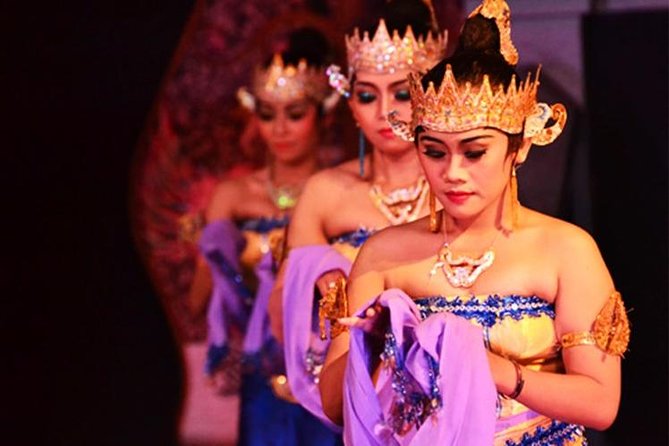
At the start, the mood tends to be quieter and more graceful. The melodious strains of Java gending sit underneath the dance, and the transitions help you understand what’s happening even without spoken words.
Occasionally, you may hear the sinden humming songs in Javanese. That vocal layer matters. It gives the story texture and helps separate scenes—especially when the costumes and character positions shift.
Rahwana, Hanoman, and the monkey army: when sound gets louder
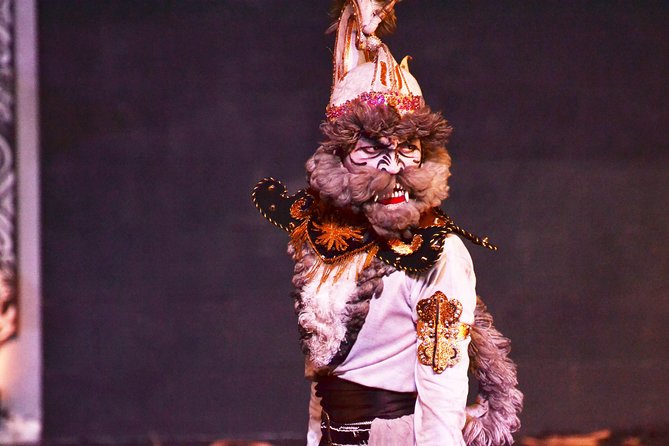
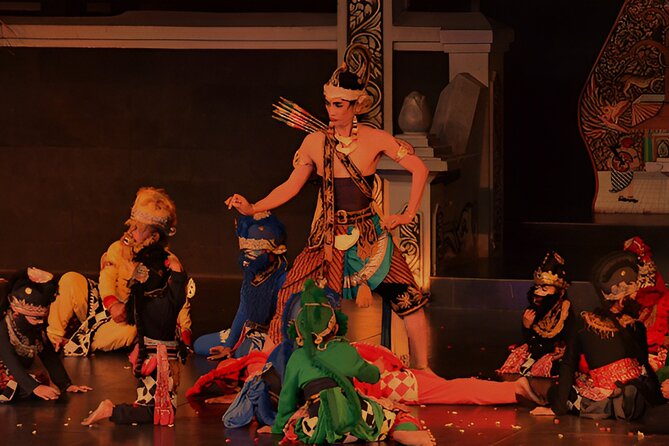
When the performance turns toward Rahwana or Hanoman, the energy rises. The music shifts into more lively gending, and the stage becomes more crowded as the monkey army appears.
This is where choreography really helps you follow the plot. More bodies on stage usually means conflict and momentum. Watch how quickly formations tighten and how the characters’ actions become more urgent.



War scenes: bigger staging, stronger drama
When the war begins, the production leans into spectacle. The stage gets packed, and you’ll feel the show trying to pull you forward—like the story has momentum and you’re watching the turning gear teeth.
Even if you don’t know every character name, you’ll likely understand the stakes by the way the performance escalates. Faster motion, more ensemble coordination, and louder musical cues make it easier.
Anoman Obong: the fire segment people remember
One scene often singled out is Anoman Obong’s segment. This is typically the most compelling moment of the night, and it’s designed to grab your attention.
If you’re sensitive to intense visual moments, pay attention to how your own comfort level reacts to fire effects. If you’re okay with theatrical spectacle, this is the section where the show’s production value feels most obvious—because the stage becomes a visual centerpiece.
Why the no-dialogue approach can be a strength
Some people worry they’ll miss details because there’s no dialogue. In practice, the opposite can happen. The lack of spoken text forces the production to be visual and musical, not verbal. That means you’re watching for patterns.
You’ll notice that characters communicate in consistent ways through posture, facial expression, and gestures. Over the course of acts, your brain starts matching movement styles with story roles. That’s part of the fun: you’re doing light “watching work,” and the payoff is understanding without translation.
Also, because the sound changes from soft to lively based on the scene, you get another layer of meaning. Think of it as the show giving you cues in two channels: what you see and what you hear.
Music and singing: the role of Java gending and the sinden
The soundtrack is not just background. It’s part of the storytelling. Early scenes rely on softer, melodious gending. As key characters appear—Rahwana/Hanoman—and the monkey army enters, the music shifts into a more energetic mode.
That shift matters because it signals you’re moving into a different emotional category: calmer scenes feel guided; action scenes feel pushed forward. If you’re the type who enjoys cultural music, this alone is a good reason to go.
When a sinden hums Javanese songs, it adds a human thread on top of the instrumental work. Even if you can’t translate every line, the presence of singing helps scenes feel anchored rather than purely rhythmic.
Costumes, make-up, and stage craft you can see clearly
This show isn’t minimalist. It leans on the full toolset: specially selected costumes, make-up, drama, lyrics and song, stage, and lighting. Even from a distance, you should be able to pick out characters and story roles because costumes and colors are doing real work.
The production also uses stage density as a storytelling tool. When the stage is more crowded, the plot is usually in a more intense phase—especially during war.
Dinner at Gazebo Garden Restaurant – Etnik Cafe: convenient, but manage expectations
Dinner is part of the package, which is a big plus if you don’t want to figure out food logistics before a show. It also helps keep the evening on track.
That said, dinner can shape your mood for the rest of the night. Some included meals for events like this can drift toward crowd-pleasing tastes, and the setting can feel busy. In plain terms: it’s practical, not necessarily a highlight.
If you like Indonesian food and you’re picky about buffet-style meals, I’d treat dinner as a bonus, not a reason to look forward to the night. If you’re hungry and you want something simple to keep your energy up until the performance, it does the job.
Price and value: is $23 a fair deal in Yogyakarta?
At $23 per person, this is priced like a midrange cultural evening. For that price, you get an entrance ticket plus dinner at Etnik Cafe, and you get a full three-hour production.
Where the value really comes from is the show itself: it’s not just dance practice or a short snippet. It’s the Ramayana story performed through staged acts with costumes, lighting, and music cues that build tension.
The one factor that can change your overall value is dinner satisfaction. If you love buffet-style, you may feel like you got a bargain. If you hate Western-leaning crowd food or dislike buffet logistics, the same $23 can feel less compelling—because your dinner experience can bring down your mood.
Who will love this most
You’ll probably enjoy this if:
- you like dance and theatre that tell a story through action
- you want a Yogyakarta night plan that doesn’t depend on spoken language
- you enjoy gamelan-style music and scene-changing sound cues
- you like cultural productions that are visually specific—costumes, make-up, lighting, and stage effects
Families can often handle it too, since it’s movement-driven and not built around dialogue. Still, for small kids who get restless, keep in mind it runs about three hours.
Who should think twice
Consider skipping (or at least adjusting expectations) if:
- you strongly prefer a sit-down meal or very specific food styles
- you hate tight timing and need everything explained step-by-step
- you want a fully narrated storyline with lots of verbal clarification
The performance is amazing for many people precisely because it doesn’t explain in words. But that approach isn’t for everyone.
After the show: photo time with the cast
One nice touch: you can take pictures with all the players on stage after you’ve watched the final acts. That’s not just a souvenir moment—it also helps you connect the character you saw with the performer behind it.
If photos matter to you, stick around rather than rushing off at the first exit.
Should you book this Ramayana Ballet at Purawisata Jogja?
I’d book it if you want a memorable Yogyakarta evening that’s strongly cultural and doesn’t require language skills. The storytelling format—Ramayana through dance, music, and staging—works well, and the production clearly has moments built for attention, especially Anoman Obong’s fire segment.
I’d book with one mindset: plan for dinner to be useful, not perfect. If you’re comfortable with that, the experience becomes an easy win.
If scheduling stress annoys you, take control early. Confirm dinner timing and where to go, then arrive ahead of time so you’re not scrambling mid-evening.
FAQ
What time does the Ramayana Ballet start at Purawisata?
The performance start time is 7:00 pm.
How long is the experience?
It lasts about 3 hours.
What’s included in the ticket price?
Entrance ticket is included, and dinner is included at Gazebo Garden Restaurant – Etnik Cafe.
Is pickup or drop-off transport included?
No. Pickup/drop-off transport is not included.
Is there dialogue during the performance?
No. The Ramayana story is presented through body movements or dancing without any dialogue.
What music style accompanies the show?
Java gending is heard throughout, and you may also hear the sinden humming songs in Javanese.
Which scenes are the most intense or exciting?
The music becomes livelier around Rahwana or Hanoman and the monkey army appearances, and the show is especially compelling during Anoman Obong’s fire segment.
Can I take photos with the performers?
Yes. After enjoying the show, you can take pictures with all the players on the stage.
How far in advance do people usually book?
On average, this is booked 23 days in advance.
What is the cancellation policy?
You can cancel for a full refund up to 24 hours before the experience’s start time.