REVIEW · YOGYAKARTA
From Yogyakarta to Bali : Bromo and Kawah Ijen in 3 Day Adventure
Book on Viator →Operated by Indotravelteam · Bookable on Viator
Volcano mornings can be dramatic—this one starts early. I love the Bromo sunrise from inside the caldera and the Kawah Ijen blue flames walk toward sulfur miners. I also like that you get guides, transport, park access, and the Ijen safety gear handled for you. The one drawback is the schedule: you’ll wake around 3:30 AM for Bromo and leave around 1:00 AM for Ijen, so you need to be OK with very little sleep.
I found the logistics unusually smooth for this kind of trip. You start with a 7:00 AM train from Yogyakarta to Probolinggo, then switch into road transport and stay overnight near the action at Bromo and Ijen. The group stays small (up to 15), which helps when the paths get crowded.
This is also a practical adventure, not a luxury retreat. Lodging is simple but clean, with Wi‑Fi and hot showers, and meals are included (lunch, plus two breakfasts and two dinners). At Ijen, you’ll be in serious fumes territory, so wearing the provided mask/respirator gear is part of the experience, not optional.
In This Review
- Key Highlights You’ll Actually Care About
- From Yogyakarta to Probolinggo: Starting at 7:00 AM
- Bromo Tengger Semeru: From the Village to the 250 Steps
- Watching Sunrise Over the Caldera (and Why It Feels Worth It)
- The Crater Rim Walk: Close-Up Volcanic Reality
- Trading Bromo Sleep for Ijen Stars: The 1:00 AM Departure
- How the Ijen Safety Gear Changes the Experience
- Blue Flames Under the Stars (and the Miners’ World)
- Sunrise at Ijen: Turquoise Lake Daylight
- Lodging, Wi‑Fi, and Meals: Simple Base Camps That Work
- Price and Value: What You’re Getting for $333.86
- Who This Trip Suits Best (and Who Might Hesitate)
- The Human Touch: Guides Who Keep the Group on Track
- Should You Book This Bromo and Kawah Ijen Adventure?
- FAQ
- What is the starting time in Yogyakarta?
- How long is the adventure?
- How do you get from Yogyakarta to the Bromo area?
- What do you do at Bromo on the second day?
- When does the Ijen hike begin?
- What equipment is provided for Kawah Ijen?
- What exactly can you see at Kawah Ijen?
- Is lodging included?
- What meals are included?
- What’s the group size limit?
Key Highlights You’ll Actually Care About
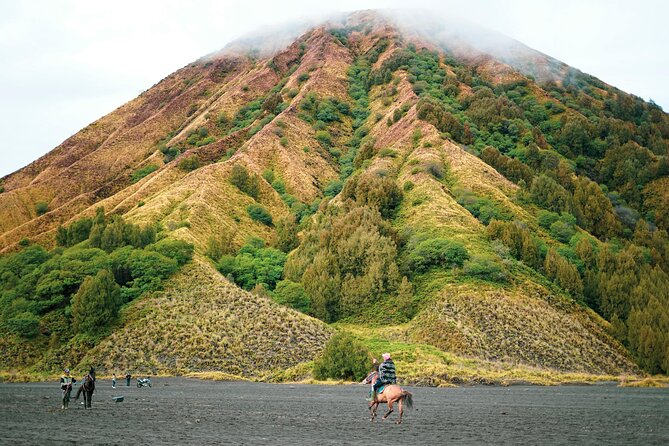
- Bromo sunrise setup: a pre-dawn start and a short hike up to the viewpoint, then a crater rim walk.
- Jeep access at Bromo: you transfer by 4×4 for the ascent, saving time and energy.
- Ijen night hike with safety gear: lamps, respirators/gas masks, gloves, and a guided descent toward the blue flames.
- Blue flames plus sulfur miners: you get the famous sight under the stars, not just a distant viewpoint.
- Turquoise lake at sunrise: the day ends with the crater lake view as the light comes up.
- Small group (max 15): easier pacing on narrow trails and better attention from your guides.
From Yogyakarta to Probolinggo: Starting at 7:00 AM
Your day starts with a 7:00 AM train from Yogyakarta to Probolinggo. That timing matters because it sets you up to reach the Bromo region the same day, instead of losing half a day to slow connections. You’re then picked up at Probolinggo train station and transferred to the Bromo area.
After you arrive in the Bromo region (around 2,300 meters elevation), the plan is to settle in, eat dinner, and get ready for an early next morning. This is one of those trips where “arriving” is really just the warm-up before the real hiking starts.
Also note the vibe of the route: it’s built for moving fast and getting you to viewpoints at the right moments. If you’re the type who wants flexible stops and long café breaks along the way, this itinerary may feel like a sprint.
You can also read our reviews of more tours and experiences in Yogyakarta
Bromo Tengger Semeru: From the Village to the 250 Steps
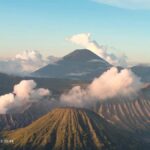
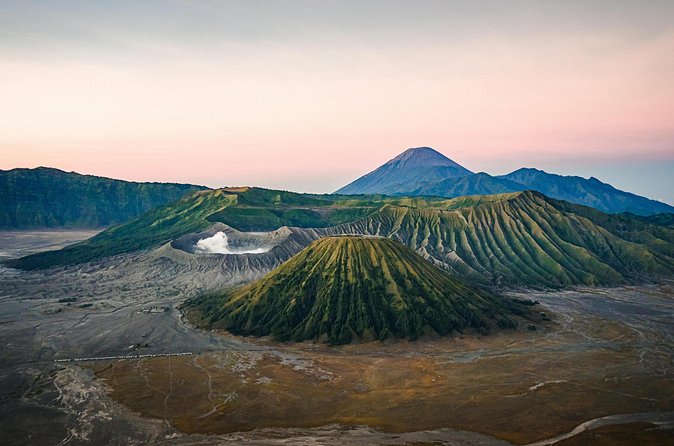
Bromo is famous for a reason: that huge caldera view at dawn looks unreal, like someone cranked the contrast way up. What makes this tour feel special is how it sequences the experience. You don’t just arrive at a random overlook. You get to the viewpoint early enough to catch the sunrise, then you follow up with crater-walk time.
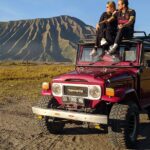
The next morning starts early—around 3:30 AM wake-up—so you can head out in the dark. At Bromo, you ride in a 4×4 jeep for the ascent, which is a smart way to conserve energy before the stairs. Then it’s a hike up a narrow, winding path with 250 steps to reach the summit viewpoint.
Those steps may sound simple on paper. In practice, pre-dawn breathing at high elevation can make everything feel tougher. The good news: the climb is short, and it’s paced for a guided group.
Watching Sunrise Over the Caldera (and Why It Feels Worth It)
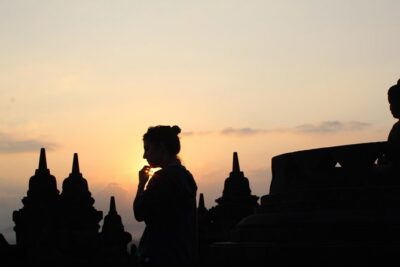
When the light finally arrives, Bromo’s caldera turns into a dramatic bowl of smoke, shadow, and volcanic tones. This is the moment the tour is built around, and it hits hard if you like photos but also like the real thing more than the camera.
From the viewpoint, you then walk along the rim of Bromo’s active crater. That change in pace is key. First, you look outward for the sunrise. Then you turn inward and get close to the volcano itself.
A practical note: you’ll be outside in early morning cool air. Layers help more than you’d think, and sturdy shoes matter because the terrain can be uneven. The tour expects moderate fitness, but you don’t need to be an athlete—just ready to hike in low light and at altitude.
The Crater Rim Walk: Close-Up Volcanic Reality
The rim walk is where Bromo shifts from a sightseeing stop to an experience that feels physical and immediate. You’re not just watching from behind a fence. You’re moving along the volcanic edge with a guide keeping the group together.
Because Bromo is active, conditions can change. The tour’s focus on guided movement is exactly what you want here. It also helps with timing—your sunrise moment matters, but so does staying safe and not rushing down before visibility improves.
If you’re sensitive to heights, you might find the rim section a little intense. It’s not described as a technical climb, but it is close to the crater area, and you’ll want to move carefully.
Trading Bromo Sleep for Ijen Stars: The 1:00 AM Departure
Then comes the trade: you wake up, do Bromo, and soon you’re facing another sleep-lightning alarm for Ijen. The Ijen night hike starts with departure set for 1:00 AM to reach base camp at about 1,900 meters.
This is a big reason many people rate the trip as memorable. It’s not just “see two volcanoes.” It’s two very different styles of volcanic time: sunrise on Bromo, then nighttime sulfur country on Ijen.
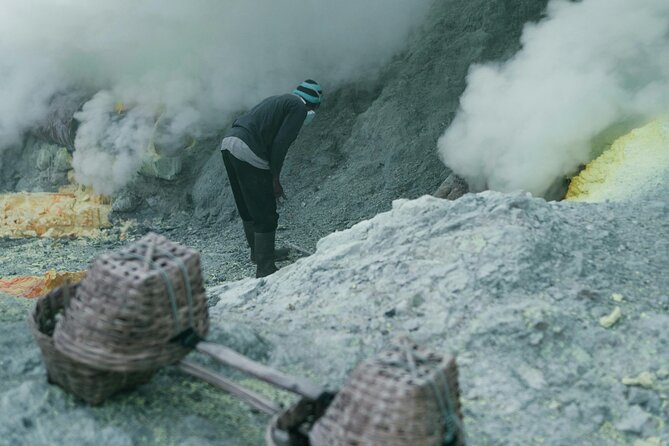
Before the hike, you’ll get safety instructions and required gear. That includes lamps and respiratory protection (masks/respirators), plus gloves. You start with an approximately 1.5-hour hike along a mountain path with your experienced team.
Once you reach the crater area, the tour shifts from walking to witnessing. The goal becomes the blue flames and meeting the sulfur miners.
How the Ijen Safety Gear Changes the Experience
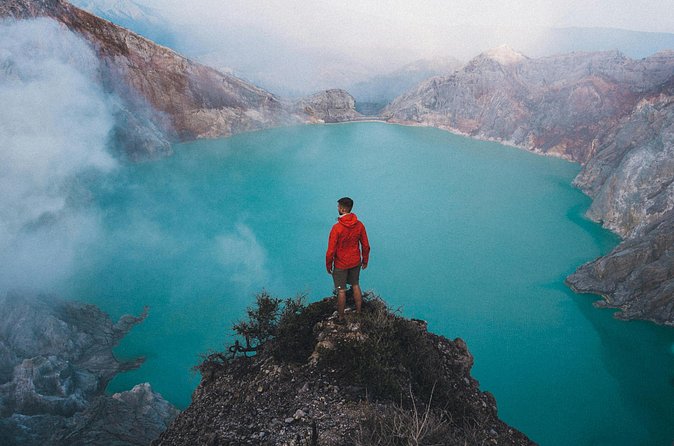
At Ijen, the air and fumes around the crater are part of the story. The tour provides the equipment you need for that environment: masks/respirators, lamps, and gloves. That matters because it lets you focus on what you came for instead of scrambling to find gear on the fly.
This is also where I like the tour’s clarity. They tell you safety gear is required, they provide it, and they give a guided team. In a place like this, that reduces uncertainty and makes the experience less stressful.
If you wear glasses, you’ll likely want to be extra careful with fit and comfort inside a mask. The tour doesn’t say anything about special eyewear provisions, so plan on managing that yourself.
Blue Flames Under the Stars (and the Miners’ World)
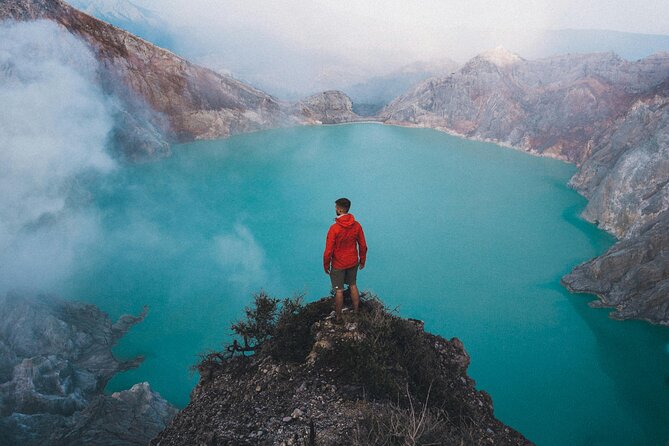
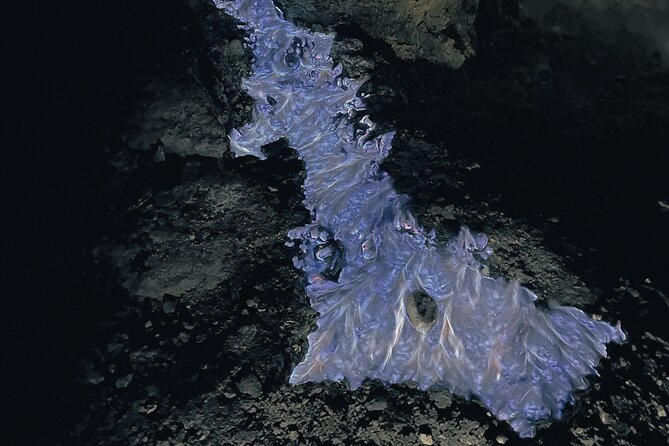
The famous moment at Ijen is the blue flames. You don’t see them as a quick stop. You descend into the crater under the stars and witness the phenomenon up close.
You’ll also meet sulfur miners, which adds depth beyond the spectacle. This isn’t a staged performance. It’s a working, human reality happening beside the tourist trail. For me, that’s one of the strongest reasons to do Ijen with a guide who knows the route and timing.
Because the descent is part of the viewing, pace and safety matter. The group hike is managed by professionals, including guides at Kawah Ijen.
If you’re afraid of dark, steep-ish descents, or you dislike low visibility hiking, tell yourself ahead of time this is a night experience. The lamps help, but your comfort level with night hiking will affect how you remember the night.
Sunrise at Ijen: Turquoise Lake Daylight
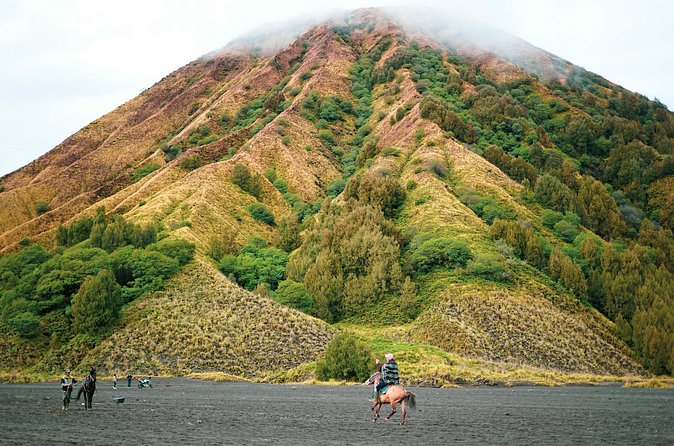
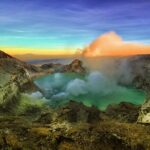
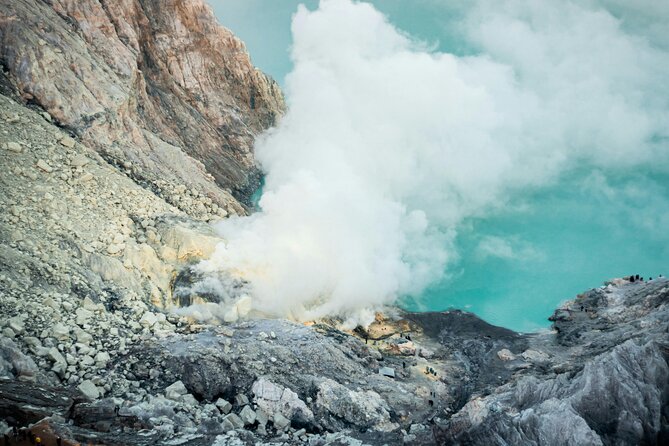
After the blue flames moment, you shift toward the calmer payoff: sunrise and the view of the crater lake, described as a turquoise lake and noted as the world’s largest acid lake.
Daylight changes everything. The sulfur atmosphere and geometry that looked mysterious at night become clearer. You can finally see the scale of the crater and how the colors sit in the basin.
This is also a good reminder that Ijen is not just about fire. It’s about contrast: blue flames at night, then a big turquoise view in the morning light.
Lodging, Wi‑Fi, and Meals: Simple Base Camps That Work
This tour uses accommodation in the Bromo and Ijen areas, based on availability. The description is straightforward: simple and clean, with Wi‑Fi and hot showers. After long hours outdoors and early wake-ups, hot showers feel like a minor miracle.
Meals are included too: lunch is provided, and you get two breakfasts and two dinners. That’s not just convenience. It helps you avoid the common “what do we eat now?” problem that can snowball when you’re on strict volcano timings.
At these elevations and activity levels, food timing matters. Having meals inside the plan means you’re less likely to start the next hike under-fueled.
Price and Value: What You’re Getting for $333.86
The price is listed as $333.86 per person for roughly 3 days. For Indonesia volcano trips, this is the kind of cost that only makes sense if the trip removes friction for you: trains, transfers, national park access, jeeps, guides, lodging, and the Ijen safety gear.
This package includes:
- Train and ground transportation, plus park fees
- A 4×4 jeep at Bromo
- Professional guides at both Bromo and Kawah Ijen
- Required Ijen equipment (lamps, respirators/masks, gloves)
- Accommodation at both volcano areas
- Meals (lunch, two breakfasts, two dinners)
So you’re not paying just for the views. You’re paying for getting there on time and moving between two demanding volcano experiences without you having to coordinate everything. In that sense, it’s good value if you want the highlights without the stress.
If you’re comfortable booking trains and arranging separate tours yourself, you might find cheaper options. But if you value your sleep, your time, and a clear plan for safety and timing, the bundled structure is worth it.
Who This Trip Suits Best (and Who Might Hesitate)
This works best for people with moderate physical fitness who are happy with very early wake-ups. You’ll do stair climbing at Bromo and an Ijen hike through the night plus a crater descent.
You’ll also enjoy it more if you’re OK with simple lodging. Hot showers help, but this is still a base-camp style experience.
It’s a good fit for solo travelers and couples because the group size is capped at 15 and you’re guided. Families can consider it, but read that as: if your kids (or you) can handle night hiking and steep-ish crater terrain comfortably.
If you’re extremely sleep-deprived by nature, or you dislike hiking at elevation in darkness, you may want to rethink. This trip is doable, but it’s not gentle.
The Human Touch: Guides Who Keep the Group on Track
One pattern that stands out in the tour’s approach is attentive guiding. Names that appear include Sahal and Reza, and at Kawah Ijen you may be with Harry. Even when guides vary, the setup remains: professional guides at Bromo and Kawah Ijen, guiding the group on key timing moments and the trickier paths.
This matters because volcano tours aren’t just about scenery. They’re about pacing, safety, and making sure you don’t miss your sunrise windows while also staying protected around active volcanic terrain.
Should You Book This Bromo and Kawah Ijen Adventure?
If you want one trip that hits Bromo sunrise and Kawah Ijen blue flames with guided hiking, included gear, and transport stitched together, I think this is a strong choice. The combination is hard to beat: caldera views at dawn, crater rim walking, then a night descent to see the blue flames and sulfur miners, followed by the sunrise turquoise lake.
Book it if:
- you’re willing to wake up very early twice
- you’re fine with simple lodging and a busy schedule
- you want a guided plan that includes Ijen respirator/mask gear and lamps
Consider skipping or swapping if:
- night hiking and low-light descents make you uncomfortable
- you’re hoping for a slower, more relaxed itinerary
If you do book, pack for cold early mornings, move carefully on stairs and uneven volcanic ground, and treat the masks/respirators as part of the experience. Do that, and you’ll come away with stories that aren’t just scenic. They feel lived.
FAQ
What is the starting time in Yogyakarta?
The tour start time is 7:00 AM in Yogyakarta.
How long is the adventure?
It’s listed as 3 days (approx.).
How do you get from Yogyakarta to the Bromo area?
You take the 7:00 AM train from Yogyakarta to Probolinggo, then you’re transferred by vehicle to the Bromo region.
What do you do at Bromo on the second day?
You wake up around 3:30 AM, ride a 4×4 jeep, then hike to the viewpoint using a path with 250 steps. You’ll also walk along the rim of Bromo’s active crater.
When does the Ijen hike begin?
Departure is set for 1:00 AM to reach base camp at about 1,900 meters.
What equipment is provided for Kawah Ijen?
For the Ijen hike, the tour provides required equipment including lamps, masks/respirators, and gloves.
What exactly can you see at Kawah Ijen?
You descend into the crater under the stars to see blue flames and meet sulfur miners, then you admire the turquoise crater lake at sunrise.
Is lodging included?
Yes. Accommodation is included at both Bromo and Ijen, based on availability. It’s described as simple and clean, with Wi‑Fi and hot showers.
What meals are included?
The tour includes lunch, plus two breakfasts and two dinners.
What’s the group size limit?
The tour has a maximum of 15 travelers.