REVIEW · YOGYAKARTA
Yogyakarta Volcano: Merapi Volcano on Hilltop (Lava Viewing)
Book on GetYourGuide →Operated by Jogja Horizon Tour · Bookable on GetYourGuide
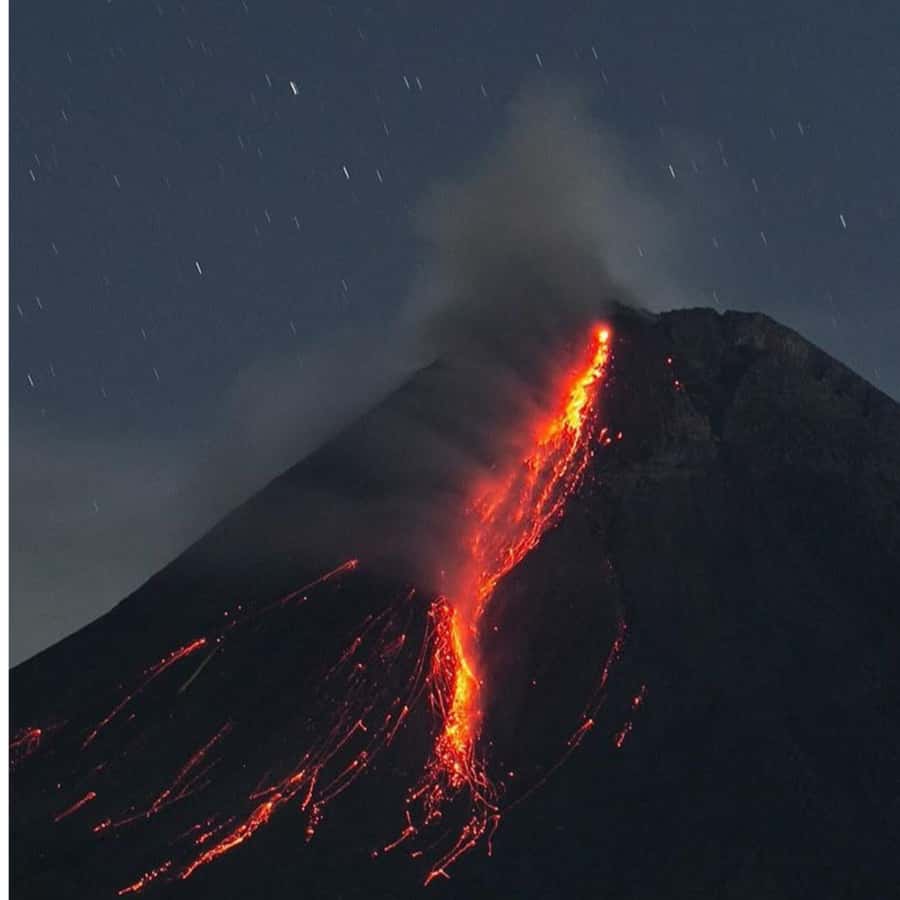
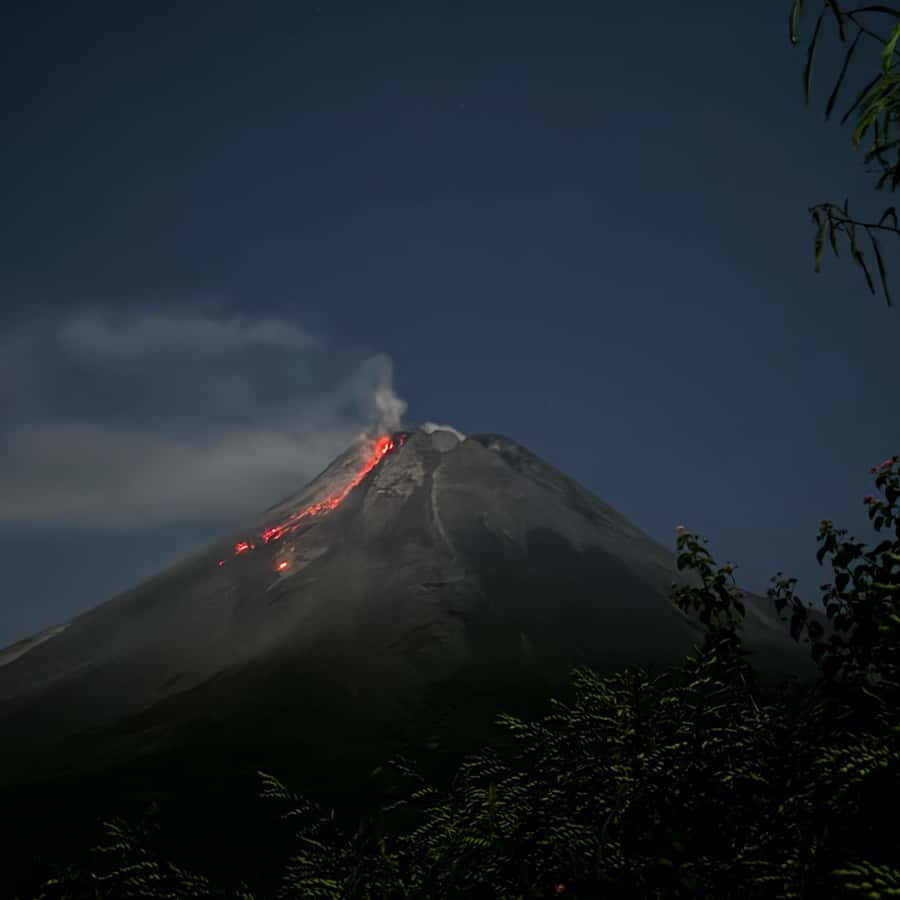
Merapi glows right before your eyes. This lava-viewing outing from Yogyakarta targets one of the best spots to watch Mount Merapi’s activity up close, especially from Turgo Hill. The big appeal is you’re not just looking at a mountain—you’re watching glowing material move down the slope from established viewing areas.
What I love most is the blend of safe viewing points and real volcano energy. You get guide-led stops at places like old bunkers and an observation tower, then you settle in at a main viewpoint with warm drinks and snacks while you wait for the sky to cooperate.
The main drawback is simple: seeing lava is not guaranteed. Clouds and fog can roll in, and even when it clears, it can take patience—plus the hiking option involves around 1,700–1,740 steps at night.
Key highlights at a glance
- Turgo Hill viewpoints built for lava watching, not random roadside stops
- Old bunker and observation tower visits that tie today’s viewing to past monitoring during eruptions
- Two styles: a relaxing non-hiking route or a 1,700-step night hike for closer visibility
- Waiting is part of the show: guides tend to stick around until conditions improve
- Optional early start: Sunrise hike beginning at 3:00 AM, same route, different light
- Small group vibe with pickup from Yogyakarta City or Sleman Regency
In This Review
- Merapi Lava Viewing from Turgo Hill: What Makes This Trip Different
- Tour Options: Non-Hiking Viewing vs The 1,700-Step Night Hike
- The non-hiking option (for an easier, more relaxed evening)
- The hiking option to Turgo Hill (closer, more intense, still guided)
- Sunrise hike at 3:00 AM (same route, different payoff)
- Getting There from Yogyakarta: Pickup, Comfort, and the Drive Plan
- Before the Volcano: Bunkers, Towers, and Why These Stops Matter
- The Main Viewing Area: The Waiting Game and What to Bring for It
- What you’ll notice during the wait
- What to bring (this matters more than you think)
- Night vs Sunrise: Choosing the Right Time to Watch Merapi
- Night tour vibes
- Sunrise vibes
- Guides and Group Size: Why the Experience Feels Personal
- Food, Coffee, and Warm Snacks: The Small Perk That Saves the Night
- Price and Value: Is $23 Worth It?
- Safety, Restrictions, and Who Should Reconsider
- What a Good Experience Looks Like (Even When Weather Turns)
- Should You Book This Merapi Lava Tour?
- FAQ
- How long is the Merapi lava viewing tour?
- What are the two main tour options?
- Is there a sunrise option?
- Will I definitely see lava?
- What’s included in the price?
- What language are the guides?
- Where is pickup and drop-off?
- What should I bring?
- Who is this tour not suitable for?
- Are there any rules about fire or fireworks?
- What’s the weather plan if it rains?
- Can I cancel for a refund?
Merapi Lava Viewing from Turgo Hill: What Makes This Trip Different
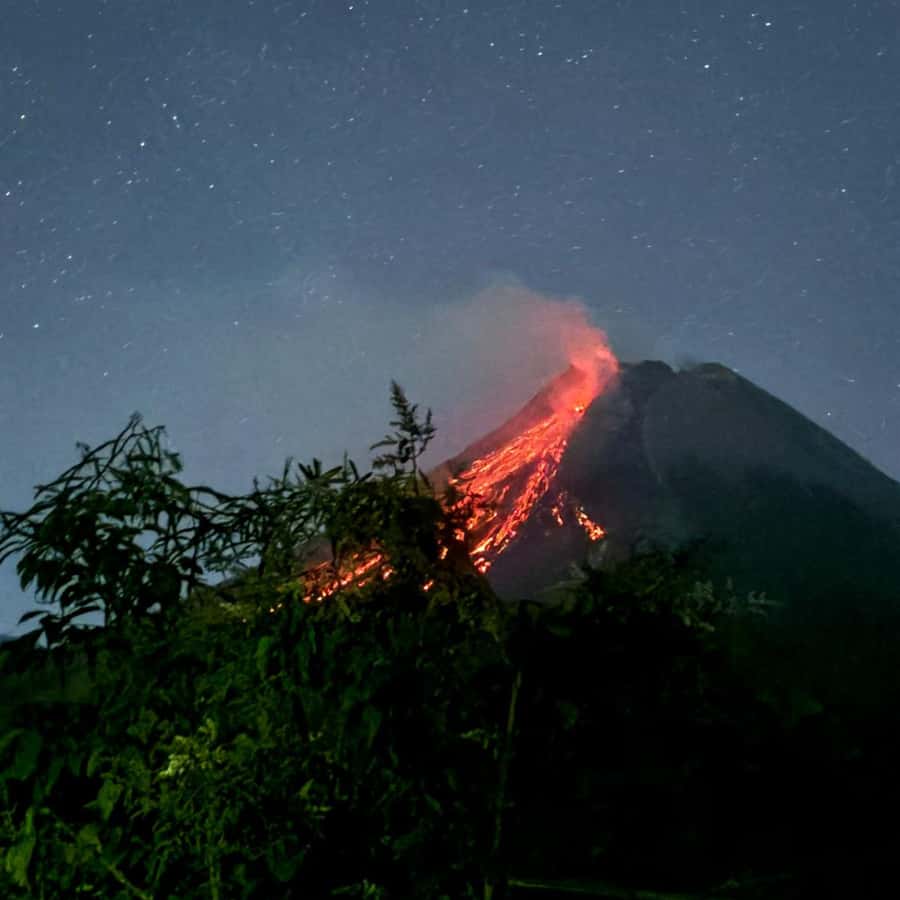
If you’ve been to volcano lookouts that feel like a quick photo stop, this one plays out more like a night scene. You start by heading out of the city and into cooler, quieter countryside. Then you work your way toward the hilltop viewpoint, where the goal is clear: see Merapi’s activity in motion.
The best part is that the viewing is set up for reality, not wishful thinking. The route is built around specific observation areas, including a bunker and a tower used for monitoring during eruptions. That matters because it changes the feel of the trip—you’re watching from places that are meant for this, with guides who know where you’re supposed to be and what to expect.
Also, the atmosphere is half the point. While you’re waiting for lava, you’re not stuck in silence. Many guides keep the time moving with stories about Merapi, Java, and everyday life, and the group gets warm snacks and drinks. On rainy nights, people have described the wait as surprisingly fun once the guide gets you chatting and the clouds start shifting.
Tour Options: Non-Hiking Viewing vs The 1,700-Step Night Hike
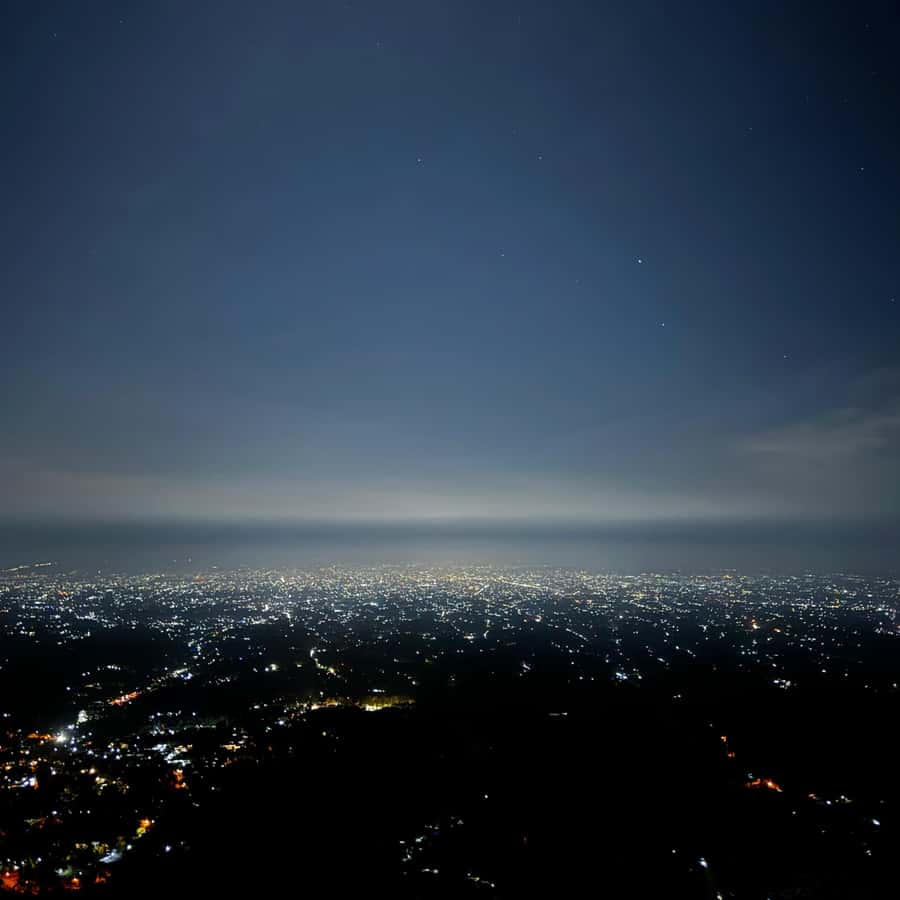
You get two main ways to do this: a non-hiking option for a more relaxed evening, and a hiking option for a closer look.
You can also read our reviews of more tours and experiences in Yogyakarta.
The non-hiking option (for an easier, more relaxed evening)
This route is designed for comfort. You still do the key stops—bunker and observation tower first—then continue to the main viewpoint. Instead of climbing, you spend more time at the lookout area and let the volcano do the timing.
This option is a good fit if:
- you want to spend more time watching than climbing
- you’re traveling with older family members or you just don’t do well with stairs at night
- you’d rather rely on the viewpoint than your own stamina
From what’s described, you also get local snacks and warm drinks around the main viewing period, which makes the waiting more bearable when the air turns cool.
The hiking option to Turgo Hill (closer, more intense, still guided)
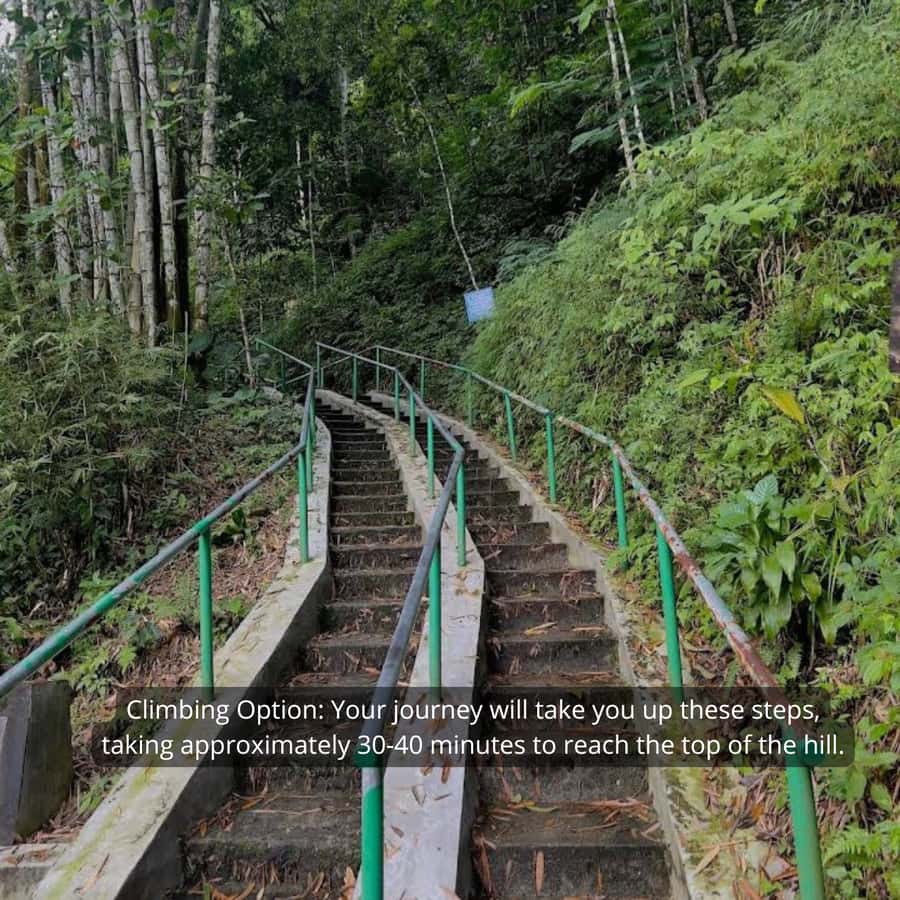
This is the classic “go higher” route. You hike from the parking area to Turgo Hill, and the climb is about 40–60 minutes depending on pace and conditions. Expect around 1,700–1,740 steps, and yes, it can be tiring, but it’s also part of why the view feels so immediate once you arrive.
Along the way, you might hear Merapi’s soft rumble. In reviews, people also mention stairs that are there to help you keep moving—even when rain makes everything slick and cloudy. One person described it as straightforward thanks to stairs and solid footing, but the honest note is: wear proper shoes and take it slow.
Sunrise hike at 3:00 AM (same route, different payoff)
If you want the early light, there’s a sunrise hike starting at 3:00 AM. It follows the same Turgo Hill route as the night hike, but you’re trading glow-on-black for a broader panorama over Yogyakarta.
This option is for you if:
- you want quieter morning air and wide views
- you’re okay with an early start and want the “wow” of sunrise plus volcano visibility
- you like wildlife-style nature moments (some people mention birds)
Just remember: you’re still doing the step climb at night/early morning hours, so treat it as a real hike even if it doesn’t sound long on paper.
Getting There from Yogyakarta: Pickup, Comfort, and the Drive Plan
This tour is built around simple logistics: hotel pickup and drop-off, plus air-conditioned transport. You have pickup options in Yogyakarta City or Sleman Regency, and drop-off returns you to those areas. The driving portion is part of the experience because your guides use that time to set expectations.
In reviews, drivers are often praised for being patient and making the ride feel easy. Some even make it feel like an in-car hangout with music and conversation. That sounds small, but after a day of temples and traffic, it helps your mood when you’re about to spend the evening waiting on a hill.
Time-wise, the full outing runs around 5–6 hours, which is just long enough to include the drive out, the viewpoints, and the waiting period. It’s also short enough that you’re not turning your whole day into “volcano logistics.”


Before the Volcano: Bunkers, Towers, and Why These Stops Matter
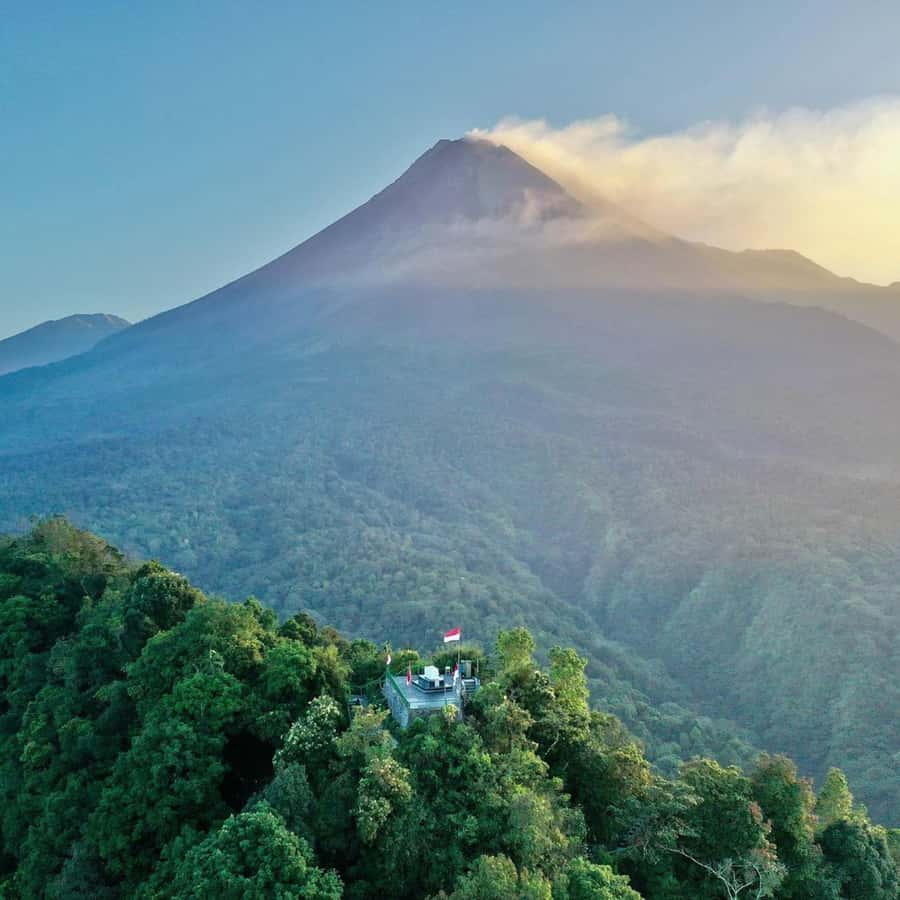
A lot of volcano tours only do one thing: point and watch. This one adds context, and that’s where the trip becomes more than a spectacle.
You start with visits that include:
- a bunker
- an observation tower
These are not just random structures. They’re tied to how eruptions have been monitored during past activity. You’ll get a guided explanation of what these places were used for, and it makes the whole night feel grounded in human response—not just nature doing its thing.
One reason I like this approach is psychological. When you understand why you’re standing somewhere specific, you stop feeling like you’re “hoping for a view.” You’re there for a purpose. Even if weather limits what you can see, the history and function of the monitoring area give the night shape.
The Main Viewing Area: The Waiting Game and What to Bring for It
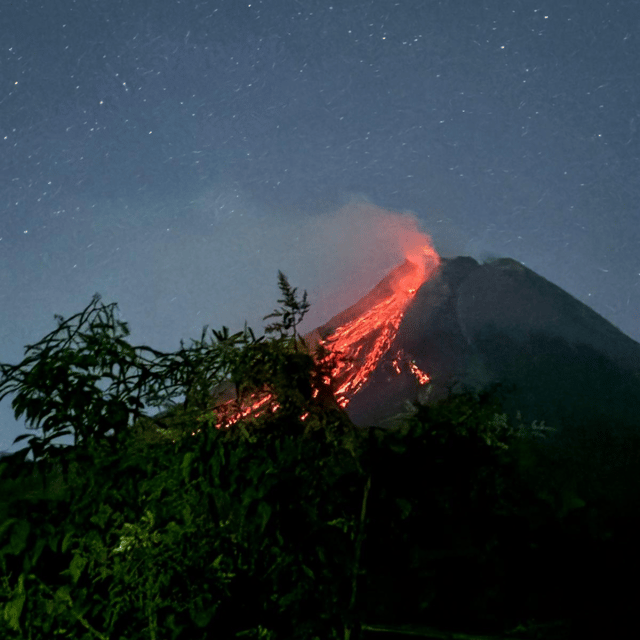
This is the heart of the tour. You reach the main viewpoint and then you wait—because Merapi doesn’t schedule itself.
When conditions are good, people describe seeing glowing lava moving down the volcano’s slopes. Some nights start cloudy or rainy, then a break in the weather can reveal the lava. That’s why a common theme is patience. Guides also seem to manage the wait actively, staying longer when conditions look like they might open again.
What you’ll notice during the wait
- Cloud cover can come and go, sometimes in waves
- The best lava moments can be short, then vanish behind haze
- Warm drinks and snacks help you stay comfortable while waiting
There’s also a realism to it. One person mentioned they were about 2–3 km away, and that helped explain why lava can move fast down the slope before it cools. That kind of “now I get it” explanation makes the sight feel even more intense.
What to bring (this matters more than you think)
Bring comfortable shoes with traction. The tour specifically notes a jacket and comfortable clothes, and you’ll want a bottle of water for the hike option. If it’s raining, they provide raincoats, but your shoes still need to be ready.
If you’re sensitive to pests, one review explicitly recommended repellent, so it’s a smart add-on for the hilltop and nature edges.
And for cameras: plan for low light. If you’re shooting at night, expect a mix of darkness and sudden bright lava glow. A jacket helps because it can get cool once you’re on the hill.
Night vs Sunrise: Choosing the Right Time to Watch Merapi
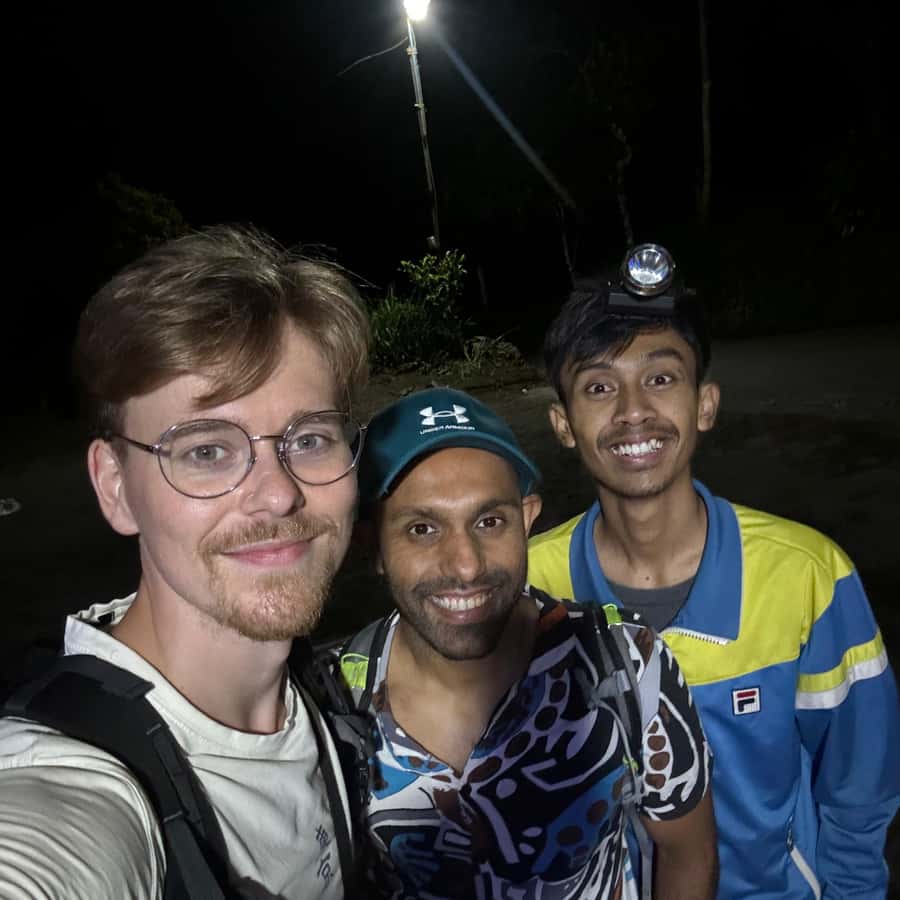
Both options can work, but they feel different.
Night tour vibes
Night viewing tends to be about dramatic contrast: glowing lava against darker hills. People often talk about getting lucky with clouds opening up, with one glowing moment turning an entire rainy evening into a highlight.
The trade-off is that night can be harder for visibility. One guide-managed note from a review: artificial lights at the viewpoint can make lava visibility harder at night. That doesn’t kill the experience, but it’s why good timing and patience matter.
Also, the night option is usually more about atmosphere: the walk through countryside at night, a quiet sense of place, and then the waiting when you’re up at elevation.
Sunrise vibes
Sunrise is more forgiving in another way: even if lava isn’t visible, you’re still getting Yogyakarta’s morning panorama. Reviews mention the memorial area on Turgo Hill and that sunrise views can be stunning even when lava is limited by weather.
You’ll pay for it with the start time. If you can handle early mornings, sunrise gives you a better chance to enjoy the scenery even under less-than-perfect lava visibility.
Guides and Group Size: Why the Experience Feels Personal
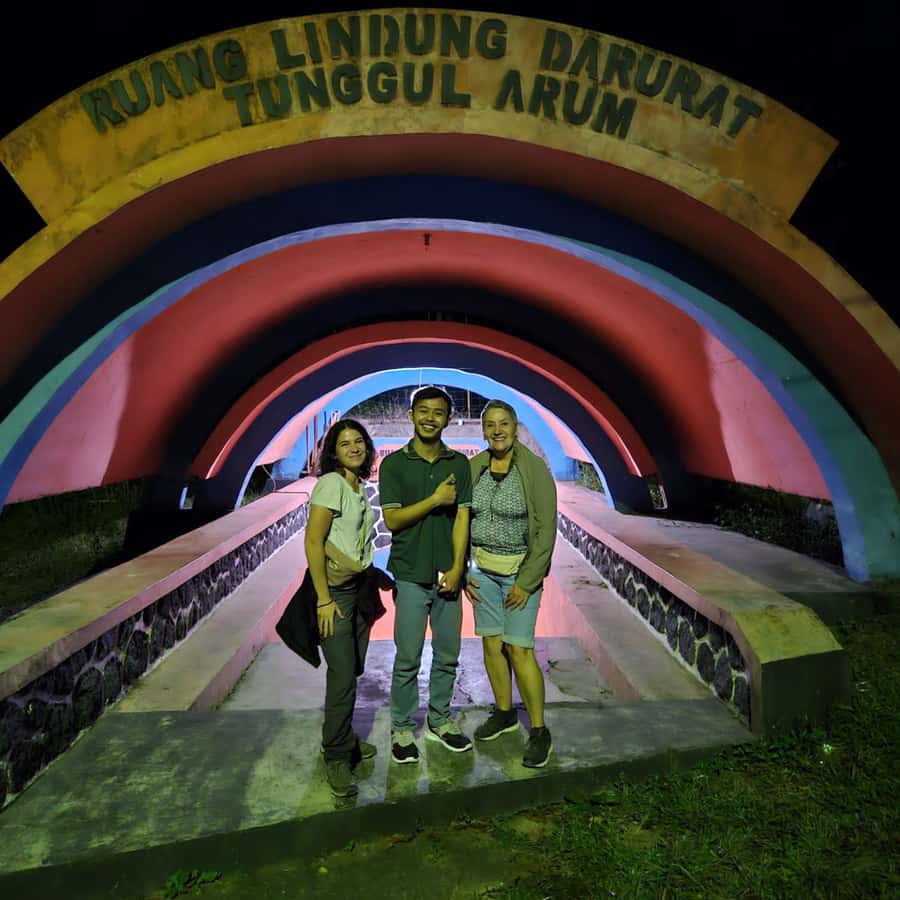
This is listed as a small group tour, and that tends to make a difference. In reviews, people repeatedly praise the guides for being friendly, patient, and willing to explain Merapi in a way that feels human, not textbook.
You might meet guides such as Tito, Odi, Sharla, Bagas, Rico, Lois, Riko, Tyo, Aldo, Rumy, and others named in descriptions. What they share across accounts is a focus on:
- volcano context and local life stories
- keeping the group calm during cloudy/rainy moments
- making waiting feel less like standing around
One person even described learning small cultural things like gamelan during the evening. Another mentions guides adding humor and conversation, which matters when you’re up there for a while and the sky isn’t cooperating instantly.
Food, Coffee, and Warm Snacks: The Small Perk That Saves the Night
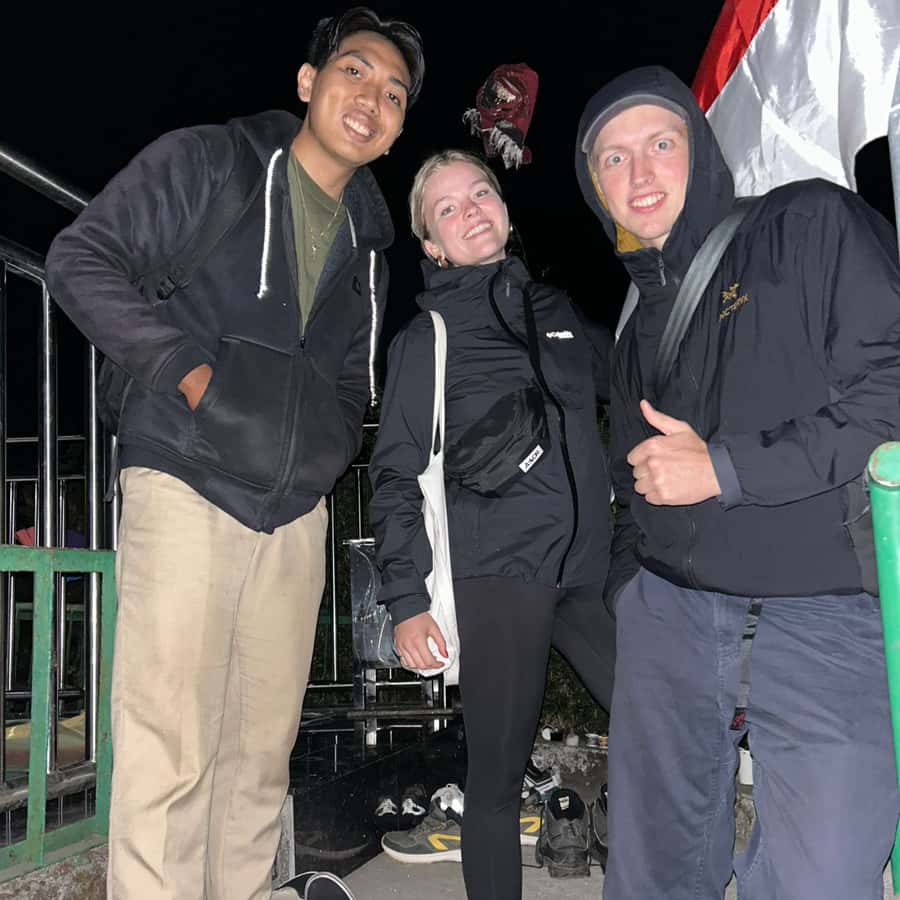
This tour is not just cold air and waiting. Snacks and warm drinks show up as part of the viewing rhythm.
In descriptions, you might see:
- coffee and tea
- local snacks
- warm noodle soup with tea at some points during the viewing period
That matters because the experience can hinge on waiting for weather. When you’re comfortable and not rushing, you’re more likely to catch a clearing—especially if lava appears briefly and then disappears again behind clouds.
Price and Value: Is $23 Worth It?
At about $23 per person for a 5–6 hour outing, this falls into a category where value depends on your expectations.
Here’s how I’d judge it:
- You’re paying for transport + guide + entry fees + parking plus the rain support (raincoats).
- You’re also paying for access to viewpoints that are built around Merapi viewing, not just a random hill.
- The “variable” piece is nature—lava visibility depends on weather and timing.
So the value isn’t that you’re guaranteed lava. The value is that you’re guided to the right safe viewpoints, with comfort and patience built in. And multiple accounts describe getting at least some lava even after a cloudy or rainy start.
If your main goal is guaranteed lava on a schedule, any volcano tour will disappoint you. If your goal is a well-run night out that can turn into a spectacular lava moment, this pricing makes sense.
Safety, Restrictions, and Who Should Reconsider
This trip is marketed as a safe viewing experience from established areas. Still, you’re dealing with active-volcano terrain at night, and the tour has clear physical and health limits.
Not suitable for:
- children under 10
- pregnant women
- people with heart problems
- wheelchair users
- people over 309 lbs (140 kg)
And there are activity restrictions: no fireworks and no making fire. That keeps the area respectful and safer.
If you choose the hiking option, remember it’s not a casual stroll. The step count is real, and it can be cool at the top, so jacket + shoes + water aren’t optional.
One more practical point: if the weather is poor, visibility can drop fast. The trip is worth it for the viewing attempt and the guided context, but go in knowing you might spend more time waiting than watching lava.
What a Good Experience Looks Like (Even When Weather Turns)
Here’s the reality I like to share: Merapi is active, but the sky controls your view.
On some evenings, you arrive in rain and fog and initially see little. Then clouds lift, and you get a chance to see lava glow and flow. On other nights, the volcano stays hidden. When that happens, the trip still often delivers because you’re not just walking to an empty spot. You visited the bunker and tower, you had warm snacks, and you spent time with guides who explain what you’re seeing (even when you can’t see much).
In other words: the experience is designed so you don’t leave empty-handed. You might not see the dramatic lava run every time, but you’ll still get the Merapi-focused night out.
Should You Book This Merapi Lava Tour?
I’d book it if you want:
- a guided, safety-minded lava viewing plan from Turgo Hill
- either a relaxing night with viewpoint time or a real hike with a closer perspective
- warmth and snacks built into the waiting period
- a small-group feel where the guide actually talks and helps you interpret what’s happening
I’d skip it if:
- you have trouble with stairs and a night climb is a no-go
- you fall into the health or mobility restrictions listed for the tour
- you need a guaranteed lava sighting. Weather can shut the view down.
If you’re flexible, bring a jacket and solid shoes, and accept that Merapi runs on volcano timing. That’s when this tour turns from a check-the-box activity into a story you’ll remember for a long time.
FAQ
How long is the Merapi lava viewing tour?
The duration is typically 5–6 hours, depending on the option you choose and timing at the viewing points.
What are the two main tour options?
You can choose either a non-hiking option for easier viewing from safe spots, or a hiking option to Turgo Hill with about 1,700–1,740 steps (roughly 40–60 minutes).
Is there a sunrise option?
Yes. There’s a sunrise hike that starts at 3:00 AM, using the same route as the night hike.
Will I definitely see lava?
No. Visibility depends on weather conditions like clouds and fog, and lava viewing can happen only when conditions align.
What’s included in the price?
The tour includes air-conditioned car transport, pickup and drop-off, all entry fees, a professional driver, a tour guide, parking fees, and raincoats if it rains.
What language are the guides?
The live tour guide is available in English and Indonesian. There is also an optional audio guide in English.
Where is pickup and drop-off?
Pickup and drop-off are available in Yogyakarta City and Sleman Regency.
What should I bring?
Bring comfortable shoes, a jacket, comfortable clothes, and for the hiking option, a bottle of water. It can be cool at the top.
Who is this tour not suitable for?
It’s not suitable for children under 10, pregnant women, people with heart problems, wheelchair users, and people over 309 lbs (140 kg).
Are there any rules about fire or fireworks?
Yes. Fireworks and making fire are not allowed.
What’s the weather plan if it rains?
Raincoats are provided, and the tour is still run with adjustments based on conditions, though the lava view can vary.
Can I cancel for a refund?
Free cancellation is available up to 24 hours in advance for a full refund.