REVIEW · YOGYAKARTA
Yogyakarta: Prambanan Tour, Sukuh Temple & Tea Plantation
Book on GetYourGuide →Operated by Naila Tour · Bookable on GetYourGuide
Temples, tea, and a lot of wow. This day trip in Java strings together Prambanan, the Sukuh Temple, and a tea plantation stop, so your day feels like more than one sightseeing box. I love having a local guide connect what you’re seeing to stories like Ramayana, and I like the practical payoff of ending with a real tea tasting instead of just looking at scenery.
One thing to plan for: temple entrance tickets and meals are not included, so you’ll want extra cash (and you’ll likely need it for lunch/snacks). Also, bring a camera since you’ll want photos at multiple viewpoints and temple areas.
In This Review
- Key things to know before you go
- Prambanan and Sukuh in one day: why this route makes sense
- Prambanan Temple: Sanjaya, Ramayana, and the three main shrines
- A practical note on expectations
- Sukuh Temple: the “exotic” Hindu stop that changes the mood
- What you’ll feel as you move from Prambanan to Sukuh
- Tea plantation tasting: a calmer ending after temple heat
- What makes this stop worth your time
- The guide and driver: the real difference-maker on a day trip
- What to look for during your tour
- Price and value: what $95 gets you in real terms
- How to budget to avoid surprises
- What to bring (and how to make the day easier)
- Who this day trip is best for
- Should you book this Prambanan, Sukuh & tea tour?
- FAQ
- How much does the Yogyakarta Prambanan, Sukuh Temple & Tea Plantation tour cost?
- Does the tour include hotel pickup and drop-off in Yogyakarta?
- What’s included in the tour price?
- Are temple entrance fees and meals included?
- What language is the tour guide?
- Is there a reserve & pay later option?
Key things to know before you go
- Hotel pickup and drop-off from Yogyakarta keeps your day simple and low-stress
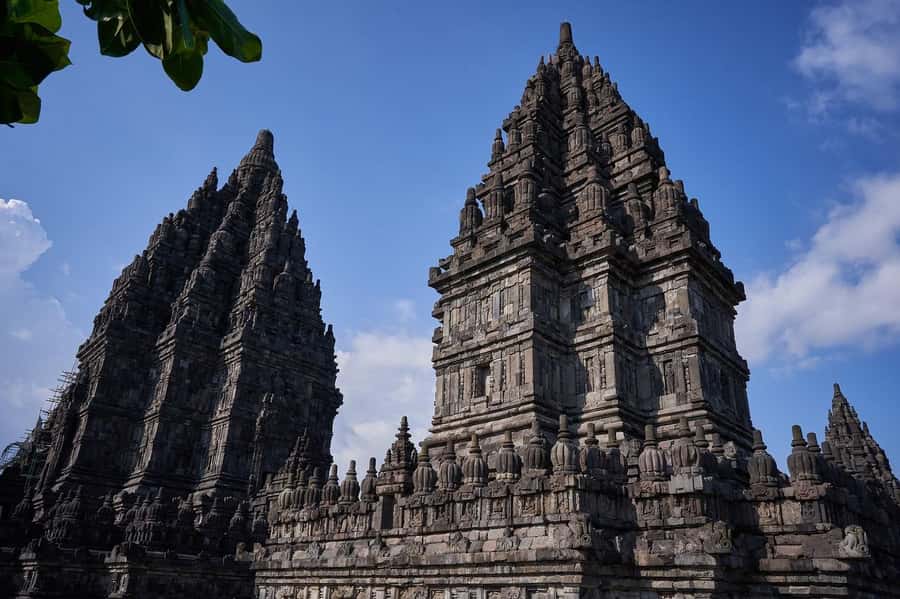
- Prambanan’s Hindu temple complex is a top highlight, including Brahma, Siva, and Wisnu
- Sukuh Temple is the exotic follow-up stop that breaks up the day’s pacing
- Tea plantation tasting is included, so you get a food/drink moment, not just photos
- English guidance with a local guide lets you understand what you’re looking at
- Bring cash for entrance tickets since they’re not part of the package
Prambanan and Sukuh in one day: why this route makes sense
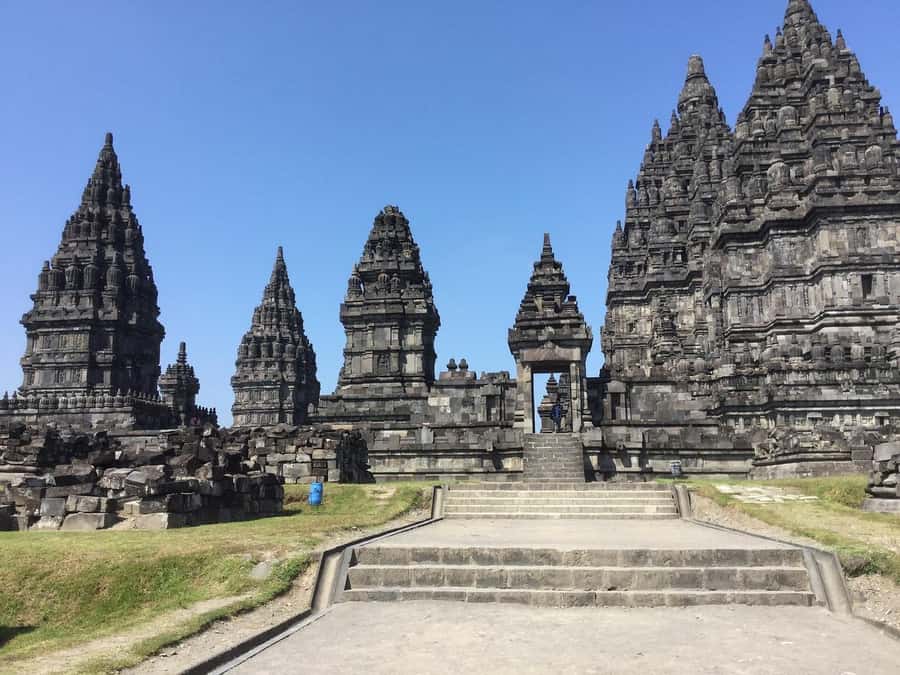
If you’re short on time in Yogyakarta, this is the kind of plan that helps you hit the highlights without burning your whole day on logistics. You start with pickup from your hotel, then you concentrate on two major temple experiences—Prambanan first, Sukuh next—before shifting gears to a tea plantation tasting.
Prambanan is the big-ticket cultural stop. The day is also structured so you’re not only rushing through stone. With a local guide, you get the meaning behind the layout, and you’re not left guessing why certain shrines matter. The follow-up at Sukuh Temple also helps. It adds variety after the main Hindu complex, so the day doesn’t blur into one long temple crawl.
The tea plantation stop is a smart closer. Temples can be hot, dusty, and tiring on your feet, and a tasting gives you a chance to slow down. It’s also a change of setting, which makes the whole route feel more complete.
You can also read our reviews of more tours and experiences in Yogyakarta.


Prambanan Temple: Sanjaya, Ramayana, and the three main shrines
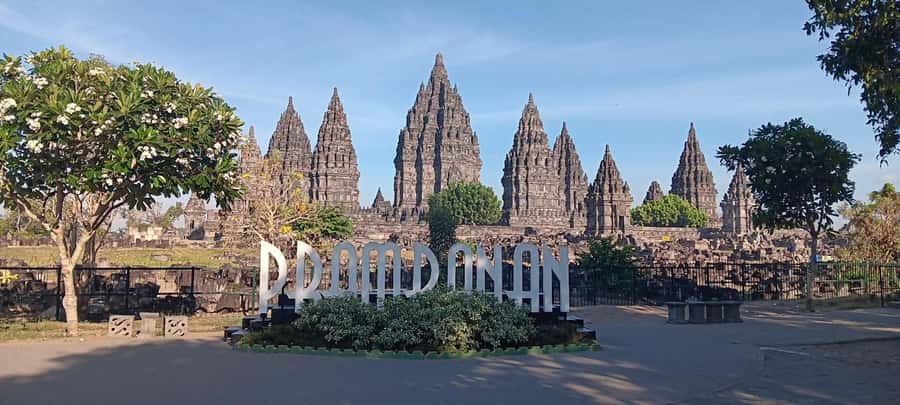
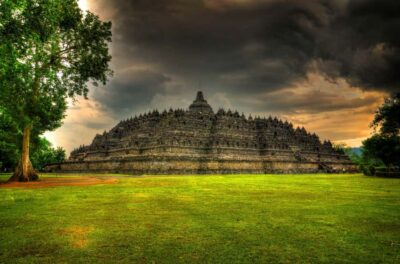
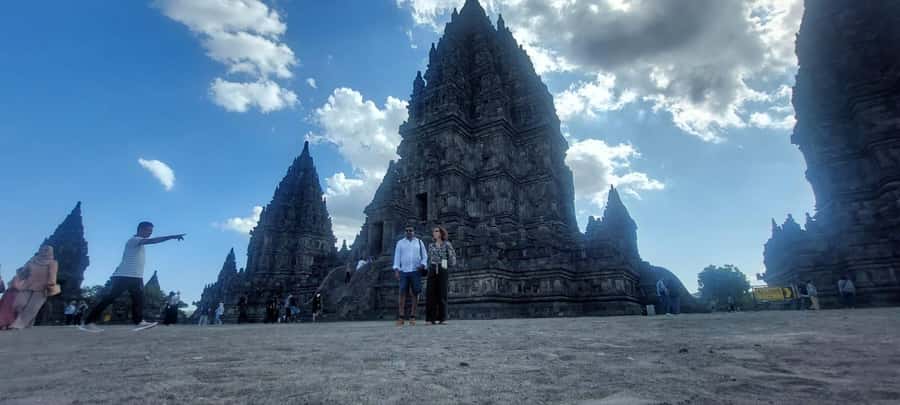
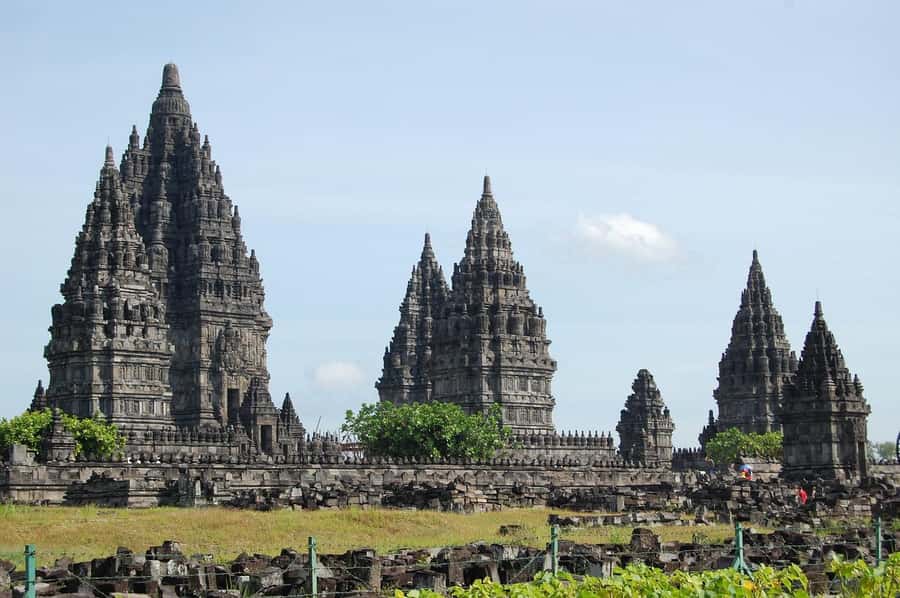
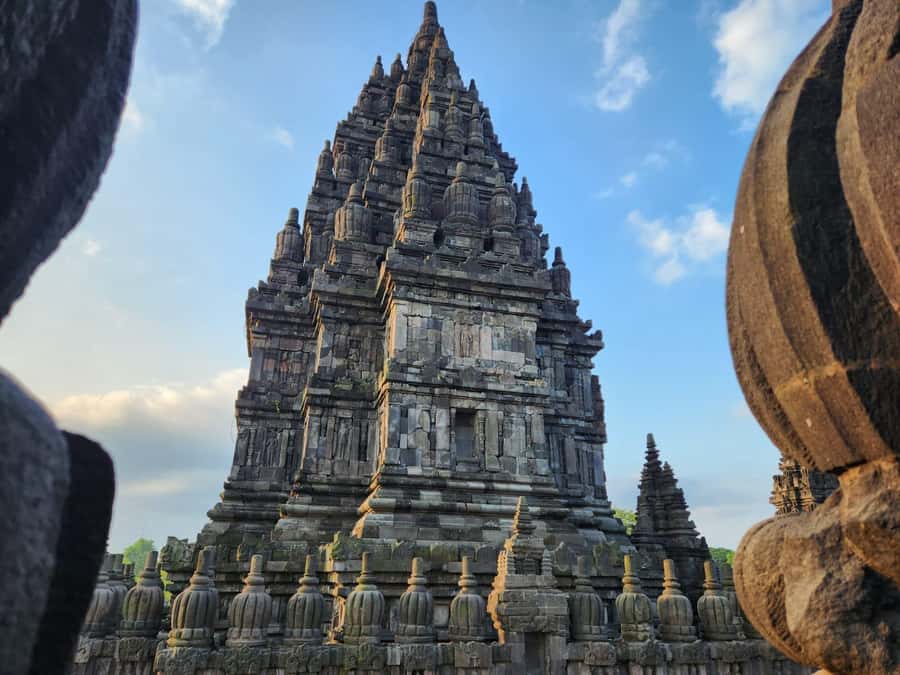
Prambanan is widely seen as the highest Hindu temple in Indonesia, and the scale is part of why it’s such a draw. You’ll go with a local guide who explains the site, not just points you toward photo angles. That matters here, because temple complexes are easy to view like “pretty ruins” unless someone tells you what to notice.
You’ll learn that Prambanan was built in the 9th century by King Sanjaya. One of the most interesting explanations you’re likely to hear is why Prambanan includes both Hindu and Buddhist elements. The story goes that the king created a temple mix after marriage—so the architecture reflects respect for his wife’s religion, resulting in a blend of traditions at the same complex.
On the ground, the guide’s explanation connects to how the complex is organized. You’ll hear about the three main temples dedicated to Brahma, Siva, and Wisnu. Having those names and roles in mind makes it much easier to follow what you’re looking at, because you can map the symbols and structures to the deities they represent.
And then there’s Ramayana, the famous story associated with Prambanan. If you’ve ever read the plot or watched an adaptation, you’ll likely recognize how the narrative connects to the temple’s cultural importance. Even if you’re not deep into the story, having it explained gives you a thread to hold onto while you walk.
A practical note on expectations
Entrance fees are not included, so you’ll need to handle tickets separately at the temple. Plan for that and keep some cash ready. If you’re the type who likes to move quickly, you’ll still benefit from the guide’s pacing—because the value here is meaning, not just speed.
Sukuh Temple: the “exotic” Hindu stop that changes the mood
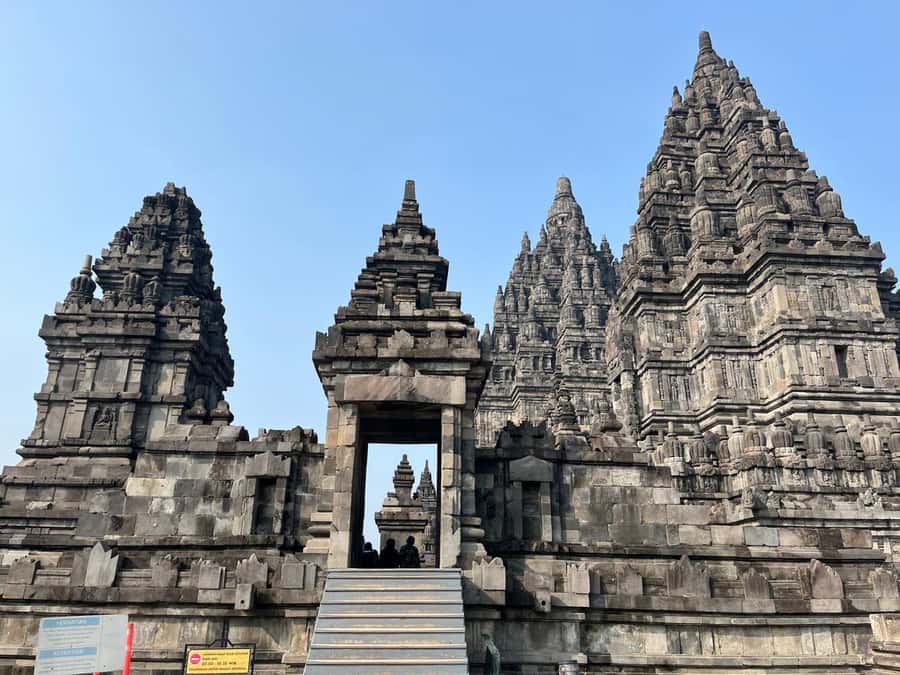
After Prambanan, the route continues to Sukuh Temple, described as an exotic Hindu temple. Even without a long lecture, the second temple stop is useful because it prevents the day from turning into one repeat pattern: walk, look, snap, leave.
Sukuh functions like a palate cleanser. The experience shifts away from the main Prambanan complex and toward a different kind of temple atmosphere. You get another guided stop, so you’re not simply relying on your own interpretation.
What you’ll feel as you move from Prambanan to Sukuh
Prambanan sets the historical and religious framework: king Sanjaya, the Hindu-Buddhist mix, and the big names and shrines. Sukuh then adds contrast. It keeps the story going without making you sit through the same kind of explanation twice.
Because the tour is a day trip, the pacing matters. You’ll want to keep your camera charged and your energy up for the next stop. If you like to take extra photos, mention it to the driver early so the timing stays comfortable.



Tea plantation tasting: a calmer ending after temple heat
The tour includes a tea plantation stop with tasting. This is one of those parts that can feel optional on paper—until you actually want something refreshing after walking. A plantation visit also gives your brain a different kind of context: you shift from ancient architecture to everyday agriculture.
You’ll get the chance to see the tea plantation and taste it as part of the tour. Even if you’re not a tea fanatic, the tasting is a straightforward, included payoff. It’s also easy to enjoy in a practical way: you’re able to rest your legs, hydrate, and reset before the return drop-off to your hotel.
What makes this stop worth your time
Temple days can run long and feel repetitive if you only do “more of the same.” The tea tasting is a built-in break that turns the day into a mix of culture and local life. Plus, mineral water is included, which helps you stay comfortable during the day’s transitions.
If you have a sweet tooth, you might find you prefer the tasting session after some walking. Just remember that meals are not included, so you may still want to budget for lunch/snacks separately.
The guide and driver: the real difference-maker on a day trip
On a packed day like this, the driver and guide quality matters more than people expect. The best part of the experience is how smoothly it can flow: getting you between sites, keeping time, and helping you adjust when the day changes.
In the feedback you can learn from, the driver and guide performance is a standout. One guide name that comes up is Andy, praised as fantastic and helpful. Another highlight is traffic navigation and flexibility, including being able to adjust or add stops when it makes sense.
That flexibility can be huge for temple trips. Between crowds, heat, and your own photo timing, it’s nice when your transport isn’t rigid. A good driver can keep things moving without making you feel rushed.
You also get a local guide for Prambanan, and the explanations are what turn the visit into something you remember. A guide can point out what matters, explain why the site is arranged the way it is, and connect the story elements—like Ramayana and the Brahma/Siva/Wisnu setup—to the actual structures you see.
What to look for during your tour
When your guide explains the history—King Sanjaya, the temple blend, and the three main shrines—pay attention to the named deities and the Ramayana connection. Those details are your “map.” With that in mind, your photos tend to come out better too, because you’re photographing with purpose, not just angles.
Price and value: what $95 gets you in real terms
At $95 per person, this is positioned as a focused guided day trip. The real value isn’t just the temples—it’s what’s bundled.
What’s included:
- Hotel pickup and drop-off
- Transportation
- Local guide for Prambanan
- Mineral water
- Parking fees
What’s not included:
- Temple entrance fees
- Meals
- Tipping the driver
So is $95 fair? For a day that covers Prambanan, Sukuh Temple, and a tea plantation tasting—with pickup, transport, and guide support—it’s a sensible package. The biggest cost you’ll still face is temple entrance tickets plus meals, so your total spending will be higher than $95. But the base price is doing its job: handling the “how do I get between all these places” problem for you.
The practical win is convenience. You’re not coordinating transport on your own, and you’re not guessing how much time to allocate for each major stop. You’re also getting English guidance, which is essential when you want temple meaning, not just temple visuals.
How to budget to avoid surprises
Before you go, plan for:
- Entrance ticket costs at Prambanan (and any additional temple fees)
- Lunch/snacks since meals aren’t included
- A tip for the driver (not required in data terms, but expected in many settings—plan a little)
Keeping this in mind will make the day feel like a smooth experience, not a “pay again later” situation.
What to bring (and how to make the day easier)
This tour specifically asks you to bring a camera and cash. That’s the big practical takeaway, because temple entrance fees are not included. Cash also helps when the day includes tea tasting and you may want to buy additional small items on site.
A few other simple ideas that fit the day:
- Wear comfortable walking shoes. You’ll be on your feet through temple areas.
- Bring a power bank for your camera/phone. Two temple stops plus tea means lots of photos.
- Keep your cash separated so you can handle entrance fees without digging through your bag in the heat.
Also, mineral water is included. Still, pace yourself. Temple days can be deceptively tiring.
Who this day trip is best for
This is a strong fit if you want:
- A guided temple day with English explanations
- A one-day plan that covers Prambanan and Sukuh without extra planning
- A break at the end for tea tasting instead of only walking
It’s especially good for first-time visitors to Yogyakarta who want a clear hit list. If you already know you want the major Hindu temple experience and you also enjoy learning the story behind what you see, the local guide format is a plus.
If you’re traveling as someone who dislikes group pacing or hates schedules, you might feel the day is “packed.” But the flexibility mentioned in the driver feedback suggests you’ll have some room if you communicate early.
Should you book this Prambanan, Sukuh & tea tour?
Yes—if you want an efficient, guided day that turns major temple stops into understandable experiences. The biggest reasons to book are the combination of hotel pickup, a local guide at Prambanan, and the built-in tea plantation tasting.
I’d skip or rethink it if you’re on a tight budget where entrance tickets and meals would feel too expensive on top of $95. Also, if you prefer total DIY control, you might find it limiting that the day follows a set route.
FAQ
How much does the Yogyakarta Prambanan, Sukuh Temple & Tea Plantation tour cost?
The price is $95 per person.
Does the tour include hotel pickup and drop-off in Yogyakarta?
Yes. It includes hotel pickup and drop-off, plus transportation during the day.
What’s included in the tour price?
Included are transportation, a local guide for Prambanan, mineral water, hotel pickup/drop-off, and parking fees.
Are temple entrance fees and meals included?
No. Temple entrance fees and meals are not included, and tipping the driver is also not included.
What language is the tour guide?
The tour is offered in English.
Is there a reserve & pay later option?
Yes. The listing offers reserve & pay later, so you can book without paying today.