REVIEW · YOGYAKARTA
Yogyakarta: Borobudur, Mt. Merapi, Prambanan & Ramayana Tour
Book on GetYourGuide →Operated by Jogja Borobudur Tour & Travel · Bookable on GetYourGuide
Waking up early changes how you see Java. This 12-hour circuit stacks Borobudur sunrise access with UNESCO temple time plus a real volcano outing, so the day feels like it has three different moods. The English-speaking guide approach also matters here, since you’ll get context as you walk the stone stories.
I also love the mix of motion and meaning: the Merapi Jeep ride gives you a close-up feel for an active volcano, then the day ends with a Ramayana dance show rooted in Javanese performance. One drawback to plan for is weather. If skies turn foggy or rain hits, sunrise and volcano views can get muted even with good timing.
In This Review
- Key points at a glance
- Why this Yogyakarta tour feels like three different worlds
- Sunrise setup at Setumbu Hill, and how to time your Borobudur photos
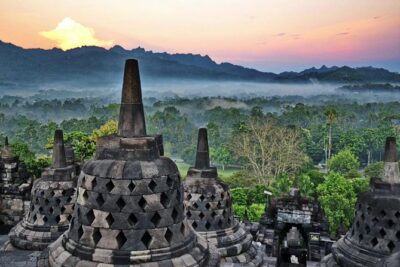
- Borobudur’s upper levels: what to look for when you get there early
- Mt. Merapi by Jeep: the active-volcano side of Java
- Prambanan: Shiva’s temple compound and the Ramayana reliefs
- Ramayana dance at Purawisata Jogja: where myth becomes performance
- Price and value: what you really pay for on this 12-hour circuit
- Tips that make the day smoother (and more fun)
- Guide quality is the hidden ingredient
- Who should book this tour
- Should you book this Borobudur–Merapi–Prambanan tour?
- FAQ
- How long is the Yogyakarta Borobudur, Mt. Merapi, Prambanan & Ramayana Tour?
- What is included in the tour price?
- Are entry fees included for Borobudur and Prambanan?
- If I want sunrise at Borobudur, do I pay extra?
- How do you visit Mt. Merapi, and what does it cost?
- Where does the Ramayana dance performance happen?
- Is there an English-speaking guide?
- What cancellation and payment options are available?
Key points at a glance
- Guaranteed upper-part access at Borobudur, so you’re not stuck on the lower levels
- Sunrise is optional, with Setumbu Hill as the extra early step if you want the views
- Mt. Merapi by Jeep with photo stops along the way, using an all-terrain approach
- Prambanan’s Shiva temple compound with reliefs tied to the Ramayana story and Hindu divinities
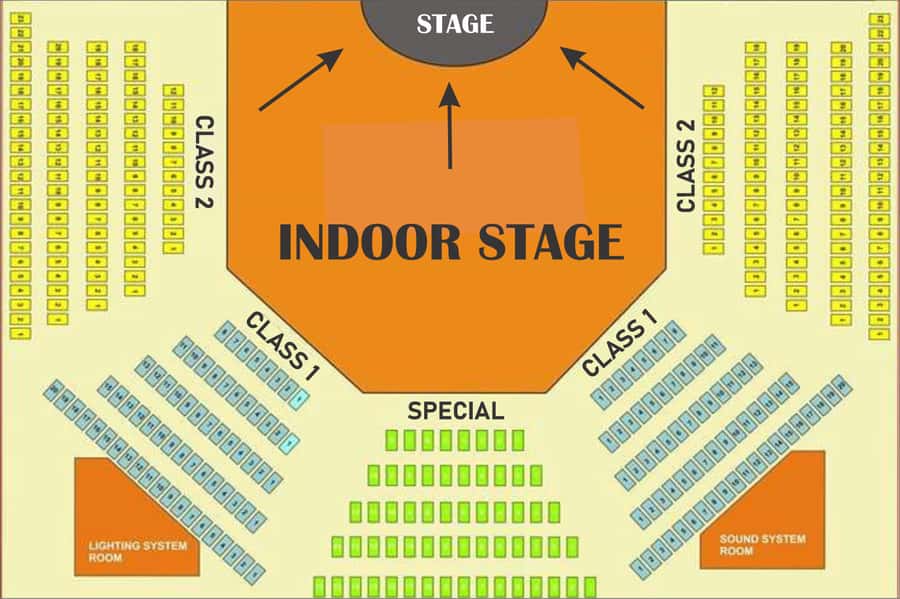
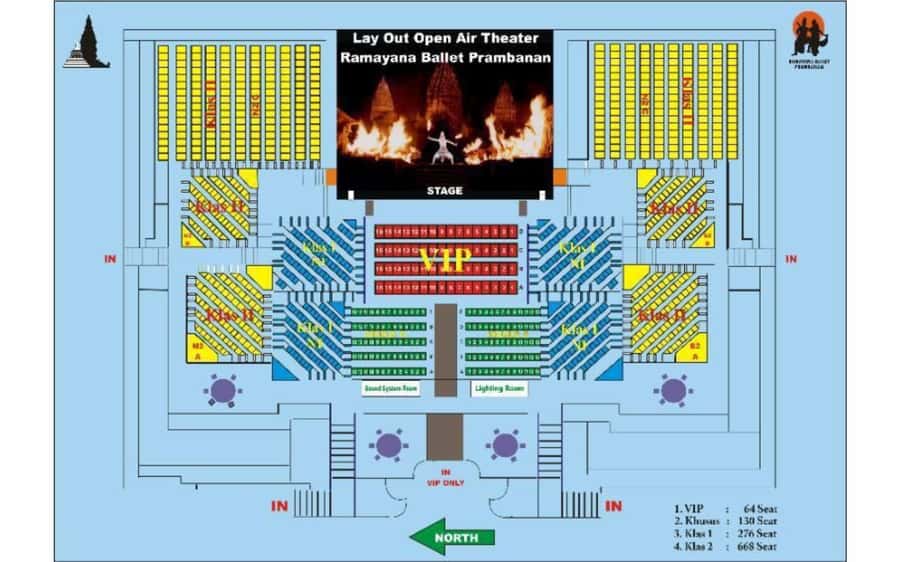
- Ramayana dance at Purawisata Jogja, a separate venue from Prambanan itself
- Hotel pickup and drop-off keeps this long day from turning into logistics
Why this Yogyakarta tour feels like three different worlds
This is the kind of day trip that works because it doesn’t try to be one thing. You start with Buddhist monument awe at Borobudur, then pivot to Indonesia’s active-volcano energy at Mt. Merapi, and then switch again to Hindu temple symbolism at Prambanan. The Ramayana dance at Purawisata Jogja is the cultural closer, the part that turns the carved stories you saw in stone into something you can hear and watch.
And yes, it’s a long day. But the pacing is the point. You’re not driving from one spot to another just to check boxes. The route is built so each stop gives you a different way to understand Central Java: religion in architecture, nature in geology, and myth in performance.
You can also read our reviews of more tours and experiences in Yogyakarta.
Sunrise setup at Setumbu Hill, and how to time your Borobudur photos

You usually have two ways to start: go for sunrise, or skip it and go straight to Borobudur. If you choose sunrise, the plan typically means an early departure and a stop on a nearby hill called Setumbu Hill. There’s a small extra fee for that sunrise viewing, listed as USD 4.
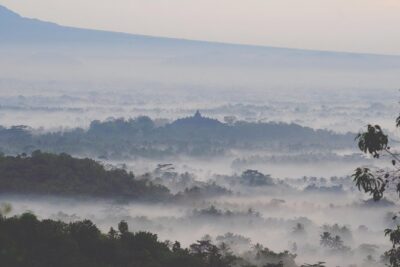
Here’s the practical thing: sunrise success depends on weather. One of the clearest lessons from real-day experience is that fog can steal the show. Even if you do everything right, thick cloud cover can blunt the view from the hill and make the volcano portion less dramatic later. The upside is that when visibility is good, Borobudur in early light is a different experience than midday. The monument looks more dimensional, and the whole site feels quieter before the big crowds roll in.
For photos, timing matters inside Borobudur too. A tip that’s easy to apply: if you want the cleanest shots with less crowd interference, aim to enter before the first tour of 8:30 AM. You’ll get a head start on the flows that stack up once the day-trippers arrive.
Borobudur’s upper levels: what to look for when you get there early
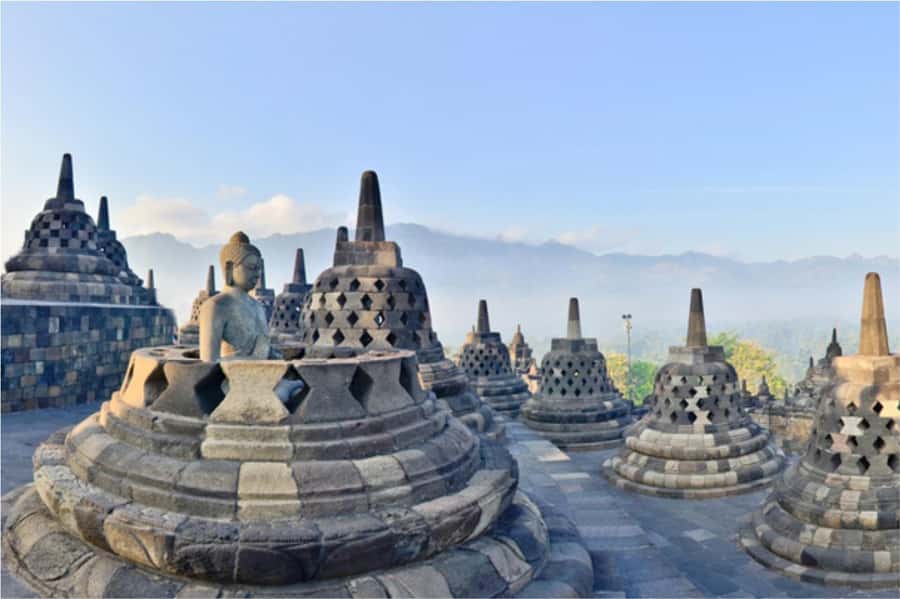
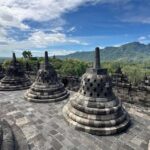
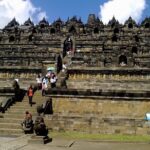
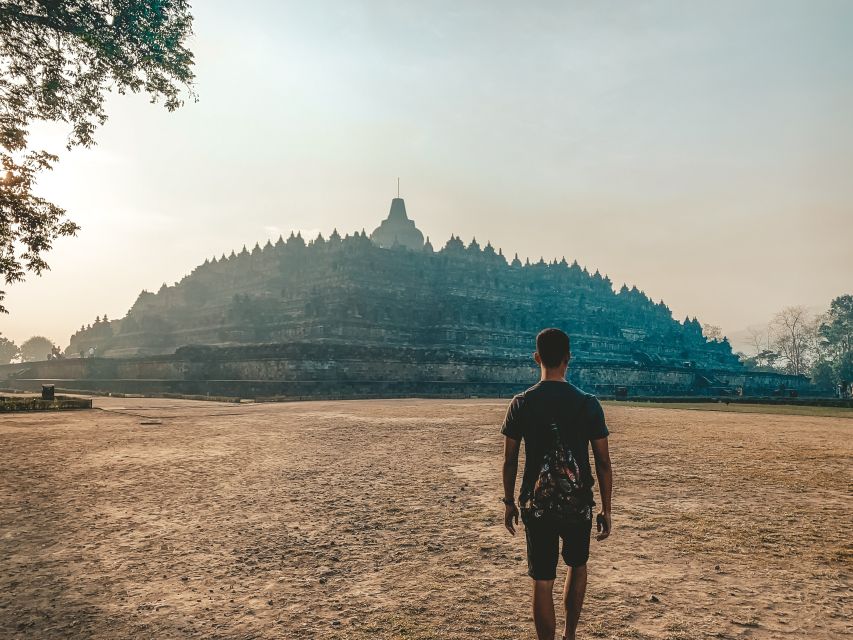
Borobudur is the single largest Buddhist structure on Earth. That sentence is impressive, but walking it is where the size stops being an abstract fact and becomes a physical sensation. You’re working with layers of terraces and carvings that reward slow attention. The tour’s structure helps because you’re set up to arrive as gates open, which gives you a calmer runway.
Two details matter a lot for how your visit will feel:
- Upper-part access is guaranteed. You won’t have to gamble on whether you can reach the higher levels once you arrive. That’s a big deal because the best sightlines and the sense of vertical “reading” through the monument are easier to appreciate from above.
- You’ll be guided through the temple story in context. With an English-speaking guide, you’re not just wandering. You get explanations that connect what you’re seeing to what it means, which makes your time there far more satisfying than a quick walk-and-snap.
Borobudur also works well for different travel styles. If you love photography, early entry helps. If you love history, the carvings and layout make a lot more sense when someone gives you the “why” behind the design. And if you just want the atmosphere, the early start usually means you can feel the monument before it turns into a crowded carousel.
One more practical point: the entry fees for Borobudur + Prambanan together are paid separately on the day of the tour, listed as USD 55 per person (or IDR 900,000). Plan for that so you don’t get surprised at the gate.
Mt. Merapi by Jeep: the active-volcano side of Java
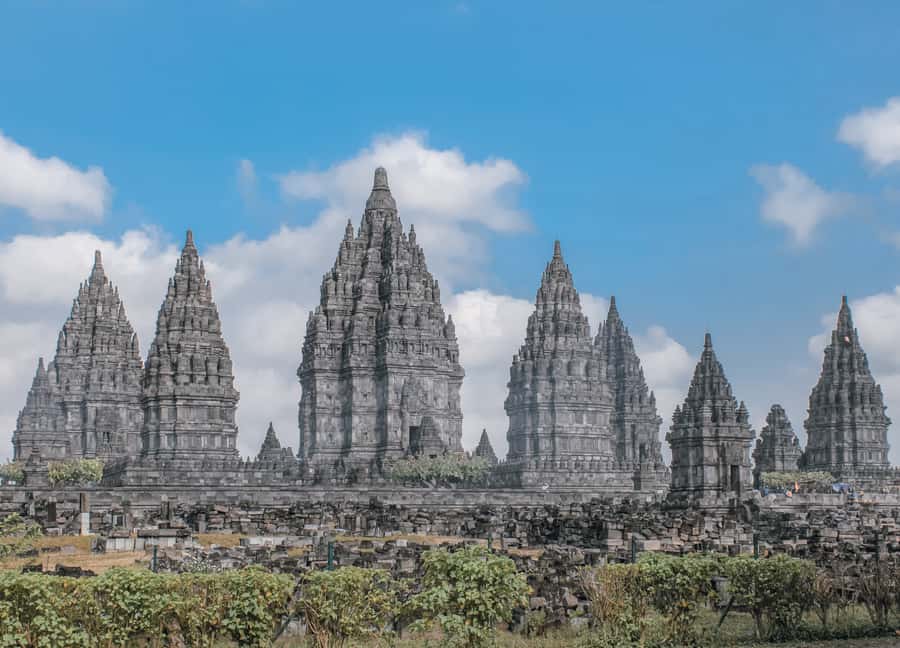
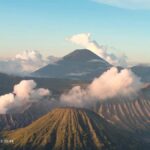
After Borobudur, the day swings into a completely different gear. Mt. Merapi is one of Indonesia’s most popular volcanoes, and the tour visits it by Jeep. This is one of the highlights because Jeep travel is the realistic way to reach the right viewpoints and photo stops without turning the day into a slow, exhausting grind.
What you get is a mix of scenery and practical volcano “presence.” One review tip that’s useful: you might see things like a bunker and photo points tied to past eruption stories. That helps you understand you’re not just looking at a mountain, you’re seeing how people live with a dynamic landscape.
The biggest thing to understand before you go is visibility. If fog or heavy cloud covers the area, you may not get the dramatic volcanic views you hoped for. That doesn’t mean the Jeep ride is useless, but it can change how striking the volcano feels. It’s the same logic as sunrise: the experience is weather-dependent.
Still, even in less-than-perfect visibility, a Merapi Jeep outing is fun because it’s active travel. You’re bouncing from spot to spot, watching the terrain change, and getting shots that feel more “you were there” than “you saw it from a bus window.” One neat detail from guide behavior: some guides also help you plan where to stand for photos, and you can use that time to build a small set of images rather than trying to photograph everything at once.
Also note: there’s an added Merapi volcano fee listed as USD 27 or IDR 400,000 per group (up to 3 people), and it includes the Jeep. That group-based phrasing matters for budgeting if you’re traveling with friends or family.
Prambanan: Shiva’s temple compound and the Ramayana reliefs
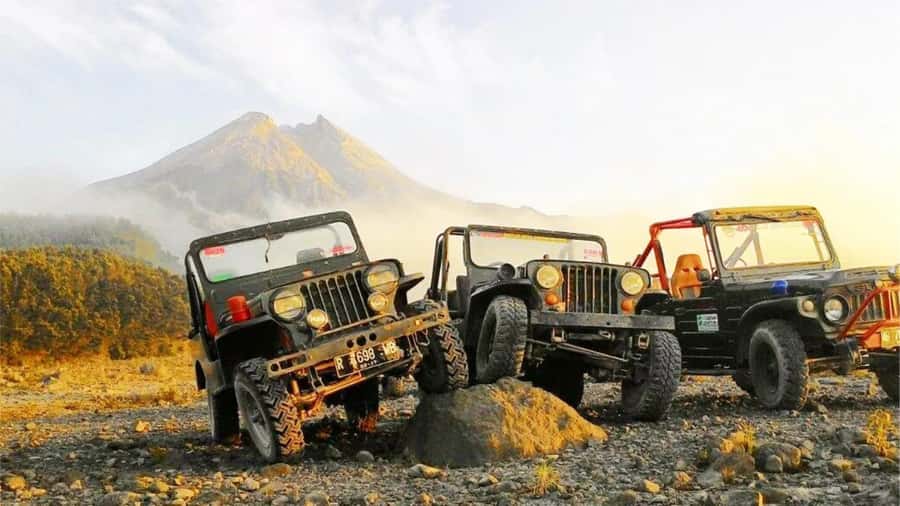
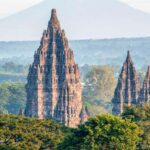
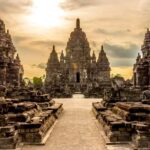
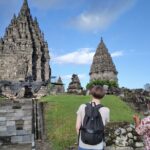
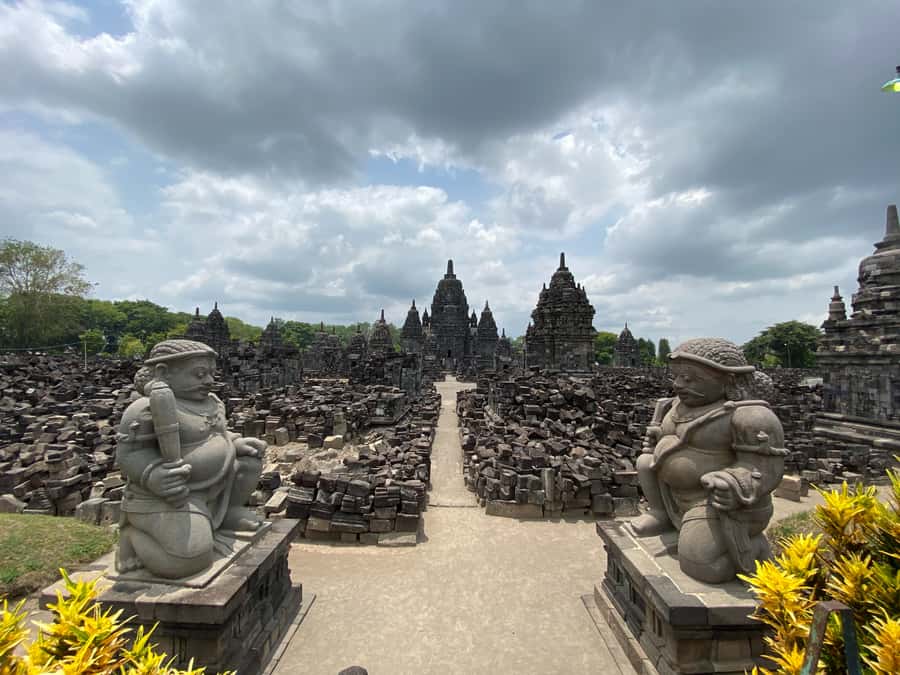
Prambanan is the big Hindu stop in this route, focused on a large temple compound dedicated to Shiva. The site is famous for its dramatic, towering architecture and for how it’s laid out like a statement in stone.
What makes Prambanan particularly engaging on this tour is the connection to narrative. You’re not only seeing three major temples decorated with reliefs. You’re also seeing how those carvings relate to the Ramayana story and the three major Hindu divinities tied to the temple themes: Shiva, Vishnu, and Brahma—plus the animals associated with them.
If you only ever do one “temple site” in Java, you’ll understand the appeal of Borobudur. If you do both Borobudur and Prambanan in one day, you’ll also feel the contrast. Buddhist monument design and Hindu temple symbolism give you two different ways to look at the same island of culture.
The time you spend matters here. Prambanan is large. You need enough minutes to walk the compound without feeling like you’re sprinting. If your schedule feels tight later, make sure you keep a bit of time for the relief areas so you can actually connect the story details rather than just admiring walls from the outer edges.


Ramayana dance at Purawisata Jogja: where myth becomes performance
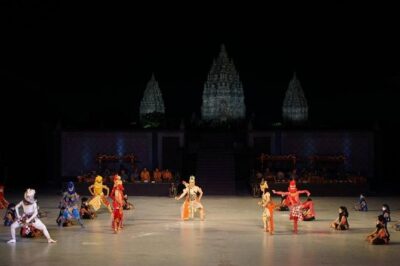
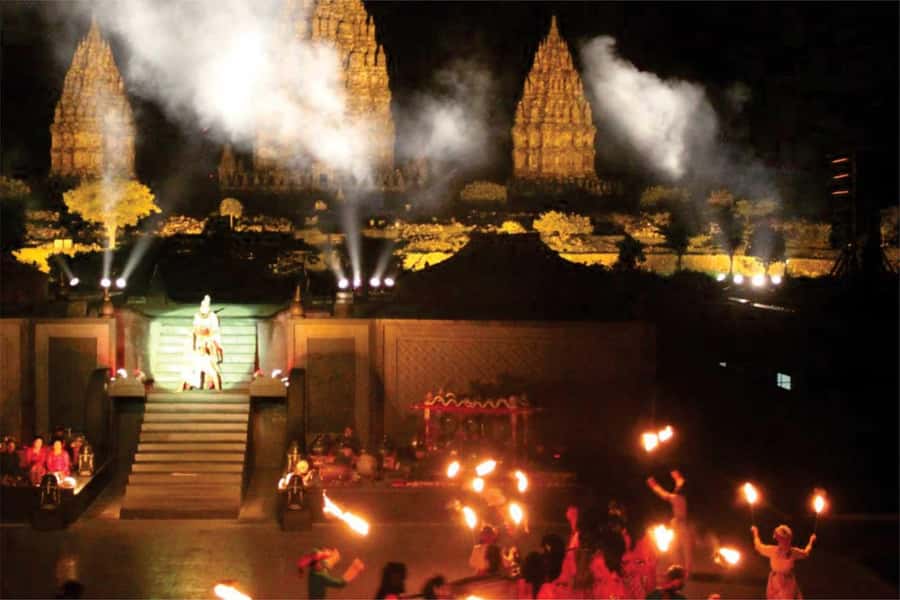
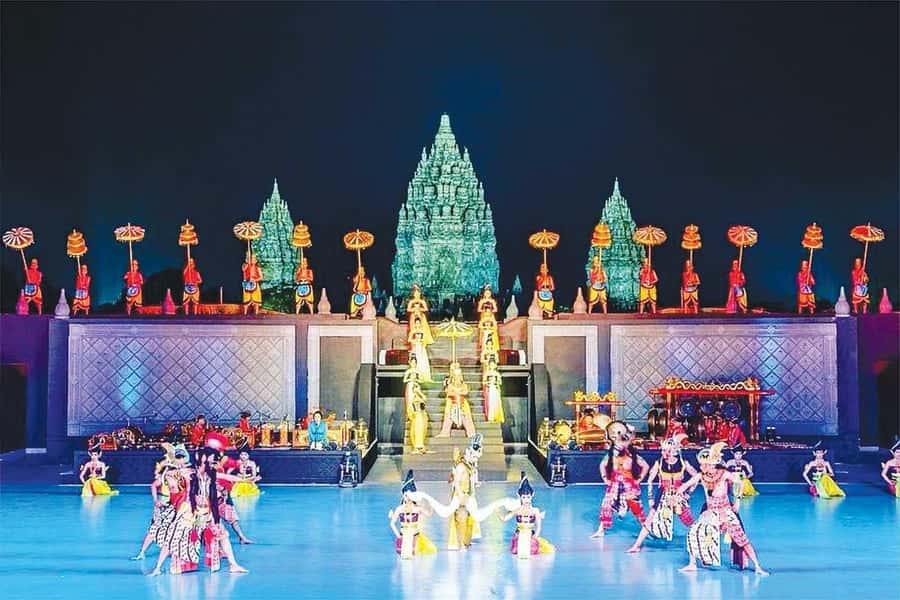
The day doesn’t end at Prambanan. It ends with a Ramayana dance performance at Purawisata Jogja. This is a key detail: the Ramayana show is not performed at Prambanan. It’s a separate venue, which means you’re switching from daytime sightseeing energy to evening show energy.
Why this matters: the Ramayana is the “linking thread” in the route. You see the epic referenced in temple reliefs at Prambanan, and then you watch it acted out with traditional dance and Javanese musical accompaniment. Even if you don’t know the story beforehand, the performance style helps you follow the emotions and character roles.
Tickets for the show are listed as IDR 300,000. Since it’s not included in the base tour listing cost (entry fees are also separate), you’ll want to budget for it if the show is non-negotiable for you.
If you’re a photo person, the show also gives you a different set of visuals than temple stone: costumes, movement, stage lighting. And if you’re a culture-first traveler, this is the part where the day turns into a memory you can feel in your body, not just recall from photos.
Price and value: what you really pay for on this 12-hour circuit
The headline price is $65 per person for a 12-hour experience, and that base covers the big logistics. You get hotel pickup and drop-off, an English tour guide, parking and donation fees, and transportation by air-conditioned car.
But you don’t escape separate payments. Entry fees are paid separately on the day. For the temples, Borobudur + Prambanan together are listed at USD 55 per person (or IDR 900,000). Add the sunrise hill fee (USD 4) if you choose Setumbu Hill. Add the Merapi Jeep fee (USD 27 / IDR 400,000 per group up to 3) and the Ramayana show fee (IDR 300,000).
So is it good value? Here’s my straight take: yes, if you want a one-day “greatest hits” route with real variety, and you’re okay paying for entry and show fees on top. The value comes from reducing your own planning and driving stress. Without a setup like this, you’d still be piecing together sunrise timing, temple entry strategy, volcano transport, and show seating. Paying for the guide and transfers buys you time and reduces mistakes.
Where you might feel less happy: if you only care about one temple or only want a casual volcano viewpoint. This tour’s strength is that it compresses a lot into one day. If you prefer a slower pace, you may end up wishing you had an extra day to breathe.
Tips that make the day smoother (and more fun)
This itinerary works best if you plan for long sitting and quick transitions. Here are the practical moves that make a real difference:
- Choose sunrise only if weather risk is okay for you. If fog happens, you might not get the view you imagined. If you can accept that, sunrise is still worth considering for the early, calm feeling at Borobudur.
- Keep your entry-fee budget ready. Temple entry is separate, and you’ll pay it on the day. Knowing the amount ahead of time helps you stay relaxed.
- Use your early Borobudur timing for photos. Entering before the first tour of 8:30 AM can help you get cleaner shots.
- Expect a long day, not a lazy day. Pickup starts early when sunrise is chosen, and you’re packing in three major destinations plus a show.
- Ask your guide about food stops. Multiple guides in this route are known for finding good lunch options. If you want a practical meal break, let your guide pick the place rather than guessing.
One small bonus some guides add: there can be a short coffee plantation stop for tasting. It’s not the “main draw,” but it’s a nice way to break up the day and stretch your legs briefly.
Guide quality is the hidden ingredient
The experience lives or dies by how well the guide connects the dots. In this tour, that connection is consistently praised. You might be with guides like Heri, Toni, Imam, Ipung, Udik, Adit, or Bayo, and the common thread is practical helpfulness: explanations that make the temples and volcano feel less random, plus help with timing and on-the-ground choices.
For example, guides have helped people find good lunch spots. Others have shared photo tips, and some have given extra context that turns a quick stop into a meaningful one. If you ask questions, you’ll get answers. That makes a difference when you’re dealing with UNESCO-level monuments and a volcano that has a safety-and-history footprint.
Who should book this tour
This fits best if you:
- Want a big first visit to Yogyakarta and Central Java without planning five separate trips
- Like a mix of monument + nature + culture show in one day
- Are comfortable with a long schedule and changing vibes every few hours
- Want an English-speaking guide who explains what you’re seeing
It may not fit if you:
- Hate early starts and weather uncertainty
- Want a relaxed, unhurried temple day
- Only care about one specific stop (like Borobudur only)
Should you book this Borobudur–Merapi–Prambanan tour?
I’d book it if you’re the type of traveler who wants your time in Yogyakarta to count. The guaranteed upper-level access at Borobudur, the Jeep-based Merapi visit, and the Ramayana dance finale at Purawisata Jogja form a day with real variety. And because entry fees and the show are clearly separate, you can budget without guessing.
If you do book it, choose your sunrise decision with your weather tolerance in mind. If you’re okay with fog possibly dulling the view, sunrise can add a special calm to Borobudur. If not, you can still have a fantastic day skipping sunrise and focusing on the temples, Merapi, and the performance.
FAQ
How long is the Yogyakarta Borobudur, Mt. Merapi, Prambanan & Ramayana Tour?
The duration is 12 hours.
What is included in the tour price?
The tour includes hotel pickup & drop-off, a tour guide, parking & donation fees, and transportation by air-conditioned car.
Are entry fees included for Borobudur and Prambanan?
No. Entry fees are not included and must be paid separately on the day of the tour. The combined entry fees for Borobudur and Prambanan are listed as USD 55 or IDR 900,000 per person.
If I want sunrise at Borobudur, do I pay extra?
Yes. If you choose sunrise at Setumbu Hill, there is an additional Setumbu Hill Sunrise entry fee of USD 4.
How do you visit Mt. Merapi, and what does it cost?
Mt. Merapi is visited by Jeep. The Merapi fee is listed as USD 27 or IDR 400,000 per group (up to 3 people), and it includes the Jeep.
Where does the Ramayana dance performance happen?
The Ramayana dance show is performed at Purawisata Jogja, not at Prambanan. The show fee is listed as IDR 300,000.
Is there an English-speaking guide?
Yes. The tour includes a live English tour guide.
What cancellation and payment options are available?
You can cancel up to 24 hours in advance for a full refund, and you can reserve now & pay later (book now and pay nothing today).