REVIEW · YOGYAKARTA
Authentic Yogya Bicycle Tour
Book on GetYourGuide →Operated by ALGA LOVA TOUR · Bookable on GetYourGuide
Prambanan is busy. This tour is not. It pairs an easy bike ride with hands-on stops in real Javanese working neighborhoods, led by guides like Randi or Salwa (English is strong). You get temple scenery plus food and farm education in one smooth loop, starting right near Prambanan and ending back at the meeting point.
I especially like the low-stress cycling through rice fields and small villages, not stressful traffic dodging. And I love the way the tour mixes culture and food you can actually see made, from emping chips and tofu workshops to stingless-bee honey.
The main drawback is simple: it is only for people who can comfortably ride a bike and move without heavy luggage. If you cannot cycle, or if you are above the weight or age limits, this experience will not fit well.
In This Review
- Key highlights worth your attention
- Pedaling north of Prambanan feels more real than another van ride
- Starting at Prambanan: where the ride truly begins
- The easy rhythm: calm cycling through rice fields and villages
- First big payoff: close views at the Hindu-Buddhist temple stop
- Emping chips: seeing Indonesian street-favorite production up close
- Tofu workshop and the chance to taste fresh tofu and soya milk
- Stingless bee farm: honey tasting that isn’t the same old souvenir
- Pace, support, and photos in a two-hour format
- Price and value: what $22 gets you in the Prambanan area
- Who should book this bike tour from ALGA LOVA TOUR
- Should you book this Prambanan bicycle tour?
- FAQ
- How long is the Authentic Yogya Bicycle Tour?
- Where does the tour start?
- What kinds of activities are included during the tour?
- What languages are available on the tour?
- What is included in the price?
- What is not included?
- Is the tour open every day?
- Is there free cancellation?
- Is there a way to pay later?
- Who is this tour not suitable for?
Key highlights worth your attention
- Cycle through rice fields outside Prambanan with a guide who keeps things calm and scenic
- Meet makers in local homes and learn how emping chips and tofu are produced
- Try honey from stingless bees, including tasting the pure product
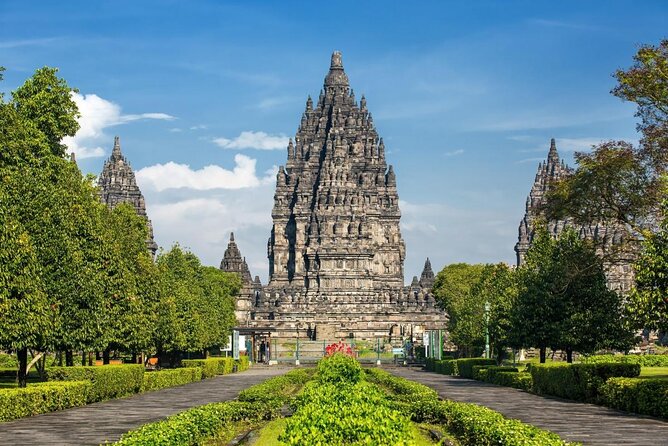
- See a temple blending Hindu and Buddhist influences from very close up viewpoints
- Picture stops are built in, and guides help with photos along the way
- Run daily, including Monday, so you can slot it even on a slower travel day
Pedaling north of Prambanan feels more real than another van ride
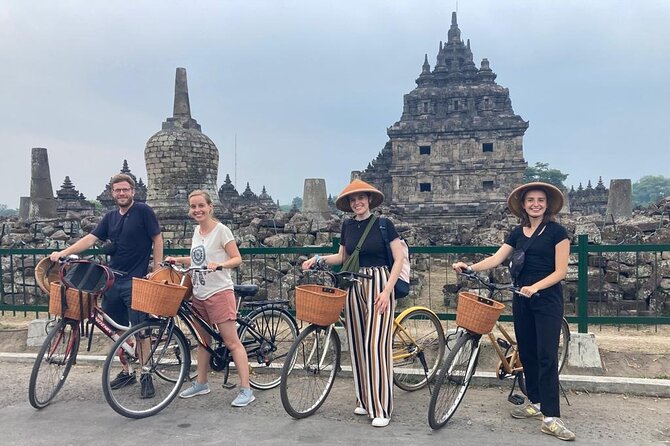
Most Prambanan-area visits are either temple-only or quick stop-and-go. This one starts with a bike and uses Prambanan as the gateway into countryside life. The route goes north of the Prambanan Temple complex, outside the temple area, and then threads through rice fields and little villages.
You’re not just seeing “culture.” You’re watching everyday work happen, and you’re moving at a pace that makes it easy to talk with people and notice details. Even the way the day is structured helps: you cycle, stop, learn, taste, and cycle again, without the hard reset of constantly hopping in and out of transport.
And because it’s only two hours, you don’t need to build a whole day around it. It fits nicely as either a warm-up for the bigger sights of Yogyakarta or as a refreshing break from temples when you’ve had enough stone and head-counting.
You can also read our reviews of more tours and experiences in Yogyakarta.
Starting at Prambanan: where the ride truly begins
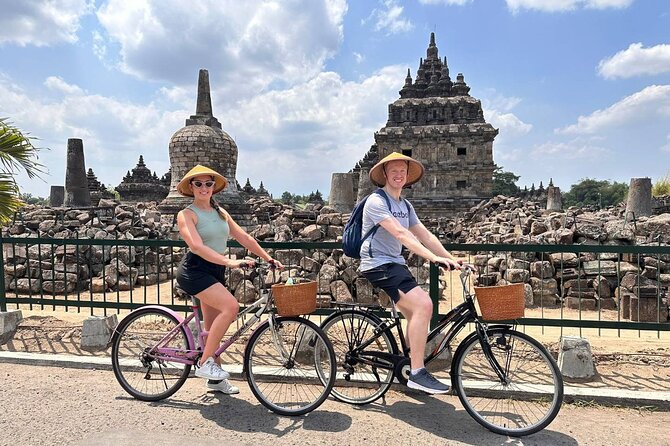
Your day kicks off near Prambanan Temple. The meeting point is handled by the company location close to the temple, with pickup available in the parking area. If you prefer to handle it yourself, you can go directly to ALGA LOVA TOUR in the north of Prambanan.
Right away, you start cycling in the northern part of the Prambanan Temple area, but outside the temple itself. That little detail matters. It shifts you from sightseeing to lifestyle almost immediately. Within minutes, the environment changes from tourist density to calmer rural scenery.
Also pay attention to the practical rules. You are not allowed to bring luggage or large bags, and food is not meant to be in the vehicle. So travel light and treat this as a short “bike and taste” outing, not a day you bring snacks, shopping, and extra layers in a backpack.
Your guide leads you the whole time and is ready for photo stops. In the real world, that means you’re not balancing your bike while trying to frame a shot. The guide handles timing and spacing so you can focus on the ride and the views.
The easy rhythm: calm cycling through rice fields and villages
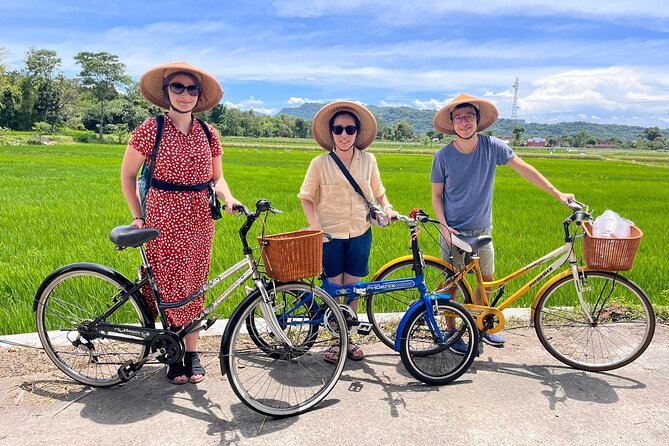
This is designed to be an easy two-hour loop. The route goes through idyllic stretches of rice fields and small villages, which is exactly what you want here. The countryside around Yogyakarta can feel surprisingly peaceful once you’re away from main roads.
Several guides emphasize safety and pace, including stopping whenever you want extra time for pictures. One of the strongest themes from real experiences is that the cycling feels relaxed, with guides willing to slow down and manage intersections so the group stays together.
One practical thing: bring sunscreen and light clothing. The area can be hot, and you’ll be outdoors the whole time. You’ll also be glad you’re not carrying a bunch of stuff, since the whole point is that you bike clean and simple.
If you’re solo, you might end up with more personal attention depending on how many people book each slot. One person described getting a private tour when they were the only booking for their time slot. Even if that doesn’t happen for you, the overall format tends to keep things personable rather than rushed.
First big payoff: close views at the Hindu-Buddhist temple stop
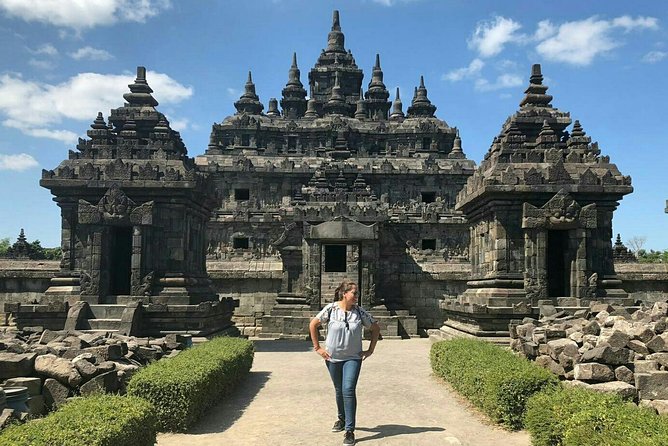
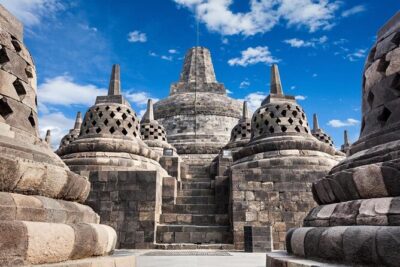
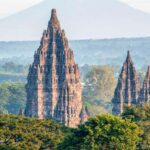
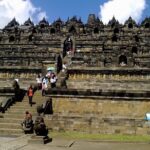
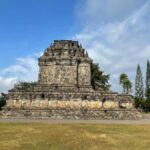
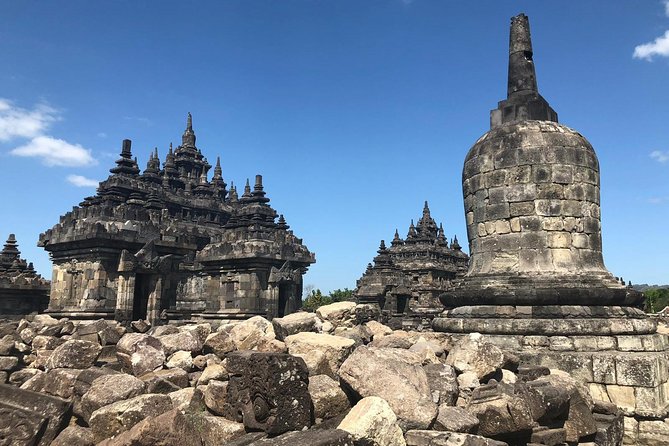
After you cycle out of the Prambanan area, you reach the first major destination: a beautiful temple described as a combination of Hindu and Buddhist influences. You enjoy the view from outside and get close enough to appreciate the site’s character without doing a long, inside-only temple circuit.
This is a nice mid-tour structure. You don’t start with the biggest temple monument and then burn out. Instead, you warm up with cycling through scenery, then you get your temple moment as a reward.
A drawback to be aware of is timing. Because the tour is only two hours, you won’t get a slow, lingering deep exploration of every carved detail like you might on a longer temple-focused day. Think of this stop as a strong visual and cultural introduction rather than an hours-long museum visit.
Still, it’s a smart trade. You’re gaining variety fast: rural life, food-making, and then a temple with blended religious roots, all in one outing.
Emping chips: seeing Indonesian street-favorite production up close
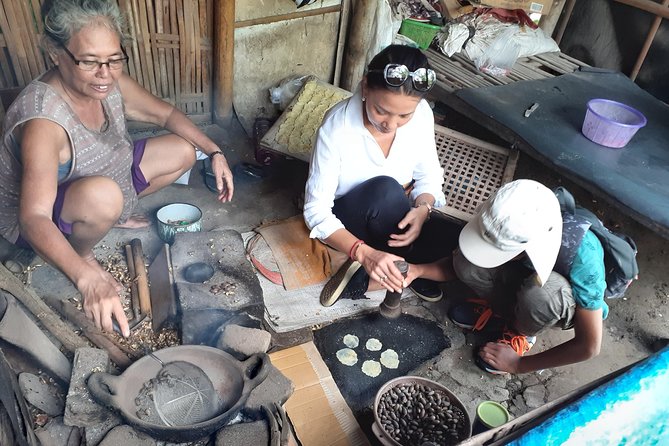
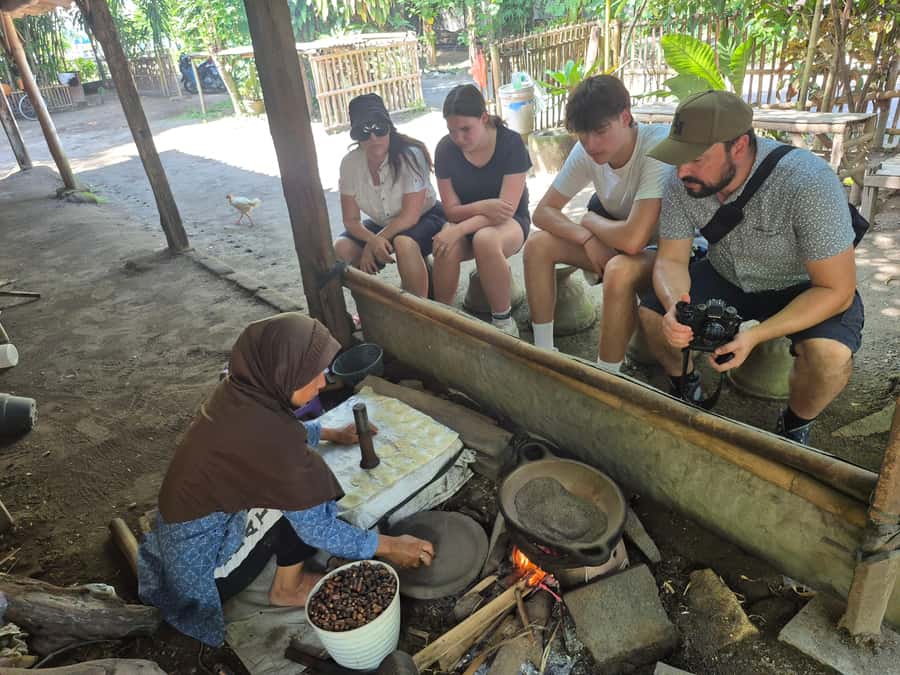
From the temple viewpoint, you move to home-industry stops where you learn traditional ways of making Indonesian iconic snacks. First up is emping chips.
Emping is made through a process that’s hard to appreciate if you only see the final product wrapped up in a shop. Watching it being made gives the snack a story: what’s involved, how the work is done, and why the taste is different when you understand the steps.
This is also where you get a more direct human side of the tour. You aren’t just reading about traditions. You’re visiting the working spaces and seeing how local families operate at small scale. Many guides are comfortable answering questions, and the set-up encourages you to ask things that don’t fit into a big bus tour.
One practical note: buying local products is not included. That’s not a bad thing. It keeps your tour cost simple. But if you’re the kind of person who likes to bring food souvenirs home, plan for optional purchases during the stops.


Tofu workshop and the chance to taste fresh tofu and soya milk
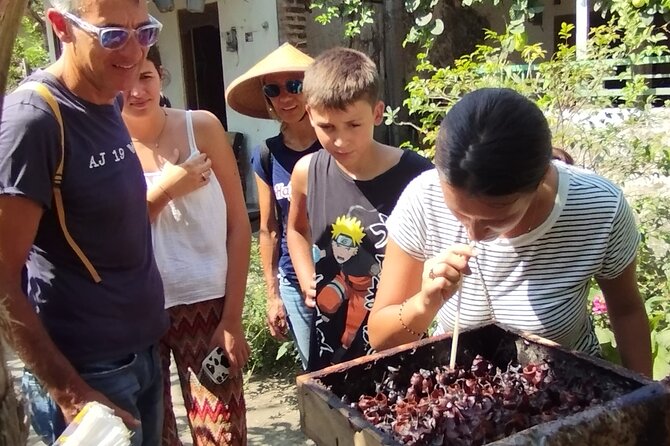
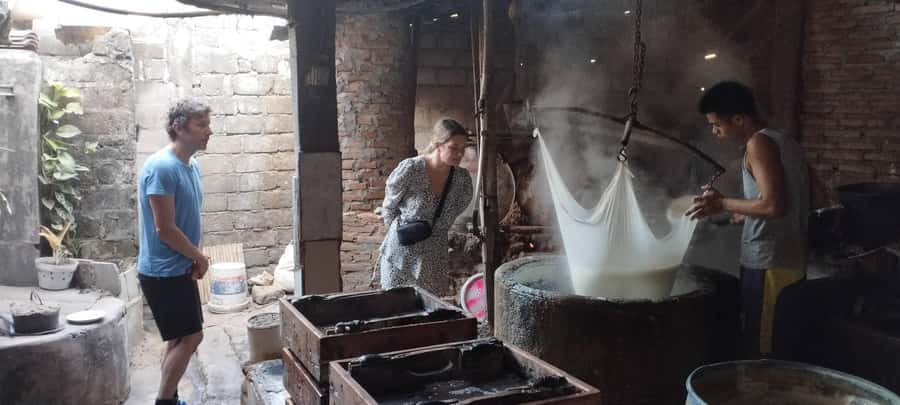
Next comes the home industry of making tofu. If you’re lucky, you can taste fresh tofu and soya milk. Even without the tasting, seeing tofu production up close is usually more satisfying than you’d expect, because tofu is so common but rarely understood.
This stop adds real depth to the earlier emping moment. Emping shows a crunchy, snack-focused process. Tofu shows a staple ingredient and the behind-the-scenes work that makes it possible. Together, they give you a practical picture of how food traditions function in everyday life around Prambanan.
A key value here is that the guide is present to explain what you’re seeing. And if you’ve got questions about ingredients or what makes certain products different, you’ll likely have enough time for answers without the whole day feeling like a lecture.
If you have dietary concerns, keep it practical: tastings are described as possible rather than guaranteed. Ask your guide on the day if tasting is available and whether options match your needs.
Stingless bee farm: honey tasting that isn’t the same old souvenir
The final education-heavy stop is the stingless bee farm. You learn about a special species of bee and try honey made from them. The tour doesn’t just point at honey as a product. It frames it as a tradition and a process, with tasting as the payoff.
Stingless bee honey can be a standout because it tends to taste different from the honey you might be used to. One traveler described the honey as slightly sour due to fermentation, and said it changes as it sits. That kind of detail is exactly why tasting matters here: you don’t just bring home a bottle, you bring home a new idea of what honey can taste like.
This stop also connects back to the tour’s theme of rural livelihoods. Bee farms aren’t a “demo.” They’re part of a local ecosystem, and they support small-scale work tied to daily life.
Bring the mindset that you’re learning. If you go expecting only something sweet and familiar, you may miss the fun of exploring a different flavor style. Either way, it’s an experience that feels specific to this region.
Pace, support, and photos in a two-hour format
Your full tour is about two hours, and that tight window shapes everything. It means you cycle through the countryside, hit several meaningful stops, then return to the start. You’re active, but you aren’t exhausted.
The tour includes help with pictures. Guides are ready to take good photos, and they’ll build in time for photo stops at scenic points. In practice, that reduces stress. You can enjoy the ride and not constantly ask someone else to manage your bike and camera at the same time.
Comfort matters. The tour includes a bike rental and a sunhat, plus mineral water, cold water, and coffee or tea. It also includes a rain coat, which is smart insurance in a tropical climate where weather can shift quickly.
One more small but helpful consideration: you should not bring heavy bags. This keeps the ride comfortable and helps the guide manage group movement smoothly.
Price and value: what $22 gets you in the Prambanan area
At $22 per person for a two-hour experience, the value is strong if you like your sightseeing to include real stops and real tasting. You’re not paying just for the bike. You’re paying for a guide, multiple organized destinations with fees included, and a food-and-farm experience that takes local work seriously.
Here’s what’s included:
- Bicycle rental and sunhat
- Mineral water, cold water
- Coffee or tea
- Local guide
- Rain coat
- Fees for all spot destinations
What’s not included:
- Buying local products
- Tipping
That structure keeps things transparent. If you want souvenirs, you can choose. If you don’t, you can keep it simple and stick to the guided tastings.
For your money, you’re getting a mix of sport (cycling), heritage and culture (temple and local industry visits), nature (rice fields), and local life (homes and small businesses). That combination is hard to replicate if you try to stitch it together yourself, especially on short notice.
Who should book this bike tour from ALGA LOVA TOUR
This is a great choice if you want rural Yogyakarta life near Prambanan, without spending all day on a bus. It fits especially well for:
- People who enjoy cycling and want an easy ride
- Food lovers who like seeing how snacks and staples are made
- Travelers who prefer small, local-feeling stops over big-ticket monuments only
- Solo travelers who want a guided day with lots of opportunities for interaction and photos
It may not be a good fit if you:
- Can’t ride a bike
- Are over the listed limits (over 220 lbs / 100 kg, or over 70 years)
- Want to bring large luggage or expect to carry lots of items
If you’re comfortable riding a bike for two hours and you’re happy to travel light, this tour is exactly the kind of “short but meaningful” experience that makes a trip feel more personal.
Should you book this Prambanan bicycle tour?
If your goal is an authentic, practical experience around Prambanan, I think this is a strong yes. The biggest reason is the way it packs variety into two hours: rice fields and villages by bike, a close temple viewpoint, emping and tofu making in local home industries, and stingless bee honey tasting.
Book it if you want value you can feel in your hands: seeing food work firsthand and tasting what you learn about. Also book it if you like guided photo stops and want someone else handling the timing.
Skip it if cycling is a no-go for you, or if you don’t want to follow the simple rule set about no large luggage and no food in the vehicle. And if you’re the type who needs long temple time, plan a separate temple day. This one is built for movement, interaction, and tastings.
FAQ
How long is the Authentic Yogya Bicycle Tour?
The duration is 2 hours.
Where does the tour start?
The tour starts near Prambanan Temple. Pickup can be arranged in the parking area, or you can go directly to ALGA LOVA TOUR in the north of Prambanan.
What kinds of activities are included during the tour?
You will cycle through the area, visit a temple outside for viewing, learn about emping chips making, visit a tofu-making home industry (and may taste fresh tofu and soya milk if lucky), and visit a stingless bee farm for education and honey tasting.
What languages are available on the tour?
The live tour guide speaks English and Indonesian.
What is included in the price?
Included are the bicycle and sunhat, mineral water, coffee or tea, cold water, a local guide, rain coat, and fees for all destination spots.
What is not included?
Buying local products is not included, and tipping fees are also not included.
Is the tour open every day?
Yes, it is open every day, including Monday.
Is there free cancellation?
Yes. You can cancel up to 24 hours in advance for a full refund.
Is there a way to pay later?
Yes. The listing offers reserve now & pay later, so you can book without paying immediately.
Who is this tour not suitable for?
It is not suitable for people who cannot ride a bike, people over 220 lbs (100 kg), or people over 70 years.