REVIEW · VOLCANO MOUNT MERAPI
Merapi volcano sunrise with 4wd jeep and step on cold lava
Book on GetYourGuide →Operated by PT sekar bumi tour Yogyakarta · Bookable on GetYourGuide
Cold night, volcano gold. This Merapi sunrise outing is built around one main payoff: the golden sunrise breaking between mountain silhouettes, reached by 4WD jeep over rough ground. I also like that you don’t just “watch and leave”—you get context at the Merapi Museum and a hands-on feel for the landscape afterward.
One heads-up: it starts early and can be chilly, and sunrise can be partially masked by morning mist even when you’re early.
In This Review
- Key things that make this Merapi sunrise tour worth your time
- Merapi at sunrise: why this one works
- The 4WD jeep drive: part transportation, part thrill ride
- Warm clothes matter more than you think
- Sunrise viewpoint: getting the golden moment
- After sunrise: seeing Merapi’s power up close
- The river crossing: water, spray, and the feeling of place
- The cold lava step: what it feels like and how to handle it
- What the museum and terrain stops add to your morning
- Price and value: what you’re really paying for
- Who this trip suits best
- A practical way to get the most out of it
- Should you book this Merapi sunrise tour?
- FAQ
- How long is the Merapi sunrise tour?
- How much does it cost?
- What’s included in the tour?
- Is it a small group?
- What should I bring?
- Will I have trouble with tickets and entry lines?
- What language will I be guided in?
Key things that make this Merapi sunrise tour worth your time
- Early light, big views: you head straight to the best sunrise area before the crowds settle in.
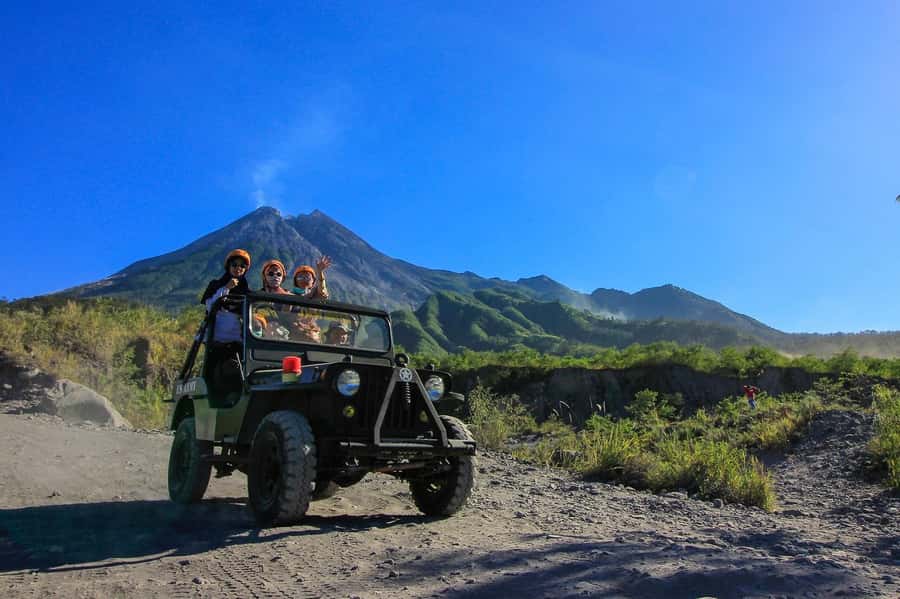
- 4WD jeep ride on volcanic terrain: the drive itself is part of the experience, not just transportation.
- Merapi Museum context: you’ll see what the volcano’s power has meant for people here.
- River crossing with mountain-fed water: you get splashed as the jeep wheels hit water coming from the Merapi area.
- Small group energy (max 7): more space to ask questions and get photo help.
- Cold-lava moment: you may get a chance to step on cooled lava surfaces as part of the adventure feel.
Merapi at sunrise: why this one works
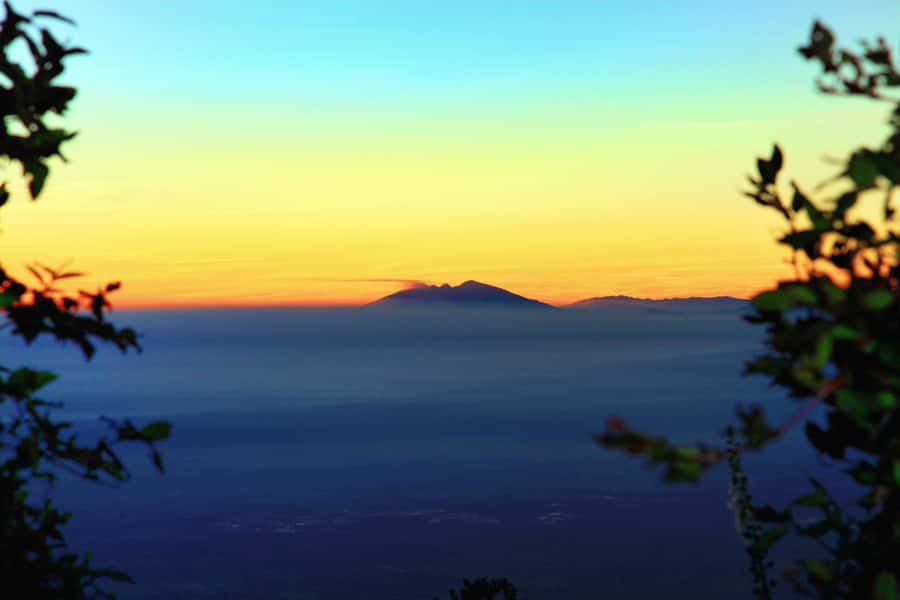
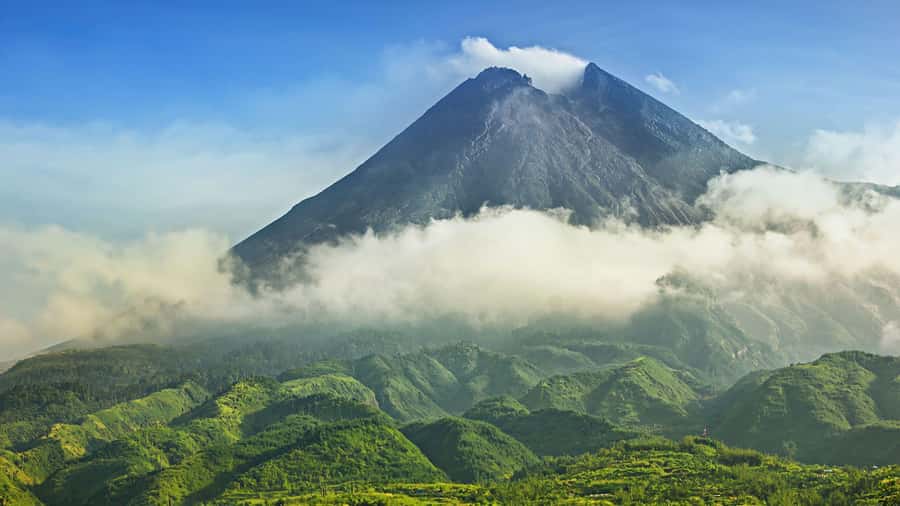
Merapi sunrise is the kind of natural show that makes you forget your to-do list. You’re up before the sun is really awake, then you watch the sky brighten between volcanic shapes instead of staring at a single peak. That “in-between-the-mountains” view is what makes the whole morning click.
The other reason this tour feels worth it is pace. After the sunrise, you don’t just turn around. You shift from pure scenery into learning and texture—museum time, then the river crossing—so the trip lands as more than a quick photo stop.
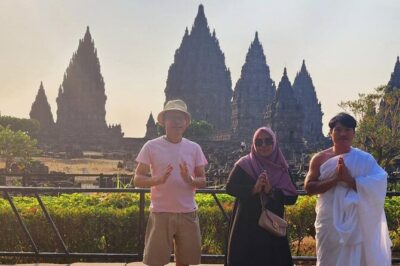
The tour runs about 5 hours, so you’re not committing to a whole day. It’s a solid fit if you’re also planning Borobudur or Prambanan later, and you want one early-morning adventure in Yogyakarta’s region.
You can also read our reviews of more tours and experiences in Volcano Mount Merapi
The 4WD jeep drive: part transportation, part thrill ride
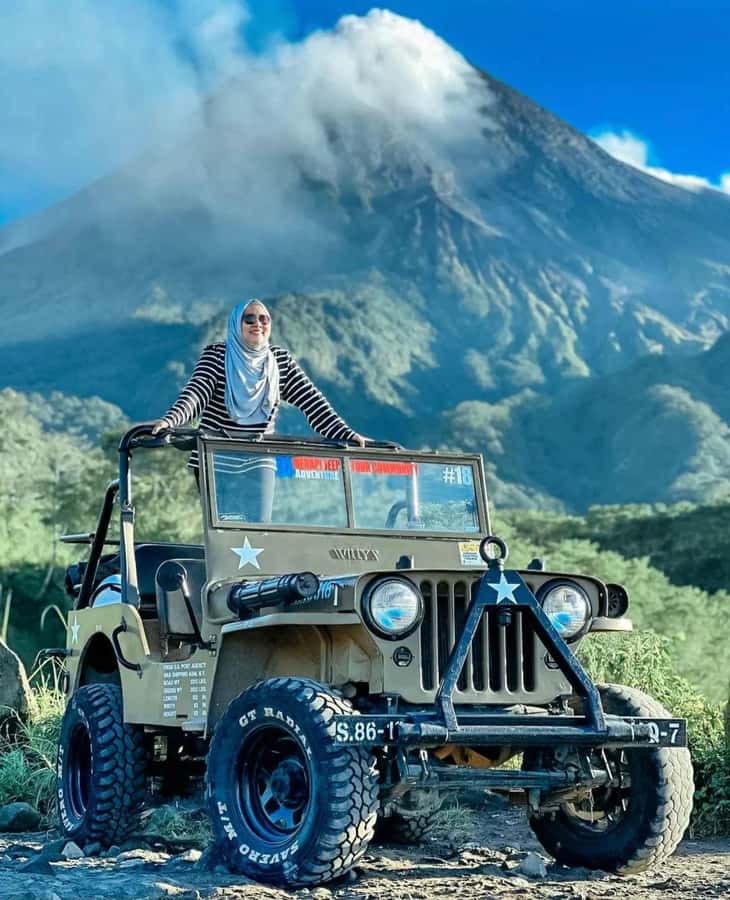
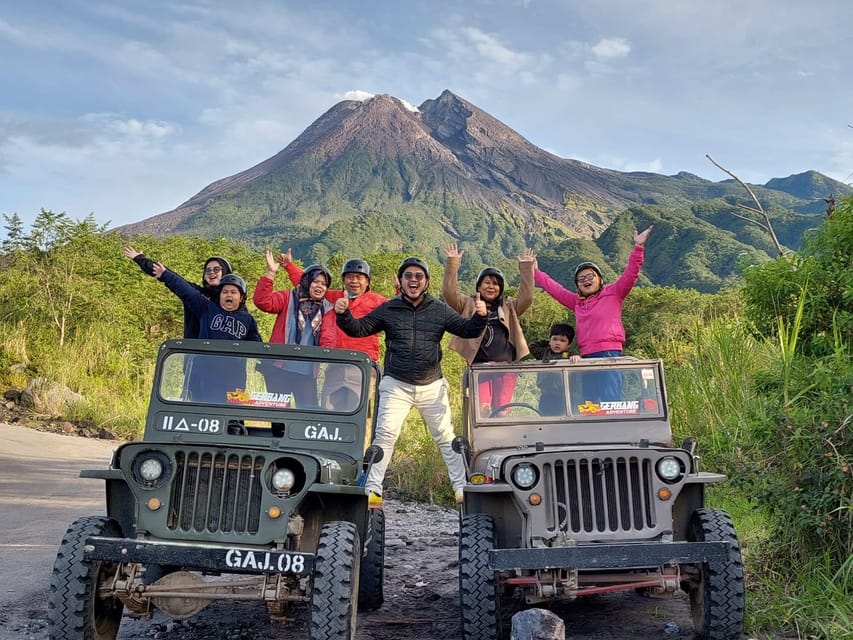
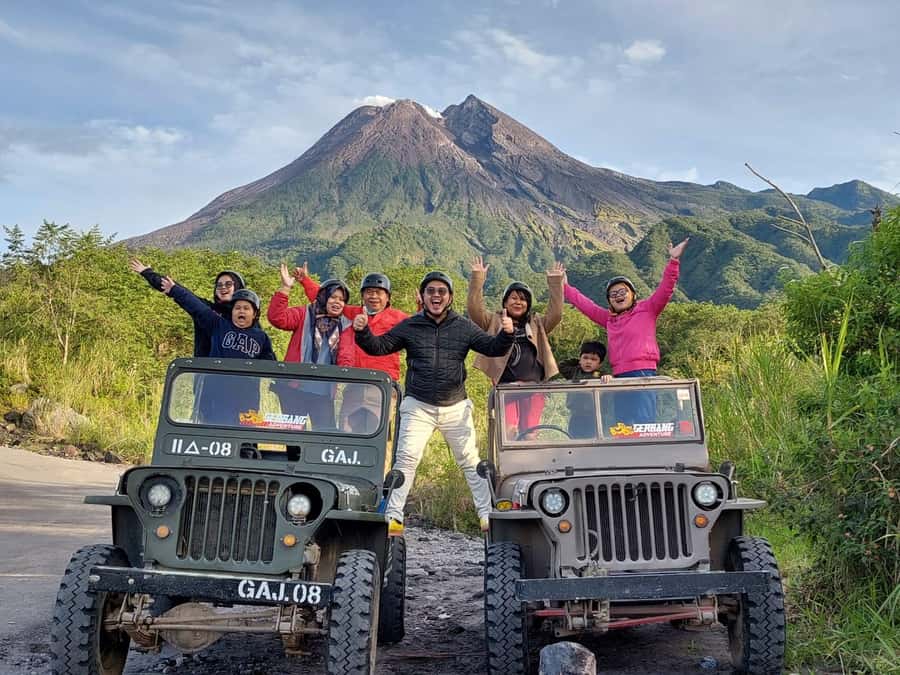
You leave from your hotel area in the Special Region of Yogyakarta, then go straight to the jeep base camp. From there, you take a 4WD jeep up toward the best sunrise spot on Mount Merapi. The point isn’t comfort, it’s access. Volcanic roads and uneven terrain are easier with a 4WD, and the vehicle gets you close enough to feel like you’re inside the landscape.
This is where the “small group” format matters. With limited seats—up to 7 participants—you can actually talk with your English-speaking driver or guide instead of shouting over a packed minibus. In at least some departures, people have been guided by English speakers such as Wahyu, Edy, and Chaplin, which is a big deal when you want more than yes/no answers.
Also, bring patience for the feel of the ride. If you’re prone to motion discomfort, you’ll want a calm mindset. You’re traveling in the dark or early morning light, and the terrain can be bumpy.
Warm clothes matter more than you think
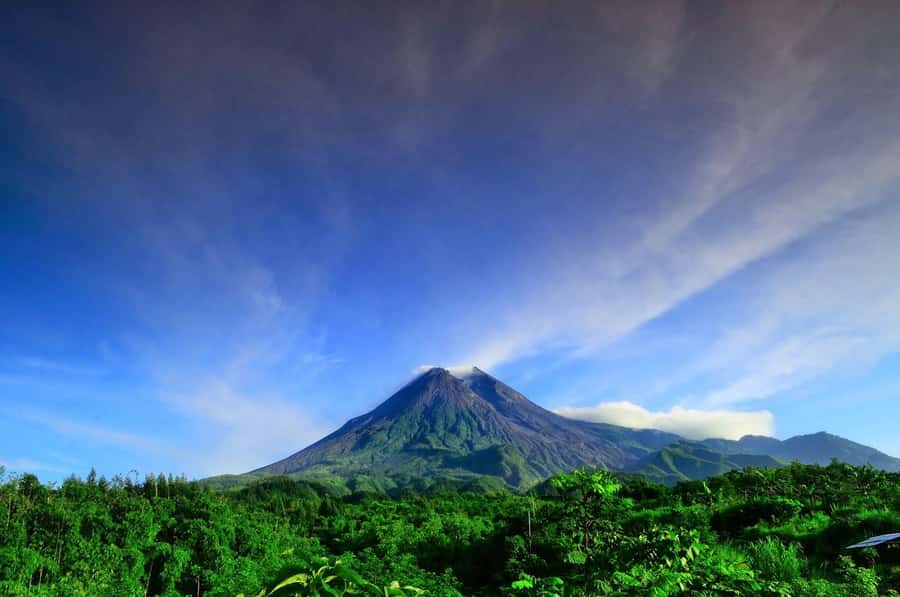
The tour is short, but it starts early enough that weather can catch you off guard. Warm clothing is listed as a must, and it makes sense: you’re in a high-mountain environment at sunrise, when air temperature drops and mist can hang around.
I’d plan for:
- A warm layer you can keep on during the wait for sunrise
- Something windproof if you feel chilly easily
- Comfortable shoes (you’re on uneven ground at the viewpoints)
And yes, you’ll be handed a raincoat. Still, a raincoat isn’t a substitute for warmth.
Sunrise viewpoint: getting the golden moment
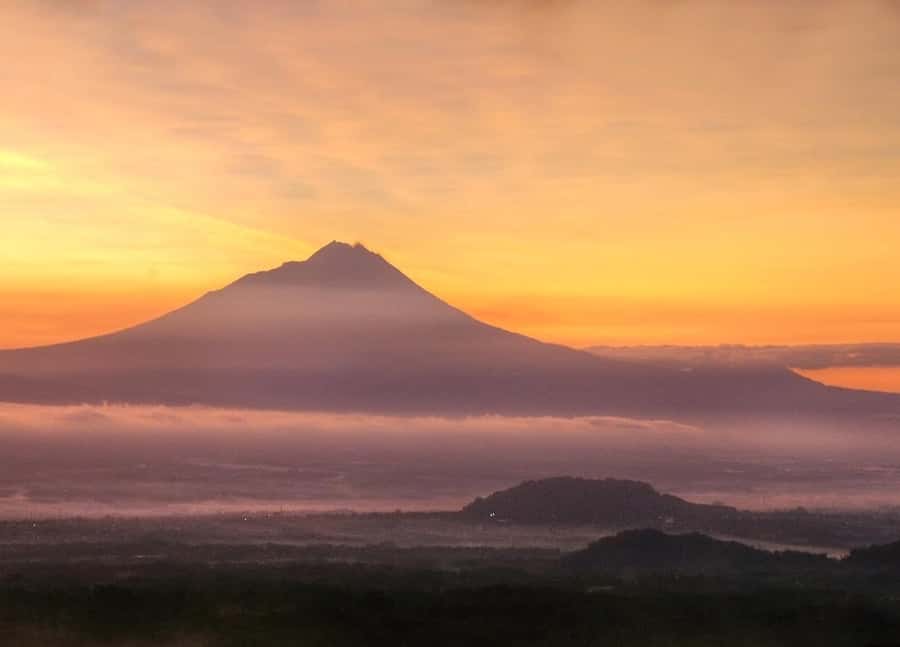
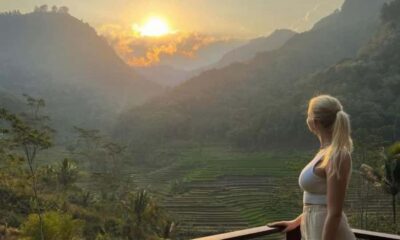
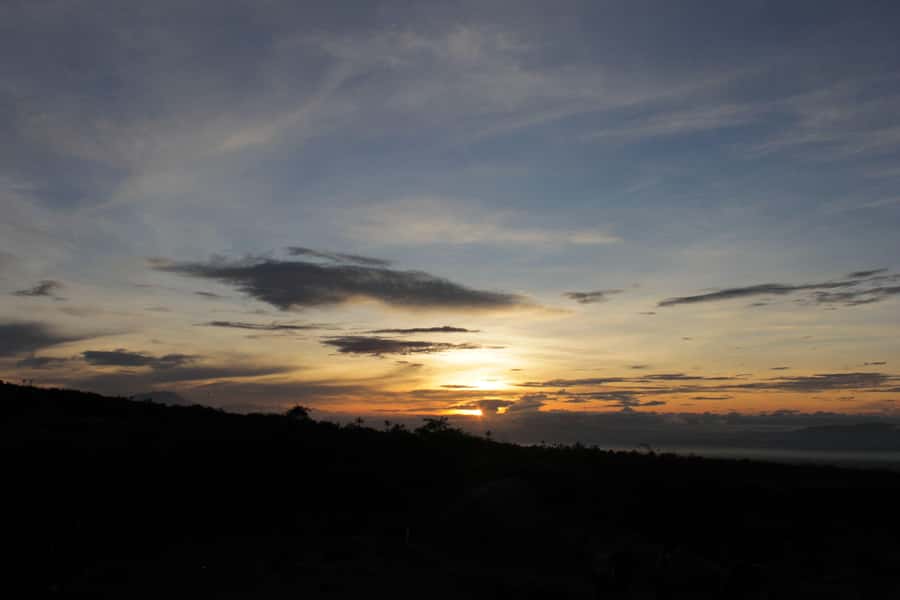
This outing is designed so you’re at the sunrise area, then you wait for the sky to change. You’ll enjoy the sunrise in fresh air, watching the color shift into that golden glow between the mountains.
The tour’s timing is the key. One of the best pieces of advice here is simple: if you can choose the earliest pickup time available, do it. Sunrise on Merapi can roll in fast—once clouds move or light fades behind fog, you lose that sharp view of the volcano’s shape.
That said, fog is part of the deal. You might see a perfect “volcano full-form” view, or you might see the volcano partially softened by morning mist. Either way, the light-show moment is usually the emotional highlight.
When the light hits, take a few minutes to just look without filming. The scenery is dramatic, but it’s also strange and real: you’re watching an active landscape from very close range.
After sunrise: seeing Merapi’s power up close
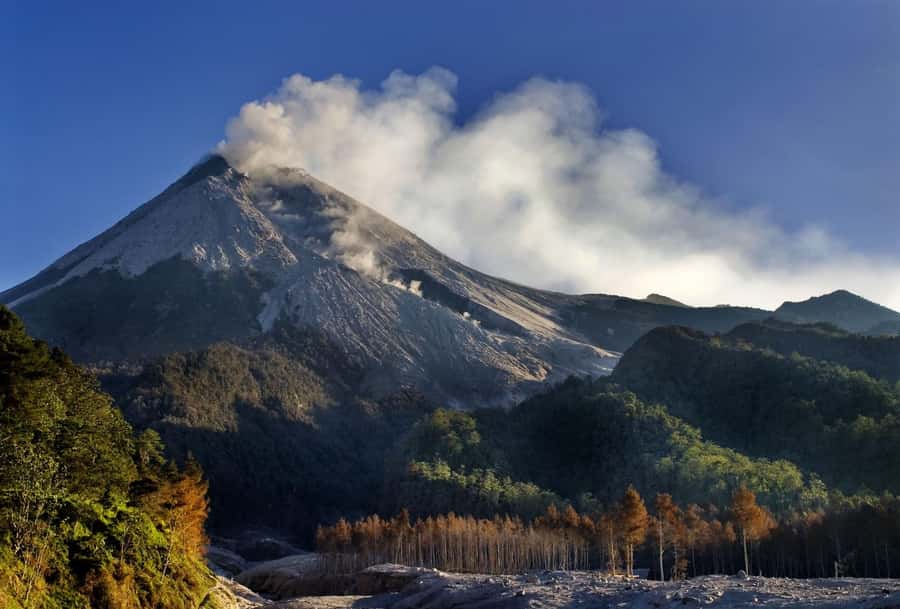
Once the sun is up, the vibe shifts. You’ll move from “spectator mode” to “understanding mode.”
This is where Merapi Museum enters. You’ll visit Merapi Museum after sunrise to witness the story of the volcano and what it has meant for people in the region. It’s the kind of stop that turns the scenery from impressive to meaningful. Instead of just thinking, wow, a volcano, you start connecting what you see with why the area is managed carefully.
Even if you don’t know anything about Merapi beforehand, the museum stop gives you a framework. You’ll come away with better context for the terrain, the villages around it, and the way eruptions have shaped local life.
The river crossing: water, spray, and the feeling of place
Then you head to a river whose water comes from the Merapi mountains. This isn’t a lazy photo spot. You’ll cross and ride close enough that you can feel the spray when the water is hit by the jeep wheels.
That moment is surprisingly memorable because it’s sensory. You’re not just looking at geology—you’re experiencing how water flows through a volcanic environment. The spray makes it feel less like a sightseeing product and more like an actual journey through the landscape.
Practical tip: expect your shoes and lower clothes to get splashed. The provided raincoat helps, but water contact is part of the experience here.
The cold lava step: what it feels like and how to handle it
One highlight you’ll see mentioned is stepping on cold lava. This is the “adventure” side of the trip: you’re not only seeing volcanic leftovers; you’re putting your feet on them.
A couple common-sense reminders:
- Wear shoes with good grip. Lava surfaces can be uneven.
- Take your time. Cold lava can look solid but still be jagged in spots.
- If you’re traveling with kids or you’re older, consider how steady you feel walking on rough ground.
This is one of those moments that makes Merapi feel close and personal. It’s also the reason you should not rush. Let your eyes adjust, then place your feet carefully.
What the museum and terrain stops add to your morning
Sunrise is the headline, but the “after” is what turns the trip into a better value.
The sunrise gives you the spectacle. The museum gives you the context. The river crossing gives you a physical reminder that this is a living landscape, not a backdrop.
That structure is smart for your time. In a single half-day, you get:
- A best-light scenic moment
- A learning stop (Merapi Museum)
- A physical experience (river crossing spray)
- A hands-on terrain feel (cold lava step)
If you only wanted photos, you could do that on your own. But if you want to understand why Merapi matters and still have fun with the scenery, this tour fits.
Price and value: what you’re really paying for
The price is $36 per person for about 5 hours. On paper, that can sound like a “tour bargain.” The better way to judge value is to look at what’s included.
You get:
- Hotel pickup and drop off
- 4WD jeep
- English-speaking driver
- All tourist attraction tickets
- Mineral water
- Raincoat
- Parking and donation fees
- Jasa Raharja insurance
That combo is the real value. A jeep plus early-morning logistics is the hardest part to DIY. When transport, tickets, and guide/driver time are bundled, you can spend your energy on the experience instead of budgeting and chasing details.
Also, the small group limit (up to 7) is part of the value. You’re not just buying a seat; you’re getting a more flexible morning rhythm and more opportunity to ask questions.
Who this trip suits best
This is a great fit if:
- You want a true sunrise outing with the best chance at light
- You like your travel with a bit of learning (museum stop)
- You enjoy small groups and a personal pace
- You want a volcano experience that includes textures—lava, water, and terrain
It may be less ideal if:
- You hate early wake-ups or cold morning air
- You’re very sensitive to bumpy rides on rough roads
- You want a relaxed day with no sensory surprises (the river crossing includes spray)
A practical way to get the most out of it
Here’s how to make the morning smoother once you’re in the flow.
Arrive ready:
- Warm clothing you can layer
- Comfortable shoes with grip
- A jacket that blocks wind
Plan your expectations:
- Sunrise can be partially affected by mist.
- The joy is in the process: light, viewpoints, and then the story and terrain after.
Ask questions:
- If your driver or guide is English-speaking, use it. This kind of route has a lot of local meaning, and it’s easier to connect the dots with explanations.
Let the trip hit you in stages:
- Viewpoint for the light
- Museum for meaning
- River and lava for the physical reality
Should you book this Merapi sunrise tour?
I think you should book it if you want a morning that’s equal parts scenery, learning, and hands-on volcanic feeling—without spending a whole day or arranging everything yourself. The $36 price makes sense because the jeep ride, tickets, and bundled logistics are exactly what usually cost you time and money when you DIY.
I’d book with extra confidence if you’re the type who enjoys sunrise timing and doesn’t mind cold air. If you’re hoping for an always-clear skyline, keep one expectation flexible. But even then, the structure—sunrise between mountains, Merapi Museum context, then river spray and cold lava steps—gives you multiple reasons the morning pays off.
If you’re after one early Yogyakarta-region adventure that feels authentic and practical, this Merapi sunrise experience is a strong choice.
FAQ
How long is the Merapi sunrise tour?
The total duration is 5 hours.
How much does it cost?
It costs $36 per person.
What’s included in the tour?
Hotel pickup and drop off, jasa raharja insurance, 4WD jeep, all tourist attraction tickets, mineral water, parking and donation fees, an English-speaking driver, and a raincoat.
Is it a small group?
Yes. It’s limited to 7 participants.
What should I bring?
Warm clothing is recommended.
Will I have trouble with tickets and entry lines?
The tour includes skip the ticket line.
What language will I be guided in?
English is available through the English-speaking driver.
If you want, tell me your hotel area in Yogyakarta and your ideal pickup time (earlier vs. later), and I’ll help you decide whether this timing fits your full itinerary.