REVIEW · KOTA MAGELANG
Borobudur: Batik, Gamelan, Pottery Making with Village Tour
Book on GetYourGuide →Operated by Aventuro Tour · Bookable on GetYourGuide
Craft tables, not museum walls. This private Borobudur village day pairs hands-on batik-making with a try-at-home gamelan session, plus pottery you’ll take with you. I also like that it’s built around real village stops and daily life, with a viewpoint added for Borobudur Temple views, not just workshops. One consideration: it’s active, with moderate walking and weather changes, so comfortable shoes and smart clothing matter.
Two guide names kept showing up in people’s experiences: Kiki, and also Joko or Castol on other days. That’s a good sign, because this tour works best when your guide can translate what you’re seeing and connecting you with the local artisans. The other possible drawback is that lunch is optional and at your own expense, so you’ll want to plan around timing if you’re hungry.
If you’re visiting Borobudur Temple on the day, dress modestly—cover your shoulders and knees. You’ll also want a hat and sunscreen for sun, and a rain layer for wet weather.
In This Review
- Key things you’ll love on this Borobudur village craft tour
- What This Tour Really Is (And Why It Feels Different)
- Price and Timing: What You’re Paying For
- Getting Picked Up Around Borobudur or Yogyakarta
- Wanurejo: Batik-Making Workshop With Wax and Natural Dyes
- Trying Gamelan: Playing Bronze Instruments (Not Just Listening)
- Pottery-Making: Make Something You Can Actually Use
- Traditional Village Time: Rice Fields, Home Industries, and Daily Life
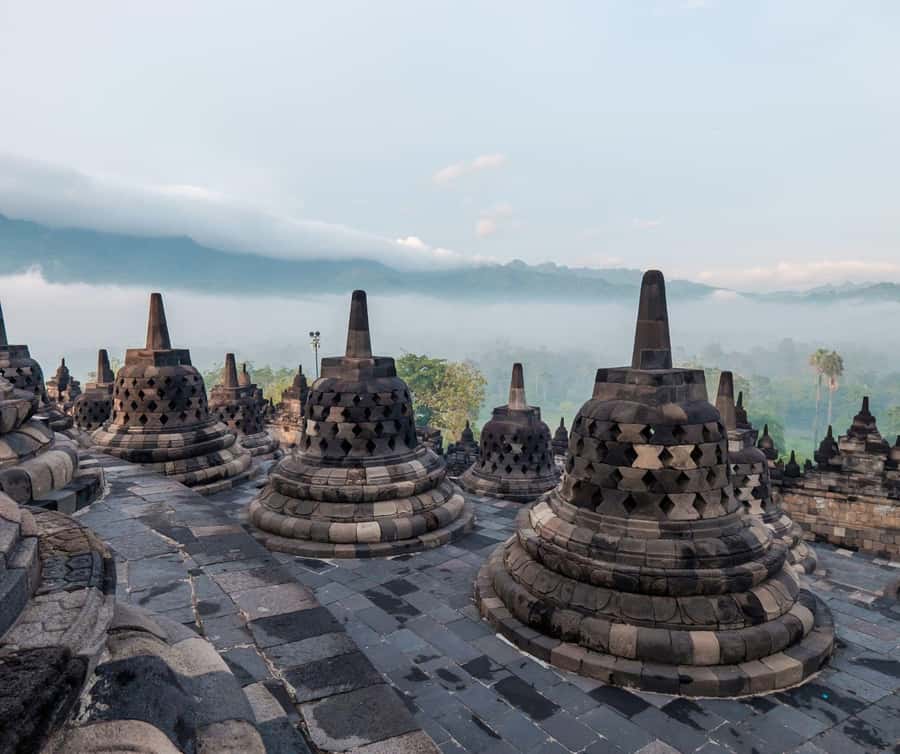
- Viewpoint for Borobudur Temple: A Quick Moment, Good Payoff
- Lunch Plan: Optional and at Your Own Expense
- The Private Guide Factor: Why Names Matter Here
- Comfort and Clothing: Shoes, Weather, and Modesty
- Optional Add-On: Horsecar Time (Extra Charge)
- Who This Tour Fits Best
- Should You Book This Borobudur Batik, Gamelan, and Pottery Village Tour?
- FAQ
- How long is the Borobudur batik, gamelan, and pottery village tour?
- What activities are included in the tour?
- Where does hotel pickup and drop-off happen?
- Is lunch included?
- Is mineral water included?
- What should I wear for the day?
- Is there free cancellation?
Key things you’ll love on this Borobudur village craft tour
- Batik workshop using wax and natural dyes with your own design to keep
- Gamelan playing session where you try the rhythm, not just listen
- Pottery-making time to craft a clay piece with local guidance
- Village scenery and a slower pace with a chance to walk around rice fields
- Borobudur viewpoint stop for temple views during the ride
- Private comfort via a car and English-speaking guide/driver
What This Tour Really Is (And Why It Feels Different)
This isn’t a quick craft stop where you watch and leave. The day is built around three hands-on arts—batik, gamelan, and pottery—and then it stitches those crafts into village life in and around Borobudur. You start with pickup and a drive from your area (Borobudur or Yogyakarta), then the tour turns into a series of workshops and village visits that move at a human pace.
The value here is in the balance. You get creative time with the makers, plus cultural time with the setting—rice fields, small home industries, and a viewpoint over Borobudur Temple. At $36 per person for a 6–7 hour private day with a car and an English-speaking guide/driver, it’s one of the more practical ways to spend time in the region beyond just sightseeing.
You can also read our reviews of more tours and experiences in Kota Magelang.

Price and Timing: What You’re Paying For
$36 for 6–7 hours might sound “simple,” but it covers more than a workshop ticket. You’re also paying for private transport, pickup and drop-off from the Borobudur/Yogyakarta area, and a guide/driver who stays with you through the day. Mineral water is included too.
Timing-wise, plan on a full cultural block. The batik workshop and the village visit are specifically described as taking about two hours each, and the rest of the day fits in the gamelan and pottery experiences plus the viewpoint. In practice, that means you shouldn’t schedule tight plans immediately before or after. Think: one full day, then you can decompress.
Getting Picked Up Around Borobudur or Yogyakarta
Pickup and drop-off are flexible within the Borobudur and Yogyakarta area, and you can pick from several meeting points. Options include Borobudur Temple, Borobudur, and Jalan Prawirotaman in Yogyakarta. Drop-offs are similarly available back in those areas.
This matters because Java travel can be timing-sensitive. A private car helps you avoid the stop-and-start feeling of patchwork rides, especially if you’re traveling from Yogyakarta and want to keep the day smooth. You also get a consistent guide/driver throughout, which helps when you want explanations during workshops.
Wanurejo: Batik-Making Workshop With Wax and Natural Dyes
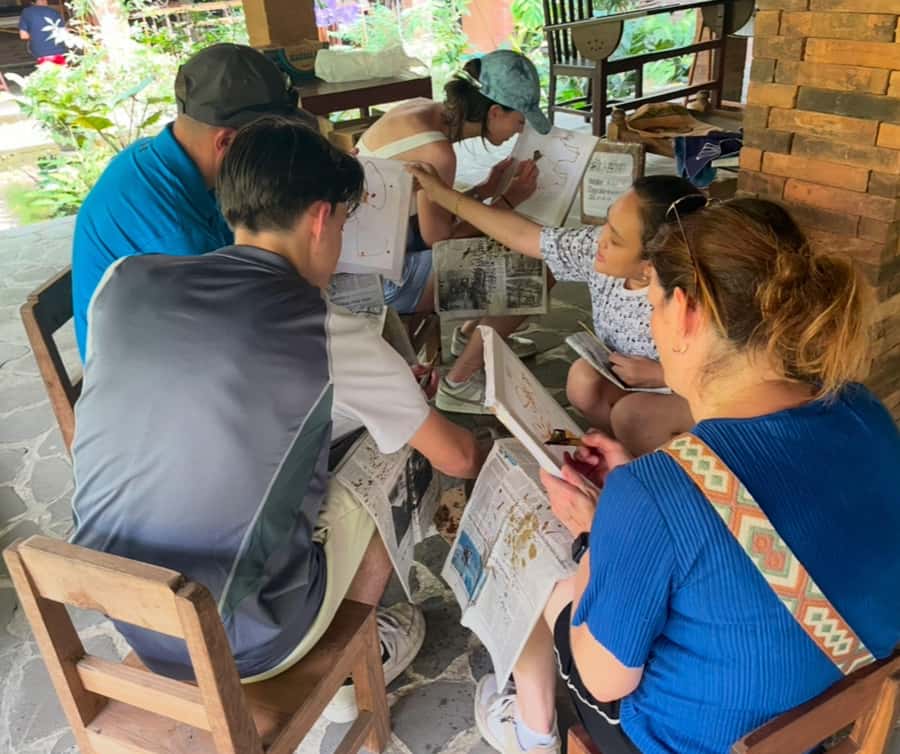
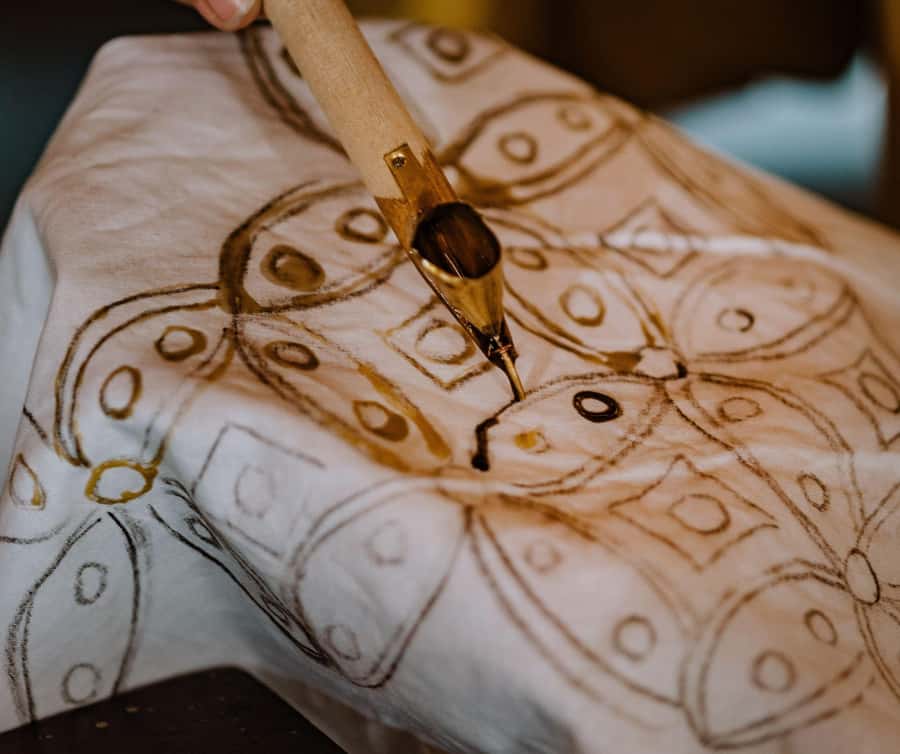
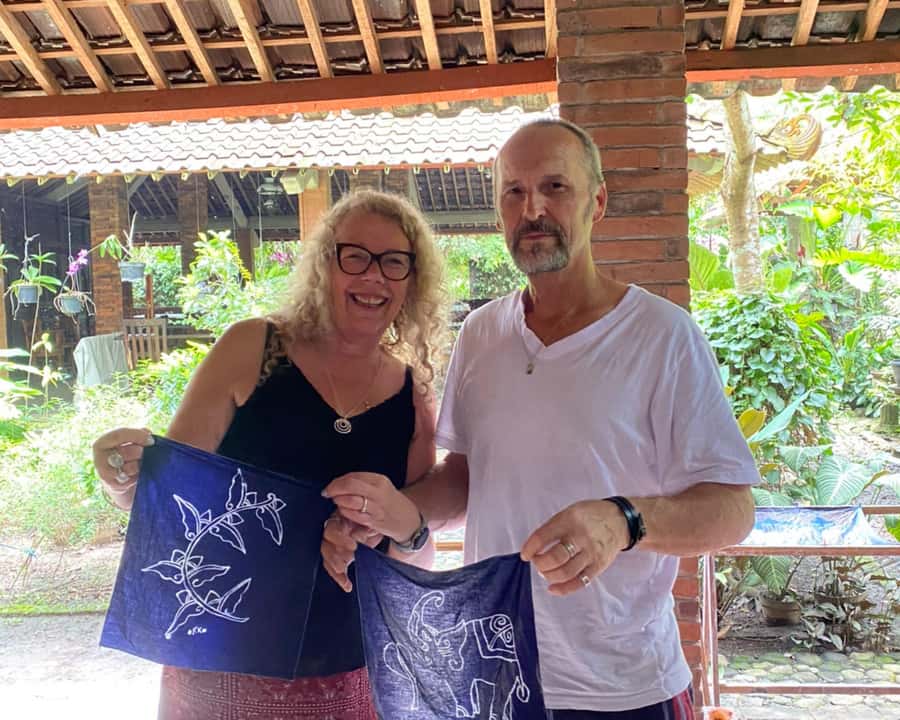
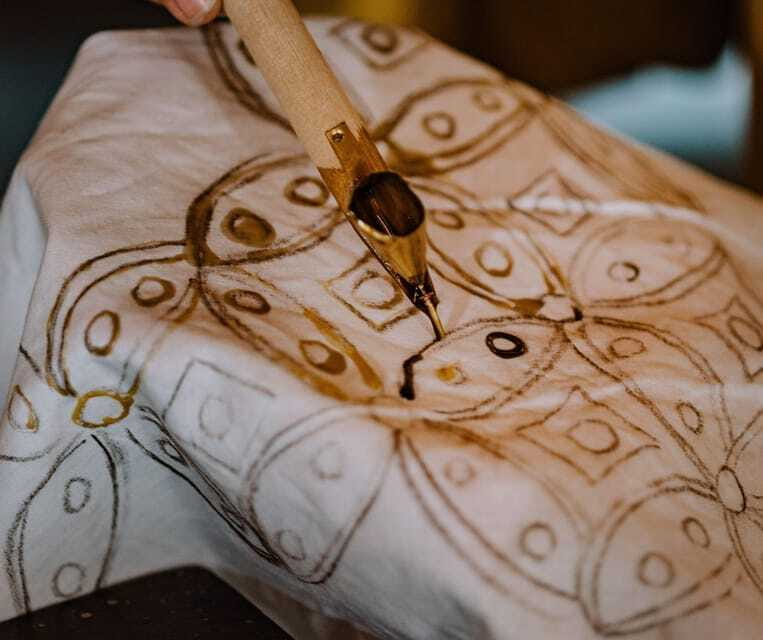
The batik portion is the headline craft, and it’s more than a souvenir photo moment. In the batik workshop, you learn the traditional process using wax and natural dyes, then design and create a cloth that becomes your personal take-home item.
What I like about this setup is the structure: you’re not just buying something finished. You’re learning the method and making choices yourself. That makes the final cloth feel like a record of the day, not a random shop purchase.
A practical tip: if you’re sensitive about mess, wear something you’re comfortable getting a little stained. You’ll also want to pay attention while the process is explained, because the difference between an easy-looking design and a great-looking one comes down to what you do in those key steps.
Trying Gamelan: Playing Bronze Instruments (Not Just Listening)
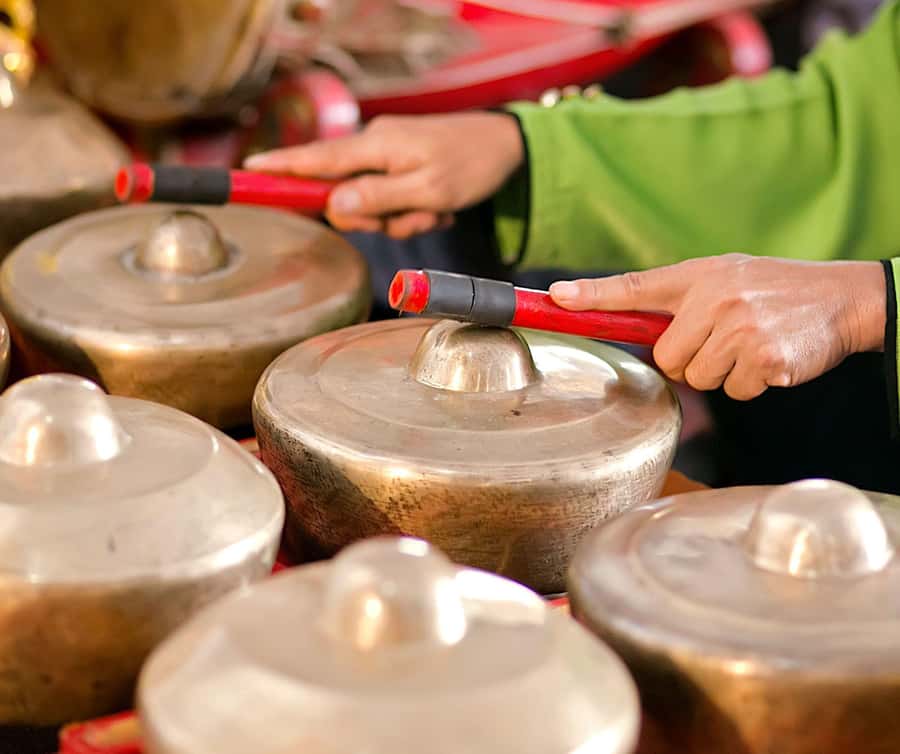
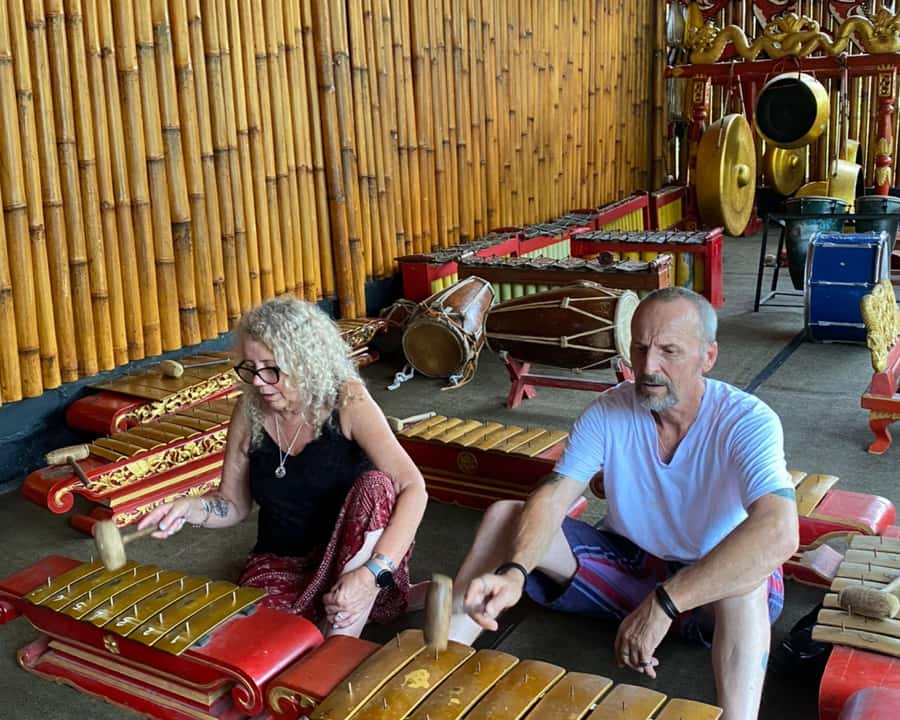
Next comes gamelan. This is a traditional Javanese musical ensemble made of bronze instruments, and the point here is participation. You get a session where you try playing—feeling the rhythm that’s been part of local ceremonies for centuries.
Why this works: gamelan is one of those things that’s easier to understand once your hands are doing something. You stop thinking of it as background music and start noticing the patterns and timing. It’s also a fun break from the quiet focus of craft-making, because it’s more physical and social.
If you’re concerned about musical ability: don’t be. The goal is trying the instruments with guidance, not performing on a stage. The best kind of lesson is the kind that makes you laugh when you get out of sync.




Pottery-Making: Make Something You Can Actually Use
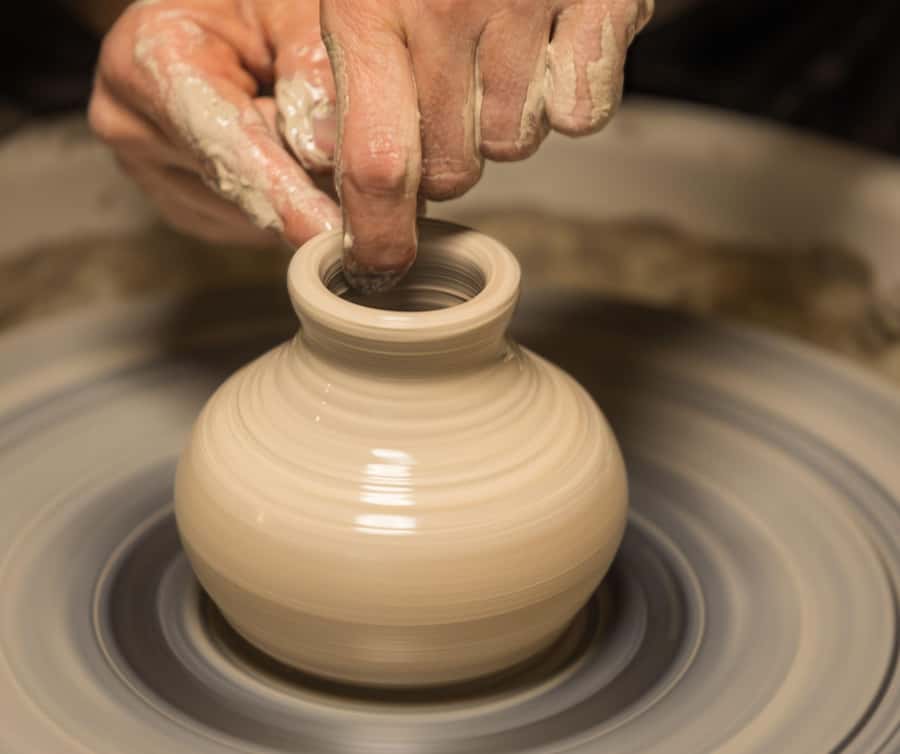
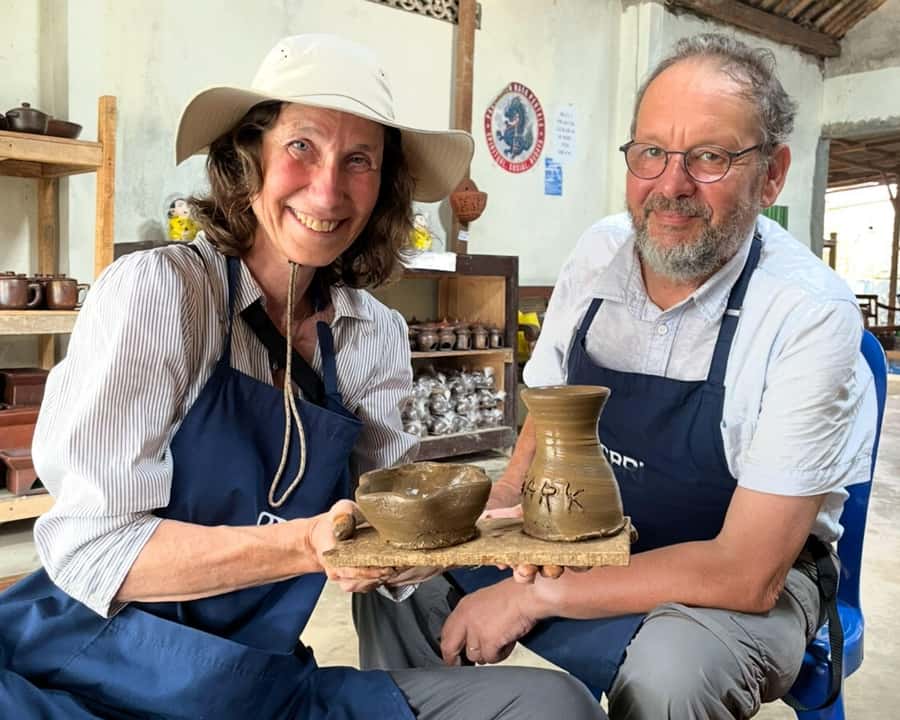
Then you get hands-on with clay and pottery making. You craft your own piece with help from skilled local artisans. Even if your first attempt looks like abstract art, you’ll still get the satisfaction of owning the process and taking home the results.
This is a good complement to batik. Batik is line, patience, and control. Pottery is form and touch, with a different kind of concentration. Together, they make the day feel like you experienced two sides of Javanese craft culture rather than repeating the same activity three times.
If you’re bringing the pottery home as your main souvenir, plan how you’ll carry it safely in your bag or vehicle. The tour includes mineral water, but it doesn’t say anything about packing, so think ahead.
Traditional Village Time: Rice Fields, Home Industries, and Daily Life
Between the workshops, you spend time touring a village area. There’s a guided visit (about two hours), and you may have options for a leisurely walk around the village—stroll through rice fields and observe the peaceful daily life of Javanese people.
This is where the day earns its “village tour” label. It’s not just craft in a room. You’re seeing the surroundings where these skills live and continue. And based on how guides run the day, you may encounter additional small home-industry stops such as tofu production or coconut blossom sugar making. One guide example is Kiki, who is described as building a day with multiple hands-on industry experiences, including sugar-making and tofu-related work.
If you want the most authentic feel, slow down on the walk. Don’t just rush for pictures. Take a moment, watch what’s happening, and let your guide explain what you’re seeing.
Viewpoint for Borobudur Temple: A Quick Moment, Good Payoff
The day includes a stop at a viewpoint to take in the beauty of the Borobudur Temple. This is a smart move for a village-focused day, because it gives you a visual “anchor” for why you’re here. Without it, you could finish the tour with fantastic crafts but still feel disconnected from the main landmark in the area.
If you’re sensitive to heat or sun, treat this stop like you would any outdoor sight: bring water, use sunscreen, and keep your hat handy. The tour provides mineral water, which helps, but you’ll still want to protect yourself during open-air moments.
Lunch Plan: Optional and at Your Own Expense
Lunch is optional. Your driver can take you to a local restaurant based on preference, and your guide can recommend places to taste Javanese food.
Because it’s optional, you should decide in advance how you want to handle food. If you’re the type who needs to eat early, ask the guide to time lunch so it doesn’t feel like a detour. If you’re okay with skipping or snacking lightly, you’ll have more flexibility as the crafts run.
The Private Guide Factor: Why Names Matter Here
This kind of day lives or dies on the guide. In these experiences, English ability and personality show up again and again, especially with guide Kiki. Other named guides include Joko and Castol, both described as friendly, helpful, and good at guiding through multiple craft and village stops.
What that translates to for you: you’ll get better explanations of what you’re doing, plus more confidence navigating tiny local places. A good guide also helps you stay comfortable—timing breaks, managing walking, and keeping the day moving without rushing you through the fun parts.
Comfort and Clothing: Shoes, Weather, and Modesty
This is practical, but it’s worth taking seriously:
- Wear comfortable walking shoes. There’s moderate walking around village areas.
- Bring a hat and sunscreen for sunny days.
- Bring a raincoat or umbrella for rainy weather.
- If you visit Borobudur Temple during the day, dress modestly and cover shoulders and knees.
These rules aren’t just about politeness. They help you enjoy the experience. Wet ground plus poor shoes equals a day you’ll remember for the wrong reason.
Optional Add-On: Horsecar Time (Extra Charge)
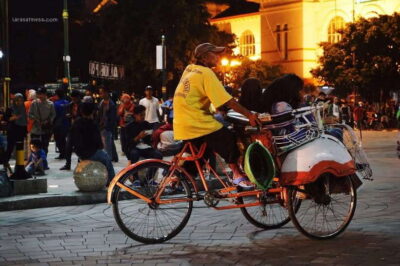
If you want extra sightseeing flavor, you can request a horsecar tour add-on. It costs an extra $35 per horsecar and fits up to max 3 adults. If that sounds fun to you, tell the operator ahead so they can prepare it.
Who This Tour Fits Best
This tour is ideal if you want:
- A hands-on day in Javanese crafts, not just a viewing day
- A private format with pickup and return from Borobudur or Yogyakarta
- Real village time paired with creative activities
- Something different from temples-only days
You might skip it (or at least think twice) if you hate walking, dislike active workshops, or only want passive sightseeing. This day is meant for people who like making, trying, and asking questions.
Should You Book This Borobudur Batik, Gamelan, and Pottery Village Tour?
Book it if you want a memorable souvenir made by your own hands, a rhythm experience through gamelan, and a chance to see Borobudur village life beyond the main temple complex. The price-to-time ratio is strong for a private day with transport, an English-speaking guide/driver, and three real craft activities.
Hold off if you’re very schedule-tight or you know you’ll struggle with workshops and getting hands-on (or if you need guaranteed lunch, since it’s optional). If you do book, set yourself up for success: wear good shoes, dress for modesty if Borobudur Temple is part of your day, and come with curiosity. That’s the ingredient that makes the craft feel personal instead of like a checkbox.
FAQ
How long is the Borobudur batik, gamelan, and pottery village tour?
The tour runs for about 6 to 7 hours, depending on the starting time and day’s schedule.
What activities are included in the tour?
You’ll do a batik-making workshop, a gamelan playing session, and pottery making, plus guided village time and a stop at a Borobudur viewpoint.
Where does hotel pickup and drop-off happen?
Pickup and drop-off are available in the Borobudur or Yogyakarta area, with options including Borobudur Temple, Borobudur, and Jalan Prawirotaman in Yogyakarta.
Is lunch included?
Lunch is not included. If you want lunch, your driver can take you to a local restaurant based on your preference, and it’s at your own expense.
Is mineral water included?
Yes, fresh mineral water is provided during the tour.
What should I wear for the day?
Wear comfortable walking shoes because there’s moderate walking. If you visit Borobudur Temple, dress modestly and cover shoulders and knees.
Is there free cancellation?
Yes. You can cancel up to 24 hours in advance for a full refund.