REVIEW · SPECIAL REGION OF YOGYAKARTA
Yogyakarta: Selogriyo Temple Tour & Java Rice Terrace Trek
Book on GetYourGuide →Operated by Jogja Borobudur Tour & Travel · Bookable on GetYourGuide
Java has a way of surprising you. This day trip to Selogriyo Temple feels calmer than the usual Yogyakarta routine, partly because you arrive before the day gets busy and partly because the hike puts you right in the rice-growing hills. I like that the trek includes real countryside time, with rice terraces you walk through on the way up. One thing to plan for: the walking is moderate, and in wet weather the paths can get muddy.
What makes it truly work is the human touch of the guides. People often single out guides like Yuni, Atok, and Haidar for turning plants, farming, and temple details into stories you can actually picture. If you want temples plus nature without a crowd crush, this is a strong fit. If you’re chasing a big, high-profile monument, though, Selogriyo is smaller, so the setting matters as much as the structure.
In This Review
- Key things I’d circle on your planner
- Selogriyo Temple on Java: why this feels different from the big-city tours
- Getting there from Yogyakarta or Borobudur: the drive time that matters
- The uphill approach: walking into the hilltop countryside
- Selogriyo Temple itself: a small Hindu site with gardens and volcanic views
- The rice terrace hike: what you’ll actually see and how to walk it
- How the best guides turn crops and temples into stories
- Tea, coffee, and small breaks along the trail
- Price and value: is $55 for a 6-hour day fair?
- What to bring for this moderate walk (and what people forget)
- Who this tour is best for (and who should choose something else)
- Should you book the Selogriyo Temple and Java rice terrace tour?
- FAQ
- How long is the Yogyakarta Selogriyo Temple and rice terrace tour?
- Where do pickups happen?
- Is this a small group tour?
- What’s included in the price?
- Is the walking difficult?
- What should I bring?
- Can I cancel for a full refund?
Key things I’d circle on your planner
- Selogriyo’s quieter hilltop setting: fewer people around means easier photos and a more peaceful feel
- A real rice-terrace walk: you’re not just looking from a viewpoint; you’re moving through the fields
- Pickup from Yogyakarta or the Borobudur area: the drive is part of the day, not a stressful puzzle
- English-speaking, small-group guiding (up to 15 people): you get explanations without feeling herded
- Entrance and donation fees included: you’re not scrambling for payments once you arrive
Selogriyo Temple on Java: why this feels different from the big-city tours
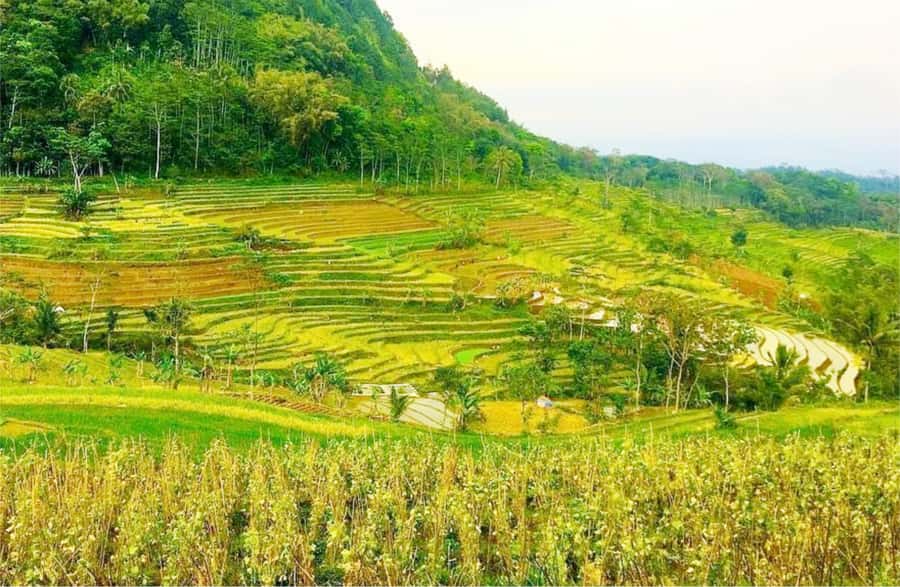
Yogyakarta is packed with day trips, and most of them share a common problem: the best moments come with crowds. This one helps you dodge that by sending you toward a remote hilltop temple and keeping the group size small (up to 15). The payoff is simple. You spend more time breathing and looking, and less time jockeying for position.
I also like how the experience is built around agriculture, not just architecture. The temple stop is beautiful, yes, but the real “wow” is the walk between it and the village world below. You see rice terraces at walking pace, and you learn what’s growing there instead of just admiring a photo backdrop.
The other difference is scale. Selogriyo isn’t a massive complex. It’s a small Hindu temple tucked into the greenery, with gardens around it. That makes it easier to connect the dots: how people farm these hills, how the temple fits into their daily rhythms, and why this place feels quiet even in the middle of a busy island like Java.
Getting there from Yogyakarta or Borobudur: the drive time that matters
The tour is designed to start where you are. You get hotel pickup and drop-off, either from Yogyakarta or the Borobudur area. From Yogyakarta city, the drive takes about two hours. From Borobudur, it’s about one hour. That sounds like “just transport,” but in practice it shapes the day.
First, you’re not mentally worn out before you start walking. Second, you get the chance to settle into the countryside mood before you reach the hilltop area. Even in the drive, guides often bring the place to life with talk about Javanese life and local agriculture, so when you later see plants along the path, it’s not random greenery anymore.
Practical note: if you’re sensitive to long transfers, plan your water and snacks strategy before you go. This is still one continuous day, and you’ll want to feel comfortable from pickup to return.
The uphill approach: walking into the hilltop countryside
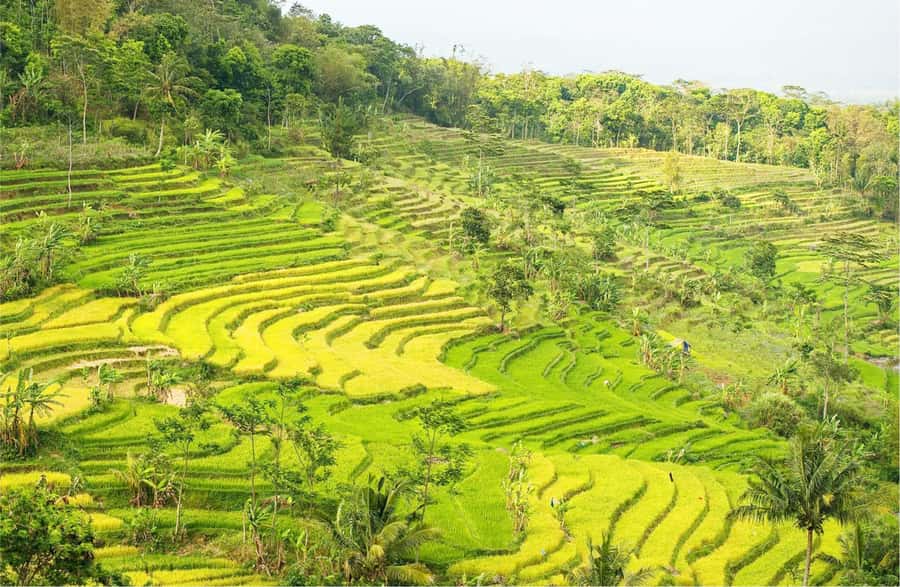
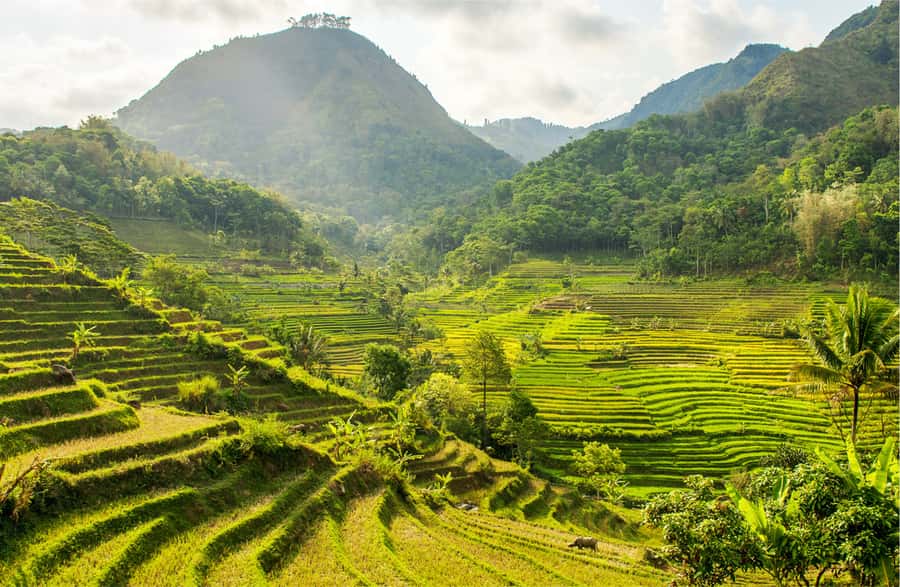
The approach to Selogriyo starts by foot. You gradually move from village-style paths into a more secluded, green setting, with big countryside views opening up as you climb. The “fairytale scenery” description in the tour materials fits the feeling you’re after: terraced hills, soft light, and a temple perched where the air feels cooler.
You should expect a moderate trek. That doesn’t mean it’s a tough mountain climb, but it does mean you’ll be on uneven ground for long enough to notice your legs. Wear shoes you can trust. If it’s rainy season (or even after a recent shower), some parts can get slick or muddy, and you’ll be happier if your footwear can handle it.
This uphill leg is also where the tour’s tone becomes clear: peaceful, not rushed. Many of the guides (for example, Yuni, Haidar, and Atok are repeatedly mentioned) pace explanations around what you’re actually stepping past—plants, crops, and the way farmers work these fields.
Selogriyo Temple itself: a small Hindu site with gardens and volcanic views
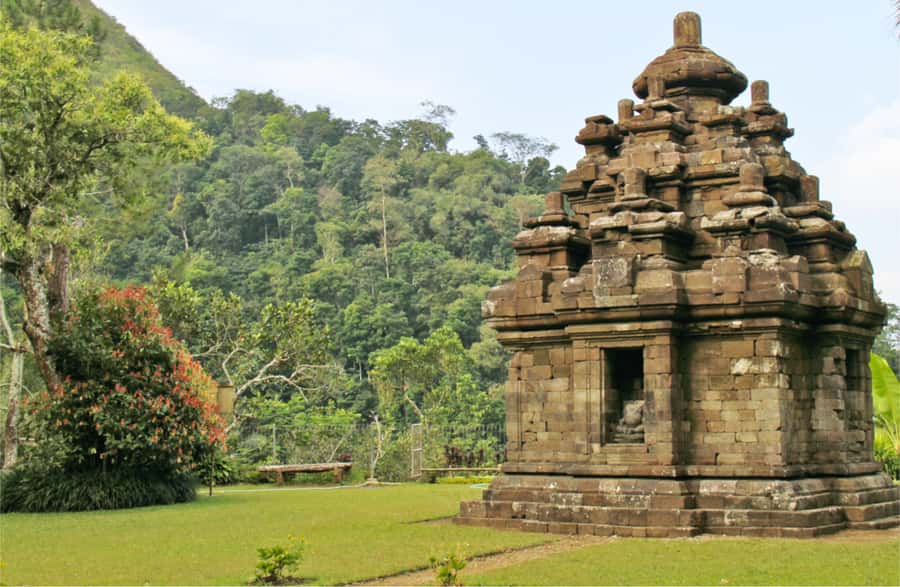
At the top, you reach Selogriyo Temple, a Hindu temple with a distinctive structure and gardens surrounding it. It’s not one of Java’s huge, showy temple brands. That’s part of why it can feel so satisfying here: you have time to look, and the setting gives the architecture breathing room.
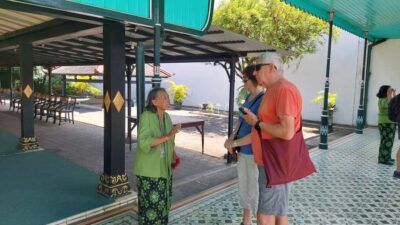
This is also where your guide’s context matters. A strong English-speaking guide will explain what you’re seeing—temple features and the way Hindu traditions connect to place—and then you get to wander the surrounding grounds at your own speed. People especially seem to enjoy the calm atmosphere and the chance to slow down for photos.
And don’t forget the views. The temple area looks out over the verdant hillsides of the volcanic region. The tour information specifically frames it that way, and the experience matches the expectation: when you’re at the hilltop, the world feels bigger, greener, and less crowded.
The rice terrace hike: what you’ll actually see and how to walk it
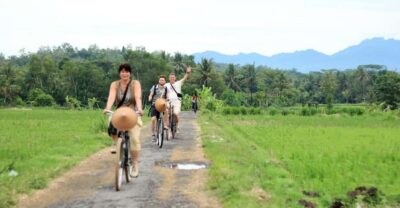
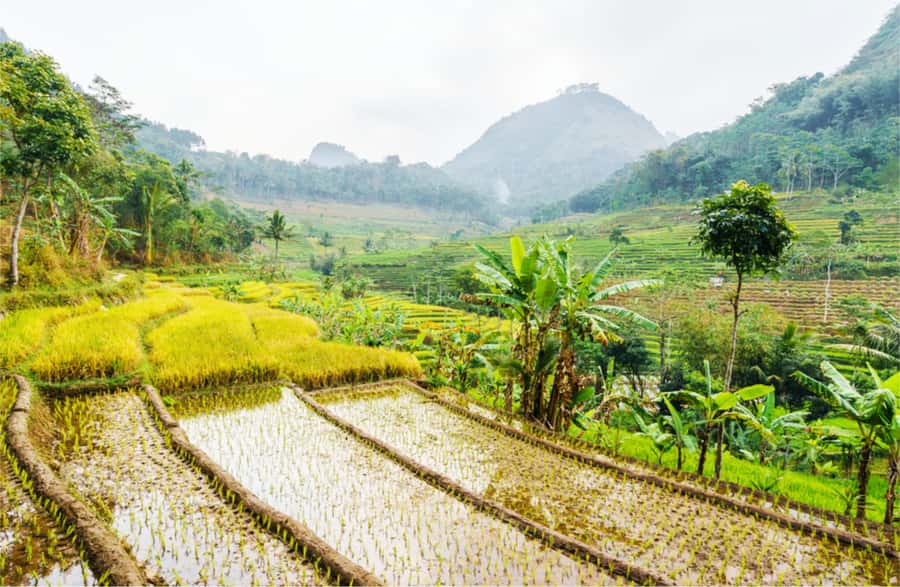
This is the core of the day. You trek among rice terraces and see agriculture that goes beyond rice alone. The tour materials mention paddy, beans, corn, and more, and the guide’s job is to help you notice it.
Here’s the practical value: rice terraces change with the season. Even if you visit in different months, the tour still gives you a framework for understanding what’s growing and why it’s planted where it is. Guides like Yuni and Atok are praised for pointing out plants and crops up close, and several people note specific knowledge about the farming process and the variety of vegetation around the path.
How to pace yourself:
- Start slowly on the climb. You’ll have plenty of time; the day is only about 6 hours total.
- Take photos when you can, but don’t stop for long stretches on steep sections. Your legs will thank you.
- If it rains or just threatens to, keep your steps short and steady. Mud can happen.
If you love nature walks that teach you something real, this part lands better than a stop that’s purely scenic. You’ll come away with a mental map of the fields rather than just a memory of green.
How the best guides turn crops and temples into stories
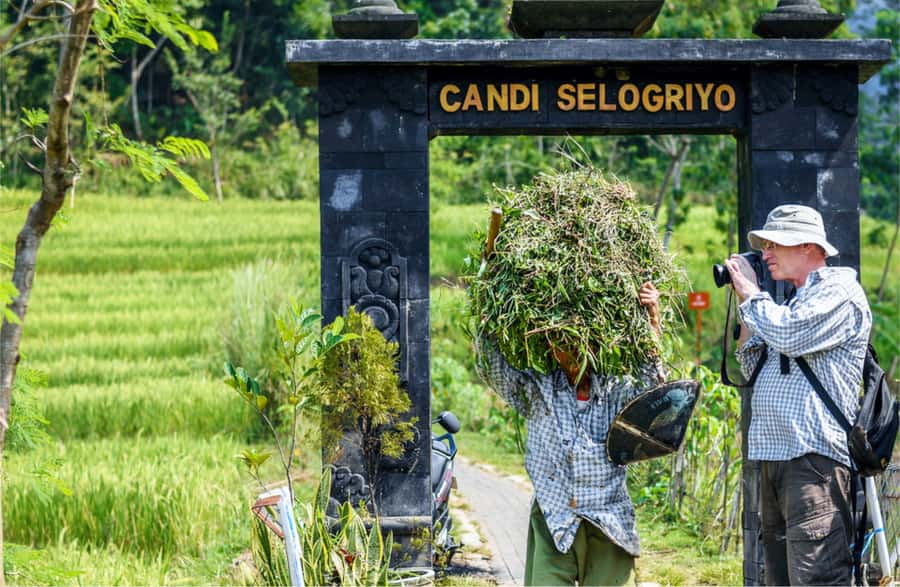
One of the most consistent themes in the experience is guide quality. Names like Yuni, Haidar, Atok, and Dear Haidar show up again and again in the supplied information, and they’re not being praised only for being friendly. People specifically talk about guides connecting the walk to Indonesian life.
You’ll feel it in the details:
- When the guide explains what you’re walking past, the path becomes a living classroom.
- When the guide connects the temple to the local community, the site feels less like a random ruin and more like a place with purpose.
- When the guide notices plants and animals, you start seeing movement you would’ve missed alone.
For you, the upside is clarity. For example, if you’re curious about how rice cultivation works, these guides tend to focus on the process and the surrounding ecosystem. And if you’re interested in culture beyond the temple walls, you’ll usually get talk about daily life, politics, and personal stories woven into the route.
Even if you’re not the type who reads every sign, a good guide makes the day feel structured without being stiff. You learn, you walk, you look, you laugh a little, and time goes faster.
Tea, coffee, and small breaks along the trail
This trip includes a temple entrance fee and a donation fee, but the tour also points you to bring cash. That’s your hint that you may want to stop for small purchases along the way.
In the experience details you were given, guides are repeatedly associated with a cafe-style pause near the end of the hike. People mention tea and coffee choices there and simple snacks like goreng cassava. You might also hear about kopi luwak or specific herbal teas, depending on what’s available and what the guide recommends.
What I’d do: treat this as a bonus, not a requirement. If you’re the type who likes to taste local drinks, bring a little cash for that final reward. If you’re not, you can still enjoy the views and save your appetite for the return.
Price and value: is $55 for a 6-hour day fair?
$55 per person for a 6-hour guided day trip with pickup, entrance fee, parking, and an English-speaking guide is a pretty straightforward value proposition—especially because you’re leaving the crowded core and walking in a remote area.
Here’s why it feels fair in practice:
- You’re paying for transportation time (two hours from Yogyakarta city, one hour from Borobudur), not just a short stroll.
- The guide is working the whole day: temple context plus crop explanations on the hike.
- Entrance and donation fees are included, so your spending stays predictable.
- The group size cap (15 people) keeps the experience from turning into a conveyor belt.
Is it “cheap”? Not really. But you’re also not buying a generic photo stop. You’re buying access to a quiet hilltop temple setting and a hike through functioning terraces. If that matches your travel style, it’s good money.
If your budget is tight, you could compare alternatives that cost less, but you’ll likely lose something important: a guided explanation, included fees, or the countryside pacing that makes Selogriyo different.
What to bring for this moderate walk (and what people forget)
The tour materials are clear on what matters:
- Comfortable shoes (non-negotiable)
- Sunscreen
- Comfortable clothes
- Cash
I’d add one more practical mindset: assume you might need to adapt. The rice-terrace paths can be uneven, and in wet weather the ground may be damp. If you pack for comfort rather than style, you’ll enjoy the day more.
If you wear sandals, you’ll probably regret it. If you wear shoes with no grip, the descent can feel sketchy. If you forget sunscreen, you’ll feel it when you’re walking in open areas.
Also, bring a small daypack if you can. Water and a light layer can help, even if the forecast looks mild when you leave.
Who this tour is best for (and who should choose something else)
This experience is ideal if you want:
- a calm day outside the main tourist flow
- a temple visit with actual context
- a walking hike that teaches you about local farming
- small-group guiding in English
It’s also a good first-choice day trip if you’re new to Java and want to understand how temples and agriculture connect in daily life.
You might choose something different if you:
- want a very large, world-famous temple complex
- prefer totally flat walking routes
- hate any chance of muddy ground
Otherwise, Selogriyo tends to hit a sweet spot: scenic, meaningful, and manageable in a single 6-hour block.
Should you book the Selogriyo Temple and Java rice terrace tour?
I’d book this if you’re the kind of traveler who enjoys slow views, real countryside walking, and guides who explain what you’re seeing instead of rushing you to the next photo.
Pick it especially if you can go in a period when the hills feel quieter. The vibe improves when fewer people crowd the temple trails, and the tour’s small-group design helps you get that feeling more often.
One final decision rule: if you’re willing to treat the rice terrace hike as the main event—not just the warm-up—you’ll have a much better day. Selogriyo is memorable, but it shines most when you arrive with legs ready for a real walk.
FAQ
How long is the Yogyakarta Selogriyo Temple and rice terrace tour?
The tour duration is 6 hours.
Where do pickups happen?
Pickup is included from your accommodation in Yogyakarta, and the trip is also available for pickup in the Borobudur area.
Is this a small group tour?
Yes. It’s limited to 15 participants.
What’s included in the price?
Hotel pickup and drop-off, entrance fee, an English-speaking guide, parking fee, and a donation fee are included.
Is the walking difficult?
The trip involves a moderate amount of walking.
What should I bring?
Bring comfortable shoes, sunscreen, comfortable clothes, and cash.
Can I cancel for a full refund?
Yes. You can cancel up to 24 hours in advance for a full refund.